Middle East Conflict Drives Manufacturing Outlook to 10-Month Low
Strait of Hormuz Blockade Fears Send Shockwaves Through Chemicals, Automotive Sectors
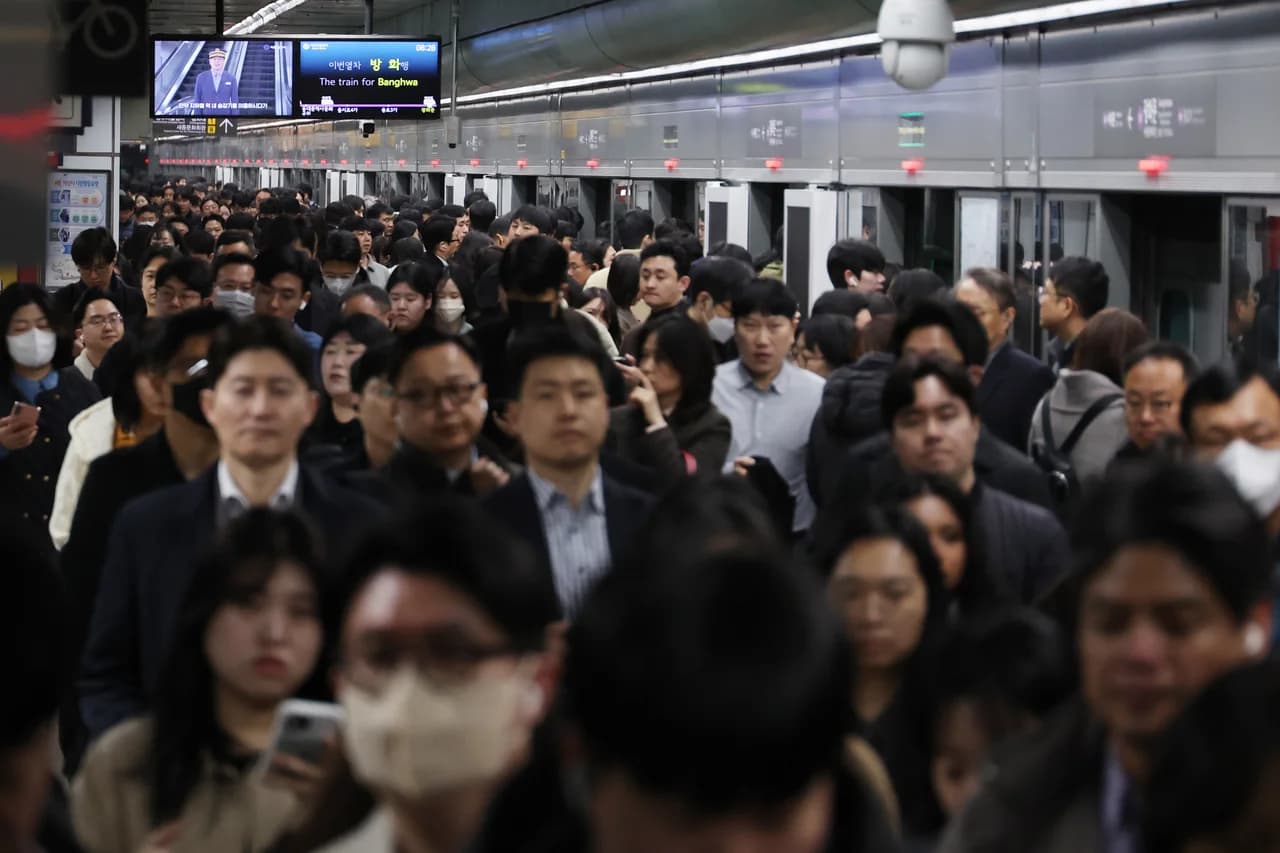
- •The Korea Institute for Industrial Economics & Trade survey shows April manufacturing outlook PSI plummeted to 88, falling below baseline for the first time in 10 months.
- •Fears of Strait of Hormuz blockade caused the chemical sector to crash 68 points, while automotive, machinery, and steel sectors also plunged over 30 points.
- •The export outlook index recorded the largest decline at 39 points, while semiconductors significantly exceeded baseline thanks to AI demand.
Manufacturing Outlook Falls Below Baseline for First Time in 10 Months
The Korea Institute for Industrial Economics & Trade (KIET) announced on the 22nd that the April manufacturing outlook PSI (Prospective Survey Index) recorded 88, plummeting 29 points from the previous month. This marks the first time the index has fallen below the baseline of 100 since June of last year.
A PSI above 100 indicates that experts expect conditions to improve compared to the previous month, while below 100 suggests a prevailing view of deterioration. This survey was conducted from the 9th to the 13th, polling 132 industry experts across various sectors.
Export and Domestic Demand Plummet Amid Middle East Risk
Detailed indicators reveal a clear cooling of sentiment across the manufacturing sector. The export outlook index recorded the sharpest decline, dropping 39 points from 130 in March to 91 in April. Domestic demand also fell from 125 to 98, dipping below the baseline.
The production index declined from 126 to 97, profitability dropped from 112 to 88, and the investment index fell from 116 to 103. The simultaneous decline across all major indicators is attributed to the direct impact of U.S. and Israeli airstrikes against Iran that began on February 28 and Iran's subsequent retaliatory measures.
Particularly significant is Iran's response of blockading the Strait of Hormuz, through which approximately 20% of global maritime oil and liquefied natural gas (LNG) transport passes. This critical route has seen tanker traffic decrease by more than 90%, causing oil prices to surge and triggering cascading disruptions across global supply chains.
Chemical Sector Crashes 68 Points, Automotive and Machinery Also Hit Hard
By sector, chemicals suffered the most severe impact. The chemical sector outlook PSI plunged 68 points from 121 in March to 53 in April, directly reflecting concerns about disrupted imports of crude oil and basic raw materials due to the Strait of Hormuz blockade.
The automotive sector also showed a sharp slowdown, falling 52 points from 122 to 70. Machinery dropped 37 points from 106 to 69, steel declined 33 points from 133 to 100, electronics fell 33 points from 113 to 80, and textiles decreased 30 points from 107 to 77, indicating widespread expectations of deteriorating conditions across major manufacturing sectors.
However, semiconductors maintained a relatively robust trajectory. While the semiconductor outlook PSI fell 31 points from last month's 178—driven by "super cycle" expectations—to 147, it still significantly exceeded the baseline. This reflects sustained structural growth expectations, including increased demand for high-bandwidth memory (HBM) for artificial intelligence (AI) servers.
Historical Context of Manufacturing Downturn
Domestic manufacturing has shown a recovery trend since the second half of 2024. The manufacturing PSI consistently exceeded 100 from June 2024 onward, maintaining stable growth driven by global economic recovery expectations and improving semiconductor conditions.
However, geopolitical risks have repeatedly impacted manufacturing outlook. During the 2022 Russia-Ukraine war, surging raw material prices and supply chain disruptions significantly dampened manufacturing sentiment. Then, as now, sectors with high raw material dependence such as chemicals and steel bore the brunt of the impact.
The current Middle East crisis raises concerns about more widespread shocks than past cases, as it directly affects the Strait of Hormuz—a critical energy supply route. With President Trump threatening to "obliterate" Iranian power plants if the strait is not fully reopened within 48 hours, ongoing tensions make further declines in manufacturing outlook difficult to rule out.
Impact on Korean Manufacturing
South Korea maintains an economic structure heavily dependent on manufacturing exports. As of 2025, manufacturing accounts for over 90% of total exports. The sectors hit hardest this time—chemicals, automotive, machinery, and electronics—represent core export categories for Korea.
Surging crude oil prices directly increase domestic manufacturing costs. Korea imports all its crude oil, with over 70% coming from the Middle East. If the Strait of Hormuz blockade becomes prolonged, additional logistics costs from securing alternative routes become inevitable.
Global supply chain disruptions also directly impact Korean manufacturing's just-in-time (JIT) production systems. The automotive sector faces high probability of production disruptions due to parts supply issues, which could lead to weakened export competitiveness.
Future Outlook and Response [AI Analysis]
If the Middle East situation does not stabilize in the short term, manufacturing outlook is likely to decline further. Simultaneous increases in raw material prices and logistics disruptions are expected to expand cost burdens across the manufacturing sector.
Particularly for the chemical sector, prolonged raw material supply disruptions could make production cuts unavoidable, potentially creating cascading effects on downstream industries like automotive and electronics. The automotive sector, already struggling with weakening global demand, could see accelerated profitability deterioration if raw material cost increases are added to existing challenges.
However, the semiconductor sector is likely to maintain a relatively stable trajectory due to the structural growth driver of increasing AI demand. Demand for high-value-added products like HBM continues to show an upward trend regardless of geopolitical risks.
At the government and corporate levels, there is a need to strengthen risk response systems including raw material supply diversification, securing alternative logistics routes, and expanding inventories. Particularly from an energy security perspective, long-term strategies are required to reduce dependence on the Middle East and diversify import sources to include North America and Australia.
댓글 (4)
이 사안은 신중하게 접근해야 한다고 봅니다.
중요한 포인트를 짚으셨네요.
팩트에 기반한 냉정한 판단이 필요한 시점입니다.
차분한 논의가 필요하다는 말에 공감합니다.
More in Economy

Lee Jae-myung Administration Excludes Multi-Home Officials from Real Estate Policymaking
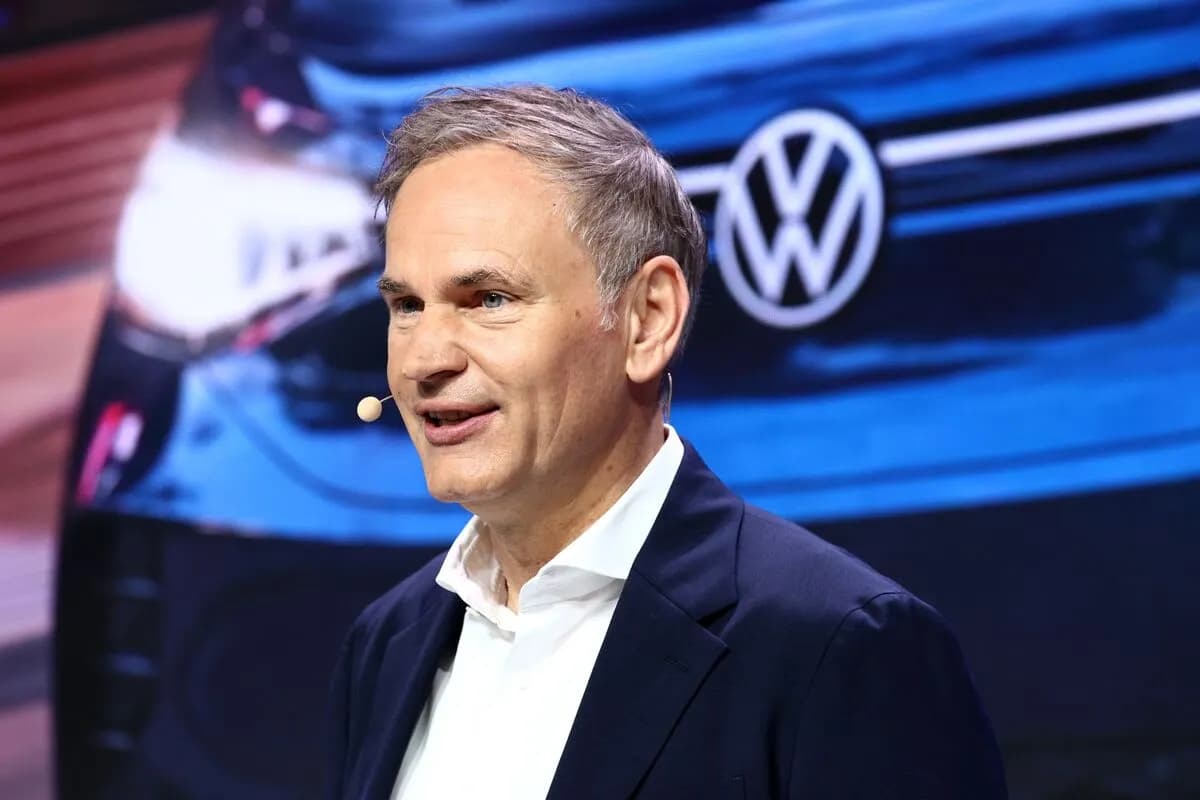
Volkswagen CEO Says Germany Should Learn from China's Industrial Strategy

Russia Anticipates Economic Gains from US-Iran Conflict

President Lee Visits Daejeon Factory Fire Site, Says 'Everything Melted'

U.S. Economic Expert Warns of Financial Shock Within 4-5 Years

NYSE Falls for Fourth Consecutive Week Amid Middle East Escalation Fears
Latest News

셀트리온 공장서 20대 노동자 추락사
인천 셀트리온 공장에서 20대 남성 노동자가 추락

영국 경찰관 교통사고로 사망, 동료는 위중상
영국 켄트경찰청 27세 경찰관 PC Bradley Corke가 목요일 교통사고로 사망

민주당 전남광주특별시장 경선서 '허위 득표율' 문자 논란
민주당 전남광주특별시장 후보 예비경선 후 허위 득표율 문자메시지 배포
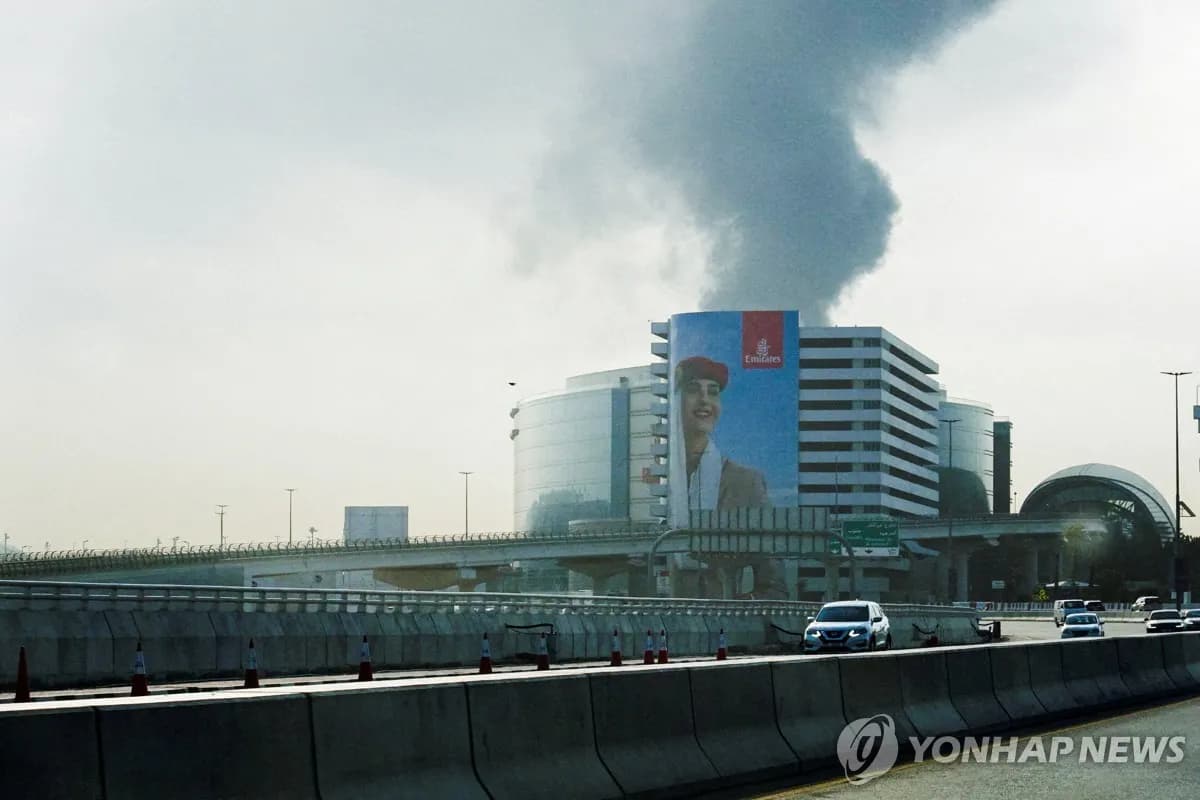
중동행 전세기 전쟁보험료 최고 7천500만원
중동행 전세기 전쟁보험료가 최고 5만달러(7천500만원)로 상승
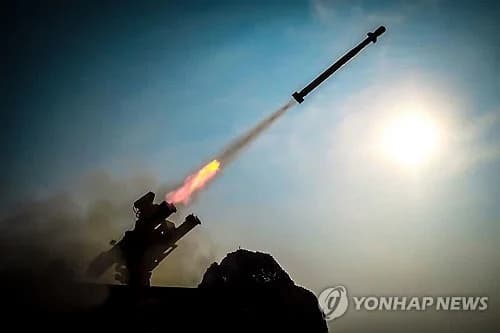
이란 탄도미사일, 이스라엘 방어망 뚫고 160명 부상
이란 탄도미사일이 이스라엘 방공망을 통과해 160명 부상

Southeast Asia Growth Forecasts Cut Amid Oil Price Surge, Threatening Korean Exports
Maybank Research has downgraded ASEAN-6's 2026 growth forecast from 4.8% to 4.5%.

Reddit Considers Face ID to Block Bots While Maintaining Anonymity
Reddit is considering implementing biometric authentication systems such as Face ID and Touch ID to block AI bots while maintaining anonymity.
BTS Tops March Artist Brand Reputation Rankings with First Full Group Comeback in 4 Years
BTS ranked first in the Korean Corporate Reputation Research Institute's March Artist Brand Reputation Rankings based on 99 million data points.