Satellites Expose Urban Methane Lies...Double Official Estimates
University of Michigan Research Confirms 6% Surge in Emissions from 2019-2023 Through Satellite Observation of 92 Cities
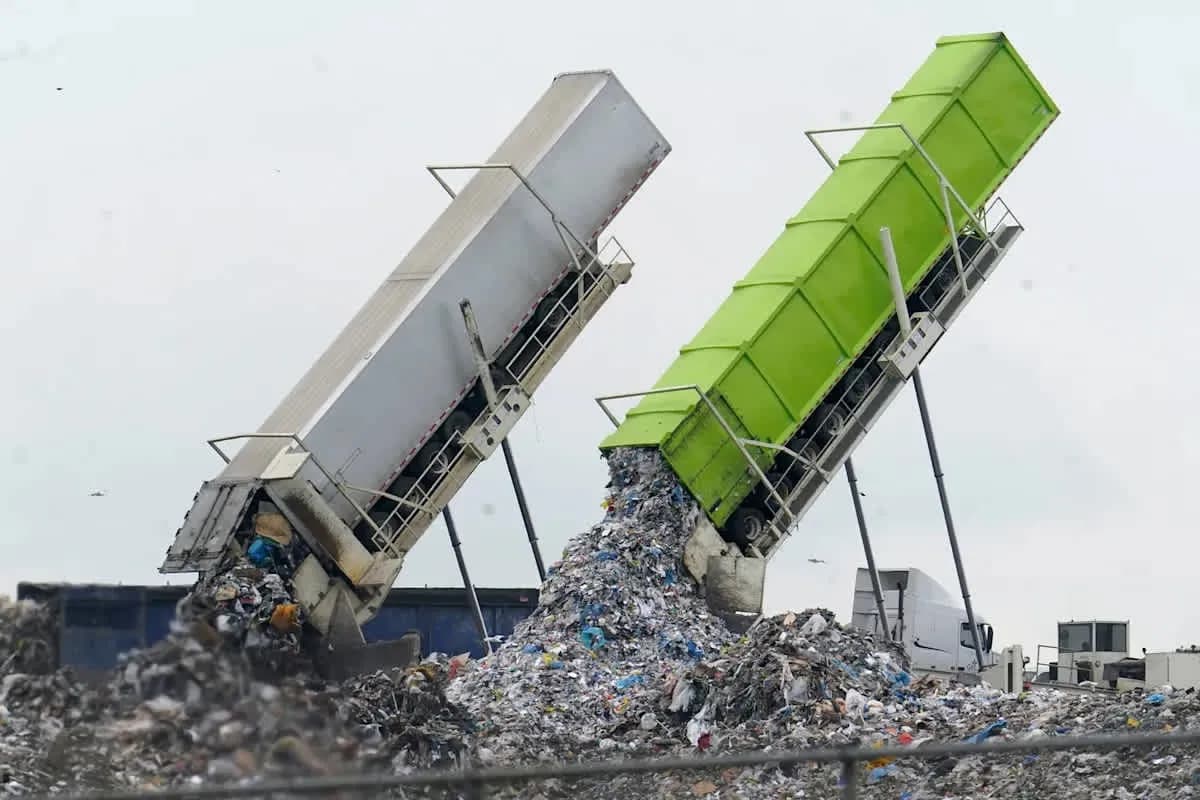
- •Satellite observations confirmed that global urban methane emissions reach double the official estimates.
- •Analysis of 92 cities shows a 6% increase in emissions from 2019-2023, threatening C40 carbon neutrality goals.
- •There is a high possibility that the need for adopting satellite-based independent verification systems will be raised for major Korean cities.
Satellites Don't Hide
Research findings show that urban methane (CH₄) emissions presented by governments in official statistics have been reduced to less than half of actual levels. According to a paper published by researchers from the University of Michigan's College of Engineering in the Proceedings of the National Academy of Sciences (PNAS), methane emissions from 92 major cities worldwide increased by approximately 6% between 2019 and 2023. In contrast, official inventory estimates from governments increased by only 1.7% to 3.7% during the same period. The gap between satellite data and official statistics has been obscuring the reality of actual emissions.
The research team utilized satellite observation-based top-down measurement methods with support from NASA and the National Institute of Standards and Technology (NIST). Unlike existing official statistics that rely on bottom-up accounting methods, which sum individual emission source data, satellites directly measure actual atmospheric concentrations.
Why It Matters: The Carbon Neutrality Clock Is Wrong
Methane is a greenhouse gas approximately 80 times more potent than carbon dioxide (CO₂) on a 20-year basis. Given its significant short-term climate change mitigation effect, methane reduction is considered a key means of achieving 2030 climate goals.
The problem is that cities account for approximately 10% of total anthropogenic methane emissions. This is about 4 times the scale of 'excess emission sources' in the oil and gas sector that have been under intensive regulatory scrutiny. The research team revealed that member cities of the 'C40 Climate Group,' a coalition of climate action cities, are emitting an additional 2 teragrams (Tg) of methane annually. This figure directly contradicts the carbon neutrality plans these cities have declared for themselves.
Clear regional differences emerged. European cities show a declining emission trend due to infrastructure modernization and strengthened regulations, while cities in Asia, Africa, and South America are experiencing increased emissions driven by aging gas pipeline networks, inadequate landfills, and underdeveloped wastewater treatment systems.
When Did This Begin: A History of Climate Statistics Distrust
The reliability of urban greenhouse gas statistics has been a long-standing debate. Since the mid-2000s, the climate science community has pointed out the limitations of existing top-down estimation methods. Particularly with the shale gas boom starting in the 2010s, numerous studies showed that methane leakage in the United States reached several times the EPA's official figures.
The improved precision of satellite-based measurement technology is relatively recent. With the advent of the European Space Agency's (ESA) Sentinel-5P satellite (launched in 2017) and private satellites like GHGSat, precise city-level methane observations became possible starting in the 2020s. This University of Michigan research is one of the first large-scale studies to systematically demonstrate the structural underestimation of urban emission statistics by utilizing this technological advancement.
There is also context from the international climate agreement perspective. The 'Global Methane Pledge,' signed by the United States, EU, and approximately 100 other countries at COP26 in 2021, includes a goal to reduce methane emissions by 30% compared to 2020 levels by 2030. However, if the baseline emission levels themselves have been underestimated, the determination of whether reduction targets are met becomes fundamentally uncertain.
Future Outlook [Expert Analysis]
This research is likely to have three major impacts.
First, discussions on strengthening the verification system of international climate agreements are likely to accelerate. Pressure to amend the agreement will likely increase, moving toward mandatory integration of satellite observation data with the current United Nations Framework Convention on Climate Change (UNFCCC) verification method, which relies solely on national reporting data.
Second, the priorities for urban infrastructure investment are likely to be reorganized. Gas pipeline replacement, landfill methane capture facilities, wastewater treatment plant modernization, and similar projects could emerge as key items in carbon neutrality budgets. In particular, the demand for green infrastructure in developing country cities is expected to surge.
Third, there are also significant implications for Korea. Major Korean cities such as Seoul, Incheon, and Busan are also participating in the C40 Network or similar international climate agreements. Since domestic greenhouse gas emission statistics also rely on bottom-up estimation methods, there is a high likelihood that calls will emerge for the Ministry of Environment and local governments to consider adopting satellite-based verification systems. Independent verification requests regarding the Capital Area landfill issue and methane leakage from aging city gas pipelines are also likely to be raised.
댓글 (26)
매일 여기서 뉴스 보고 있어요.
참고가 됩니다. Expose이 앞으로 어떻게 전개될지 주목해야겠습니다.
Urban 관련 배경 설명이 이해하기 쉬웠습니다. 후속 기사 부탁드립니다.
메탄 관련 배경 설명이 이해하기 쉬웠습니다. 생각이 바뀌었습니다.
몰랐던 사실을 알게 됐습니다. 기후변화이 일상에 어떤 영향을 줄지 생각해보게 됩니다.
Satellites 관련 용어 설명이 친절해서 좋았습니다. 전문가 의견도 더 듣고 싶습니다.
Expose 관련 배경 설명이 이해하기 쉬웠습니다.
좋은 정리입니다. Urban에 대해 처음 접하는 정보가 있었습니다. 좋은 기사 감사합니다.
메탄 관련 통계가 의외였습니다.
기후변화에 대해 주변 사람들과 이야기 나눠볼 만합니다.
유익한 기사네요. Satellites 관련 데이터가 인상적이었습니다.
깔끔한 기사입니다. Expose에 대해 주변 사람들과 이야기 나눠볼 만합니다. 다른 시각의 분석도 읽어보고 싶습니다.
유익한 기사네요.
메탄 관련 해외 동향도 궁금합니다.
유익한 기사네요. 기후변화에 대한 다른 매체 보도와 비교해봐도 잘 정리되어 있습니다.
Satellites 관련 통계가 의외였습니다. 좋은 기사 감사합니다.
참고가 됩니다. Expose 관련 용어 설명이 친절해서 좋았습니다. 주변에도 공유해야겠어요.
출퇴근길에 항상 읽고 있습니다.
유익한 기사네요. 메탄에 대해 처음 접하는 정보가 있었습니다.
북마크해두겠습니다. 기후변화 관련 해외 동향도 궁금합니다.
Satellites이 앞으로 어떻게 전개될지 주목해야겠습니다. 해외 동향도 함께 다뤄주시면 좋겠습니다.
이런 시각도 있었군요. Expose 관련 통계가 의외였습니다.
북마크해두겠습니다. Urban 관련 통계가 의외였습니다.
몰랐던 사실을 알게 됐습니다. 메탄 주제로 시리즈 기사가 나오면 좋겠습니다. 주변에도 공유해야겠어요.
기후변화이 앞으로 어떻게 전개될지 주목해야겠습니다. 계속 지켜봐야겠습니다.
Satellites 관련 용어 설명이 친절해서 좋았습니다.
More in Global

중국, '인공 태양' BEST 핵융합로 건설 가속…2030년 상업 발전 도전
UK PM Starmer Says He Was 'Furious' After Learning Sacked Ambassador Failed Security Vetting

Israel-Lebanon 10-Day Ceasefire Takes Effect; UN Hopes It Opens Path to Talks

남동발전, 중동 사태 장기화에 비상대응반 6개 분과로 확대
미-이란 협상 지연에 국제유가 배럴당 99달러 육박

When Anti-War Candidates Become War-Monger Presidents: America's Foreign Policy Dilemma
Latest News

10일 연속 랠리 멈춘 글로벌 증시, S&P 500 사상 첫 7,000 돌파
MSCI 전세계 지수가 10일 연속 상승 후 사상 최고치를 기록하고 0.1% 하락 반전했다.

이란 휴전 만료 D-5, 유럽 가스 가격 2% 급등
미-이란 휴전 만료 임박에 유럽 TTF 가스 가격이 2% 급등했다.
삼성전자, 5년 만에 특별배당 포함 3조 7500억 원 지급
삼성전자가 5년 만에 특별배당 포함 총 3조 7500억 원을 지급했다.
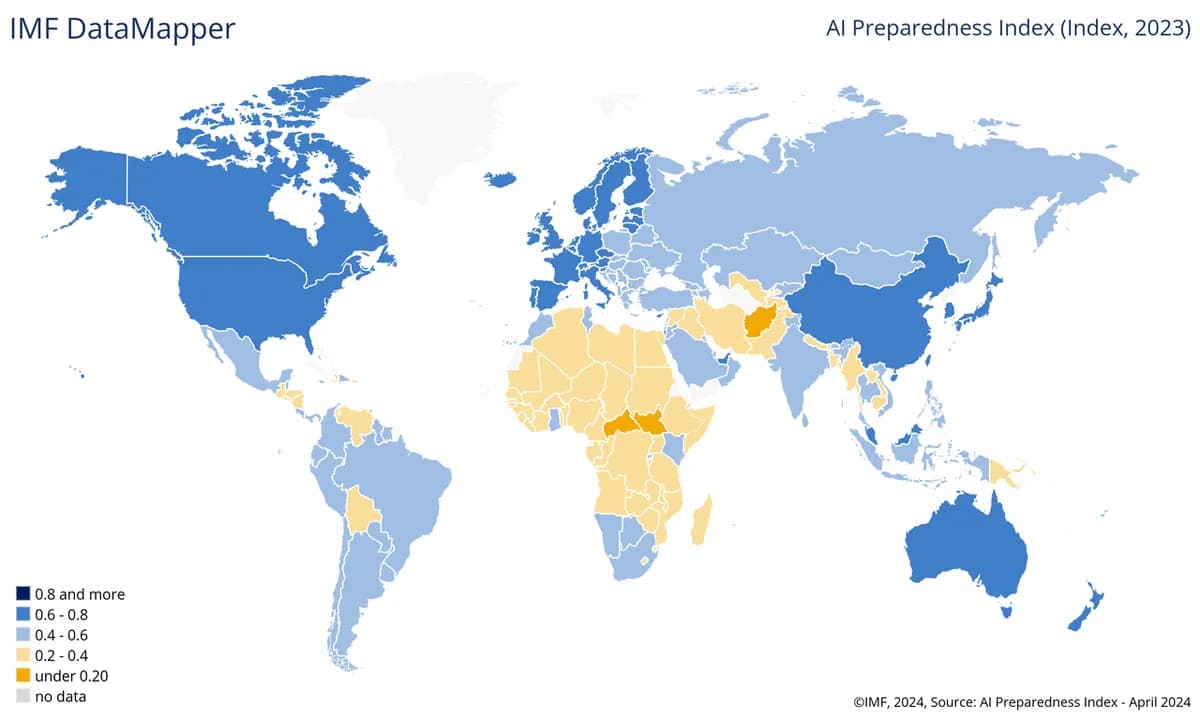
IMF 총재 "AI, 세계화의 전철 밟으면 안 된다"
IMF 게오르기에바 총재가 AI 혁명이 세계화의 실패를 반복할 위험이 있다고 경고했다.

Anthropic·OpenAI, '상시 작동' AI 코딩 에이전트 패권 경쟁
Anthropic이 Claude Code에 클라우드 기반 예약 자동 실행 기능 '루틴'을 출시했다.
스트라이프·패러다임 공동 개발 블록체인 '템포', 기업용 프라이버시 환경 '존' 출시
스트라이프·패러다임 공동 개발 블록체인 템포가 기업용 프라이버시 환경 '존(Zones)'을 출시했다.

ICIJ Exposes Merck's Keytruda Pricing Strategy and Patent Abuse
ICIJ's Cancer Calculus investigation exposes Merck's Keytruda pricing and patent strategies.

Wendy, Young K, Kim Jae Joong Named Masters for New Audition Show 'The Scout'
ENA confirmed Lee Seung Chul, Kim Jae Joong, Wendy, Young K, and Choo Sung Hoon as masters for 'The Scout.'