President Lee Jae-myung Urges T+1 Stock Settlement Transition as KOSPI Surges 5% Amid Capital Market Reforms
Push to reduce investor inconvenience during semiconductor boom… Exchange targets 2027, industry projects 2028
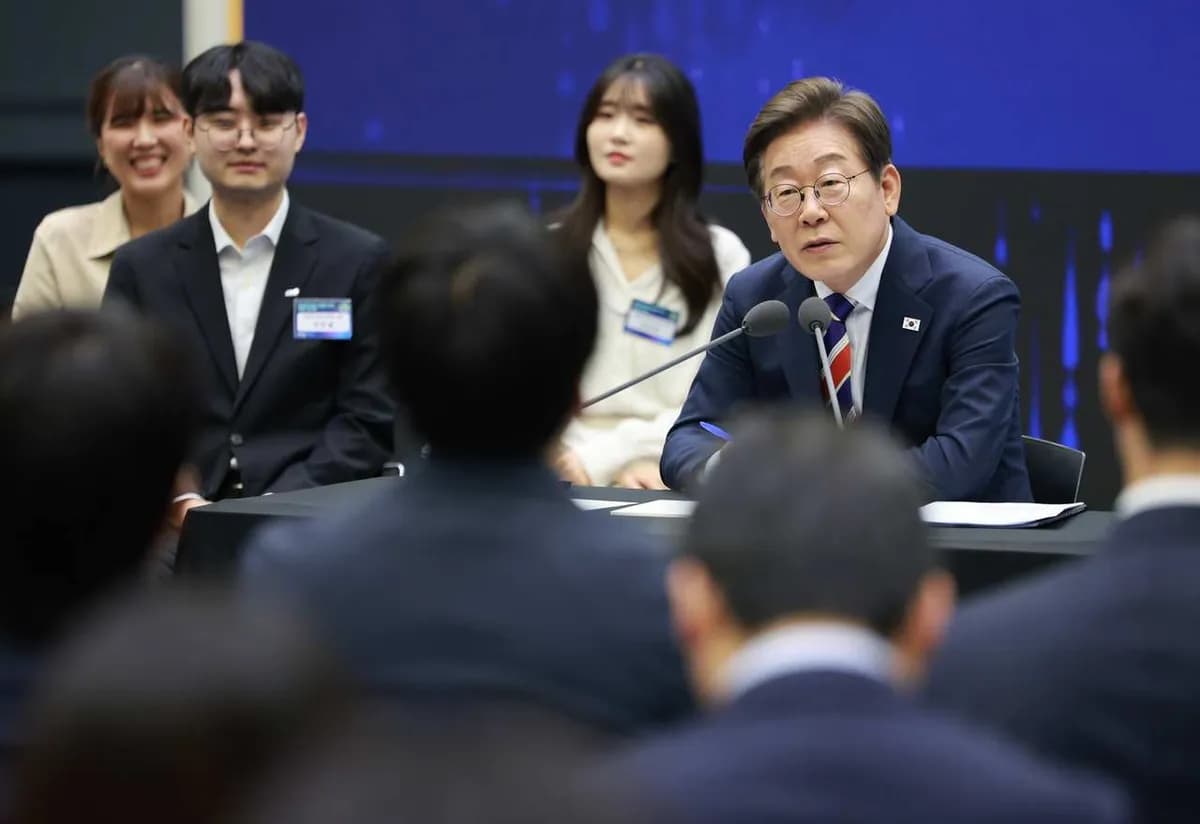
- •President Lee Jae-myung urged shortening stock settlement periods from T+2 to T+1 at a Blue House meeting on the 18th.
- •KOSPI surged 5% to close at 5,925.03 after Nvidia CEO's praise of Samsung Electronics, triggering a buy-side sidecar.
- •Korea Exchange presented a 2027 target, but the industry projects implementation after 2028 considering system overhauls.
Presidential Directive on Settlement System Improvement at Policy Meeting
President Lee Jae-myung strongly urged the shortening of stock settlement periods at a capital market meeting held at the Blue House on the 18th. South Korea currently operates a 'T+2' system where settlement is completed two days after a stock transaction. President Lee questioned "why should investors have to wait two whole days" and directed officials to review transitioning to a 'T+1' next-day settlement system.
On this day, KOSPI surged over 5% to close at 5,925.03, driven by semiconductor stocks following Nvidia CEO Jensen Huang's praise of Samsung Electronics at a global AI conference. At 2:34 PM, a 'buy-side sidecar' was triggered as the KOSPI 200 futures index rose 5.08% from the previous day, temporarily halting program buy orders. This marked the first buy-side sidecar activation in six trading days since the 10th.
Why Shorten Settlement Periods Now?
Discussions on settlement period reduction are part of a global trend to enhance capital market efficiency and investor convenience. The United States completed its transition to T+1 in May 2024, and the European Union (EU) is preparing for a 2027 transition. South Korea's T+2 system has been criticized for low capital turnover rates and constraints on executing short-term investment strategies, as investors must wait two days to receive cash after selling stocks.
Particularly amid heightened market volatility due to the semiconductor boom and AI frenzy, longer settlement periods increase investors' risk exposure time. President Lee's remarks are interpreted as recognizing that Korean markets must adopt settlement infrastructure on par with advanced markets to secure global competitiveness.
Jeong Eun-bo, Chairman of Korea Exchange, stated at the meeting that the goal is to introduce T+1 by October 2027. However, securities industry officials project the actual implementation date will likely be late 2028, considering system overhauls, regulatory adjustments, and establishing collaborative frameworks among the Korea Securities Depository, securities firms, and banks.
From T+2 to T+1: Evolution of Global Settlement Systems
Shortening stock settlement periods has been a task pursued by global capital markets for decades. Until the 1990s, the United States operated T+5 (settlement after 5 business days), while South Korea operated T+3. As computing systems and communication technology advanced, countries gradually shortened settlement periods.
The United States transitioned to T+3 in 1995, then to T+2 in 2017, and finally to T+1 in May 2024. South Korea has maintained the same system for over 20 years since transitioning from T+3 to T+2 in 2000. During this process, advanced markets like the United States and Europe reduced settlement risk and increased capital efficiency, while South Korea has remained relatively behind.
The key benefit of shortening settlement periods is reduced settlement risk. The longer the time between trade execution and settlement, the greater the risk of unexpected situations such as sharp price movements or counterparty bankruptcy. A T+1 system cuts this risk in half. Additionally, from investors' perspective, receiving sale proceeds quickly enables reinvestment, increasing capital turnover rates.
Future Outlook [AI Analysis]
The T+1 transition is likely to serve as an opportunity to enhance Korean capital markets' global competitiveness. However, several technical and institutional challenges remain before actual implementation. Computer systems of securities firms, banks, and the Korea Securities Depository must be completely overhauled, and foreign investors' currency exchange and remittance processes must be redesigned.
The industry views achieving the 2027 target as challenging. Considering that the United States required over three years of preparation for the T+1 transition, South Korea is projected to need at least 2-3 years of preparation. Particularly given the high proportion of foreign investment in Korean markets, time zone differences with global investors and currency exchange processes must be carefully examined.
Nevertheless, the President's remarks are significant in clearly demonstrating the government's commitment to improving capital market infrastructure. Some analysts suggest that now, with heightened global interest in Korean markets due to the semiconductor boom and AI investment frenzy, is the optimal time to modernize the settlement system. The specific roadmap and implementation plans from relevant agencies will be closely watched going forward.
댓글 (5)
President 관련 기사 잘 읽었습니다. 유익한 정보네요.
좋은 의견이십니다.
간결하면서도 핵심을 잘 정리한 기사네요.
공감합니다. 참고하겠습니다.
Jae-myung에 대해 더 알고 싶어졌습니다. 후속 기사 부탁드립니다.
More in Economy
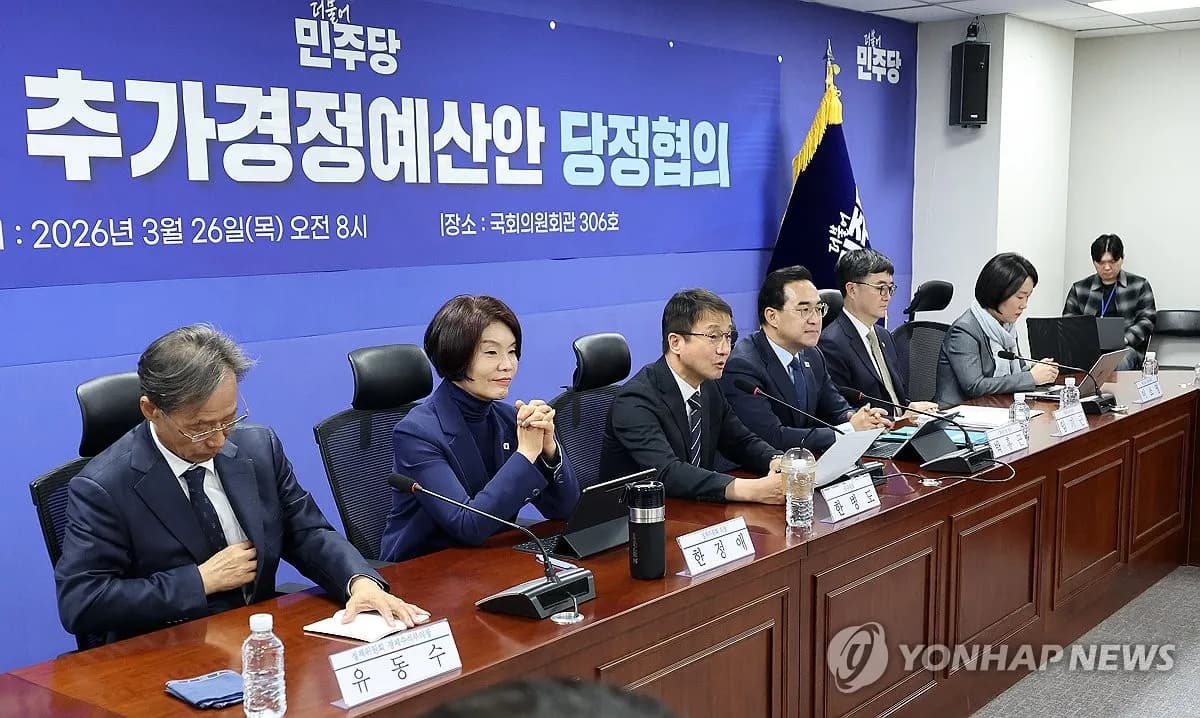
당정, 석유 최고가격제 손실 보전을 추경에 반영키로

미·이란 긴장 한 달, 금융시장 요동…장기화 우려
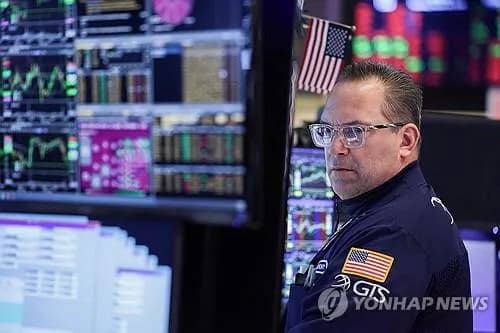
뉴욕증시 3대 지수 동반 상승…이란 휴전 기대감

Elon Musk's X recruits a cryptocurrency expert as head of design... ‘X Money’ launch imminent

BitGo-GK Sync plans to build ‘tokenized deposit’ infrastructure for banks

The other side of prediction markets: Ethical dilemmas of cryptocurrency platforms dealing in war and terrorism
Latest News
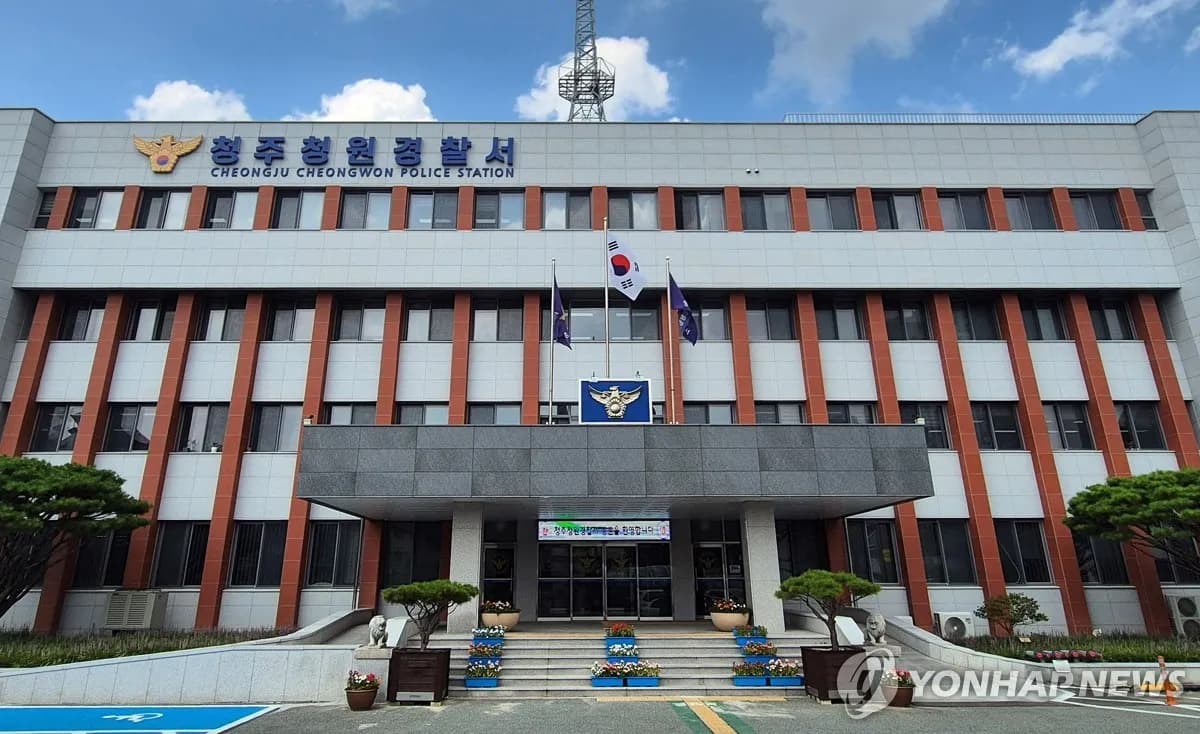
"간부 잘 아는데 교통비 좀" 휴가 군인들 돈 뜯은 50대 구속
50대 A씨가 휴가 중인 군인들에게 부대 간부를 아는 척 접근해 돈을 사취

英 옥토퍼스, 이란 전쟁 이후 태양광 판매 50% 증가
이란 전쟁 이후 영국 옥토퍼스의 태양광 판매량 50% 증가
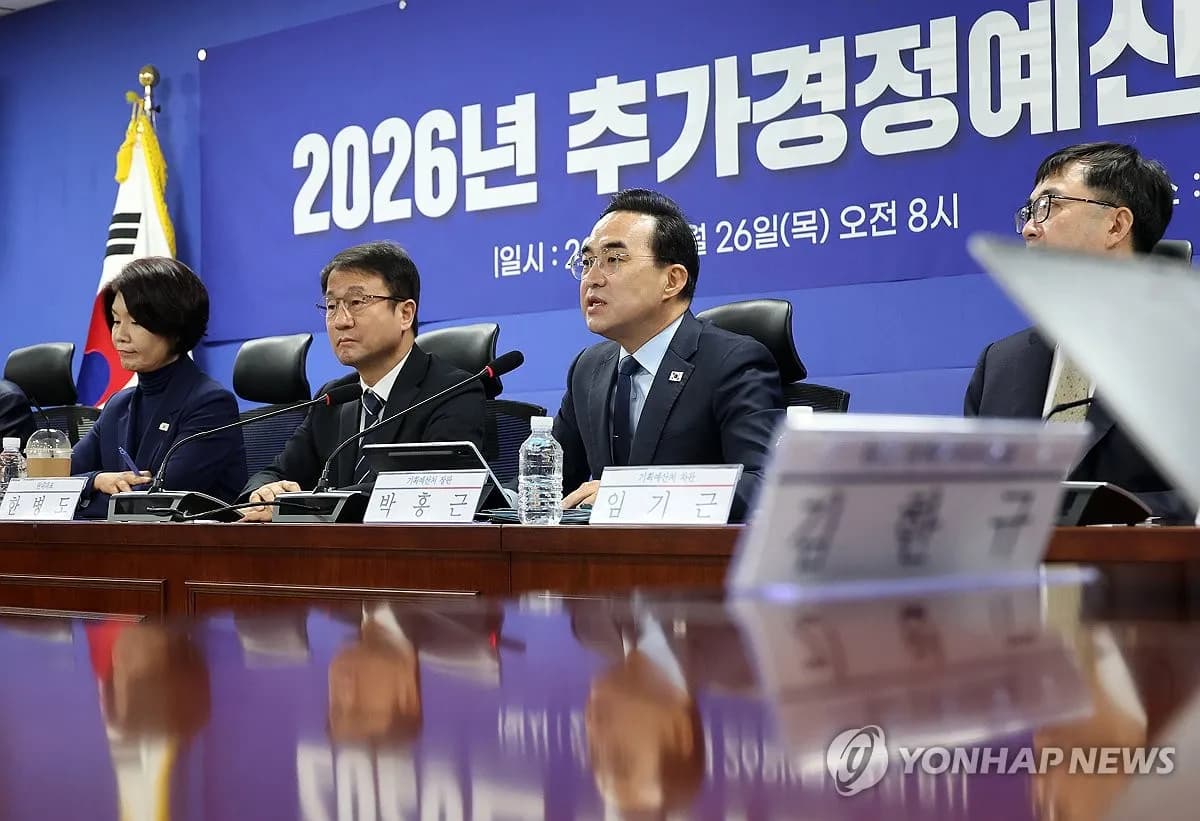
당정 "추경, 지방·취약계층에 더 지원되는 방식으로"
당정이 지방자치단체와 취약계층 중심의 추경 편성 방침 재확인
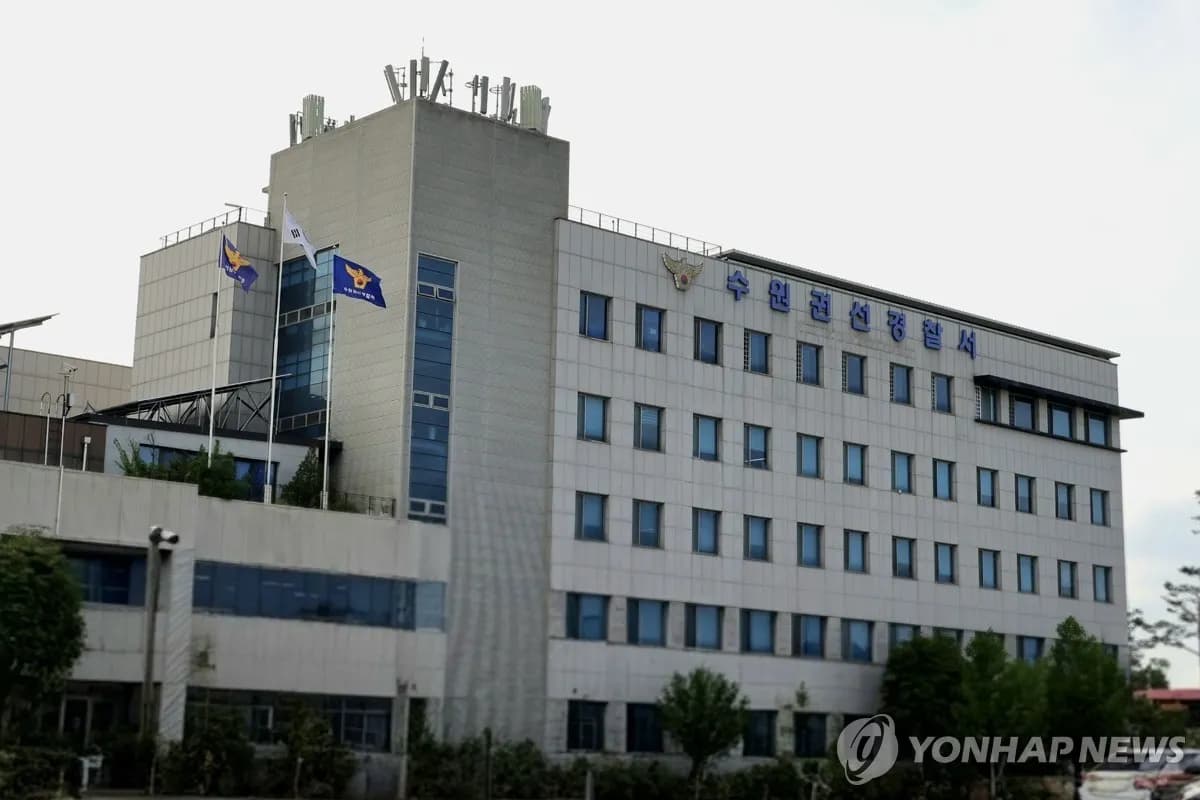
어머니 폭행하고 금팔찌 빼앗은 30대 아들 경찰에 붙잡혀
어머니 폭행 후 금팔찌 빼앗은 30대 남성 체포
아이티 갱단 폭력사태로 10개월간 5천명 이상 사망
아이티에서 지난 10개월간 갱단 폭력으로 5천명 이상 사망
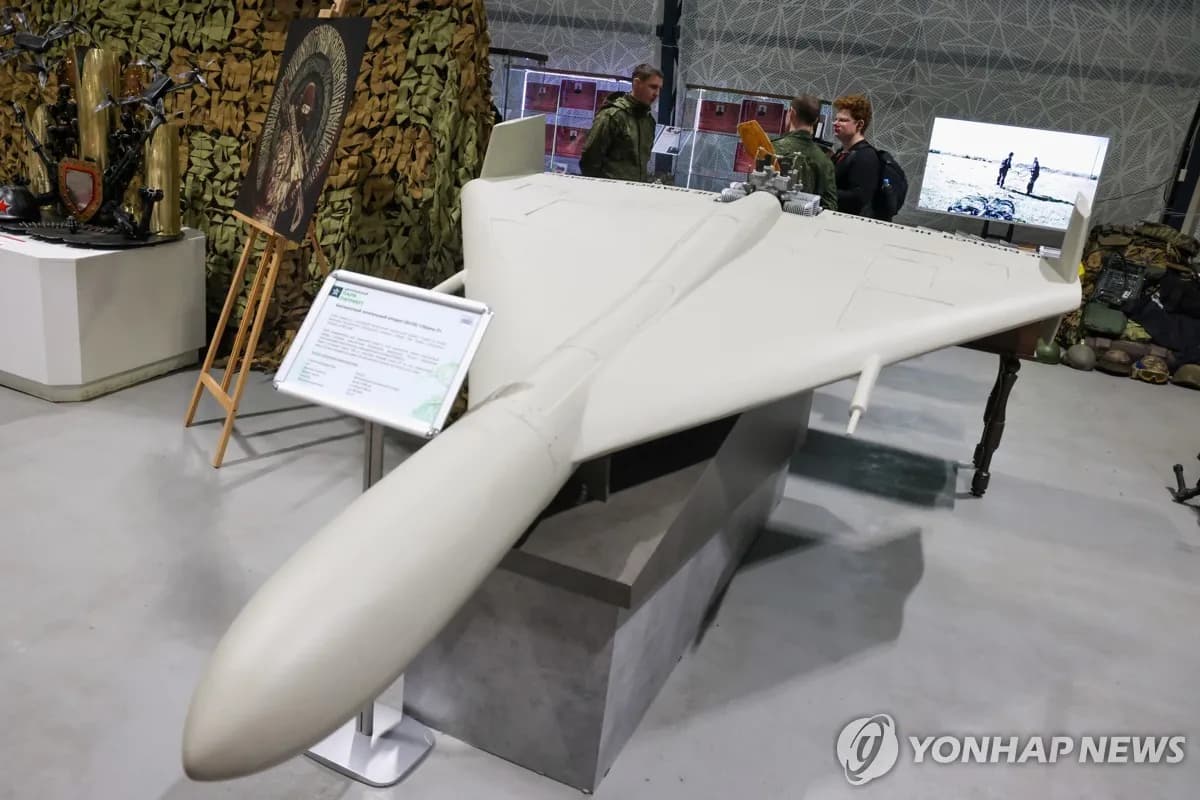
서방 정보당국 "러시아, 우크라이나 전쟁 후 이란에 드론·식량 공급"
서방 정보당국, 러시아의 이란 드론·식량 공급 작업 거의 완료 파악

6년 전 세 살 딸 살해한 30대 친모 구속송치
경찰, 6년 전 세 살 딸 살해 혐의 30대 친모를 구속송치

中企 수입 나프타의 80% 이상이 중동산…공급망 위기 심화
중소기업 수입 나프타의 80% 이상이 중동산으로 공급 의존도 높음