Qatar Helium Shutdown Extends to Two Weeks, South Korean Chipmakers Face '6-Week Buffer' Warning
Iran Drone Attack Disrupts 30% of Global Supply… SK Hynix and Samsung Maintain Manageable Inventory Levels
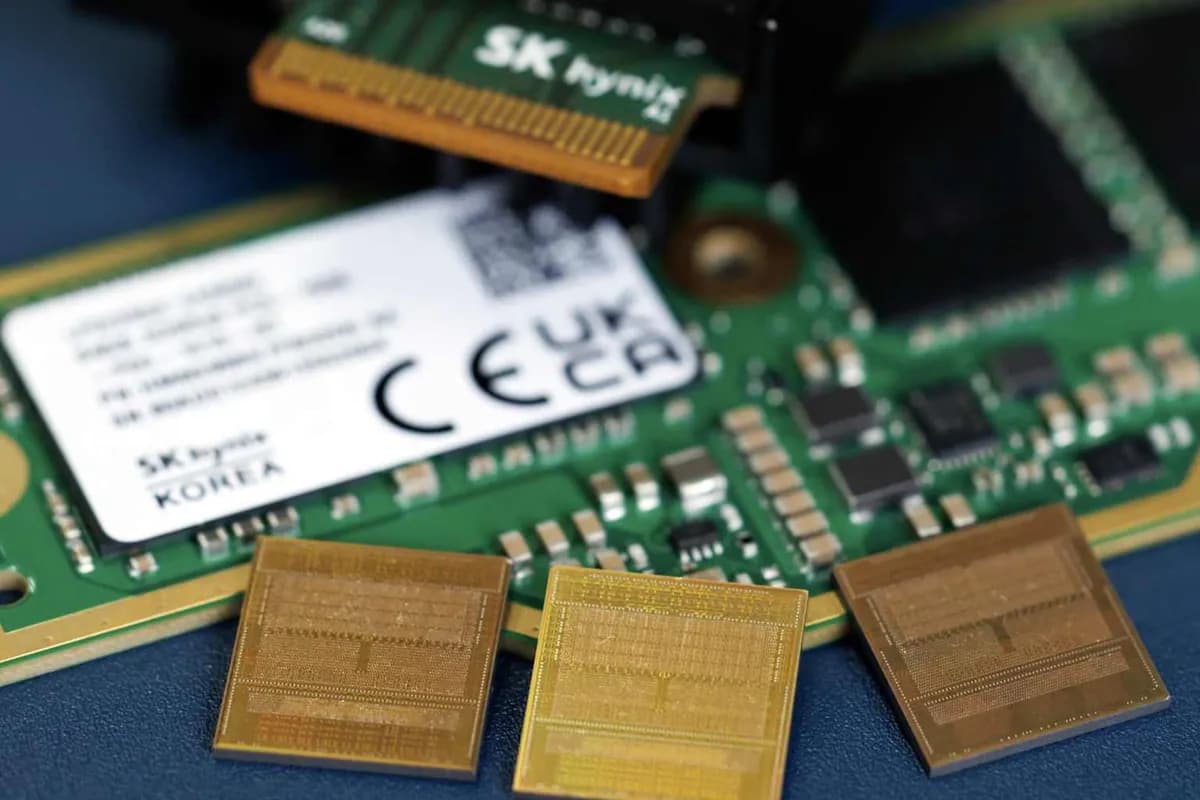
- •Qatar helium production shutdown disrupts 30% of global supply; production impact on Asian semiconductors unavoidable if extended beyond six weeks
- •South Korea depends on Qatar for 65% of helium; SK Hynix and Samsung currently maintain manageable inventory levels but face medium-term risks
- •Fitch warns spot helium prices could surge up to 200%; credit risk deterioration expected if conflict extends
Qatar Helium Facility Remains Shut Down Two Weeks After Iranian Attack
Fitch Ratings warned on March 3 (local time) that the prolonged shutdown of Qatar Energy's Ras Laffan helium production facility has exposed Asia's semiconductor supply chain to "increasing tail risks." Following the U.S.-Iran conflict triggered by Iran's drone attack in late February, Qatar's natural gas production was halted, disrupting approximately 30% of the world's helium supply, a byproduct of gas production.
Helium is a rare gas essential for wafer cooling and equipment protection in semiconductor manufacturing processes. Because it is produced during natural gas extraction and liquefaction, any interruption in gas production immediately impacts helium supply. Fitch noted that "preemptive purchasing is amplifying supply tightness" and "spot market prices and availability could change rapidly."
South Korea Most Vulnerable… 65% Helium Dependence on Qatar
According to Fitch's analysis, South Korea faces the most vulnerable position. The country sources approximately 65% of its helium from Qatar, with limited supply chain diversification. While SK Hynix and Samsung Electronics reported that current inventory levels remain manageable, Fitch warned that if the shortage persists beyond six weeks, inventory buffers could be depleted, forcing production schedule adjustments.
Taiwan's major semiconductor manufacturers also stated that "current operations are normal with inventory and supply at manageable levels." Taiwan's Ministry of Economic Affairs assessed the situation as a "controllable risk," noting that 22 liquefied natural gas (LNG) shipments are scheduled for March-April, and domestic oil, coal, and gas inventories exceed legally mandated safety levels.
However, Fitch emphasized that "while near-term operational impact appears limited, medium-term risks exist if the shutdown extends and replenishment cycle management becomes challenging."
Historical Context of Helium Crisis: Geopolitical Risk Created by Scarcity
Helium is a non-renewable resource that cannot be produced on Earth and can only be extracted from natural gas fields. Global helium production is concentrated in the United States (approximately 40%), Qatar (30%), and Russia/Algeria (remainder), creating a structure vulnerable to geopolitical instability.
In 2017, helium supply also experienced temporary disruptions when Qatar severed diplomatic ties with Saudi Arabia and neighboring countries during the Middle East diplomatic crisis. The semiconductor industry secured inventory at that time as well, but spot prices surged in the short term. Following the 2022 Russia-Ukraine war, uncertainty over Russian helium supply came to the forefront, expanding price volatility.
This incident occurred as a new geopolitical variable—the Iranian conflict—shook the entire Middle Eastern energy supply chain. Qatar's Energy Minister stated that "even after the conflict ends, it could take weeks to months to return to normal delivery schedules." With extended "catch-up" periods for shipping schedules and contract allocations, spot prices are likely to remain elevated.
Credit Risk and Potential Spot Price Surge [AI Analysis]
Fitch projected that credit risk would deteriorate if supply shortages exceed inventory buffers. Semiconductor manufacturers are likely to face high-cost procurement, increased working capital requirements, and production priority adjustments. Analysis suggests that spot helium prices could surge up to 200%.
The duration of the conflict is the key variable for credit impact. Even if Qatar's facilities restart, helium shortages are unlikely to be immediately resolved. With time required for shipping schedule adjustments and contract volume reallocation, Asian semiconductor companies are likely to remain exposed to supply chain uncertainty and price volatility for the time being.
South Korea's semiconductor industry can endure in the short term with existing inventory, but production disruptions appear inevitable if the shutdown continues beyond six weeks. While the industry is pursuing alternative supply sources and strengthened inventory management, structural vulnerabilities remain given helium's scarcity and supply concentration.
댓글 (4)
이 문제의 본질이 무엇인지 깊이 생각해볼 필요가 있습니다.
팩트에 기반한 냉정한 판단이 필요한 시점입니다.
중요한 포인트를 짚으셨네요.
댓글란이 과열되지 않았으면 합니다. 차분한 논의가 필요해요.
More in Economy
당정, 석유 최고가격제 손실 보전을 추경에 반영키로

미·이란 긴장 한 달, 금융시장 요동…장기화 우려
뉴욕증시 3대 지수 동반 상승…이란 휴전 기대감

Elon Musk's X recruits a cryptocurrency expert as head of design... ‘X Money’ launch imminent

BitGo-GK Sync plans to build ‘tokenized deposit’ infrastructure for banks

The other side of prediction markets: Ethical dilemmas of cryptocurrency platforms dealing in war and terrorism
Latest News
"간부 잘 아는데 교통비 좀" 휴가 군인들 돈 뜯은 50대 구속
50대 A씨가 휴가 중인 군인들에게 부대 간부를 아는 척 접근해 돈을 사취
英 옥토퍼스, 이란 전쟁 이후 태양광 판매 50% 증가
이란 전쟁 이후 영국 옥토퍼스의 태양광 판매량 50% 증가
당정 "추경, 지방·취약계층에 더 지원되는 방식으로"
당정이 지방자치단체와 취약계층 중심의 추경 편성 방침 재확인
어머니 폭행하고 금팔찌 빼앗은 30대 아들 경찰에 붙잡혀
어머니 폭행 후 금팔찌 빼앗은 30대 남성 체포
아이티 갱단 폭력사태로 10개월간 5천명 이상 사망
아이티에서 지난 10개월간 갱단 폭력으로 5천명 이상 사망
서방 정보당국 "러시아, 우크라이나 전쟁 후 이란에 드론·식량 공급"
서방 정보당국, 러시아의 이란 드론·식량 공급 작업 거의 완료 파악

6년 전 세 살 딸 살해한 30대 친모 구속송치
경찰, 6년 전 세 살 딸 살해 혐의 30대 친모를 구속송치

中企 수입 나프타의 80% 이상이 중동산…공급망 위기 심화
중소기업 수입 나프타의 80% 이상이 중동산으로 공급 의존도 높음