Qatar LNG Supply Crisis Poses Red Flag for South Korea's Energy Security
Iranian Attack Destroys 17% of Production Facilities... 3-5 Years Recovery Time, Force Majeure Declaration Possible for Long-term Contracts
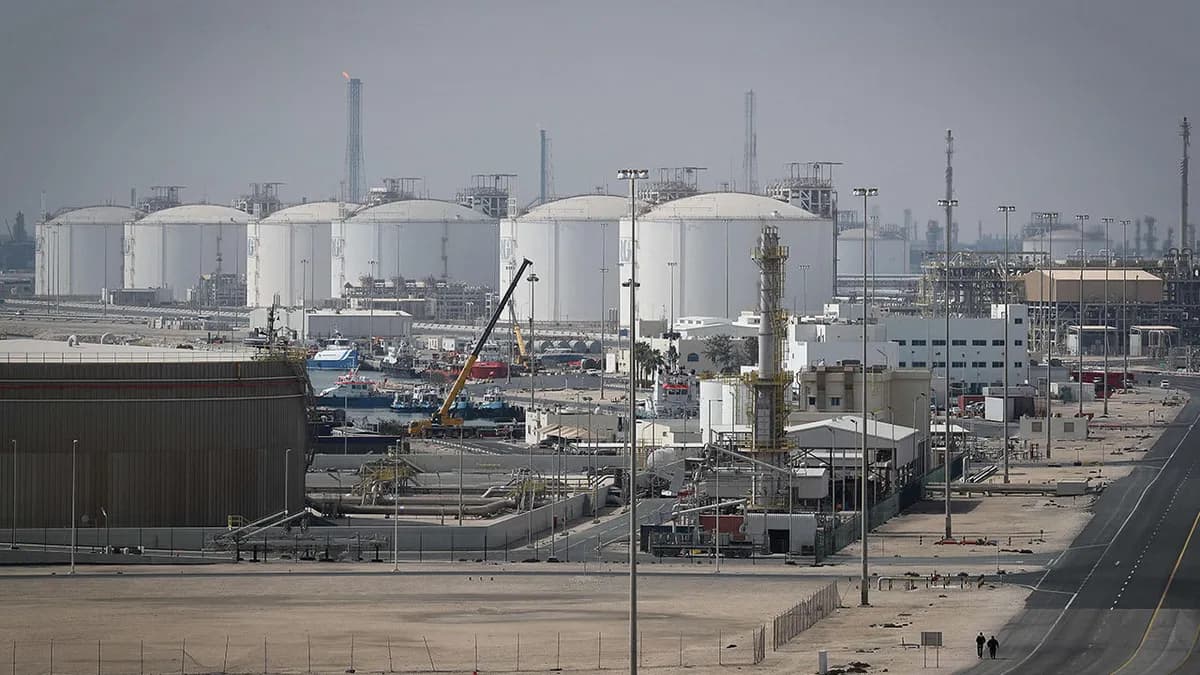
- •Qatar indicated the possibility of declaring force majeure for up to 5 years on long-term supply contracts with South Korea and others, as Iranian attacks destroyed 17% of LNG production facilities.
- •If Qatari supplies—which account for 14.9% of South Korea's LNG imports—are disrupted, gas and electricity rate increases and energy supply disruptions appear inevitable.
- •As Middle East conflicts expand to attacks on energy infrastructure, instability is escalating across the entire global LNG market.
Middle East Conflict Deals Direct Blow to Korea's Energy Supply
Qatar has indicated the possibility of declaring 'force majeure' for up to five years on long-term supply contracts with major LNG importing countries, including South Korea. This comes as the country's LNG production facilities suffered severe damage from Iranian retaliatory attacks. Saad al-Kaabi, CEO of QatarEnergy, stated on the 19th (local time) that "we may have to declare force majeure on long-term LNG supply contracts to South Korea, Italy, Belgium, and China."
Force majeure is a clause that exempts parties from legal liability when they cannot fulfill contractual obligations due to uncontrollable circumstances such as war or natural disasters. If Qatar actually invokes this provision, it would inevitably create a direct gap in South Korea's LNG supply.
Ras Laffan Facility Attack Results in 17% Production Capacity Loss
This incident began as retaliation for Israel's attack on Iran's South Pars gas field. Iran launched missiles targeting Qatar's Ras Laffan gas storage facility on the 18th, directly damaging two of 14 production lines. CEO al-Kaabi stated that "facilities responsible for approximately 17% of LNG export capacity have been destroyed, and recovery will take 3 to 5 years."
He remarked, "We never imagined Qatar would be subjected to such an attack," adding "especially during Ramadan, we never expected to receive this type of attack from a brother Muslim nation." This demonstrates that energy infrastructure in the Middle East can become a direct target of geopolitical conflicts.
South Korea Hit as Qatar Ranks Third in LNG Imports
Qatari LNG accounts for 14.9% of South Korea's 2025 LNG imports, ranking third. This follows Australia (31.4%) and Malaysia (16.1%) as the third-largest volume. Out of total imports of 46.72 million tons, approximately 7 million tons come from Qatar.
The problem extends beyond simple supply disruption to its ripple effects. While the government has activated an emergency supply task force and begun managing reserves, the situation looks challenging after April when supply disruptions are expected to materialize. Korea Gas Corporation and other importers must secure alternative volumes in the spot market, where Asian LNG spot prices are already surging.
With the de facto blockade of the Strait of Hormuz combined with damage to Qatari facilities, the entire global LNG market has become unstable. Growing supply shortage concerns will inevitably lead to price increases, which will directly translate into pressure for gas and electricity rate hikes.
Historical Context of Middle East Energy Conflicts
This is not the first time energy facilities in the Middle East have become conflict targets. A prime example is the "Tanker War" attacks in the Persian Gulf during the 1980s Iran-Iraq War. Both countries attacked each other's oil export facilities and tankers, causing international oil prices to surge.
In 2019, key facilities of Saudi Arabia's state oil company Aramco—the Abqaiq and Khurais refineries—were struck by drone attacks, halting more than half of Saudi oil production. While Yemen's Houthi rebels were identified as perpetrators, suspicions of Iranian backing escalated US-Iran tensions.
The current Qatar incident signifies that the proxy war between Iran and Israel has expanded into a phase threatening the entire region's energy infrastructure. The impact is spreading beyond the Middle East to the entire global energy market, particularly given that Qatar accounts for approximately 25% of global LNG exports.
Future Outlook [AI Analysis]
If Qatar's force majeure declaration becomes reality, Asian LNG importing countries including South Korea will likely face urgent pressure to diversify supply sources. While increased US or Australian LNG volumes are mentioned as alternatives, securing substitute volumes in the short term will be challenging given the already rigid global supply chain.
The South Korean government will respond in the short term through reserve utilization and expanded spot market purchases, but medium to long-term supply diversification and energy security system reorganization are inevitable. This could particularly serve as an opportunity to accelerate renewable energy transition and intensify development of next-generation energy sources such as small modular reactors (SMRs).
Internationally, diplomatic efforts are expected to strengthen to prevent Middle East conflicts from being weaponized through energy. However, as long as the fundamental US-Iran conflict structure remains unresolved, instability surrounding Middle East energy infrastructure will likely persist. For South Korea, this incident marks a critical moment to reassess energy security at the national security level.
댓글 (3)
불안한 시기에 정확한 보도가 중요합니다. 좋은 기사 감사합니다.
걱정이 많이 되네요. 좋은 지적입니다.
이 위기를 어떻게 극복할 수 있을지 전문가 의견이 더 필요합니다.
More in Global

Latest News
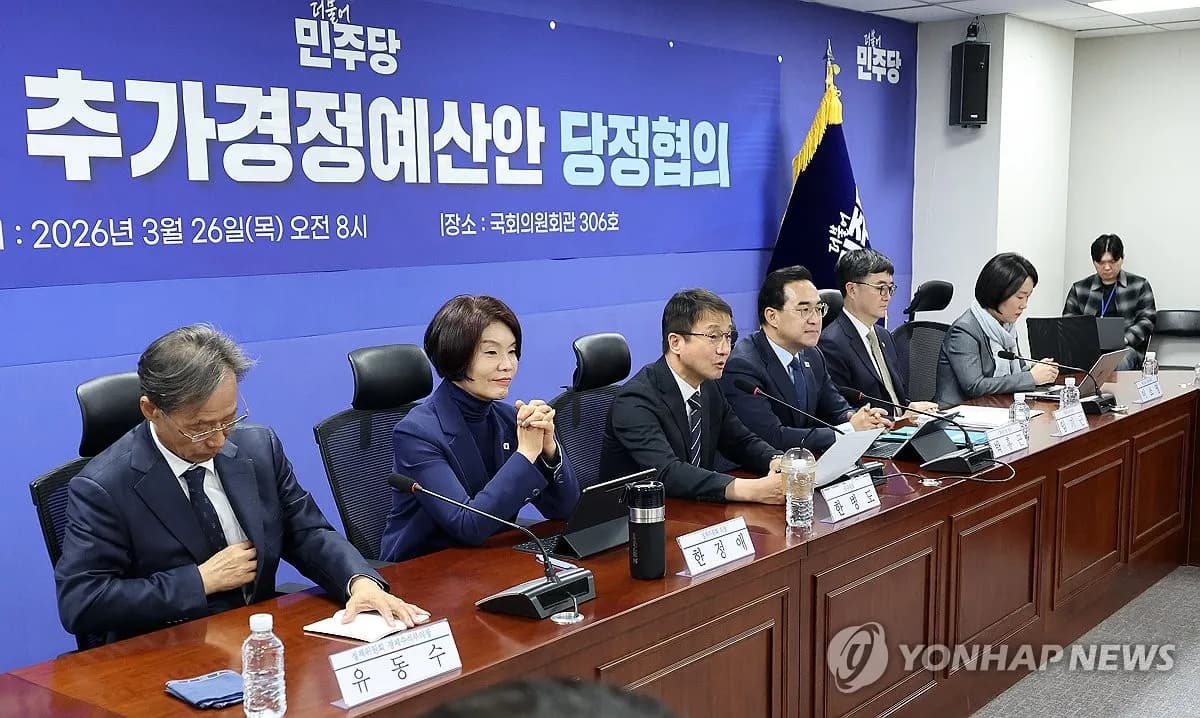
당정, 석유 최고가격제 손실 보전을 추경에 반영키로
당정이 석유 최고가격제 손실을 추경에 반영하기로 결정

6년 전 세 살 딸 살해한 30대 친모 구속송치
경찰, 6년 전 세 살 딸 살해 혐의 30대 친모를 구속송치

中企 수입 나프타의 80% 이상이 중동산…공급망 위기 심화
중소기업 수입 나프타의 80% 이상이 중동산으로 공급 의존도 높음

미·이란 긴장 한 달, 금융시장 요동…장기화 우려
미·이란 갈등으로 증시 변동성 확대, 코스피 6천 고지 후 등락

미·이란 전쟁 한 달, 미국 전문가 "종전·확전 기로"
미·이란 전쟁 1개월 도래, 종전·확전 기로 평가

미·이란 전쟁 1개월, 한국 안보·공급망 취약점 노출
미·이란 전쟁 장기화로 한국 안보·경제 취약점 노출