Ruins of a 'Unique' Circular Water Temple Unearthed in Egypt's Sinai
A 35-meter Roman-era basin at ancient Pelusium reveals millennia of civilizational exchange
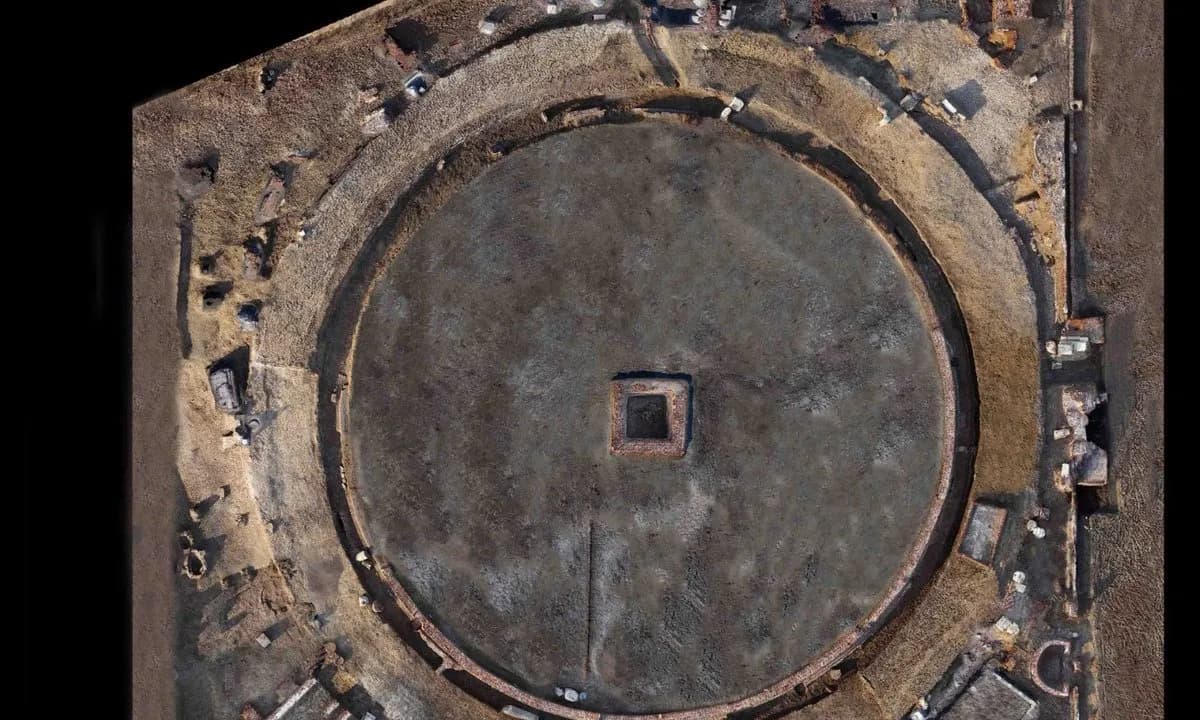
- •A circular water temple with a 35-meter basin has been discovered at the site of ancient Pelusium in Egypt's Sinai.
- •Built in the 2nd century CE using Roman construction methods, it blends Egyptian, Hellenic, and Roman architectural traditions.
- •Experts say further research is needed to fully identify the deity worshipped and the rituals performed at the site.
Six Years of Excavation, One Extraordinary Discovery
After six years of painstaking excavation at Tell el-Farama — the site of ancient Pelusium in northern Sinai — an Egyptian archaeological team has uncovered the remains of a circular water temple unlike any previously documented in the region. Egypt's Supreme Council of Antiquities has described the find as an "exceptional embodiment of the civilised interaction between Egypt and the ancient world."
A Sacred Basin Tied to the Nile
At the heart of the discovery is a large circular basin approximately 35 meters in diameter, once connected to the Pelusiac Nile — the easternmost branch of the ancient Nile Delta. Researchers believe the connection to the river may have reflected a symbolic link to the local deity Pelusius, whose name derives from the Greek word for clay, suggesting he was a fertility god closely tied to the Nile's natural forces.
Hisham Hussein, head of Egypt's Central Department for Maritime Antiquities and Sinai, said in a statement: "Ongoing excavation and comparative studies have completely changed our understanding of the site. We now know this was a sacred water installation used in religious rituals, not a political structure."
Initially Mistaken for a Senate Hall
When the structure first came to light in 2019, three thick circular benches inside a Greco-Roman building led researchers to believe they had found the headquarters of Pelusium's Senate Council. Subsequent excavations, consultations with experts at Sorbonne University in Paris, and detailed comparisons with Hellenic and Roman architectural models overturned that interpretation entirely.
Pelusium: Where Civilizations Met
Founded around 800 BC on land reclaimed from the Nile Delta marshes, Pelusium served for centuries as both a military fortress and a trading crossroads. Its strategic value peaked during Egypt's Late Period (c. 664–610 BC). It later became a Roman provincial capital and an important center for early Christian communities. Today the site lies roughly 30 kilometers southeast of the modern city of Port Said.
The newly discovered temple dates to the second century CE. Its brick construction identifies it as Roman rather than Egyptian in origin, yet its design — described as uniquely blending ancient Egyptian traditions with Hellenic and Roman styles — speaks to the cultural complexity of the site.
A Thread Stretching Back to Alexander
The blending of Greek and Egyptian culture began in earnest after Alexander the Great's conquest of Egypt in 332 BC. The most vivid example is the deity Serapis, created in the third century BC by Ptolemy I Soter to bridge the two cultures. Combining aspects of Osiris, Apis, Zeus, Isis, and Hades, Serapis spread from Roman Britain to Syria by the second century BC.
The deity Pelusius, whose name also has Greek origins, similarly falls outside the traditional Egyptian pantheon — further evidence that this region was a crucible of cultural synthesis for centuries.
Expert Outlook
Hector Williams, a specialist in ancient Greek religion and professor emeritus at the University of British Columbia, acknowledges the circular form and water elements are unique but cautions that more research is needed. He notes the circular basin appears to be "mediated by a square base likely intended to hold a huge statue," and that the amalgam of Greek and Egyptian culture has been evident since the late fourth century BC.
As excavation continues, scholars expect additional evidence to emerge clarifying the temple's ritual function and the specific deity it honored — findings that could deepen our understanding of how religion, water, and cultural exchange intersected across the ancient Mediterranean world.
댓글 (64)
출퇴근길에 항상 읽고 있습니다.
of의 향후 전망이 궁금합니다.
읽기 좋은 기사입니다. Unique에 대해 처음 접하는 정보가 있었습니다. 주변에도 공유해야겠어요.
잘 읽었습니다. 고대 이집트이 앞으로 어떻게 전개될지 주목해야겠습니다. 계속 지켜봐야겠습니다.
고고학에 대해 더 알고 싶어졌습니다.
Ruins의 향후 전망이 궁금합니다. 잘 정리된 기사네요.
흥미로운 주제입니다. of 기사에서 언급된 사례가 흥미로웠습니다.
Unique에 대해 처음 접하는 정보가 있었습니다.
깔끔한 기사입니다. 고대 이집트 관련 해외 동향도 궁금합니다. 해외 동향도 함께 다뤄주시면 좋겠습니다.
참고가 됩니다. 고고학 관련 통계가 의외였습니다.
참고가 됩니다. Ruins 관련 데이터가 인상적이었습니다. 주변에도 공유해야겠어요.
of이 일상에 어떤 영향을 줄지 생각해보게 됩니다.
Unique 관련 해외 동향도 궁금합니다. 계속 지켜봐야겠습니다.
깔끔한 기사입니다. 고대 이집트 관련 데이터가 인상적이었습니다.
깔끔한 기사입니다. 고고학의 전문가 코멘트가 설득력 있었습니다. 다른 시각의 분석도 읽어보고 싶습니다.
참고가 됩니다. Ruins 기사에서 언급된 사례가 흥미로웠습니다. 다른 시각의 분석도 읽어보고 싶습니다.
좋은 정리입니다. of의 전문가 코멘트가 설득력 있었습니다.
Unique에 대해 주변 사람들과 이야기 나눠볼 만합니다.
고대 이집트 관련 용어 설명이 친절해서 좋았습니다.
북마크해두겠습니다. 고고학에 대한 다른 매체 보도와 비교해봐도 잘 정리되어 있습니다.
Ruins 관련 데이터가 인상적이었습니다.
기사 퀄리티가 좋습니다.
Unique에 대해 더 알고 싶어졌습니다. 좋은 기사 감사합니다.
고대 이집트에 대해 처음 접하는 정보가 있었습니다.
고고학의 전문가 코멘트가 설득력 있었습니다.
정리가 깔끔하네요.
of에 대한 다른 매체 보도와 비교해봐도 잘 정리되어 있습니다. 좋은 기사 감사합니다.
Unique 관련 데이터가 인상적이었습니다. 나중에 다시 읽어볼 만합니다.
이런 시각도 있었군요. 고대 이집트 기사에서 언급된 사례가 흥미로웠습니다. 나중에 다시 읽어볼 만합니다.
참고가 됩니다. 고고학에 대해 주변 사람들과 이야기 나눠볼 만합니다. 후속 기사 부탁드립니다.
유익한 기사네요. Ruins이 앞으로 어떻게 전개될지 주목해야겠습니다. 다른 시각의 분석도 읽어보고 싶습니다.
이런 시각도 있었군요. of이 일상에 어떤 영향을 줄지 생각해보게 됩니다.
흥미로운 주제입니다. Unique 관련 배경 설명이 이해하기 쉬웠습니다. 좋은 기사 감사합니다.
고대 이집트 관련 용어 설명이 친절해서 좋았습니다. 나중에 다시 읽어볼 만합니다.
잘 보고 있습니다.
기사 잘 읽었습니다.
of 관련 데이터가 인상적이었습니다.
Unique에 대해 더 알고 싶어졌습니다.
잘 읽었습니다. 고대 이집트에 대해 처음 접하는 정보가 있었습니다. 후속 기사 부탁드립니다.
북마크해두겠습니다. 고고학의 향후 전망이 궁금합니다.
Ruins 기사에서 언급된 사례가 흥미로웠습니다. 해외 동향도 함께 다뤄주시면 좋겠습니다.
참고가 됩니다. of 관련 용어 설명이 친절해서 좋았습니다.
Unique 관련 배경 설명이 이해하기 쉬웠습니다.
고대 이집트 관련 해외 동향도 궁금합니다.
고고학의 향후 전망이 궁금합니다.
좋은 정리입니다. Ruins이 앞으로 어떻게 전개될지 주목해야겠습니다. 후속 기사 부탁드립니다.
읽기 좋은 기사입니다. of에 대한 다른 매체 보도와 비교해봐도 잘 정리되어 있습니다. 후속 기사 부탁드립니다.
북마크해두겠습니다. Unique 주제로 시리즈 기사가 나오면 좋겠습니다.
잘 읽었습니다. 고대 이집트이 앞으로 어떻게 전개될지 주목해야겠습니다. 나중에 다시 읽어볼 만합니다.
고고학 관련 배경 설명이 이해하기 쉬웠습니다. 계속 지켜봐야겠습니다.
Ruins에 대해 주변 사람들과 이야기 나눠볼 만합니다.
of에 대한 다른 매체 보도와 비교해봐도 잘 정리되어 있습니다. 나중에 다시 읽어볼 만합니다.
Unique 관련 데이터가 인상적이었습니다. 전문가 의견도 더 듣고 싶습니다.
몰랐던 사실을 알게 됐습니다. 고대 이집트 주제로 시리즈 기사가 나오면 좋겠습니다. 생각이 바뀌었습니다.
잘 읽었습니다. 고고학에 대한 다른 매체 보도와 비교해봐도 잘 정리되어 있습니다. 좋은 기사 감사합니다.
Ruins 관련 해외 동향도 궁금합니다.
of 관련 용어 설명이 친절해서 좋았습니다.
읽기 좋은 기사입니다. Unique 관련 데이터가 인상적이었습니다.
고대 이집트 기사에서 언급된 사례가 흥미로웠습니다. 후속 기사 부탁드립니다.
참고가 됩니다. 고고학이 앞으로 어떻게 전개될지 주목해야겠습니다.
Ruins에 대한 다른 매체 보도와 비교해봐도 잘 정리되어 있습니다. 다른 시각의 분석도 읽어보고 싶습니다.
좋은 정리입니다. of 관련 용어 설명이 친절해서 좋았습니다. 생각이 바뀌었습니다.
댓글 보는 재미도 있네요.
이런 시각도 있었군요. 고대 이집트의 향후 전망이 궁금합니다.
More in Culture & Art
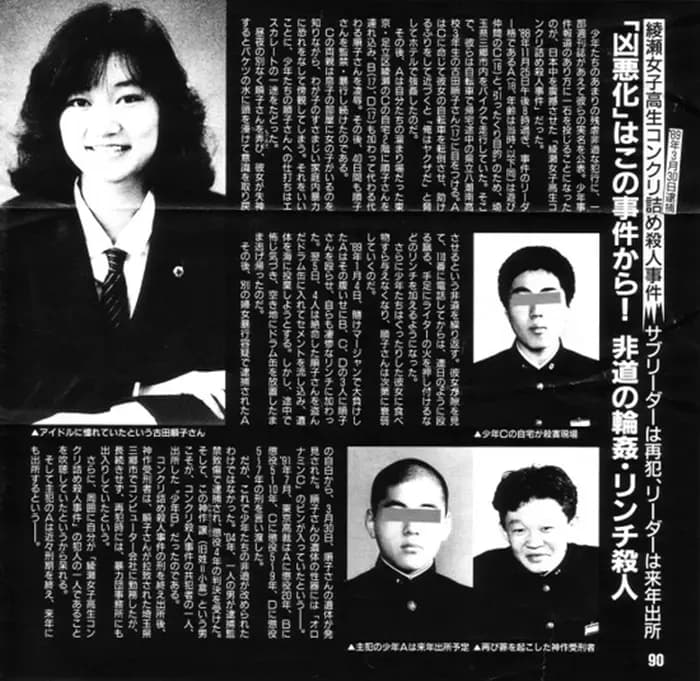
Famous Singer Arrested on Suspicion of Murdering Teenage Girl
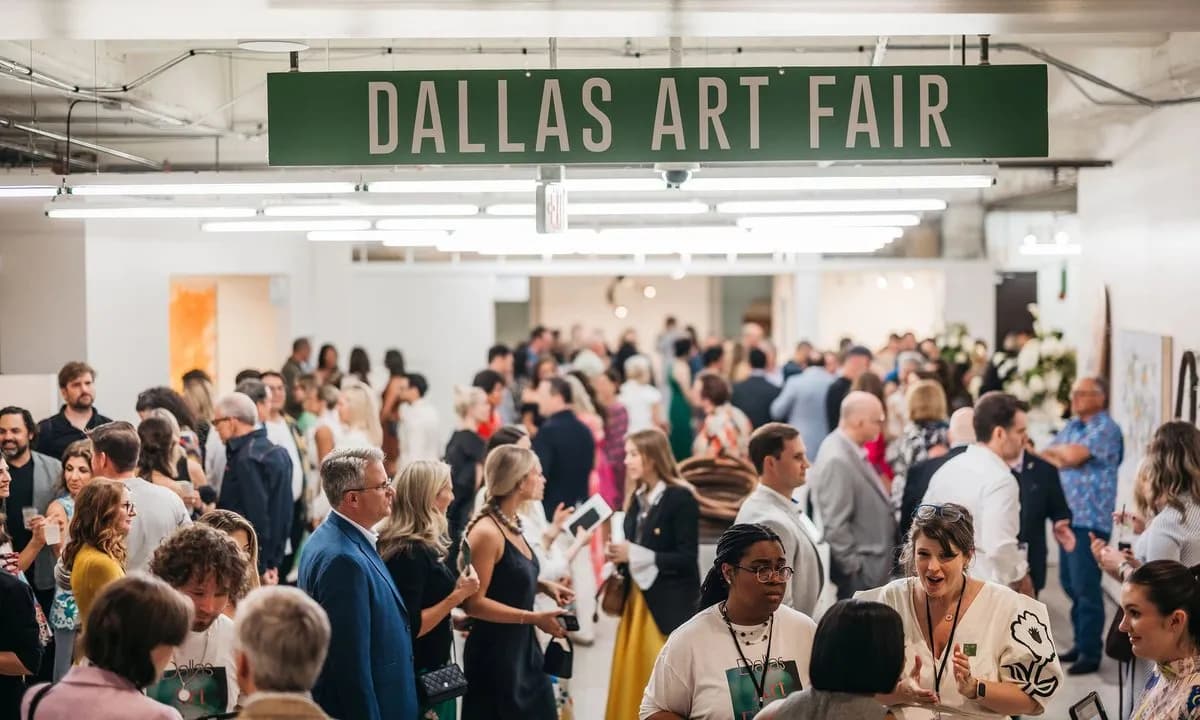
Dallas Art Fair Cements Its Role as Hub for Texas's Relationship-Driven Collectors
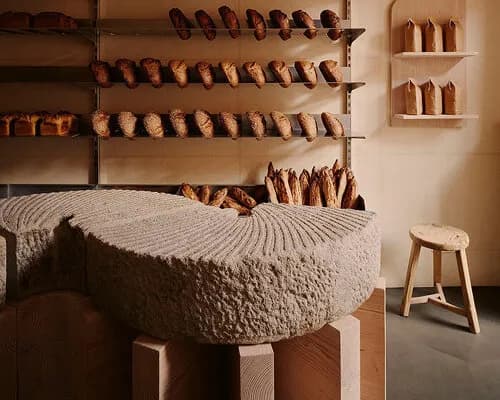
Berlin's KEIT Bakery Sculpts Space from Millstone and Washi Paper
Petroglyphs Over 4,000 Years Old Unearthed in Mexico, Bridging Toltec and Aztec Worlds
The Blooming Haus: A Home That Grows from Its Landscape
Brooklyn's Green-Wood Cemetery Opens Restored Victorian Greenhouse as Community Gateway
Latest News
이란 분쟁이 당긴 에너지 대전환의 방아쇠
이란의 호르무즈 해협 봉쇄로 전 세계 석유 공급 20%가 차단됐다.
휴전 첫날 이스라엘 드론, 레바논 남부 민간인 사살
미국 중재 휴전 발효 직후 이스라엘 드론이 레바논 남부 민간인을 사살했다.
현대차그룹, 방산·레거시 부품 팔고 로보틱스·AI 기업으로 변신
현대차그룹이 방산·레거시 부품 사업을 매각하고 로보틱스 기업으로 전환 중이다.
이란, 호르무즈 해협 개방 선언 수 시간 만에 '재봉쇄' 경고
이란이 호르무즈 해협 개방을 선언했으나 수 시간 만에 미국 봉쇄 지속 시 재폐쇄를 경고했다.
이란 '곡괭이산' 핵시설, 미-이란 핵협상의 최대 변수로 부상
이란 나탄즈 인근 '곡괭이산' 지하 핵시설이 미-이란 핵협상의 핵심 쟁점으로 부상했다.

파키스탄, 이란 협상단 귀환길에 전투기 24대 호위 전격 배치
파키스탄 공군이 전투기 24대로 이란 협상단 귀환을 호위, 이스라엘 공격 위협에 대응했다.
Mortgage Rates Show Signs of Falling After Iran War Peak
Markets find relief as Iran war truce talks emerge
코스피, 2주 만에 815포인트 급등 후 숨 고르기
코스피는 주간 5.68% 올라 2주 연속 상승, 2주 누적 상승률은 2008년 이후 최대.