Samsung Electronics and SK Hynix Surpass 40% of KOSPI Market Cap for First Time
Weight Doubles in One Year, Concerns Rise Over High Concentration and Volatility Compared to U.S. Market
- •Samsung Electronics and SK Hynix's combined market cap reached 40.61% of total KOSPI for the first time, surpassing the 40% threshold
- •Multiple tailwinds including NVIDIA GTC expectations, Micron earnings outlook, and Samsung Electronics' expanded shareholder returns drove the surge
- •Weight nearly doubled from 23.7% in March last year, raising concerns about large-cap concentration and index volatility
Two Semiconductor Giants Approach Half of KOSPI
The combined market capitalization of Samsung Electronics and SK Hynix surpassed 40% of the entire KOSPI for the first time on the 18th. As of market close, Samsung Electronics' market cap reached 1,234.2 trillion won, accounting for 25.22% of the total KOSPI (4,892.8 trillion won), while SK Hynix stood at 752.6 trillion won, representing 15.38%. Combined, the two companies totaled 1,986.9 trillion won, amounting to 40.61% of the entire securities market.
Samsung Electronics closed at 208,500 won, up 7.53% from the previous trading day, while SK Hynix rose 8.87% to 1,056,000 won. Just five days earlier on the 13th, the two companies' combined KOSPI market cap weight was 38.3%.
Multiple Tailwinds Drive Surge
The sharp price increase resulted from several converging positive factors. Overnight in New York, Micron surged 4.5% ahead of its earnings announcement, creating upward pressure on domestic semiconductor stocks. NVIDIA's ongoing annual developer conference 'GTC 2026' also improved investor sentiment across the semiconductor sector.
Particularly significant was Samsung Electronics' announcement at its regular shareholders' meeting of a 16 trillion won share buyback and cancellation in the first half, along with an additional 1.3 trillion won in dividends, which fueled shareholder return expectations. Nomura Securities' upward revision of Samsung Electronics' target price from 290,000 won to 320,000 won—its second increase in a month—also stimulated buying interest.
Lee Kyung-min, a researcher at Daishin Securities, analyzed: "Samsung Electronics confirmed a virtuous cycle where recent earnings improvements lead to enhanced shareholder returns. NVIDIA CEO Jensen Huang's hints at potential collaboration with Samsung Electronics and expressions of gratitude at GTC further improved investment sentiment across the semiconductor sector."
Weight Nearly Doubles in One Year
The concentration in large-cap stocks has intensified dramatically in recent months. The two companies' combined KOSPI market cap weight was just 23.7% in March last year, but has nearly doubled in approximately one year. During the same period, the ratio of the top 10 stocks by market cap expanded from 41.1% to 51.7%.
Jung Yong-taek, a researcher at IBK Securities, pointed out: "Compared to the U.S. S&P 500, where the top two stocks account for just over 10%, Korea's reality of two semiconductor stocks comprising 40% is a key factor amplifying index volatility."
The two companies also maintain solid positions in global market cap rankings. As of the close of regular trading on the Korea Exchange, Samsung Electronics' global market cap ranking rose one notch to 13th, while SK Hynix at 22nd is closely chasing Micron at 21st.
Structural Challenges Facing Korean Markets
The surge in these two companies' market cap weight reveals structural characteristics of Korea's stock market. With the semiconductor industry as a core pillar of the national economy and a main export driver, a structure is solidifying where global semiconductor market booms propel the entire domestic market.
The problem is that this concentration amplifies index volatility. While KOSPI surges when semiconductor conditions improve, the entire market can suffer significant damage when conditions deteriorate. Critics note that Korea's market shows relatively insufficient sector diversification compared to U.S. markets.
Industry observers evaluate this rally as the result of two factors converging: expectations of semiconductor industry recovery and enhanced shareholder returns, going beyond a simple stock price rally. The future trajectory of both companies' stock prices will depend on Samsung Electronics' foundry business recovery and the sustainability of SK Hynix's high bandwidth memory (HBM) demand.
댓글 (3)
Samsung 관련 기사 잘 읽었습니다. 유익한 정보네요.
기사 잘 봤습니다. 다른 시각의 분석도 읽어보고 싶네요.
and에 대해 더 알고 싶어졌습니다. 후속 기사 부탁드립니다.
More in Economy
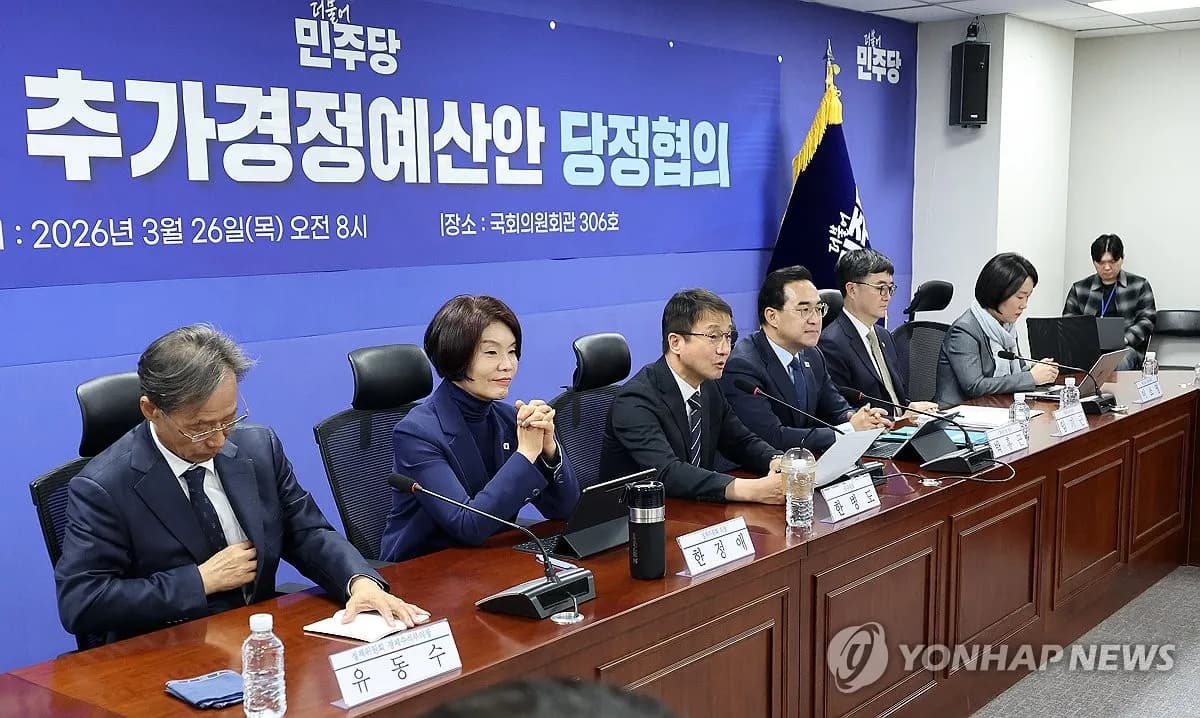
당정, 석유 최고가격제 손실 보전을 추경에 반영키로

미·이란 긴장 한 달, 금융시장 요동…장기화 우려
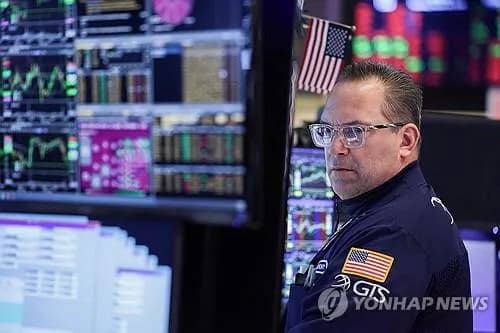
뉴욕증시 3대 지수 동반 상승…이란 휴전 기대감

Elon Musk's X recruits a cryptocurrency expert as head of design... ‘X Money’ launch imminent

BitGo-GK Sync plans to build ‘tokenized deposit’ infrastructure for banks

The other side of prediction markets: Ethical dilemmas of cryptocurrency platforms dealing in war and terrorism
Latest News
"간부 잘 아는데 교통비 좀" 휴가 군인들 돈 뜯은 50대 구속
50대 A씨가 휴가 중인 군인들에게 부대 간부를 아는 척 접근해 돈을 사취
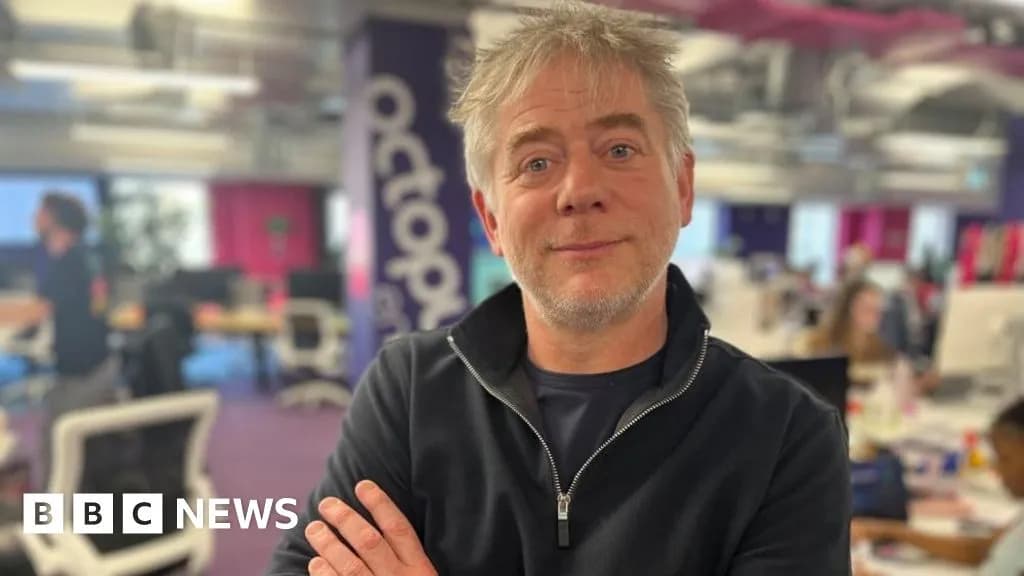
英 옥토퍼스, 이란 전쟁 이후 태양광 판매 50% 증가
이란 전쟁 이후 영국 옥토퍼스의 태양광 판매량 50% 증가
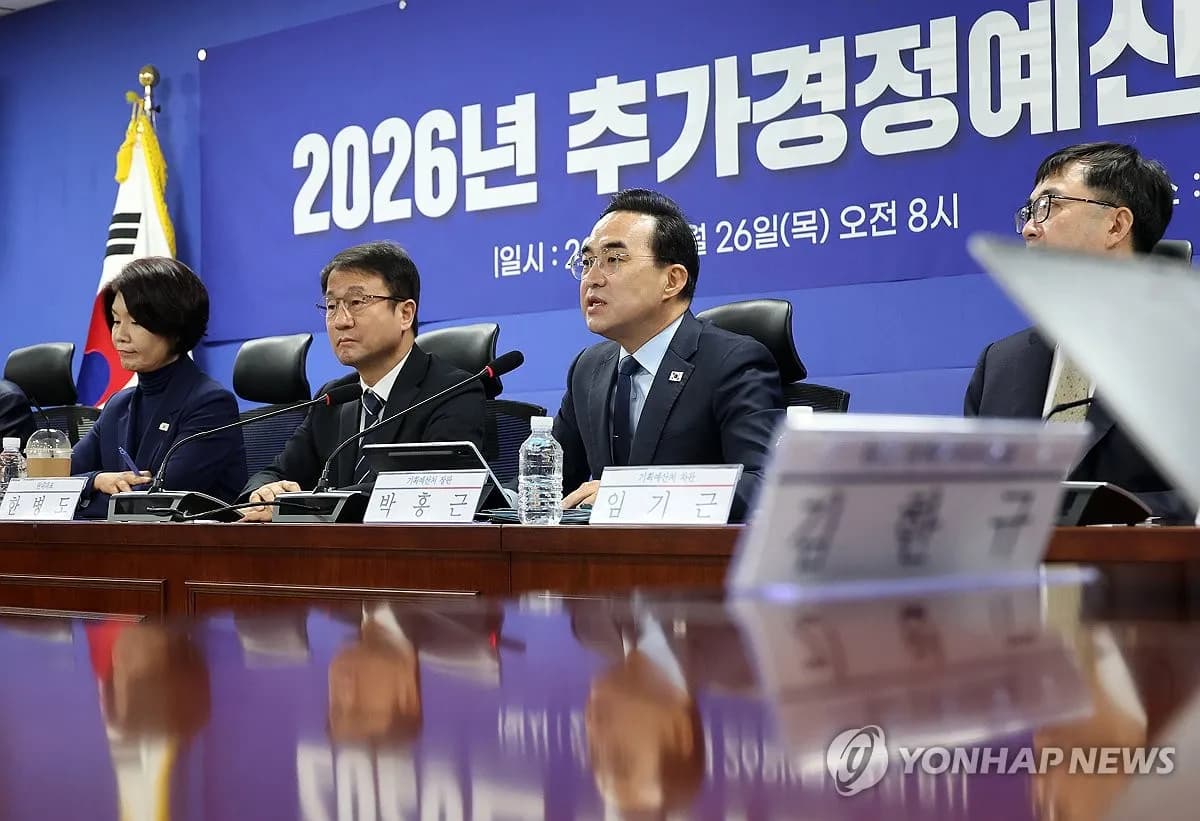
당정 "추경, 지방·취약계층에 더 지원되는 방식으로"
당정이 지방자치단체와 취약계층 중심의 추경 편성 방침 재확인
어머니 폭행하고 금팔찌 빼앗은 30대 아들 경찰에 붙잡혀
어머니 폭행 후 금팔찌 빼앗은 30대 남성 체포

아이티 갱단 폭력사태로 10개월간 5천명 이상 사망
아이티에서 지난 10개월간 갱단 폭력으로 5천명 이상 사망
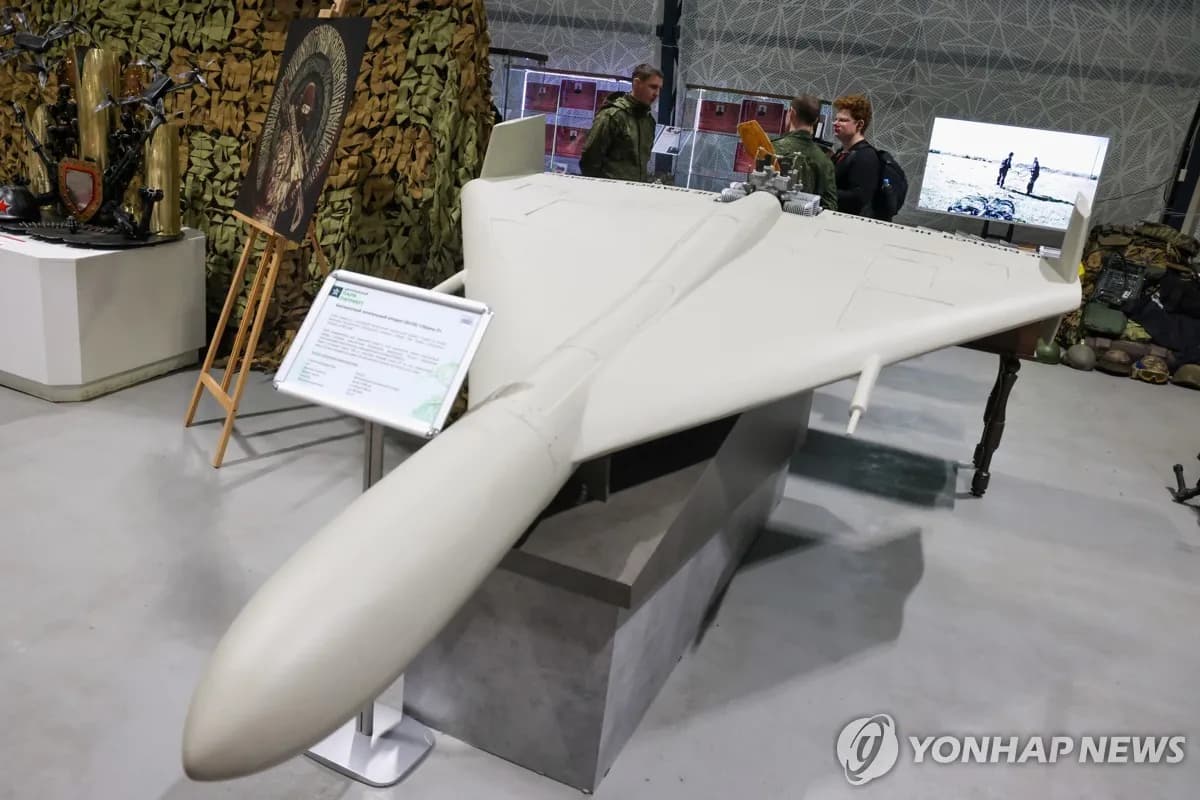
서방 정보당국 "러시아, 우크라이나 전쟁 후 이란에 드론·식량 공급"
서방 정보당국, 러시아의 이란 드론·식량 공급 작업 거의 완료 파악

6년 전 세 살 딸 살해한 30대 친모 구속송치
경찰, 6년 전 세 살 딸 살해 혐의 30대 친모를 구속송치

中企 수입 나프타의 80% 이상이 중동산…공급망 위기 심화
중소기업 수입 나프타의 80% 이상이 중동산으로 공급 의존도 높음