Six years after the declaration of COVID-19 as a public health emergency of international concern, is the world better prepared for the next pandemic?
WHO, ‘There is progress, but it is still uneven and vulnerable’… Effectiveness of pandemic agreement and financial support are key tasks
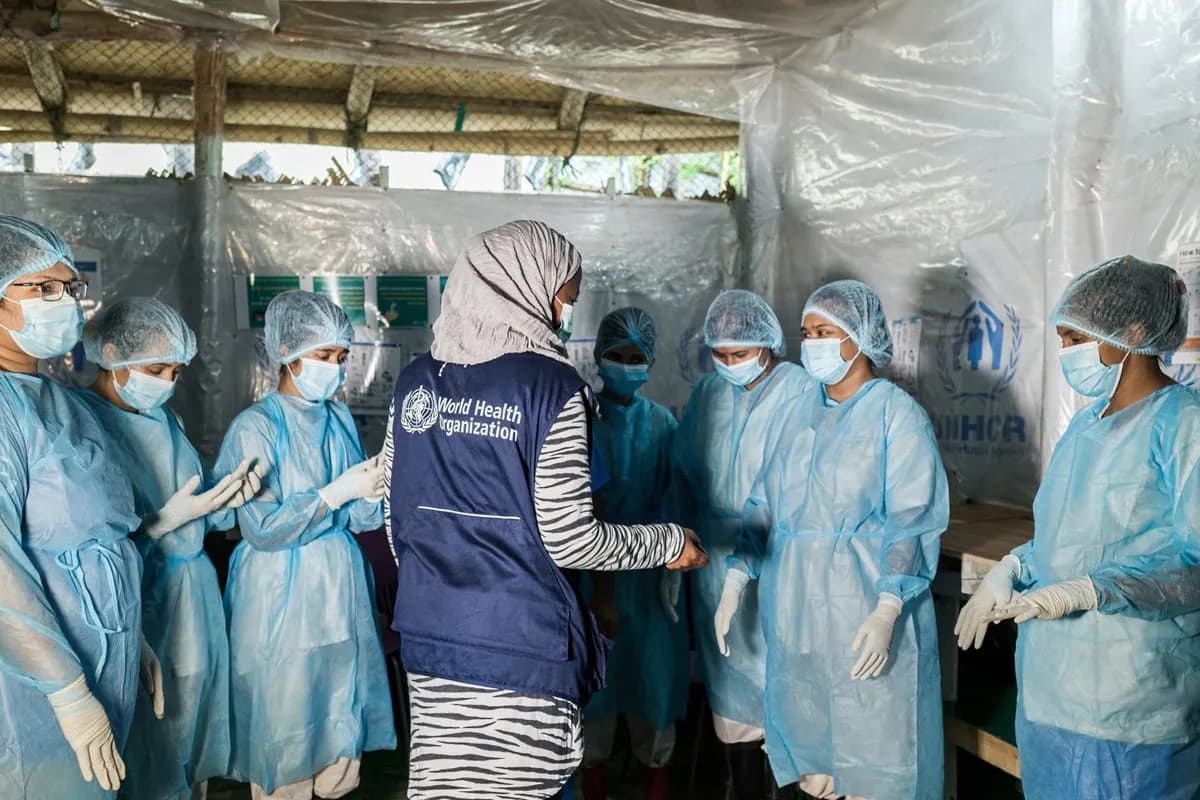
- •WHO checks status of pandemic preparedness on 6th anniversary of COVID-19 emergency declaration
- •There is progress, including the adoption of a pandemic agreement, but implementation and securing finances are challenges
- •Korea is expanding its contribution to global health through biomanufacturing training hubs, etc.
On that day 6 years ago, the world stopped
On January 30, 2020, the Director-General of the World Health Organization (WHO) declared a 'Public Health Emergency of International Concern (PHEIC)', the highest level of alert under international law at the time. It was a signal for the global spread of the new coronavirus infection, a disease that would later be called COVID-19. Although PHEIC was lifted in May 2023, memories of this pandemic, which killed millions of people worldwide, are still vivid.
Now, six years later, WHO asks itself and countries around the world: “Is the world better prepared for the next pandemic?”
A reality where progress and limitations coexist
In his opening remarks at the 158th Executive Board meeting, WHO Director-General Tedros Adhanom Ghebreyesus said, "The pandemic has left many lessons for all of us. In particular, global threats require a global response," and emphasized, "Solidarity is the best immunity."
WHO's answer is 'yes and no'. Although concrete progress has been made, that progress is uneven and still weak.
Achievements achieved after COVID-19
Adoption of the Pandemic Agreement: In May 2025, the historic WHO Pandemic Agreement was adopted. The agreement presents a comprehensive approach to pandemic prevention, preparedness and response and aims to simultaneously improve global health security and equity. Currently, member countries are negotiating the annex to the 'Pathogen Access and Benefit Sharing (PABS) System' ahead of this year's World Health Assembly.
Revision of the International Health Regulations (IHR): The amendment to the International Health Regulations, which strengthens each country's response capacity, came into effect in September 2025.
Pandemic Fund Operation: The Pandemic Fund, jointly established by WHO and the World Bank, provided a total of more than $1.2 billion (approximately KRW 1.74 trillion) in subsidies over three rounds. This has triggered an additional investment of $11 billion (approximately 15.95 trillion won), and 67 projects are underway in 98 countries in 6 regions.
AI-based surveillance system: WHO's pandemic and infectious disease information hub has significantly updated the 'Open Source Infectious Disease Information (EIOS)' system using artificial intelligence (AI) to help more than 110 countries detect and respond to new threats more quickly.
Expanding Genomic Surveillance Capacity: Through the International Pathogen Surveillance Network, more than 110 countries have strengthened their genomic surveillance capacity to track pathogens with pandemic potential.
Biohub expansion: The WHO Biohub has expanded into a trusted global mechanism, delivering 25 samples to 13 laboratories with support from 30 countries. Since its launch in late 2020, 34 types of variants have been secured, including SARS-CoV-2, mpox, Oropushu virus, and MERS coronavirus.
When did this trend start?
Strengthening the pandemic preparedness system began in earnest with the COVID-19 crisis in 2020, but its roots run deeper. Following the SARS outbreak in 2003, H1N1 in 2009, and Ebola in 2014, the international community has recognized the loopholes in the infectious disease response system.
However, COVID-19 has clearly revealed the limitations of the existing system. Structural problems such as delays in initial information sharing, competition to secure medical supplies, and vaccine inequality have surfaced. Accordingly, in 2021, the World Health Assembly began negotiations on a pandemic agreement, and after four years of discussion, an agreement was reached in 2025.
Capacity building infrastructure, including the mRNA technology transfer hub (Cape Town, South Africa) and training center (Seoul, Korea), the WHO Academy in France, and the global biomanufacturing training hub jointly established by Korea and WHO, was also intensively built during this period.
Impact on Korea
Korea is playing an important role in strengthening the pandemic preparedness system. The mRNA Technology Training Center and Global Biomanufacturing Training Hub established in Seoul are contributing to increasing the vaccine and biological medicine manufacturing capabilities of human resources in developing countries. This serves as an opportunity to raise K-Bio's global status and strengthen Korea's position as a 'contributor' in global health governance.
Additionally, once the Pandemic Agreement's PABS system comes into effect, international norms will be established for sharing pathogen samples and access to medical response measures. This could serve as a legal basis for Korea to more quickly secure vaccines and treatments in the event of a new infectious disease outbreak in the future.
Future outlook [AI analysis]
Despite progress, challenges remain. The pandemic agreement has been adopted but has not yet entered into force, and if the PABS system negotiations are difficult, the signing process is likely to be delayed.
Securing continued financial resources for the pandemic fund is also uncertain. There is a risk that international donations in the health sector will be reduced amid the global economic slowdown and financial pressures on each country.
Above all, the ‘unevenness’ of preparedness capabilities is a key vulnerability. Gaps in surveillance capacity, medical infrastructure, and vaccine production capacity remain between developed and developing countries. When the next pandemic occurs, this gap could once again lead to 'vaccine nationalism' or a scramble for medical supplies.
WHO's assessment that "there is progress but it is weak" reflects this reality. We don't know when the next pandemic will come, but the consensus among experts is that it will definitely come. The speed at which the remaining challenges are resolved will likely determine humanity's ability to respond.
댓글 (3)
이 위기를 어떻게 극복할 수 있을지 전문가 의견이 더 필요합니다.
불안한 시기에 정확한 보도가 중요합니다. 좋은 기사 감사합니다.
경제 상황이 좋지 않은데, 정부의 대응이 아쉽습니다.
More in Global
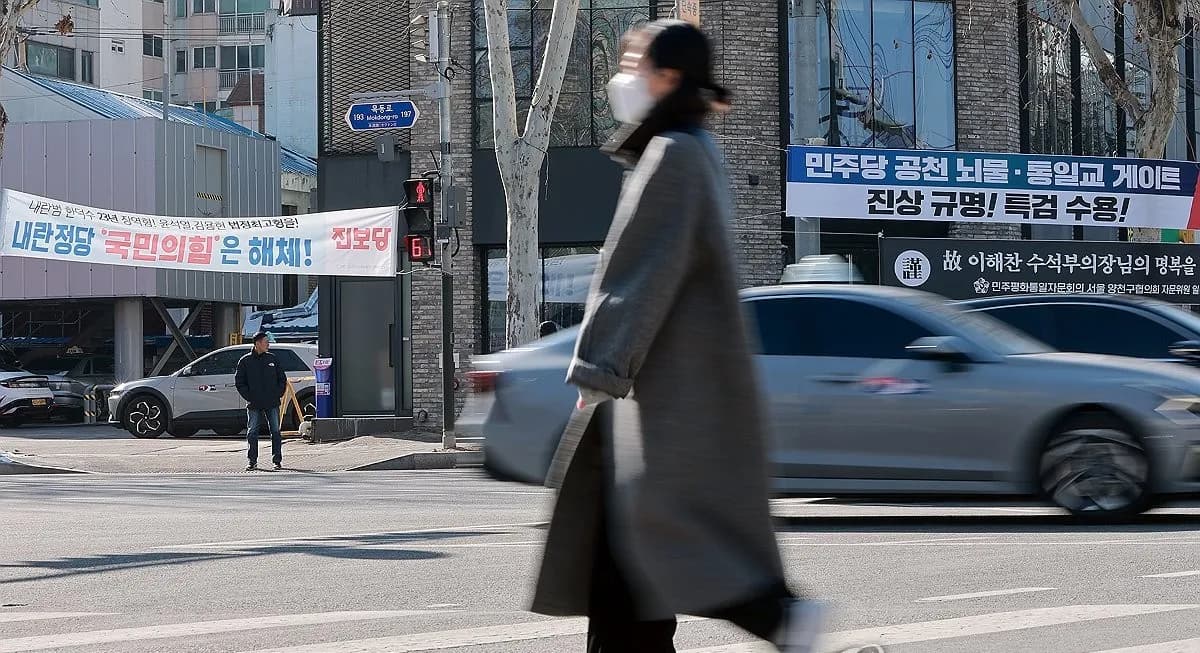
Election Banner Crisis Looms as Middle East Naphtha Shortage Hits Minor Parties

4 out of 10 Industrial Deaths Due to Falls...Over 200 Workers Die Annually from Workplace Falls
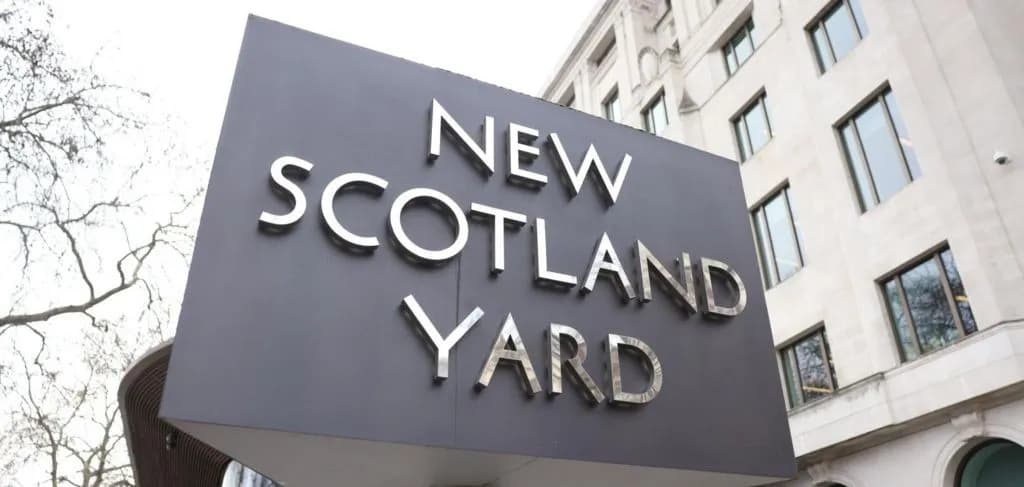
18 Arrested at Palestine Support Protest Outside London Police Headquarters
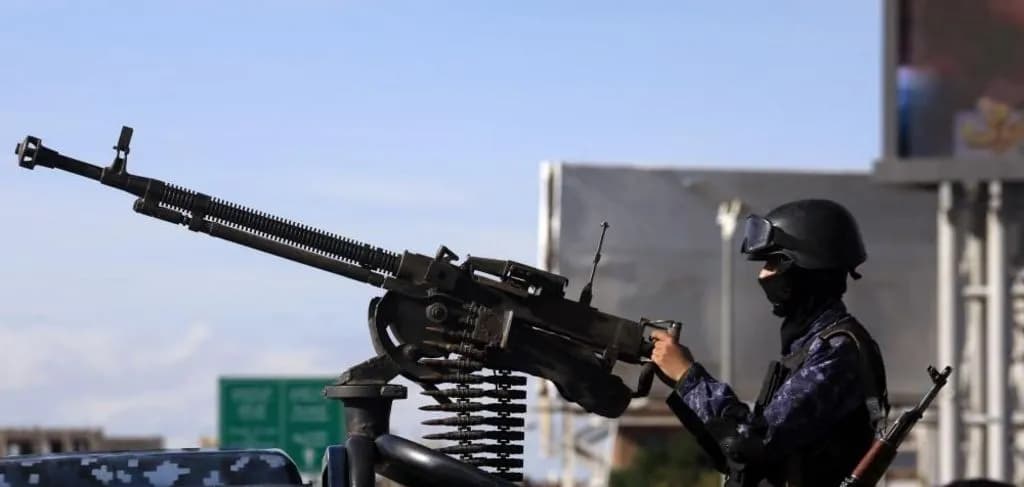
Iran-backed Houthis Join War with Attack Against Israel
Pope Leo XIV Warns 'War Is Result of Idolatry of Power and Money' During Monaco Visit

Pro-Israel Extremist Arrested for Molotov Cocktail Attack Attempt on Palestinian Activist's Home in New York
Latest News

Scotland Suffer Shock Defeat to Japan Ahead of World Cup Return
Scotland rugby team suffers defeat to Japan with poor performance ahead of World Cup

Iran Crisis Fuels Market Volatility Amid Oil Price Concerns
Global and domestic markets face volatility from Iran-triggered oil crisis

Former UK Minister Josh Simons Resigns Over Journalist Investigation Controversy
Former UK Minister Josh Simons resigns over journalist investigation controversy

11-Year-Old Lebanese Boy Killed in Israeli Strike Buried Amid Tears and Defiance
11-year-old Jawad Younes and uncle Ragheb killed in Israeli strike on Lebanon

US 'Looksmaxxing' Influencer Clavicular Arrested on Battery Charges in Florida
Looksmaxxing influencer Clavicular (Peters) arrested in Florida on battery charges

Zelensky Visits Gulf States as Iran Strikes Ukrainian Drone Defense Facility in UAE
Iran strikes Ukrainian drone defense facility in UAE during President Zelensky's Gulf tour