South Korea-China Relations Normalization: Economic Cooperation Must Shift to 'Practical Benefits'
Amid expectations for lifting the Korea ban, seeking mineral security and high-tech cooperation... Traditional manufacturing-centered structure shows limitations
- •While the South Korea-China summit has raised expectations for lifting the Korea ban, experts point out that obtaining economic benefits requires moving beyond the past manufacturing-centered structure.
- •As Chinese tourists' consumption patterns shift toward personalization and experience-focus, the tourism and content industries need to transition to cooperation models centered on joint production and co-investment.
- •Securing supply chain stability for core minerals like rare earth elements and cooperation with China in Global South expansion are emerging as new opportunities.
Post-Summit Challenge: 'Economic Practicality'
While the South Korea-China summit has opened the door to restoring political and diplomatic relations, including the lifting of the Korea ban (限韓令), achieving substantial economic results remains challenging. This is because China is accelerating technological self-reliance and industrial internalization, reducing external dependence, while Chinese consumer behavior has undergone significant changes.
Experts emphasize that now is the time to shift from the past vertical cooperation structure centered on manufacturing to a horizontal cooperation structure encompassing content, services, and finance.
Tourism and Retail Industries Focus on Changing Consumption Patterns
As momentum builds for lifting the Korea ban, the retail industry—including fashion and beauty—is receiving the most attention. However, experts point out that simply approaching this in terms of increasing Chinese tourist numbers or sales recovery has limitations.
Kim Se-yeon, a cultural critic and advisor to this publication, explained, "Chinese tourists' preferences have shifted from group tours and duty-free shopping to personalized experiences and emotional consumption. Now, 'what kind of experience can I have and what scenes can I record' has become the criterion for consumer choice, rather than 'what to buy.'"
As the trend strengthens where travel routes and consumption plans are determined through SNS and short-form content before the trip even begins, the culture and content industries are advised to move beyond promotion-focused strategies and develop plans that implement actual experience routes and journeys.
Professor Seo Won-seok of Kyung Hee University's College of Hotel and Tourism Management predicted, "Along with recovery in duty-free, hotel, and retail sectors, considering the cultural experience demand of young Chinese consumers, a new form of travel could emerge that combines tourism, K-content, and lifestyle consumption."
Professor Lee Seul-gi of Sejong University's Department of Hotel and Tourism Management advised, "Content and incentive elements to induce repeat visits from individual Chinese tourists will be designed in various ways. A strategy is needed to simultaneously increase per-person spending and length of stay, targeting high-quality-preferring Chinese tourists who had a smaller share than in the past."
Content Industry: Structural Shift to Joint Production and Co-investment
The need for advancement in Korean Wave content is also being raised. Professor Lee Seul-gi analyzed, "Given that China possesses vast historical and cultural resources, there is significant room to create new cooperation models when combined with Korea's format and systems."
Professor Seo Won-seok anticipated, "As cooperation methods such as joint production, co-investment, and technology collaboration expand, the existing export-centered structure is likely to transform into a co-production structure. This could be an opportunity to broaden business models and strengthen K-content's international influence."
Critic Kim Se-yeon emphasized, "It's difficult to maintain competitiveness solely through the past method of producing finished content and supplying it to China. How companies design their collaboration methods with Chinese platforms, entry formats, and operational structures is likely to become a criterion for corporate evaluation."
Limited Stock Market Response
In the stock market, the South Korea-China summit is being assessed as a major diplomatic event but one without 'surprises.'
Park Su-hyun, a researcher at KB Securities, judged, "While traditionally strong sectors like K-beauty and K-food may see improvements considering existing trends, it will be difficult to expect the growth levels seen before the THAAD deployment."
Researcher Park continued, "Chinese companies' technological capabilities and cost competitiveness have improved significantly, and in entertainment and media, there are no clear signs of China lowering regulations or standards for Korean content. It seems premature to say we'll see strong upward trends right now."
Baek Gwan-yeol, senior researcher in LS Securities' Investment Strategy Team, also assessed, "Dependence on exports to China has decreased compared to the past. Even if China's economy grows, the intensity of benefits our economy receives has weakened compared to the past."
Industry Seeks Supply Chain Stability and Advanced Technology Cooperation
In the industrial sector, opinions have been raised about jointly exploring supply chain stability with China.
Jung Eun-mi, senior research fellow at the Korea Institute for Industrial Economics & Trade, stated, "There is room for cooperation between Korea and China in terms of supply chain stability, including raw materials and global export regulations. As China redirects surplus inventory from sluggish domestic consumption to overseas exports, we need to manage situations where large quantities of low-priced goods flow into the domestic market or products that haven't been sufficiently verified for quality and safety enter."
Securing rare earth elements is identified as a key variable. Research Fellow Jung diagnosed, "China is tightening control not only over rare earth raw materials but also processing technology and product exports. Korea's rare earth import dependence is around 80%, much higher than Japan. Japan has secured alternative supply chains and reduced dependence to 60%, but Korea still has a vulnerable structure."
She added, "As advanced industries expand, securing rare earth elements could become a factor that determines production itself, not just a price issue."
The Global South market was also presented as an opportunity. Research Fellow Jung stated, "The key to overseas expansion is ultimately resources and minerals. There is room to create cooperation models with China in the process of securing stable mineral sources in the Global South."
Future Outlook [AI Analysis]
For the normalization of South Korea-China relations to lead to economic practicality, it appears necessary to move away from the past manufacturing-centered cooperation structure and build a horizontal cooperation model encompassing content, services, and advanced technology.
In particular, tourism and content strategies aligned with Chinese consumers' shift toward personalized, experience-centered consumption patterns, securing supply chain stability for core minerals like rare earth elements, and strategic cooperation in Global South expansion are likely to become important tasks.
However, considering China's accelerating technological self-reliance and domestic market protection stance, it will be difficult to expect dramatic economic results in the short term. An approach that gradually builds a mutually beneficial cooperation structure from a long-term perspective is needed at this juncture.
댓글 (4)
흥미로운 주제입니다. 주변에도 공유해야겠어요.
기사 잘 봤습니다. 다른 시각의 분석도 읽어보고 싶네요.
공감합니다. 참고하겠습니다.
간결하면서도 핵심을 잘 정리한 기사네요.
More in Economy
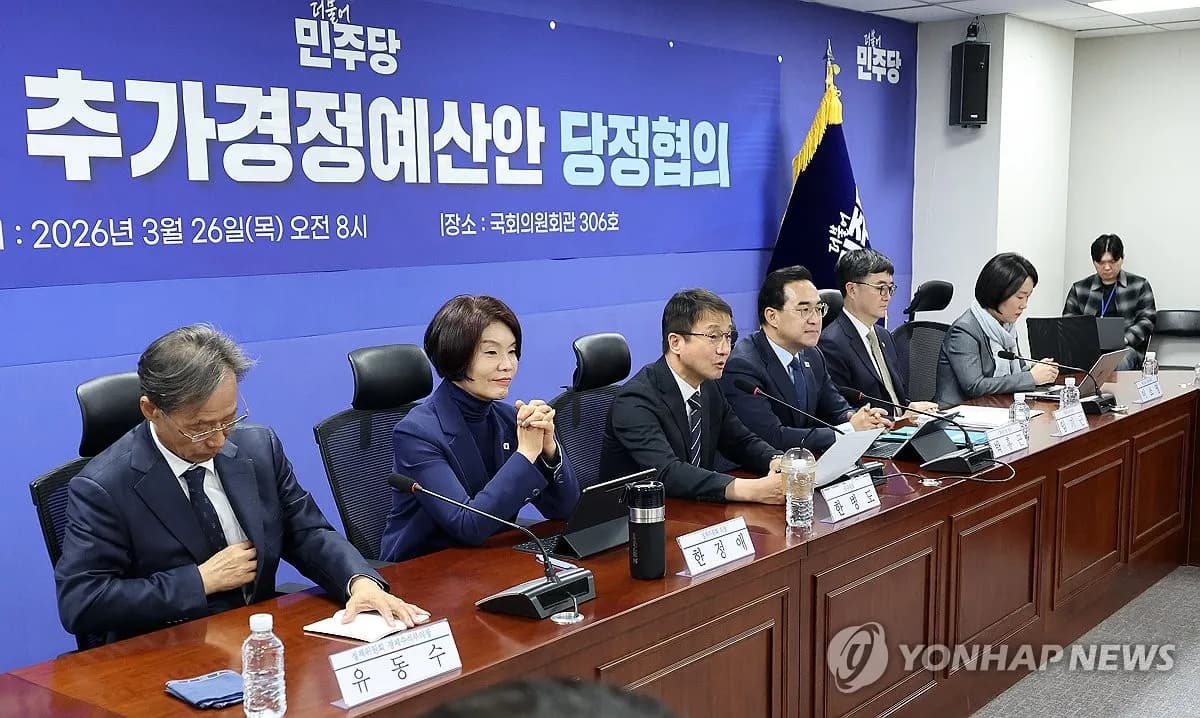
당정, 석유 최고가격제 손실 보전을 추경에 반영키로

미·이란 긴장 한 달, 금융시장 요동…장기화 우려
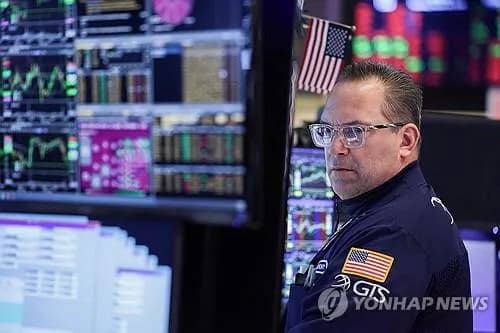
뉴욕증시 3대 지수 동반 상승…이란 휴전 기대감

Elon Musk's X recruits a cryptocurrency expert as head of design... ‘X Money’ launch imminent

BitGo-GK Sync plans to build ‘tokenized deposit’ infrastructure for banks

The other side of prediction markets: Ethical dilemmas of cryptocurrency platforms dealing in war and terrorism
Latest News
"간부 잘 아는데 교통비 좀" 휴가 군인들 돈 뜯은 50대 구속
50대 A씨가 휴가 중인 군인들에게 부대 간부를 아는 척 접근해 돈을 사취

英 옥토퍼스, 이란 전쟁 이후 태양광 판매 50% 증가
이란 전쟁 이후 영국 옥토퍼스의 태양광 판매량 50% 증가
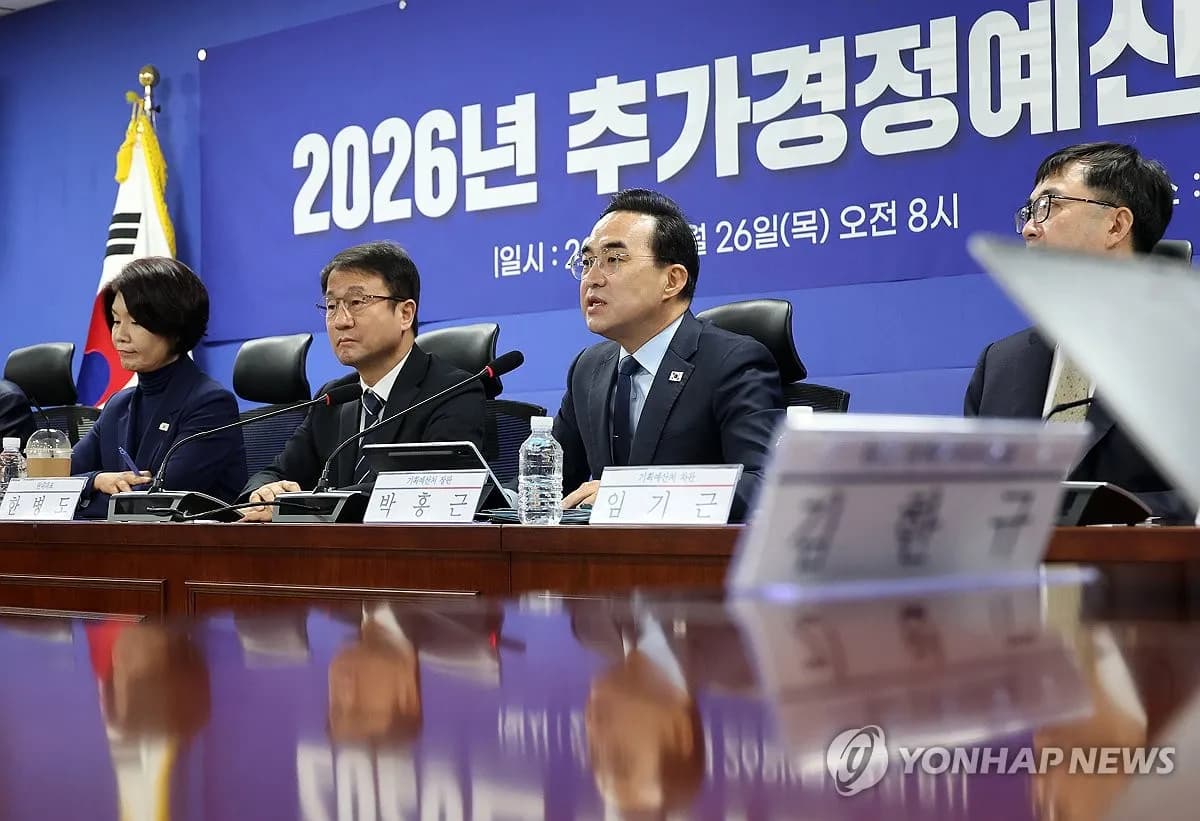
당정 "추경, 지방·취약계층에 더 지원되는 방식으로"
당정이 지방자치단체와 취약계층 중심의 추경 편성 방침 재확인
어머니 폭행하고 금팔찌 빼앗은 30대 아들 경찰에 붙잡혀
어머니 폭행 후 금팔찌 빼앗은 30대 남성 체포
아이티 갱단 폭력사태로 10개월간 5천명 이상 사망
아이티에서 지난 10개월간 갱단 폭력으로 5천명 이상 사망
서방 정보당국 "러시아, 우크라이나 전쟁 후 이란에 드론·식량 공급"
서방 정보당국, 러시아의 이란 드론·식량 공급 작업 거의 완료 파악

6년 전 세 살 딸 살해한 30대 친모 구속송치
경찰, 6년 전 세 살 딸 살해 혐의 30대 친모를 구속송치

中企 수입 나프타의 80% 이상이 중동산…공급망 위기 심화
중소기업 수입 나프타의 80% 이상이 중동산으로 공급 의존도 높음