South Korea to Require Industry-Standard Wage Information in Job Postings
President Lee Jae-myung criticizes 'negotiable after interview' practice—Ministry of Employment to introduce European-style wage transparency system
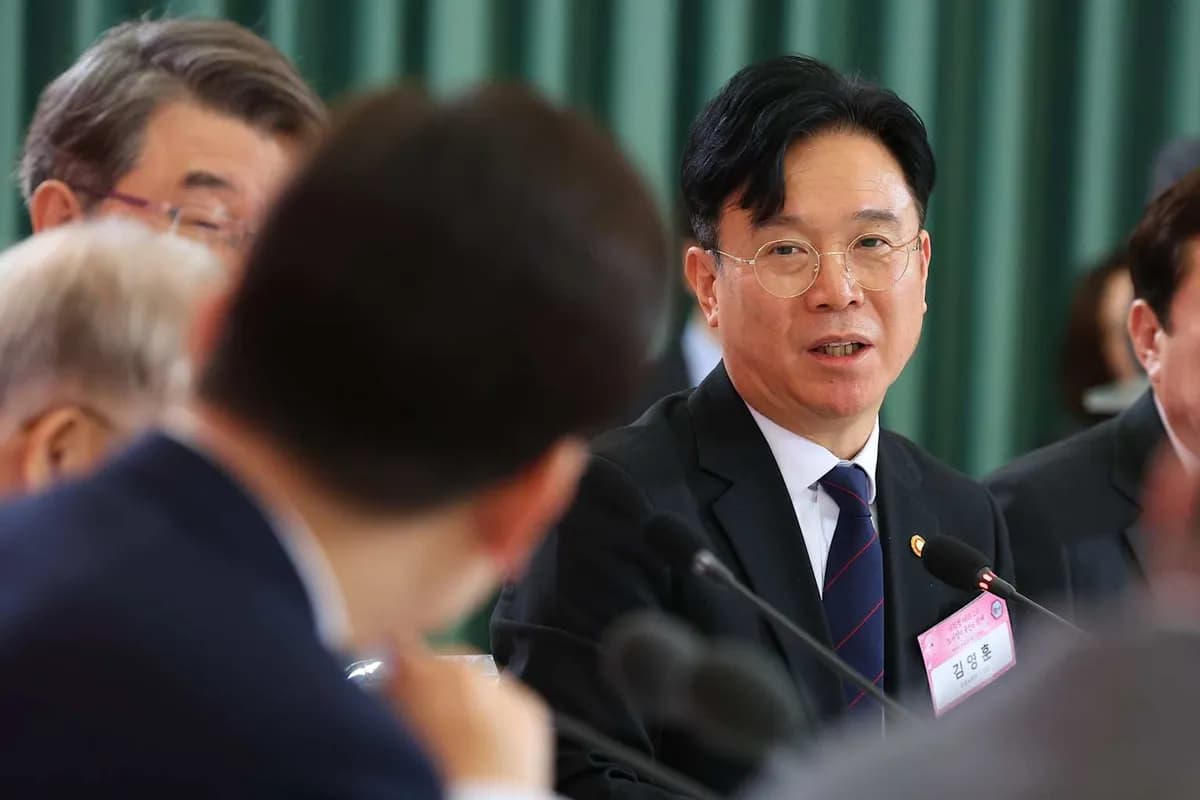
- •President Lee Jae-myung criticized the practice of non-disclosure of wages in job postings, prompting the Ministry of Employment to pursue a system providing industry-standard wage information.
- •Currently, South Korea's job market commonly uses the 'negotiable after interview' approach, which labor groups criticize for contributing to the entrenchment of low wages for young people.
- •The government plans to reference European models and prepare a roadmap by the first half of 2026 to realize equal pay for work of equal value.
End of 'According to Company Policy' Era
The South Korean government is pushing forward with a system to provide industry-standard wage information in job postings. After President Lee Jae-myung raised concerns about companies' non-disclosure of wages at a labor policy forum hosted by the Economic, Social and Labor Council at the Blue House on the 19th, Employment and Labor Minister Kim Young-hoon immediately proposed improvement measures.
Currently, the majority of companies in South Korea's job market list wages as "according to company policy" or "negotiable after interview" in their job postings. While this is not legally problematic, it has served as a barrier preventing job seekers from making rational employment decisions.
Han Da-seul, chairperson of the International Medical Foundation Labor Union who attended the forum, pointed out that "wage information is undisclosed in numerous job postings, creating a structure where applicants cannot easily access it." She noted that "this non-disclosure of information results in the entrenchment of low wages for young people," and suggested that legal amendments are needed to mandate wage disclosure in job postings.
Introduction of European-Style Industry-Standard Wage System
President Lee responded, "It's really problematic that companies don't tell you how much they'll pay when hiring," adding that "disclosure seems necessary, at least showing an average that doesn't deviate more than 10% up or down." He suggested that "recruiting companies also have their pride, so they won't want to advertise minimum wage positions, which should encourage them to raise wages," and ordered Minister Kim to take swift action.
Minister Kim presented specific measures, stating that "the most important thing is 'equal pay for work of equal value'—ensuring people doing similar work aren't discriminated against." He revealed that "the government plans to collect wage information and provide standard wage information by industry, using this as a basis to facilitate labor-management negotiations."
In Europe, if someone wants to work as an automotive technician, a certain level of wages is publicly posted by industry regardless of the company, making it easy for job seekers to obtain information. Referencing this European model, Minister Kim stated, "We will establish a benchmark so young people can think, 'If I work here, I'll receive at least this much compensation.'"
First Step Toward Realizing Equal Pay for Equal Work
The Ministry of Employment and Labor had already announced in its December work report that it would prepare a roadmap by the first half of 2026 that includes legislating the principle of equal pay for work of equal value, strengthening wage information provision, and activating multi-employer bargaining. This forum also marked the official resumption of tripartite social dialogue between labor, management, and government, which had been suspended due to the December 3 insurrection incident.
While acknowledging the limitations of the current system, Minister Kim stated, "Our country negotiates by company, and there are issues related to corporate trade secrets," but clearly expressed his determination to realize equal pay for work of equal value—a constitutional value—through the provision of industry-standard wage information.
If this system is implemented, job seekers will be able to identify the industry average wage for positions they're applying to in advance, enabling more rational employment decisions and wage negotiations. It is also expected that as companies adjust their wage levels to match market averages, this will contribute to resolving the issue of low wages for young people.
댓글 (4)
흥미로운 주제입니다. 주변에도 공유해야겠어요.
그 부분은 저도 궁금했습니다.
간결하면서도 핵심을 잘 정리한 기사네요.
to에 대해 더 알고 싶어졌습니다. 후속 기사 부탁드립니다.
More in Economy
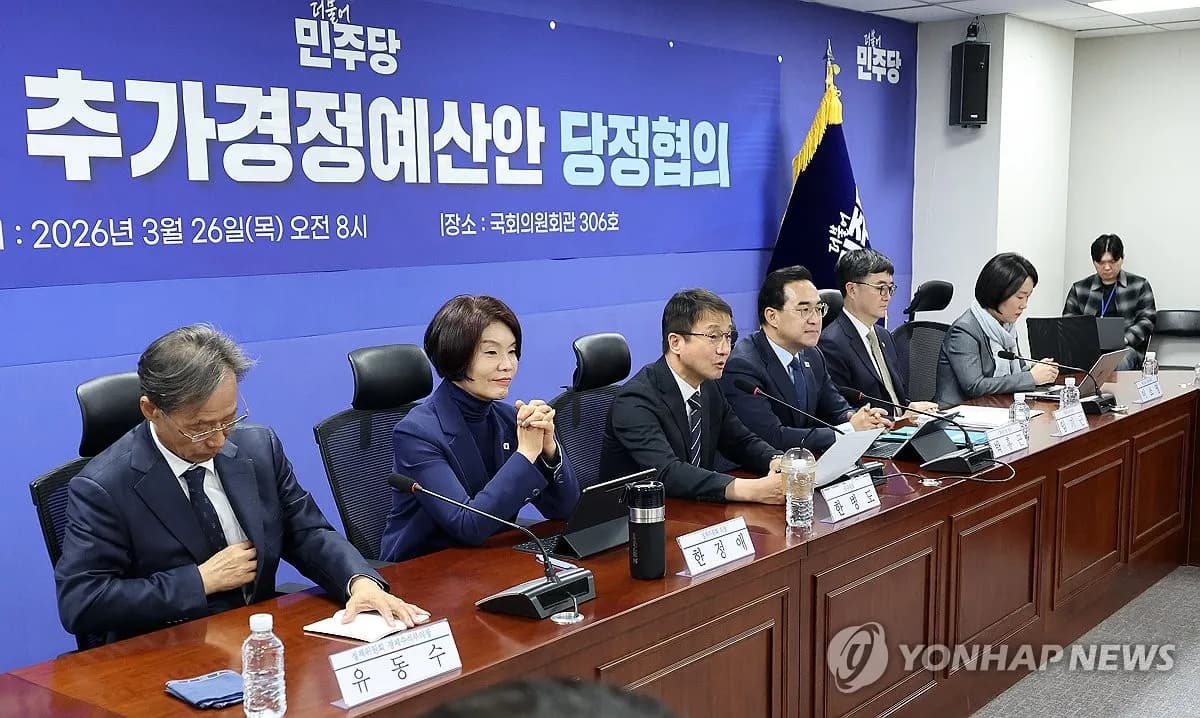
당정, 석유 최고가격제 손실 보전을 추경에 반영키로

미·이란 긴장 한 달, 금융시장 요동…장기화 우려
뉴욕증시 3대 지수 동반 상승…이란 휴전 기대감

Elon Musk's X recruits a cryptocurrency expert as head of design... ‘X Money’ launch imminent

BitGo-GK Sync plans to build ‘tokenized deposit’ infrastructure for banks

The other side of prediction markets: Ethical dilemmas of cryptocurrency platforms dealing in war and terrorism
Latest News
"간부 잘 아는데 교통비 좀" 휴가 군인들 돈 뜯은 50대 구속
50대 A씨가 휴가 중인 군인들에게 부대 간부를 아는 척 접근해 돈을 사취

英 옥토퍼스, 이란 전쟁 이후 태양광 판매 50% 증가
이란 전쟁 이후 영국 옥토퍼스의 태양광 판매량 50% 증가
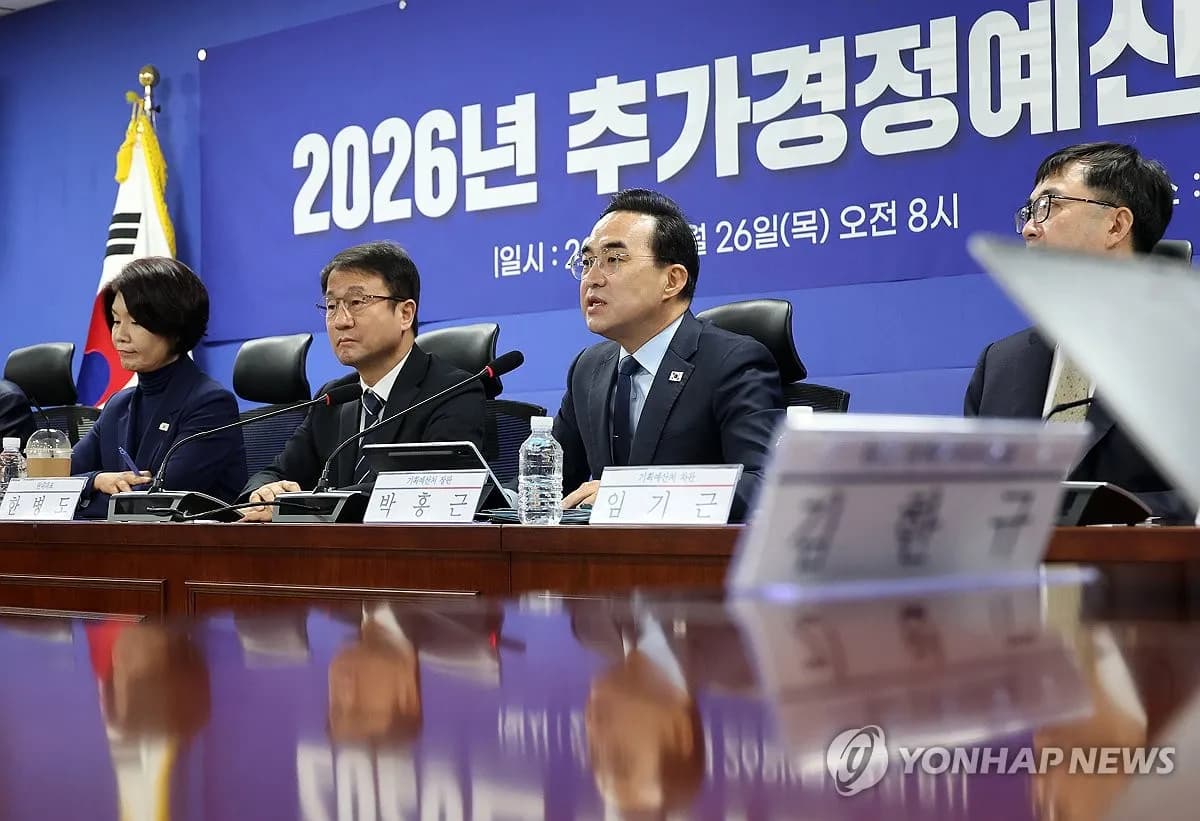
당정 "추경, 지방·취약계층에 더 지원되는 방식으로"
당정이 지방자치단체와 취약계층 중심의 추경 편성 방침 재확인
어머니 폭행하고 금팔찌 빼앗은 30대 아들 경찰에 붙잡혀
어머니 폭행 후 금팔찌 빼앗은 30대 남성 체포
아이티 갱단 폭력사태로 10개월간 5천명 이상 사망
아이티에서 지난 10개월간 갱단 폭력으로 5천명 이상 사망

서방 정보당국 "러시아, 우크라이나 전쟁 후 이란에 드론·식량 공급"
서방 정보당국, 러시아의 이란 드론·식량 공급 작업 거의 완료 파악

6년 전 세 살 딸 살해한 30대 친모 구속송치
경찰, 6년 전 세 살 딸 살해 혐의 30대 친모를 구속송치

中企 수입 나프타의 80% 이상이 중동산…공급망 위기 심화
중소기업 수입 나프타의 80% 이상이 중동산으로 공급 의존도 높음