STF Intervention and Political Pressure Shake Brazil's Financial Markets
Political Attempts to Resolve Master Bank Crisis Raise Concerns Over Foreign Investment Withdrawal and Interest Rate Hikes

- •Brazil's Supreme Court and political establishment are moving to overturn the Central Bank's decision to liquidate Master Bank, escalating a financial market credibility crisis.
- •Experts warn that political reversal of technical decisions will inevitably lead to foreign investment withdrawal and interest rate increases.
- •Amid Supreme Court justices' conflict of interest controversies and evidence transfer confusion, the Central Bank continues technical measures including liquidation of related asset management firms.
Technical Decisions vs Political Intervention: Brazil's Financial Crossroads
As Brazil's Supreme Federal Court (STF) and political establishment move to overturn the Central Bank's decision to liquidate Master Bank, the credibility of the national financial system faces a crisis. Experts warn that politically reversing technical judgments could trigger a chain reaction of foreign investor exodus and soaring interest rates.
The World Bank has already downgraded Brazil's 2026 growth forecast from 2.3% to 2%. In this context, added uncertainty about the financial system could simultaneously create credit supply contraction and upward pressure on interest rates, according to analysts.
Political Signals Are Mounting
Recent appointments and judicial actions are adding weight to the possibility of political intervention.
Oto Lobo, newly appointed chairman of the Securities and Exchange Commission (CVM), has a history of making decisions favorable to Master Bank. At the Supreme Court, Justice Alexandre de Moraes launched an investigation into a data leak case, but his spouse's law firm was found to have a contractual relationship with Master Bank, sparking conflict of interest concerns.
Justice Dias Toffoli, handling the case, concentrated all investigative powers in the Supreme Court and issued a confidentiality order covering the entire case. On January 14, he took measures to separate evidence collected in Phase 2 of "Operation Zero Compliance" from the Federal Police.
Initially ordering seized mobile phones, computers, and documents to be "sealed" and kept at the Supreme Court, he reversed course the same afternoon following criticism, directing Federal Police custody. However, by evening he changed position again, ordering evidence transferred to the Attorney General's Office.
Technical Measures Continue
Despite political and judicial intervention signals, regulatory authorities' technical measures continue.
On January 15, Brazil's Central Bank decided to liquidate CBSF DTVM (formerly Reag). This asset management firm is under investigation in "Operation Hidden Carbon" for alleged money laundering by the criminal organization PCC (Primeiro Comando da Capital) and was investigated in connection with the Master Bank case. The total fraud network is estimated at 115 billion reais (approximately 28 trillion won).
Expert Concerns: Credibility Collapse and Investment Flight
Luis Miguel Mas Santacreu, senior analyst at Austin Rating, assessed that reversing the Central Bank's technical liquidation decision would be "highly negative."
He stated, "Brazil is part of the global financial system. If questions are raised about the compensation system through the Deposit Insurance Fund (FGC), the entire country's credibility is shaken," mentioning even the possibility of an official warning from the International Monetary Fund (IMF).
Elber Laranja, founder of credit engineering firm Titanium, shared the same view. "A solution that doesn't confirm the Central Bank's technical position could raise strong questions about the mechanisms governing Brazil's economy," warning that "it could lead to liquidity shortages in credit operations across all sectors."
Crisis Signals Already Emerging
These concerns are not merely theoretical. In December 2025, when tensions arose between the Court of Accounts (TCU) and the Central Bank over Master Bank's liquidation, immediate market reactions occurred.
Experts anticipate the following chain effects if political solutions are implemented:
- Foreign investor exodus — Loss of confidence in political neutrality of financial regulation
- Credit market freeze — Rising costs of domestic and international funding
- Upward pressure on interest rates — Increased borrowing costs due to risk premium increases
- Growth slowdown — Additional blow to already downgraded economic forecasts
Politics vs Technology: Brazil's Financial Direction [AI Analysis]
Brazil currently stands at a critical juncture of conflict between political pressure and technical independence.
While the Central Bank and regulatory authorities continue taking technical measures, the Supreme Court and political establishment are sending different signals. This dual structure is likely to reduce policy predictability and increase market uncertainty.
Experts assess the likelihood of political solutions materializing as "low," while pointing out that current signals are negatively impacting investor sentiment.
If technical decisions are finalized, the independence and credibility of Brazil's financial system could be strengthened. Conversely, if political intervention prevails, it may protect certain stakeholders in the short term, but in the medium to long term, it is likely to lead to increased financial costs nationwide and weakened growth potential.
International credit rating agencies and foreign investors are closely watching the outcome of this case, and the results are expected to influence investment decisions regarding Brazil for years to come.
댓글 (2)
STF에 대해 더 알고 싶어졌습니다. 후속 기사 부탁드립니다.
Intervention 관련 기사 잘 읽었습니다. 유익한 정보네요.
More in Special
The Corsican Mafia Exposed: Breaking a Century of Silence

AI-Generated Fake Person Used to Sell Dubai Flight Seats

Facebook Groups Traded Endangered Species Using Code Language — Indonesian Broker Network Exposed
G6 Alliance Declares Support for Hormuz Strait Security... Reverses Stance Under Trump Pressure
Seoul's Average Monthly Rent Surpasses 1.51 Million Won as Soaring Official Property Prices Trigger 'Housing Cost Bomb'

Rihanna Tops Spotify Without New Album for 10 Years, Proving Power of Catalog
Latest News
이스라엘, 헤즈볼라 무기 통로 레바논 다리 공습
이스라엘군, 헤즈볼라 무기 통로 레바논 다리 공습
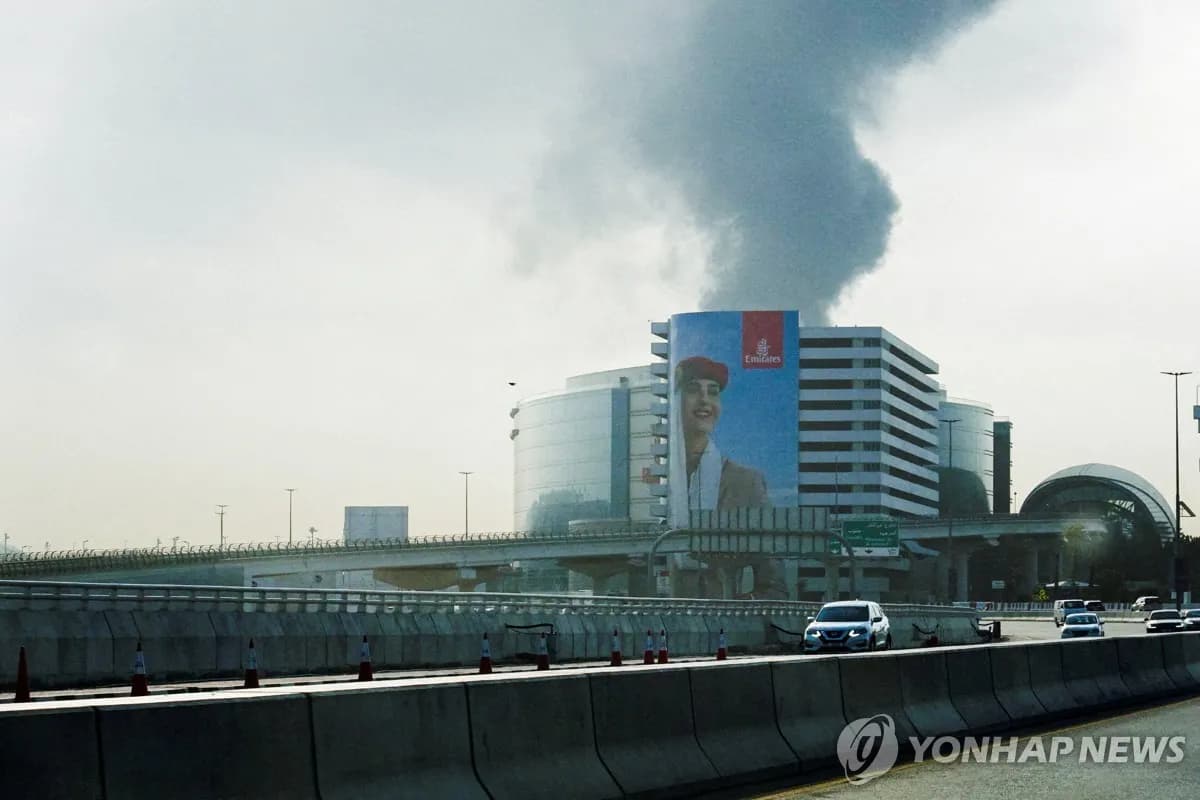
중동행 전세기 전쟁보험료 최고 7천500만원
중동행 전세기 전쟁보험료가 최고 5만달러(7천500만원)로 상승
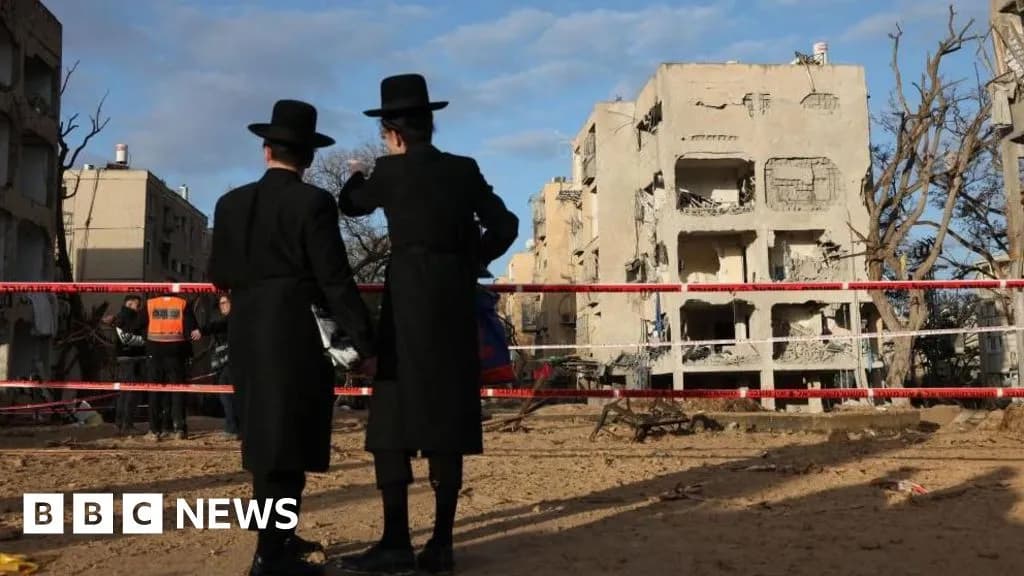
이란 탄도미사일, 이스라엘 방어망 뚫고 160명 부상
이란 탄도미사일이 이스라엘 방공망을 통과해 160명 부상
Middle East Conflict Drives Manufacturing Outlook to 10-Month Low
The Korea Institute for Industrial Economics & Trade survey shows April manufacturing outlook PSI plummeted to 88, falling below baseline for the first time in 10 months.

Lee Jae-myung Administration Excludes Multi-Home Officials from Real Estate Policymaking
President Lee Jae-myung has ordered the exclusion of multi-home owning public officials from all real estate policy processes.

Southeast Asia Growth Forecasts Cut Amid Oil Price Surge, Threatening Korean Exports
Maybank Research has downgraded ASEAN-6's 2026 growth forecast from 4.8% to 4.5%.

Volkswagen CEO Says Germany Should Learn from China's Industrial Strategy
Volkswagen CEO stated that Germany should learn from China's systematic industrial planning approach.

Reddit Considers Face ID to Block Bots While Maintaining Anonymity
Reddit is considering implementing biometric authentication systems such as Face ID and Touch ID to block AI bots while maintaining anonymity.