Strait of Hormuz Blockade Triggers Global Energy Security Crisis
20% Oil Supply Cut Sparks Accelerated Renewable Energy Transition Debate
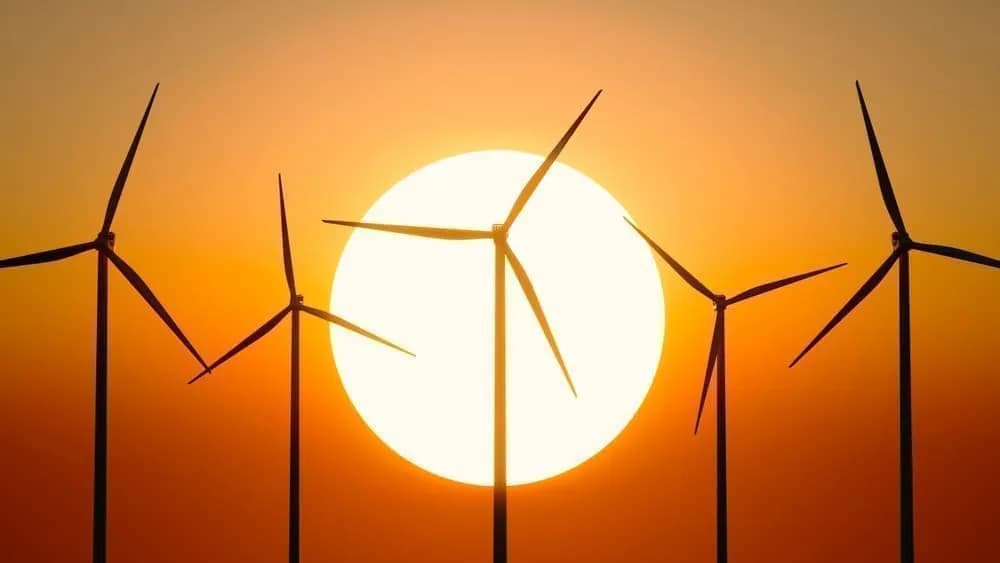
- •Iran's blockade of the Strait of Hormuz has cut off 20% of global oil and LNG supply, with oil prices surpassing $100 per barrel.
- •UN climate chief pointed out that fossil fuel dependence is a security threat and urged acceleration of renewable energy transition.
- •South Korea, with high dependence on Middle Eastern crude oil, is directly impacted, with discussions on energy source diversification gaining momentum.
Middle East Tensions Shake Global Energy Markets
An unprecedented crisis has erupted as approximately 20% of the world's oil and liquefied natural gas (LNG) supply has been cut off amid escalating military confrontation between Iran and Israel. With Iran's effective blockade of the Strait of Hormuz, international oil prices have surpassed $100 per barrel, prompting the International Energy Agency (IEA) to initiate the largest emergency oil release in history.
According to multiple foreign media outlets, Iran's new leadership issued its first official statement on the 12th (local time), declaring it would "continue the war" and signaling pressure on Gulf Arab states. Experts warn that this situation transcends a simple regional conflict and threatens the very structure of global energy security.
Fossil Fuel Dependence Becomes National Security Threat
Simon Stiell, Executive Secretary of the UN Framework Convention on Climate Change, told European ministers that "solar power does not depend on narrow, vulnerable maritime shipping routes," citing this crisis as justification for accelerating renewable energy investment. He emphasized that fossil fuel dependence clearly poses a national security threat.
Countries with high energy import dependence, such as the Philippines and Japan, face severe energy shortages. Analysis suggests that despite the United States being the world's largest oil and gas producer, options for resolving global supply disruptions remain limited.
Impact on South Korea
South Korea is likely to be directly hit by this crisis, as it depends heavily on the Middle East for crude oil imports. The Strait of Hormuz is a critical route for oil shipments to South Korea, and instability in this region directly translates to rising domestic oil prices and energy security threats.
Energy industry officials agree that alongside government-level strategic petroleum reserve releases, energy source diversification is inevitable in the medium to long term. Discussions on expanding renewable energy shares and restarting nuclear power plants are expected to gain momentum.
The Dual Nature of Renewable Energy Transition
However, experts warn that rapid transition to renewable energy could create new forms of energy dependence. With China dominating the supply chain for solar panels and wind turbines, concerns arise that even if fossil fuel dependence is reduced, dependence on Chinese technology could increase.
According to industry reports, European countries are already expanding adoption of Chinese-made renewable energy equipment, which could pose new risk factors from an energy security perspective. Policymakers face the complex challenge of considering not only energy source diversification but also supply chain diversification.
댓글 (3)
경제 상황이 좋지 않은데, 정부의 대응이 아쉽습니다.
of 문제가 장기화되면 어떻게 될지 우려됩니다.
걱정이 많이 되네요. 좋은 지적입니다.
More in Global


Latest News

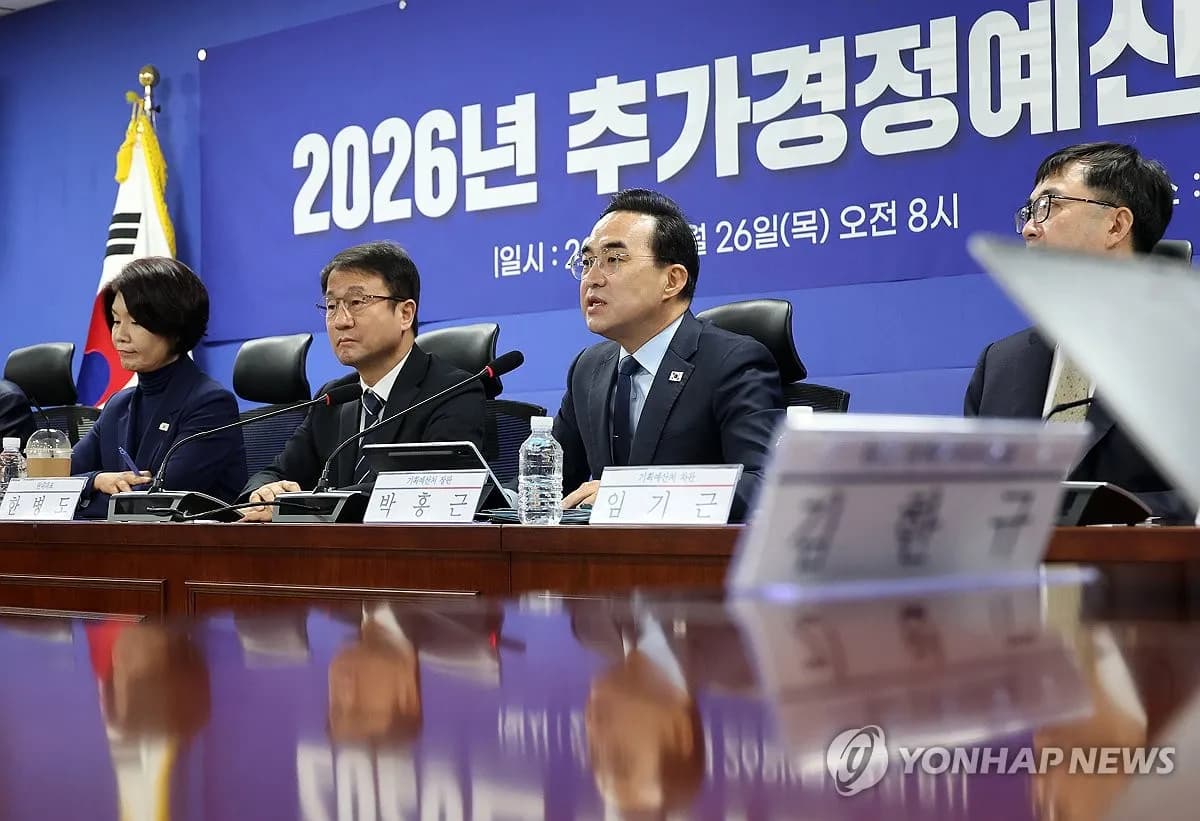
당정, 석유 최고가격제 손실 보전을 추경에 반영키로
당정이 석유 최고가격제 손실을 추경에 반영하기로 결정

6년 전 세 살 딸 살해한 30대 친모 구속송치
경찰, 6년 전 세 살 딸 살해 혐의 30대 친모를 구속송치

中企 수입 나프타의 80% 이상이 중동산…공급망 위기 심화
중소기업 수입 나프타의 80% 이상이 중동산으로 공급 의존도 높음

미·이란 긴장 한 달, 금융시장 요동…장기화 우려
미·이란 갈등으로 증시 변동성 확대, 코스피 6천 고지 후 등락

미·이란 전쟁 한 달, 미국 전문가 "종전·확전 기로"
미·이란 전쟁 1개월 도래, 종전·확전 기로 평가

미·이란 전쟁 1개월, 한국 안보·공급망 취약점 노출
미·이란 전쟁 장기화로 한국 안보·경제 취약점 노출