Sweat-Damaged Masterpiece Restored After 30 Years: Michelangelo's 'Last Judgment' Gets Deep Clean
Sistine Chapel fresco undergoes salt removal process caused by visitor perspiration
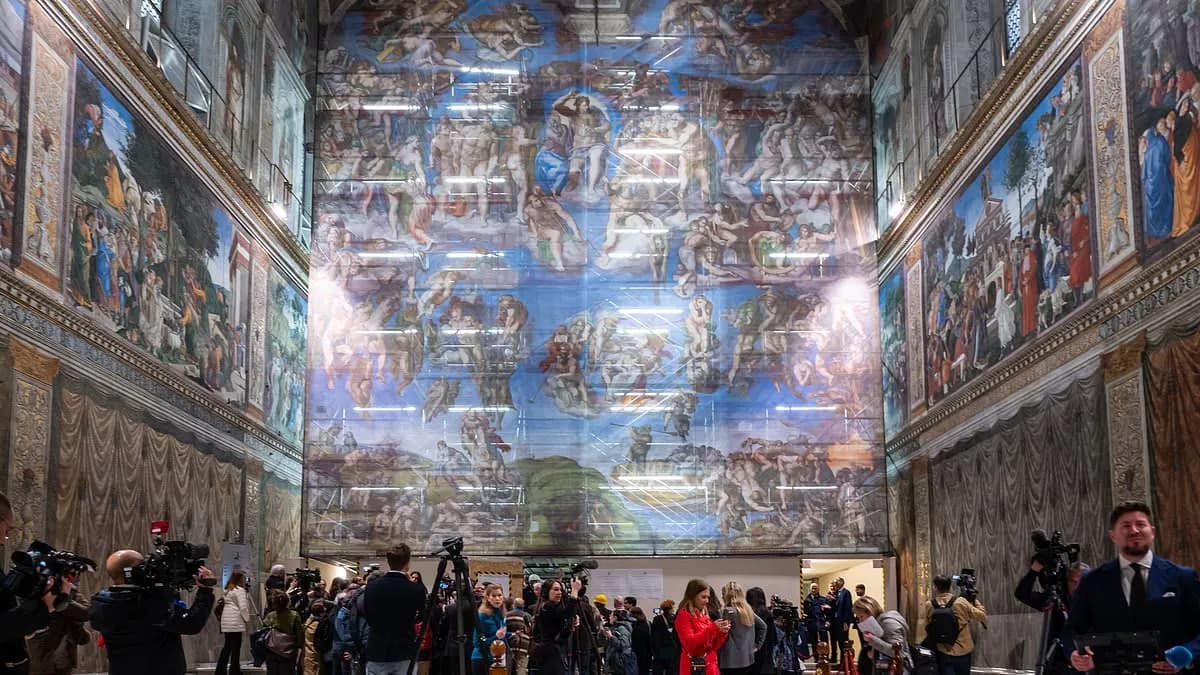
- •The Vatican has revealed a major restoration effort to remove salt deposits caused by visitor perspiration from Michelangelo's 'The Last Judgment' in the Sistine Chapel, the first comprehensive cleaning in 30 years.
- •A chalk-like film created by the chemical reaction between lactic acid and calcium carbonate is being removed, revealing the work's original vivid colors and details.
- •This project serves as an occasion to reconsider the balance between cultural heritage preservation and public accessibility.
'Traces of Sweat' Accumulated on Renaissance Masterpiece
The Vatican Museums have begun a major cleaning operation on Michelangelo's monumental work 'The Last Judgment' in the Sistine Chapel. On February 28, restoration experts revealed the work site to the media, demonstrating the process of removing a chalk-like white salt layer from the fresco's surface. This marks the first comprehensive cleaning since the major restoration of the 1990s.
The culprit turned out to be, surprisingly, visitor perspiration. Lactic acid from the sweat of millions of annual visitors to the Sistine Chapel chemically reacted with the fresco's calcium carbonate, forming salt crystals. Vatican officials explained that rising temperatures and humidity due to climate change have accelerated this phenomenon.
Stark Contrast Before and After Cleaning
At the media preview, the difference between cleaned and uncleaned sections was strikingly evident. In the cleaned areas, vivid colors and intricate details were revived, and the original contrast Michelangelo intended was restored. Restorers are employing techniques using special solutions and precision tools to carefully remove the salt layer without damaging the original pigments.
The Vatican plans to complete this work by early April, before Easter. Although the chapel remains open to visitors during the restoration, some areas are covered with screens displaying reproductions of the artwork.
Michelangelo's 'Wall of Judgment'
'The Last Judgment' is a masterpiece that Michelangelo completed over approximately five years, from 1536 to 1541. This fresco covering the entire altar wall of the Sistine Chapel measures 13.7 meters wide and 12 meters tall, depicting the core scene of Christian eschatology through 391 figures.
When the work was first unveiled, controversy arose over its depiction of nudity. Indeed, after Michelangelo's death, a 'censorship operation' was carried out to add clothing to some figures. However, the major restoration project from 1980 to 1994 took an approach aimed at reviving the original appearance as much as possible. The restoration team at that time removed centuries of accumulated dust, candle soot, and incorrect overpainting from previous restoration attempts, recovering Michelangelo's characteristic bright and intense colors.
Now, more than 30 years later, another form of contamination—visitor sweat—has emerged as a new challenge.
The Dilemma Between Tourism and Preservation
This restoration project once again highlights the tension between 'accessibility' and 'preservation' in cultural heritage conservation. While the Sistine Chapel is a world-renowned destination visited by over 5 million people annually, the physical and chemical burden on the artwork is correspondingly significant. The Vatican has already implemented various measures including visitor capacity limits, improved climate control systems, and shortened viewing times, but climate change and increasing tourism demand are threatening the artwork at a faster pace than anticipated.
Some voices call for a fundamental review of viewing methods. Digital reproductions, strengthened reservation systems, and additional time restrictions are being discussed, but these may conflict with the value of 'public access to art,' requiring a careful approach.
Future Outlook [AI Analysis]
While this restoration project is likely to succeed technically, it appears poised to become a turning point in preservation strategy in the long term. Going forward, the Vatican is likely to further strengthen its preventive conservation systems. The adoption of advanced technologies such as real-time environmental monitoring, AI-based visitor flow analysis, and protective coating using nanotechnology may be considered.
Furthermore, this case is expected to set a precedent for other world cultural heritage sites. Works with high public popularity, such as the Louvre Museum's 'Mona Lisa' and Botticelli's works at the Uffizi Gallery, are more likely to face similar issues. Discussion is expected to intensify around finding a new balance between the physical preservation of cultural heritage and public enjoyment.
댓글 (3)
간결하면서도 핵심을 잘 정리한 기사네요.
Restored에 대해 더 알고 싶어졌습니다. 후속 기사 부탁드립니다.
기사 잘 봤습니다. 다른 시각의 분석도 읽어보고 싶네요.
More in Culture & Art

‘Crush’, ‘Tero’, ‘Jidae’… The languages of North and South Korea are becoming increasingly distant.
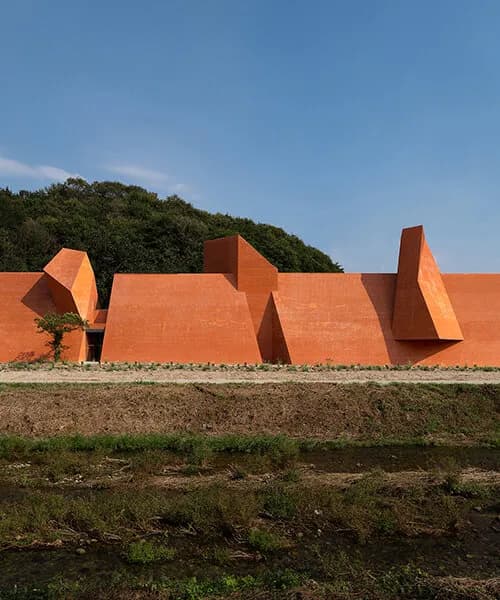
‘Fortress Café’ stands tall in the forests of Gangwon-do, reinterpreting ancient fortress walls through modern architecture.
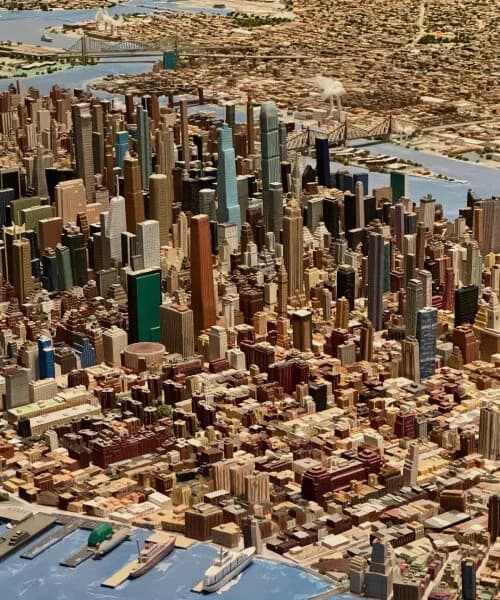
New York, hand-carved for 21 years, unveiled for the first time at an art museum

Freddie Mamani colors the city with Andean culture
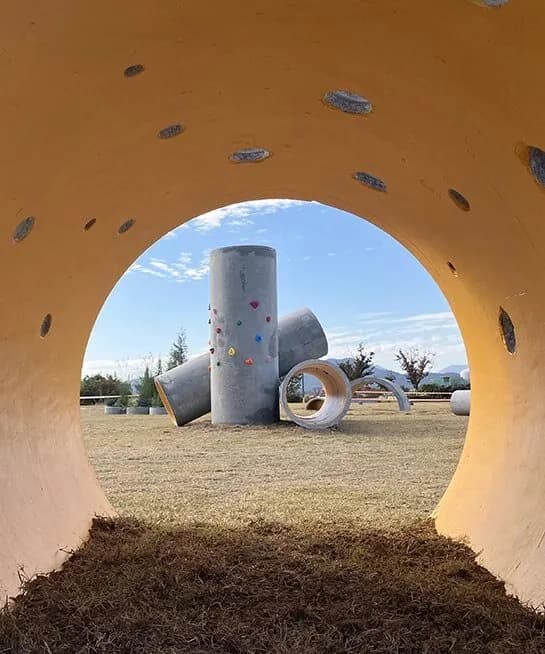
An abandoned concrete pipe is reborn as a playground... Busan Museum of Art ‘Concrete Utopia’

A Swedish artist's house, the essence of architecture that becomes one with nature
Latest News

"간부 잘 아는데 교통비 좀" 휴가 군인들 돈 뜯은 50대 구속
50대 A씨가 휴가 중인 군인들에게 부대 간부를 아는 척 접근해 돈을 사취

英 옥토퍼스, 이란 전쟁 이후 태양광 판매 50% 증가
이란 전쟁 이후 영국 옥토퍼스의 태양광 판매량 50% 증가

당정 "추경, 지방·취약계층에 더 지원되는 방식으로"
당정이 지방자치단체와 취약계층 중심의 추경 편성 방침 재확인

당정, 석유 최고가격제 손실 보전을 추경에 반영키로
당정이 석유 최고가격제 손실을 추경에 반영하기로 결정
어머니 폭행하고 금팔찌 빼앗은 30대 아들 경찰에 붙잡혀
어머니 폭행 후 금팔찌 빼앗은 30대 남성 체포
아이티 갱단 폭력사태로 10개월간 5천명 이상 사망
아이티에서 지난 10개월간 갱단 폭력으로 5천명 이상 사망

서방 정보당국 "러시아, 우크라이나 전쟁 후 이란에 드론·식량 공급"
서방 정보당국, 러시아의 이란 드론·식량 공급 작업 거의 완료 파악

6년 전 세 살 딸 살해한 30대 친모 구속송치
경찰, 6년 전 세 살 딸 살해 혐의 30대 친모를 구속송치