Tel Aviv University Extends Battery Life 10x with Laser Technology
Single-step room-temperature process develops silicon-graphene anode retaining 98% capacity after 2,000 charge cycles
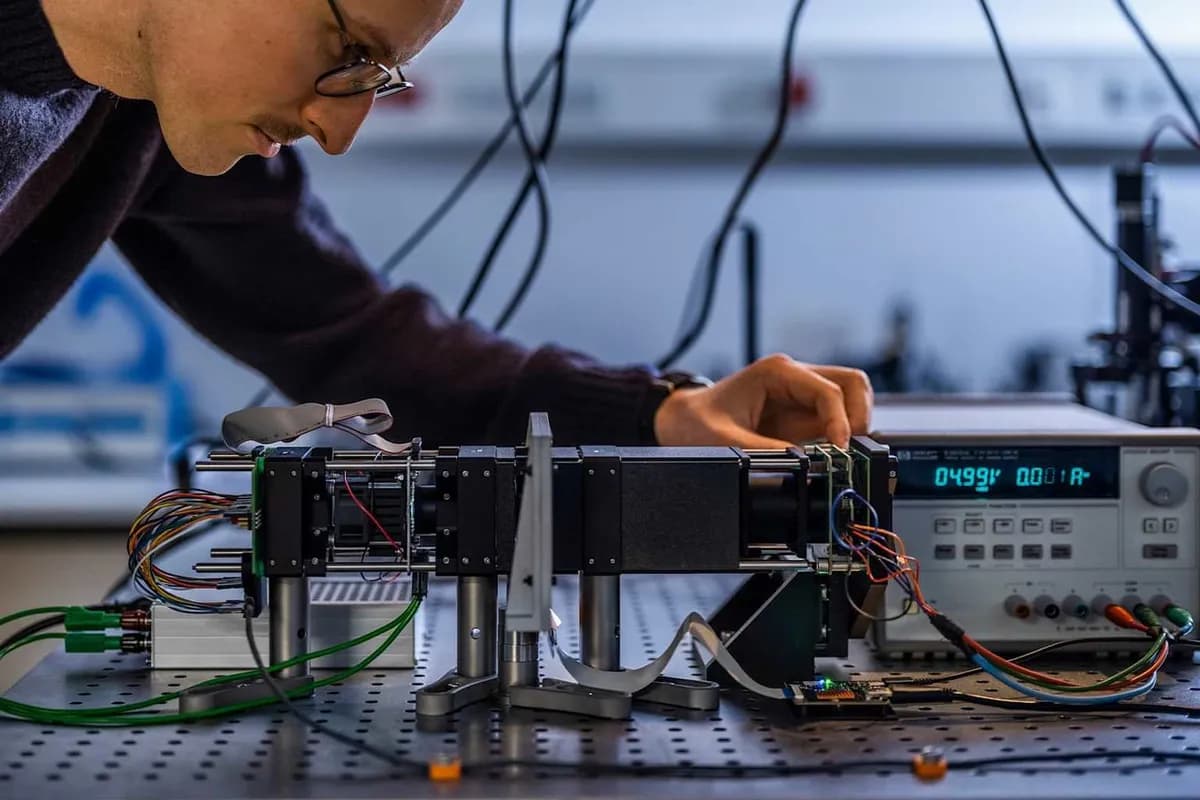
- •Tel Aviv University researchers developed silicon-graphene battery anode manufacturing technology using lasers that maintains 98% capacity after 2,000 charge cycles
- •Mass production conversion potential is high as it can be manufactured at room temperature in a single process, solving the structural collapse problem of conventional silicon anodes
- •Expected to pressure Korea's Big Three battery companies to readjust their technology roadmaps, with potential to change the battery market landscape in the 2030s
A New Chapter in Battery Revolution
A research team led by Professor Fernando Patolsky at Tel Aviv University in Israel has developed a laser-based manufacturing technology that can dramatically extend the lifespan of lithium-ion batteries. Published in the international journal 'Nano-Micro Letters,' this research achieved results maintaining over 98% capacity after 2,000 charge cycles by manufacturing silicon-graphene anodes through a single process at room temperature.
The new anode preserved 83% of its capacity even after 4,500 cycles, completely surpassing the limitations of conventional silicon anodes that experienced rapid performance degradation after just a few hundred cycles. The researchers successfully fabricated 20cm sheets without binders or additives, opening up possibilities for transitioning to roll-to-roll production methods for mass manufacturing.
Solving Silicon's Paradox
Silicon can store approximately 10 times more lithium than graphite, which is currently widely used as a battery anode material. While theoretically perfect as a next-generation material, it had a fatal weakness: electrode structures rapidly collapsed as volume expanded and contracted by up to 300% during charge-discharge cycles. Despite decades of research, commercialization remained distant.
The Tel Aviv researchers solved this problem by combining 'prelithiation' with a graphene matrix. Using the ultra-fast photothermal energy of lasers, they converted phenolic resin into graphene while simultaneously inducing interfacial solid-state reactions between silicon nanoparticles and lithium salt precursors to create a structure with lithium pre-inserted. This entire process is completed at room temperature in a single step.
In the Flow of Battery Technology
Lithium-ion batteries have held their position as the standard for energy storage for over 30 years since Sony's commercialization in 1991. As the electric vehicle market took off in earnest in the 2010s, demands for energy density and lifespan increased exponentially, and silicon anode research became a core challenge for the global battery industry after 2015.
Entering the 2020s, major battery manufacturers like Tesla and CATL began introducing anodes with increased silicon content to the market, but silicon ratios remained at 5-10% levels. This was because the structural instability of pure silicon anodes had not been resolved. The Tel Aviv research team's technology is evaluated as the first case to directly break through this barrier.
South Korea serves as one pillar of the global battery Big Three system with LG Energy Solution, Samsung SDI, and SK On. All three companies are pursuing silicon anode technology as a next-generation strategic initiative, planning to mass-produce products with silicon ratios increased by over 20% by the end of 2025. This research achievement is likely to pressure the Korean battery industry to readjust its technology roadmap.
Impact on South Korea
The Korean battery industry currently faces dual pressure from China's low-price offensive and Japan's pursuit of solid-state battery technology. The Tel Aviv researchers' laser-based manufacturing technology has significant cost reduction potential due to its room-temperature, single-step process characteristics, which could become a new variable in price competition with Chinese companies.
Domestic battery researchers have also attempted various approaches in the silicon anode field, but most focused on nanostructure design or coating technologies. The laser-based prelithiation method is a relatively less-explored area, and considering the technological capabilities of Korea's optical and laser industries, it is analyzed as a field where rapid catch-up is possible.
Future Outlook [AI Analysis]
It will likely take at least 2-3 years of additional development for this research to move beyond the laboratory level to mass production. This is because commercialization challenges remain, including roll-to-roll process conversion, laser equipment economics, and long-term reliability verification.
However, the figure of 98% capacity retention after 2,000 charges meets the '10-year warranty' standard required by the electric vehicle industry. If this technology enters the mass production stage by 2027, it is expected to become a game changer that could reshape the battery market landscape in the 2030s.
Korea's Big Three battery companies need to actively consider technology partnerships or licensing with the Israeli researchers. In particular, LG Energy Solution is already investing in silicon anode development jointly with GM, so there is significant potential for synergy with this research achievement. At the government level in Korea, it is also time to consider incorporating laser-based battery manufacturing technology as a next-generation national strategic initiative.
댓글 (2)
기사 잘 봤습니다. 다른 시각의 분석도 읽어보고 싶네요.
Aviv 관련 기사 잘 읽었습니다. 유익한 정보네요.
More in Global


Latest News
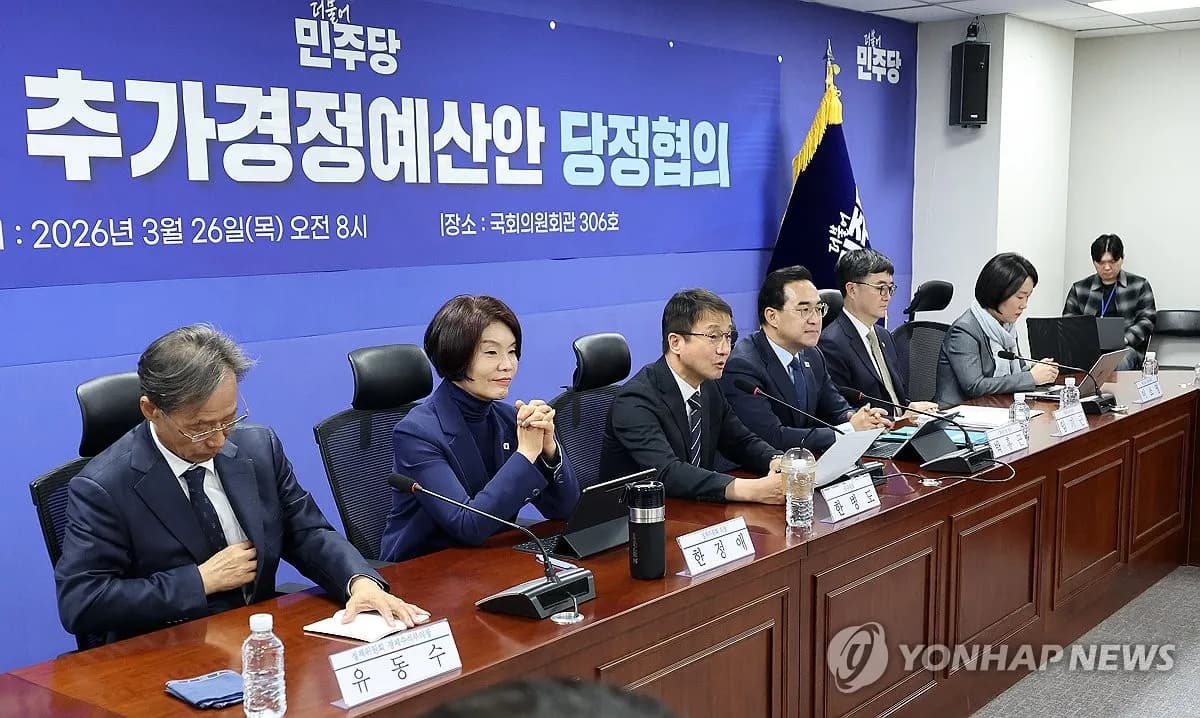
당정, 석유 최고가격제 손실 보전을 추경에 반영키로
당정이 석유 최고가격제 손실을 추경에 반영하기로 결정

6년 전 세 살 딸 살해한 30대 친모 구속송치
경찰, 6년 전 세 살 딸 살해 혐의 30대 친모를 구속송치

中企 수입 나프타의 80% 이상이 중동산…공급망 위기 심화
중소기업 수입 나프타의 80% 이상이 중동산으로 공급 의존도 높음

미·이란 긴장 한 달, 금융시장 요동…장기화 우려
미·이란 갈등으로 증시 변동성 확대, 코스피 6천 고지 후 등락

미·이란 전쟁 한 달, 미국 전문가 "종전·확전 기로"
미·이란 전쟁 1개월 도래, 종전·확전 기로 평가

미·이란 전쟁 1개월, 한국 안보·공급망 취약점 노출
미·이란 전쟁 장기화로 한국 안보·경제 취약점 노출