Ten Years of the Panama Papers: The Legacy of a Global Reckoning
The world's largest journalism collaboration cracked open financial secrecy — but the questions it raised remain unanswered
- •The Panama Papers, published in 2016, were the result of 400+ journalists across 80 countries collaborating on a single investigation.
- •The exposé toppled political leaders and triggered criminal probes by revealing how the powerful exploit offshore financial structures.
- •A decade later, debates over financial inequality and transparency remain unresolved and ongoing.
April 3, 2016, 2 p.m.: The World Shook
At 2 p.m. on April 3, 2016, the first Panama Papers stories went live. At that moment, Marina Walker Guevara — then deputy director of the International Consortium of Investigative Journalists (ICIJ) — was somewhere over the United States, on a flight home from a family wedding in San Francisco. She would greet the release of secrets she had guarded for over a year from 30,000 feet in the air.
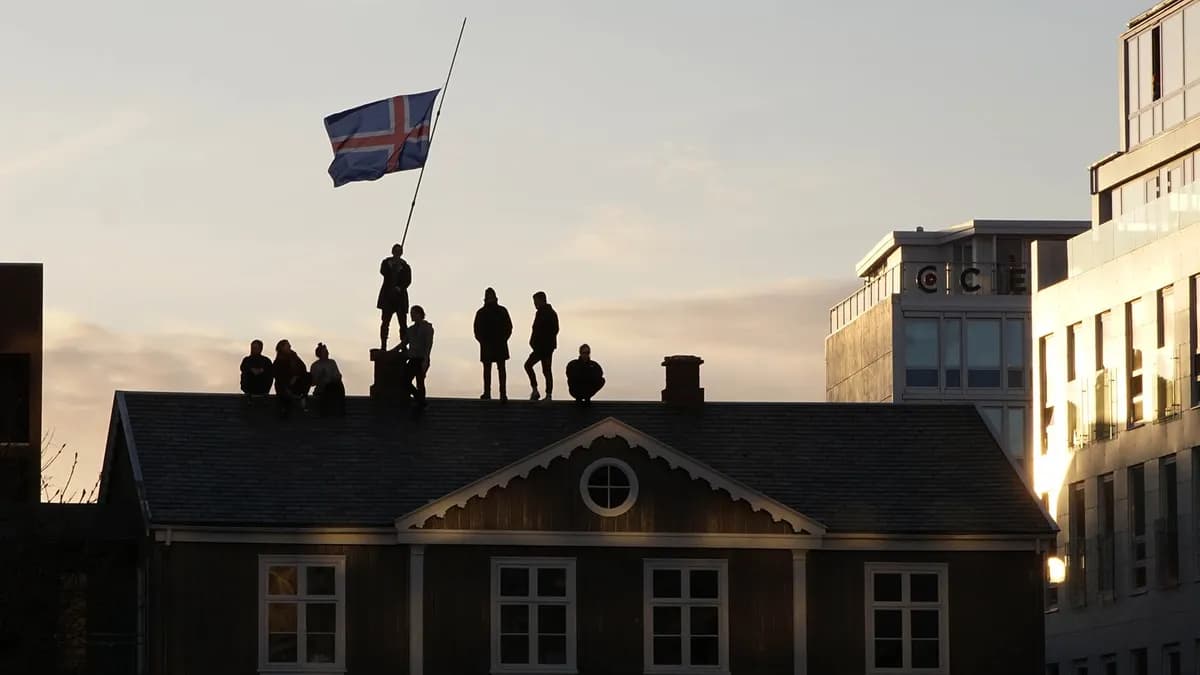
When the plane landed and she turned on her phone, messages flooded in faster than she could open them. "I had to catch my breath," she recalled. Crowds gathered in Reykjavík and London. Governments from Panama to Pakistan scrambled to issue denials. Presses kept running, printing story after story about politicians, financiers, and celebrities whose financial dealings spanned the globe.
"This is much bigger than anything we thought," Walker Guevara said. "This is truly a story about systemic inequity."
Why the Panama Papers Matter — The Face of Financial Secrecy
The Panama Papers were not simply a scoop. The 11.5 million documents leaked from Panamanian law firm Mossack Fonseca systematically exposed how the world's wealthy and powerful used offshore structures to hide assets and evade scrutiny.
What makes this investigation stand apart is not just the volume of data. It mobilized over 400 journalists from more than 80 countries — the largest collaborative investigative journalism network in history. A network built on sharing secrets confronted a system built to keep them.
The inclusion of local journalists like Moussa Aksar, founder and editor of Niger's L'Evenement, ensured the investigation reached beyond Western perspectives into regions where powerful figures had long been considered untouchable.
Historical Thread — A Long Battle Against Opacity
Long before the Panama Papers, offshore financial secrecy had been an entrenched international problem.
After the 2008 global financial crisis, G20 nations placed tax evasion and offshore secrecy on the agenda. The U.S. enacted FATCA in 2010. The OECD launched its BEPS project. Yet the offshore system endured.
The Panama Papers showed the public just how sophisticated and widespread that system truly was. The Paradise Papers followed in 2017, and the Pandora Papers in 2021. ICIJ's series of offshore exposés became a defining journalistic movement.
Iceland's Prime Minister resigned within days. Criminal investigations opened in dozens of countries. The World Bank estimates that tax recoveries linked to the Panama Papers amount to billions of dollars.
Looking Ahead [Expert Analysis]
Ten years on, the legacy of the Panama Papers is complex.
Some experts point to institutional gains: beneficial ownership registries have expanded across jurisdictions, and automatic financial information exchange agreements have strengthened. Nobel Prize-winning economists credit the Panama Papers with shifting inequality from academic debate to mainstream public discourse.
Others note the limits of structural change. The offshore system itself persists, with new workarounds emerging. Regulatory tightening has been uneven, and opaque jurisdictions remain.
The role of investigative journalism itself continues to evolve. ICIJ's Offshore Leaks Database remains publicly accessible. The questions the Panama Papers posed — who hides in the financial shadows, how, and why — remain as urgent as ever. The exposé ended. The reckoning has not.
댓글 (18)
좋은 정리입니다. Ten의 향후 전망이 궁금합니다. 해외 동향도 함께 다뤄주시면 좋겠습니다.
Years에 대해 처음 접하는 정보가 있었습니다.
of 기사에서 언급된 사례가 흥미로웠습니다.
좋은 정리입니다. 파나마페이퍼스이 앞으로 어떻게 전개될지 주목해야겠습니다.
ICIJ 주제로 시리즈 기사가 나오면 좋겠습니다.
Ten의 전문가 코멘트가 설득력 있었습니다. 주변에도 공유해야겠어요.
구독 중인데 만족합니다.
of에 대해 더 알고 싶어졌습니다.
정리가 깔끔하네요.
읽기 좋은 기사입니다. ICIJ 관련 용어 설명이 친절해서 좋았습니다.
Ten 기사에서 언급된 사례가 흥미로웠습니다.
몰랐던 사실을 알게 됐습니다. Years의 전문가 코멘트가 설득력 있었습니다.
of의 전문가 코멘트가 설득력 있었습니다.
참고가 됩니다. 파나마페이퍼스에 대해 처음 접하는 정보가 있었습니다.
깔끔한 기사입니다. ICIJ 관련 용어 설명이 친절해서 좋았습니다. 후속 기사 부탁드립니다.
흥미로운 주제입니다. Ten이 일상에 어떤 영향을 줄지 생각해보게 됩니다.
잘 읽었습니다. Years이 일상에 어떤 영향을 줄지 생각해보게 됩니다.
유익한 기사네요. of 관련 해외 동향도 궁금합니다.
More in Special
ICIJ Exposes Merck's Keytruda Pricing Strategy and Patent Abuse
JWST, 성간 혜성 3I/ATLAS에서 메테인 최초 검출…외계 행성계 단서 포착
Giant Magellan Telescope Eyes Exoplanets — But Funding Remains the Final Frontier

UN Press Article Failed to Load — No Content Available

K-pop's Big 4 Pursue 'Fanomenon' Joint Venture...Dream of Global Festival Surpassing Coachella
At the Edge of Light: NASA Pushes the Boundaries of Cosmic Observation
Latest News

Israel-Lebanon 10-Day Ceasefire Takes Effect; UN Hopes It Opens Path to Talks
A 10-day Israel-Lebanon ceasefire took effect at midnight on April 17.
달러 패권 흔들린다…옐런·경제학자들 잇따라 경고
옐런 전 재무장관, 트럼프의 연준 압박을 '바나나 공화국'식이라 비판.

관세 0%에도 미국산 소고기 급등…한우와 가격 차 1년 새 '반토막'
미국산 소고기가 환율·공급 감소로 한우 가격의 61%까지 올라 격차가 1년 새 반토막 났다.
애플 맥북 네오 4월 물량 완판...신규 주문 5월로 밀려
애플 맥북 네오 4월 재고 완판, 신규 주문은 5월 배송으로 안내 중.
남동발전, 중동 사태 장기화에 비상대응반 6개 분과로 확대
남동발전이 중동 사태 대응을 위해 비상대응반을 6개 분과로 확대했다.
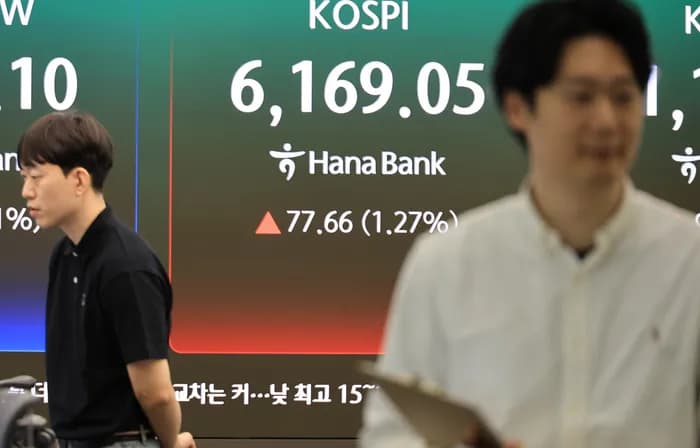
코스피, 33거래일 만에 6200선 탈환…종전 기대감이 만든 랠리
코스피가 16일 2.21% 급등하며 33거래일 만에 6200선을 재돌파했다.
미-이란 합의 6개월 전망…글로벌 랠리에 찬물
걸프·유럽 관리들, 미-이란 합의까지 6개월 걸릴 수 있다고 밝혀.
미-이란 협상 지연에 국제유가 배럴당 99달러 육박
브렌트유가 4% 급등하며 배럴당 98달러 58센트로 99달러에 육박했다.