Thailand's Non-Life Insurance Market Revises Growth Rate Amid Natural Disasters and Election Variables
2025 growth rate lowered from 3.5% to 2.5%; 2026 expected to benefit from economic stimulus and general election effects
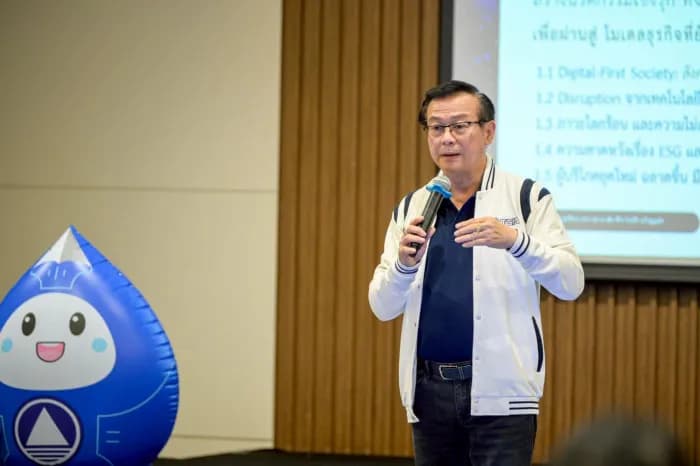
- •Thailand's non-life insurance industry's 2025 growth forecast has been revised down from 3.5% to 2.5% due to economic slowdown.
- •As the frequency and magnitude of natural disasters increase, insurers are accelerating the adoption of AI, IoT, and big data-based risk management systems.
- •2026 is expected to see consumption increases due to the new government's economic stimulus measures and general election effects, with digital transformation emerging as a key competitive factor.
Growth Rate Lowered by 1%p Due to Economic Slowdown
The Thai General Insurance Association (TGIA) announced on the 23rd that it has revised down its 2025 non-life insurance industry growth forecast from 3.5% to 2.5%. The primary driver is the overall slowdown in Thailand's economy.
In an interview with the Bangkok Post, TGIA President Somporn Suebthawilkul stated, "If the new government can restore consumer and business confidence, it will have a positive effect on domestic spending and the overall economy," suggesting that 2026 could see higher growth rates than this year.
Natural Disaster Risks: Both Frequency and Magnitude Increasing
The biggest variable facing Thailand's non-life insurance industry is the intensification of natural disasters. President Somporn pointed out, "In the past, flooding occurred once a year in limited areas, but now damage occurs multiple times throughout the year in numerous regions."
Accordingly, insurance companies are strengthening disaster risk assessments and building risk management systems utilizing innovative technologies. In particular, discussions are underway on systematically categorizing risk zones through flood zoning systems and applying this to premium calculations and portfolio management.
TGIA has proposed real-time updates to a digital flood risk map that can be jointly utilized by public and private sectors, and enhancing spatial risk assessment capabilities by combining Internet of Things (IoT) with Geographic Information Systems (GIS).
Digital Transformation and AI-Based Innovation Accelerating
Thailand's non-life insurance industry is accelerating innovation across products, services, and business models. President Somporn emphasized the urgency of digital transformation, stating, "Consumers now expect to seamlessly handle everything from policy purchase to claims filing through their smartphones."
In the auto insurance sector, work is underway to establish standard benchmark prices for vehicles and repair costs using AI and big data. This enables real-time reflection of market conditions, increases transparency in premium calculations, and reduces claims disputes.
In accident and health insurance, wellness programs, telemedicine, AI health assistants, predictive risk detection systems, and automated instant claims processing systems are attracting attention as key innovation drivers.
Artificial Intelligence (AI), big data, blockchain, Internet of Things (IoT), and sensor technologies play central roles in data analysis and proactive risk management. President Somporn emphasized, "The key is predicting and responding before problems occur, even acting before customers fully recognize their needs."
2026 Growth Drivers: General Election and Economic Stimulus
TGIA expects the industry's growth rate in 2026 to exceed this year's. The main drivers are expected to be the new government's fiscal stimulus measures and increased liquidity ahead of the general election.
President Somporn presented an optimistic outlook, stating, "Post-election increases in consumer and business spending will have a positive impact on non-life insurance industry growth."
Changes in Consumer Behavior and Trust-Based Purchasing Increase [AI Analysis]
New-generation consumers have gained higher information accessibility, enabling them to compare insurance products quickly and efficiently. Insurance is no longer simply a product for fulfilling legal obligations, but is being selected based on whether it provides real value grounded in trust.
These changes demand that insurers strengthen product transparency, improve digital experiences, and build proactive risk management capabilities. In particular, AI-based personalized services and real-time risk assessment systems are likely to become key competitive factors going forward.
Thailand's non-life insurance market's 2026 growth rate will likely depend on the effectiveness of fiscal policies and the frequency of natural disasters. Companies that establish digital transformation and data-based risk management systems early are likely to lead the market.
댓글 (4)
너무 슬픈 소식이네요. 피해자 분들과 가족에게 위로를 보냅니다.
이런 일이 다시는 반복되지 않았으면 합니다. Non-Life 관련 대책이 시급합니다.
위로의 말씀 공감합니다.
이런 비극이 일어나지 않도록 사회 전체가 경각심을 가져야 합니다.
More in AI & Tech

영국 정치지도자들, 아동 성착취 혐의에 대한 긴급 조사 촉구

A humanoid robot performing in China has a child's face on it.

U.S. jury finds Meta and Google responsible for ‘social media addiction’… 3.7 billion won compensation ruling

Japanese X-ray Observatory makes first direct measurement of ultrafast 'cosmic wind' in galaxy M82

NASA selects 24 people for 2026 Astrophysics Postdoctoral Fellowships

Ethereum is at a crossroads to ‘redefine its identity’ ahead of the quantum computing and AI era
Latest News
"간부 잘 아는데 교통비 좀" 휴가 군인들 돈 뜯은 50대 구속
50대 A씨가 휴가 중인 군인들에게 부대 간부를 아는 척 접근해 돈을 사취

英 옥토퍼스, 이란 전쟁 이후 태양광 판매 50% 증가
이란 전쟁 이후 영국 옥토퍼스의 태양광 판매량 50% 증가
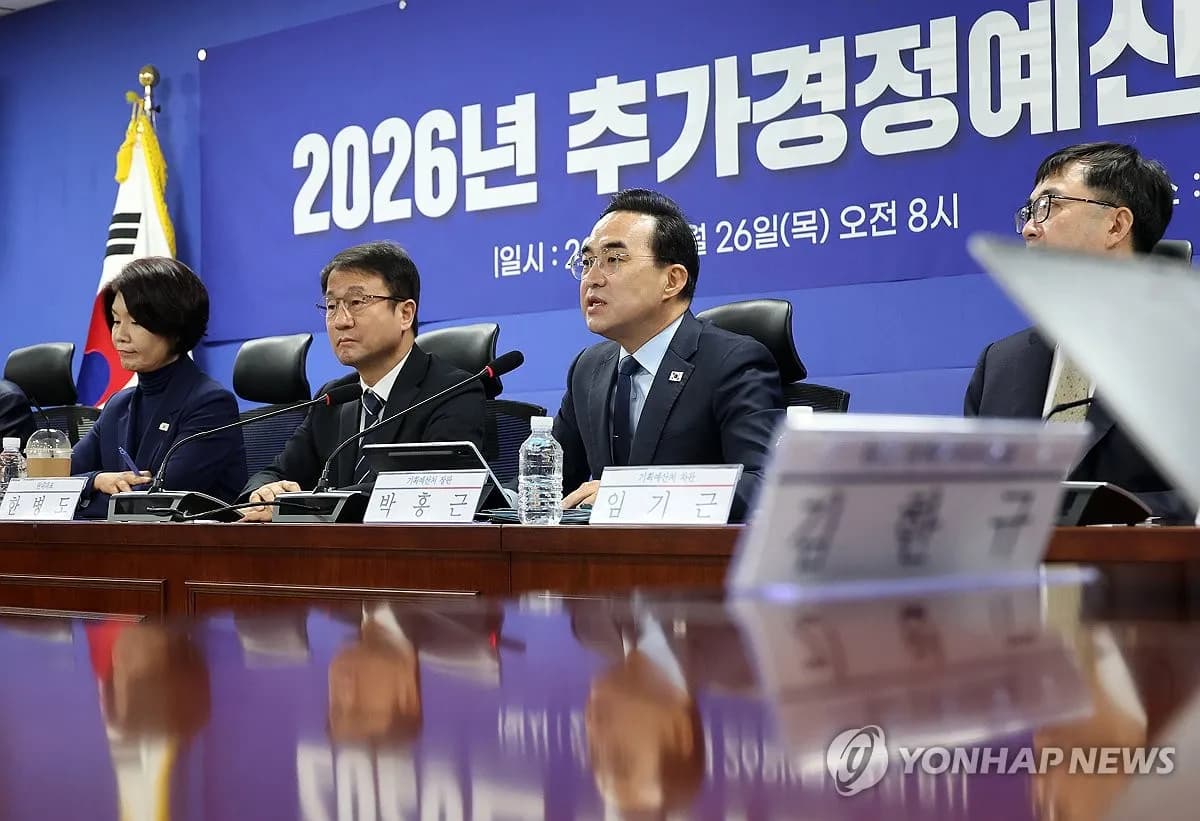
당정 "추경, 지방·취약계층에 더 지원되는 방식으로"
당정이 지방자치단체와 취약계층 중심의 추경 편성 방침 재확인
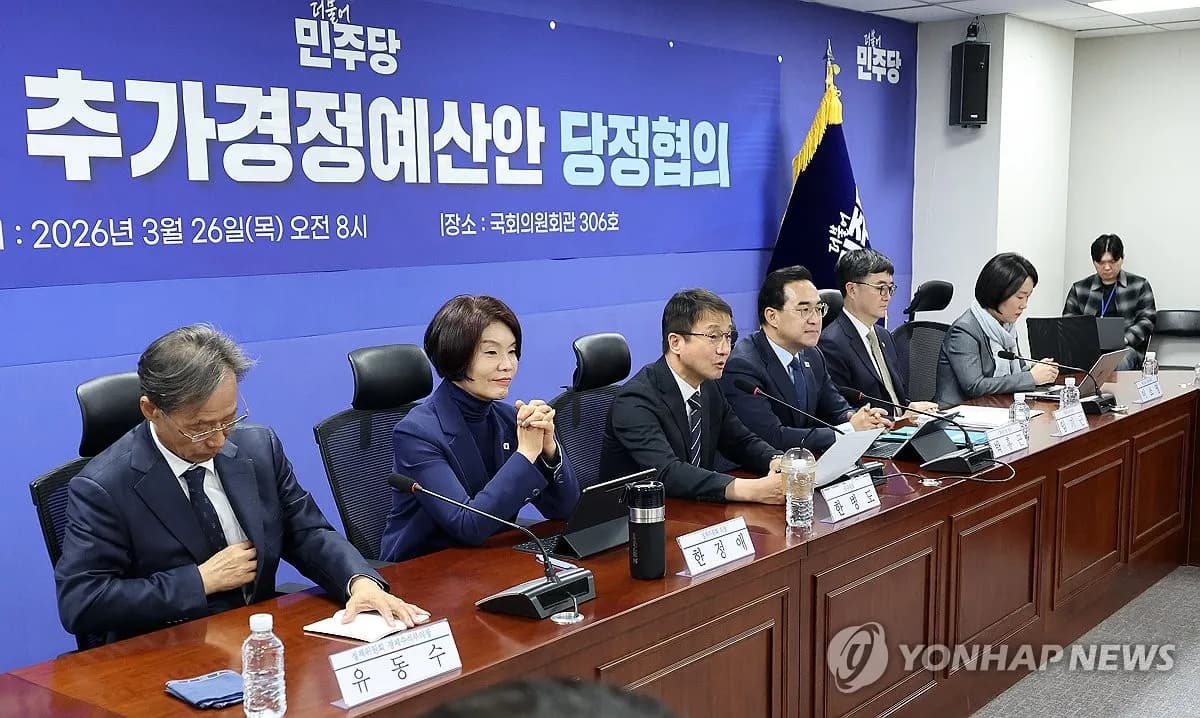
당정, 석유 최고가격제 손실 보전을 추경에 반영키로
당정이 석유 최고가격제 손실을 추경에 반영하기로 결정
어머니 폭행하고 금팔찌 빼앗은 30대 아들 경찰에 붙잡혀
어머니 폭행 후 금팔찌 빼앗은 30대 남성 체포
아이티 갱단 폭력사태로 10개월간 5천명 이상 사망
아이티에서 지난 10개월간 갱단 폭력으로 5천명 이상 사망

서방 정보당국 "러시아, 우크라이나 전쟁 후 이란에 드론·식량 공급"
서방 정보당국, 러시아의 이란 드론·식량 공급 작업 거의 완료 파악

6년 전 세 살 딸 살해한 30대 친모 구속송치
경찰, 6년 전 세 살 딸 살해 혐의 30대 친모를 구속송치