The Crisis of Global Peace Systems: Time to Prevent a Third Failure
International peace systems failed twice before, now face collapse risk amid current tensions
- •The world attempted international peace systems twice through the League of Nations and the UN, but both revealed limitations.
- •As we enter a multipolar era, risks of a third failure are growing due to intensifying great power rivalries and weakening multilateral cooperation.
- •South Korea faces strategic dilemmas amid U.S.-China conflict, with a required role as a middle power in contributing to building a new international order.
A History of Repeated Peace System Failures
Over the past century, the world has attempted to establish international peace systems twice, both ending in failure. Recent global developments suggest we may be heading toward a third failure.
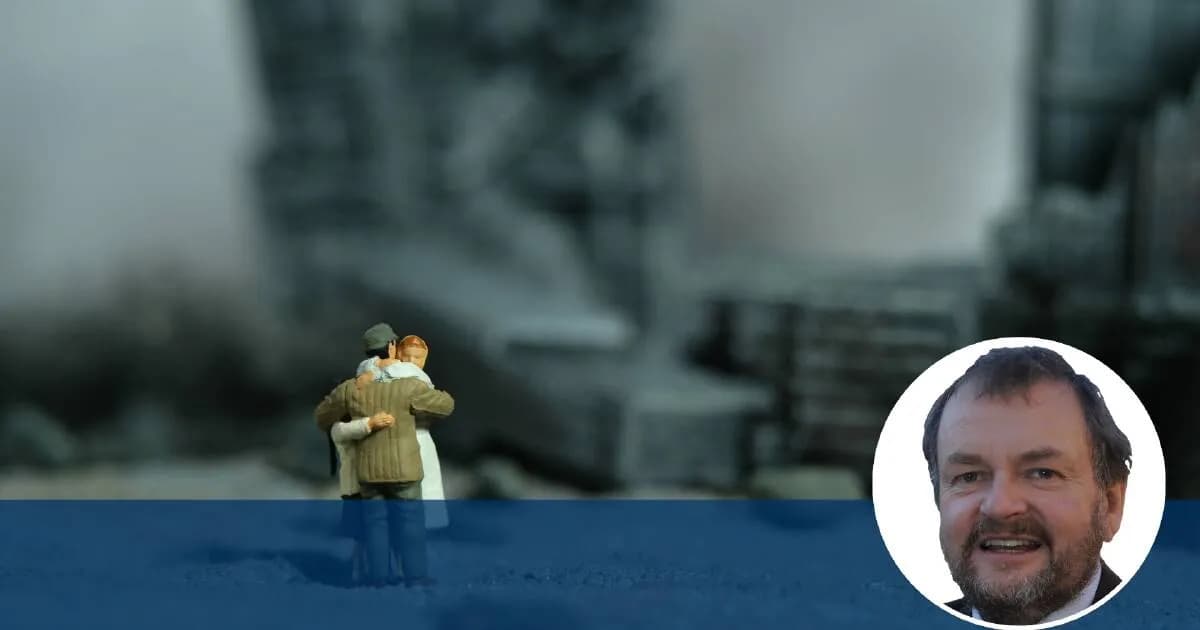
Crispin Hull, a prominent Australian political columnist, issued a strong warning in his recent column, stating that "the world cannot afford to fail this time."
Lessons from the Past: The League of Nations and the United Nations
Humanity developed systematic frameworks for international peace after experiencing two world wars in the 20th century.
The first attempt was the League of Nations, established after World War I. Founded in 1920, this organization sought to prevent war through collective security and international cooperation, but failed to stop World War II amid U.S. non-participation, major powers' withdrawal, and the rise of fascist forces.
The second attempt was the United Nations, established in 1945. While designed with a stronger structure learning from the League's failures, it often could not fulfill its intended role due to great power rivalries throughout the Cold War era.
Current Crisis: Challenges in the Multipolar Era
The U.S.-centered unipolar system following the Cold War's end has gradually weakened, and the international order is becoming multipolarized with the rise of China and Russia and the expanding influence of regional powers.
Major events in recent years symbolically demonstrate these changes:
- Prolonged Russia-Ukraine war
- Deepening instability in the Middle East
- Structural U.S.-China conflict
- Weakening multilateral cooperation frameworks
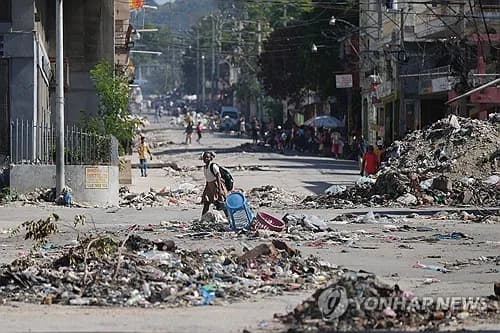
The UN Security Council has frequently been paralyzed by conflicts of interest among major powers, and respect for international law and norms has also weakened.
Impact on South Korea
The weakening of the international peace system has direct implications for the Korean Peninsula's security environment.
As a U.S. ally while maintaining close economic ties with China, South Korea faces growing strategic dilemmas as great power rivalries intensify. International cooperation to resolve the North Korean nuclear issue may also become increasingly difficult.
Historically, the Korean Peninsula has been sensitive to changes in international order. Korea lost its sovereignty amid the chaos of late 19th-century imperialism and experienced the tragedy of division during the Cold War. Therefore, the current weakening of the international peace system is not merely international news for Korea, but a matter directly connected to survival.
Future Outlook [AI Analysis]
To prevent a third peace system failure, restoration of multilateral cooperation and establishment of new international norms appear necessary.
A new international order based on genuine multilateralism, different from previous unipolar or bipolar systems, is required. This means an inclusive system that reflects the voices of not only great powers but also middle powers and developing countries.
Middle powers like South Korea are likely to serve as mediators and bridges during this transitional period. Practical cooperation beyond camp logic is essential to address new threats beyond traditional security, including climate change, pandemics, and cyber security.
However, if current trends continue, risks of frequent small-scale conflicts and difficulties in supplying global public goods amid regionally fragmented order cannot be ruled out. Whether the international community can learn from past failures to build a new peace system will be a critical turning point determining the next several decades.
댓글 (5)
The 상황이 심각하네요. 서민들 피해가 걱정됩니다.
맞습니다. 대비가 필요한 시점이에요.
Crisis 문제가 장기화되면 어떻게 될지 우려됩니다.
맞습니다. 대비가 필요한 시점이에요.
불안한 시기에 정확한 보도가 중요합니다. 좋은 기사 감사합니다.
More in Global

Latest News
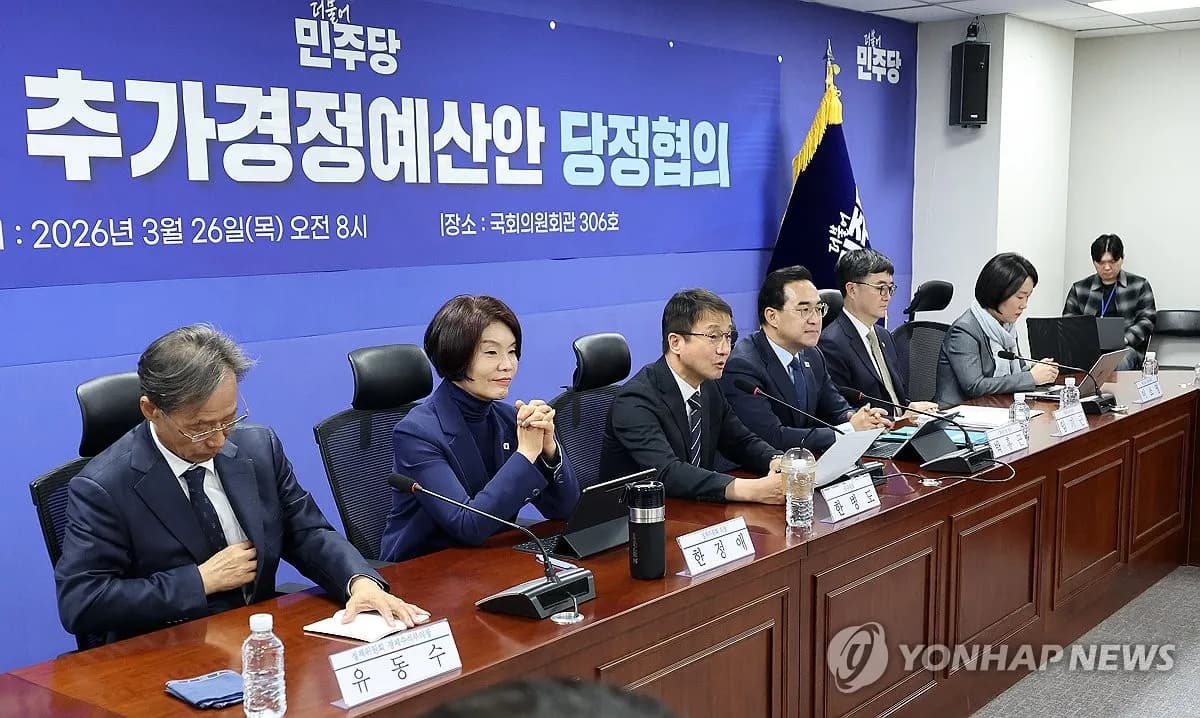
당정, 석유 최고가격제 손실 보전을 추경에 반영키로
당정이 석유 최고가격제 손실을 추경에 반영하기로 결정

6년 전 세 살 딸 살해한 30대 친모 구속송치
경찰, 6년 전 세 살 딸 살해 혐의 30대 친모를 구속송치

中企 수입 나프타의 80% 이상이 중동산…공급망 위기 심화
중소기업 수입 나프타의 80% 이상이 중동산으로 공급 의존도 높음

미·이란 긴장 한 달, 금융시장 요동…장기화 우려
미·이란 갈등으로 증시 변동성 확대, 코스피 6천 고지 후 등락

미·이란 전쟁 한 달, 미국 전문가 "종전·확전 기로"
미·이란 전쟁 1개월 도래, 종전·확전 기로 평가

미·이란 전쟁 1개월, 한국 안보·공급망 취약점 노출
미·이란 전쟁 장기화로 한국 안보·경제 취약점 노출