The Future of Living on the Moon, Mars, and Deep Sea: Houses Designed by Architects
SAGA Space Architects Presents the Conditions for Habitable Spaces in Extreme Environments
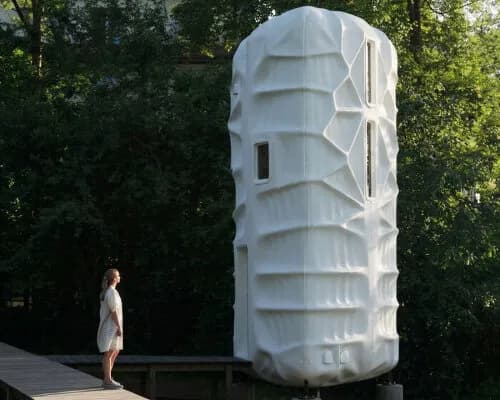
- •SAGA Space Architects is developing architectural designs for habitation on the Moon, Mars, and in the deep sea.
- •The reason sleeping pills are most commonly used on the space station is due to environments that don't align with circadian rhythms.
- •Extreme environment habitat research is expected to apply not only to space but also to Earth's deep sea and polar environments.
The Most Common Medication on the Space Station is Sleeping Pills
The most frequently taken medication by astronauts on the International Space Station (ISS) is sleeping pills. This is because the light cycles experienced while orbiting do not align with human circadian rhythms. The body cannot determine when to sleep or wake, and this confusion persists for weeks to months, affecting performance, mood, and physical health.
SAGA Space Architects, an architecture and space studio based in Copenhagen, Denmark, views this not as a spacecraft problem but as a design flaw in living spaces. Founded by Sebastian Aristotelis and Karl-Johan Sørensen, the studio argues that for humans to actually live on the Moon, Mars, and in the deep sea, structures must first be adapted to human needs.
Three Extreme Environments: Moon, Mars, and Deep Sea
The Moon is the closest surface to Earth. NASA's Artemis program aims to establish a permanent human settlement on the Moon within this decade.
Mars represents a more distant future. It has a 24.6-hour day cycle, evidence of past water presence, and due to its distance from Earth, requires habitats that can sustain life for years without resupply during missions.
The deep sea is closer and already accessible, yet less than 0.01% has been directly explored. These three environments each possess resources and research potential, and in the case of Mars, raise questions about whether human civilization can exist beyond a single planet.
For SAGA Space Architects, all three locations present the same design challenge: people must live there, yet nothing has been designed for that purpose.
Lunar Habitats Tested in the Arctic, Mars Shelters Powered by Dust Storms
SAGA has designed lunar habitats tested in the Arctic, Mars shelter concepts powered by dust storms, underwater structures installed on the bottom of Copenhagen harbor, and training facilities for the European Space Agency (ESA).
When the studio begins these projects, the first consideration is the human body. The key is to design with human physical needs at the center when location and environment change. People living in confined spaces for months need natural light, privacy, and space for mental stability.
The History of Space Architecture: From Survival to Living
Early space exploration focused on survival. The Soviet Soyuz capsules and American Gemini spacecraft of the 1960s provided only enough space for people to 'sit.' With the emergence of Skylab in the 1970s, spacious interiors appeared for the first time, and the International Space Station, constructed from 1998, introduced a modular structure capable of long-term habitation.
However, even the ISS has not fully resolved astronauts' circadian rhythm issues. In an orbital environment experiencing sunrise and sunset every 90 minutes, artificial lighting alone has proven insufficient.
With the rise of private space companies like SpaceX and Blue Origin in the 2010s, discussions about long-term habitation began in earnest. In the 2020s, NASA's Artemis program and China's lunar base plans are shifting space architecture from the realm of 'temporary stay' to 'permanent settlement.'
Future Outlook [AI Analysis]
SAGA Space Architects' approach demonstrates that space architecture is not simply a technical problem but one of human-centered design. As the likelihood of actual lunar habitat construction within the next decade increases, designs considering circadian rhythm maintenance, psychological stability, and long-term health are expected to become essential elements.
Mars habitation is a more distant future, but technologies currently under development can also be utilized in Earth's extreme environments—deep sea, polar regions, and high-altitude areas. Particularly, deep-sea habitation structures have higher accessibility than space and may be commercialized more quickly as research stations, marine resource extraction facilities, and climate change response installations.
Ultimately, this research on extreme environment habitats asks both whether humanity can live beyond Earth and whether we can design life on Earth in better ways.
댓글 (3)
기사 잘 봤습니다. 다른 시각의 분석도 읽어보고 싶네요.
공감합니다. 참고하겠습니다.
Future에 대해 더 알고 싶어졌습니다. 후속 기사 부탁드립니다.
More in Culture & Art

‘Crush’, ‘Tero’, ‘Jidae’… The languages of North and South Korea are becoming increasingly distant.
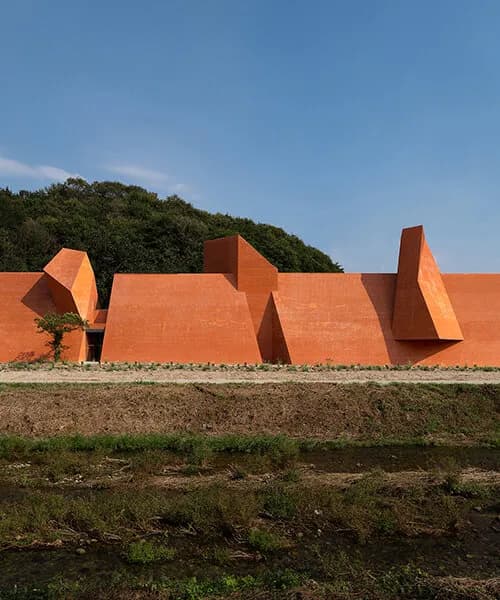
‘Fortress Café’ stands tall in the forests of Gangwon-do, reinterpreting ancient fortress walls through modern architecture.
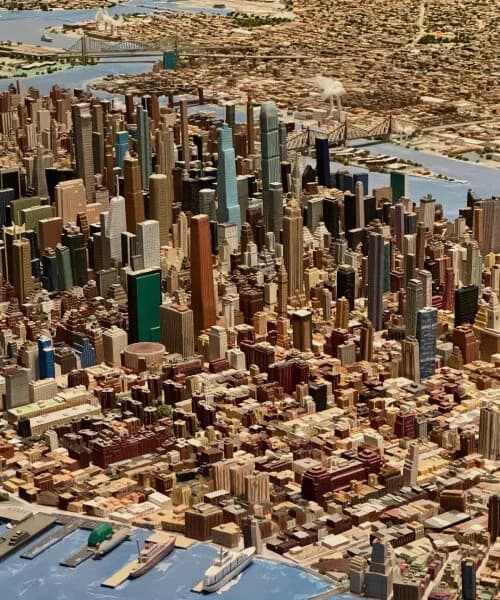
New York, hand-carved for 21 years, unveiled for the first time at an art museum
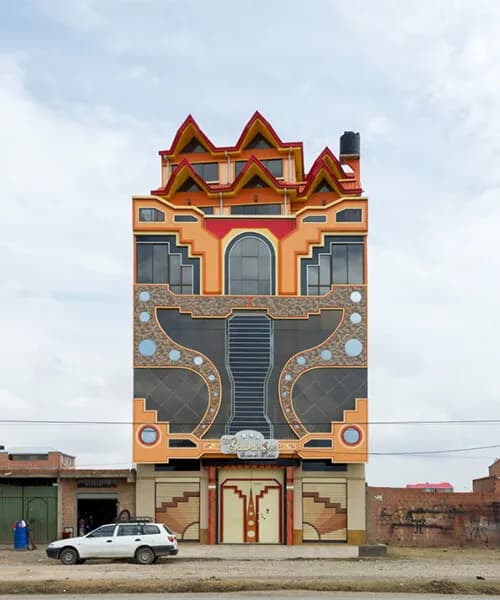
Freddie Mamani colors the city with Andean culture
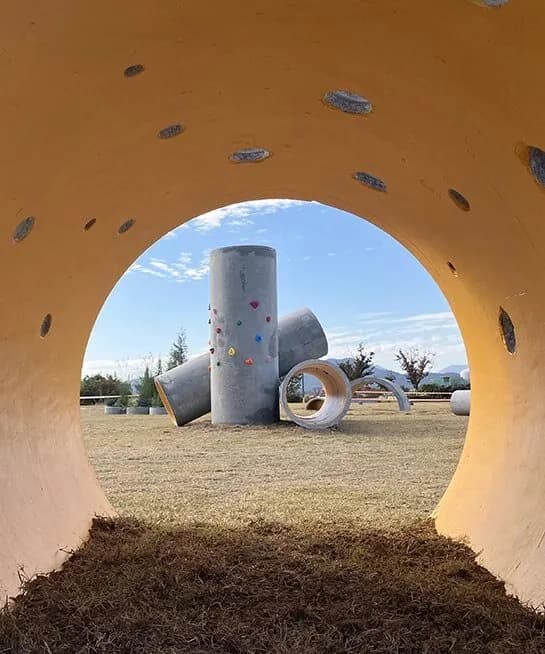
An abandoned concrete pipe is reborn as a playground... Busan Museum of Art ‘Concrete Utopia’
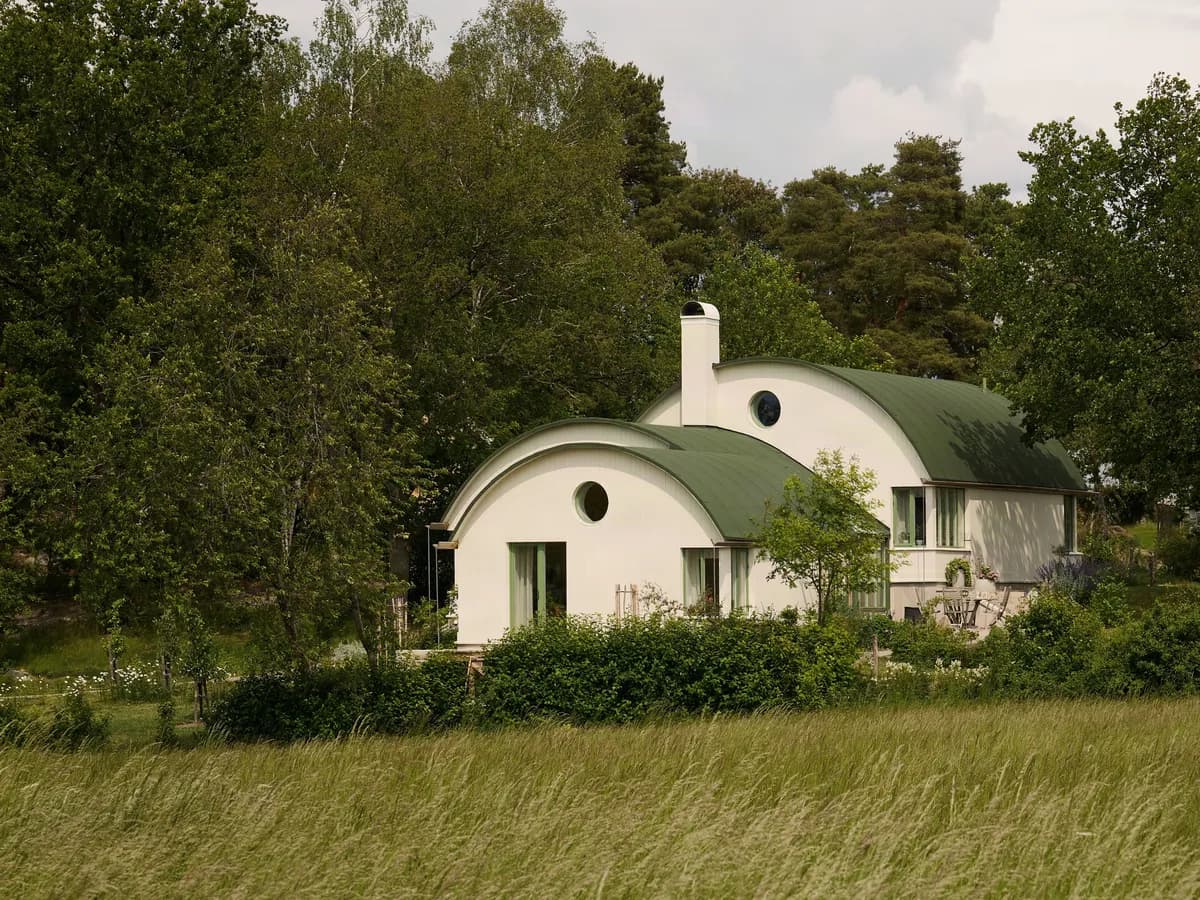
A Swedish artist's house, the essence of architecture that becomes one with nature
Latest News
"간부 잘 아는데 교통비 좀" 휴가 군인들 돈 뜯은 50대 구속
50대 A씨가 휴가 중인 군인들에게 부대 간부를 아는 척 접근해 돈을 사취
英 옥토퍼스, 이란 전쟁 이후 태양광 판매 50% 증가
이란 전쟁 이후 영국 옥토퍼스의 태양광 판매량 50% 증가

당정 "추경, 지방·취약계층에 더 지원되는 방식으로"
당정이 지방자치단체와 취약계층 중심의 추경 편성 방침 재확인

당정, 석유 최고가격제 손실 보전을 추경에 반영키로
당정이 석유 최고가격제 손실을 추경에 반영하기로 결정
어머니 폭행하고 금팔찌 빼앗은 30대 아들 경찰에 붙잡혀
어머니 폭행 후 금팔찌 빼앗은 30대 남성 체포

아이티 갱단 폭력사태로 10개월간 5천명 이상 사망
아이티에서 지난 10개월간 갱단 폭력으로 5천명 이상 사망
서방 정보당국 "러시아, 우크라이나 전쟁 후 이란에 드론·식량 공급"
서방 정보당국, 러시아의 이란 드론·식량 공급 작업 거의 완료 파악

6년 전 세 살 딸 살해한 30대 친모 구속송치
경찰, 6년 전 세 살 딸 살해 혐의 30대 친모를 구속송치