Turkey Projects Inflation to Slow to 30% Amid Structural Reforms and Fiscal Consolidation
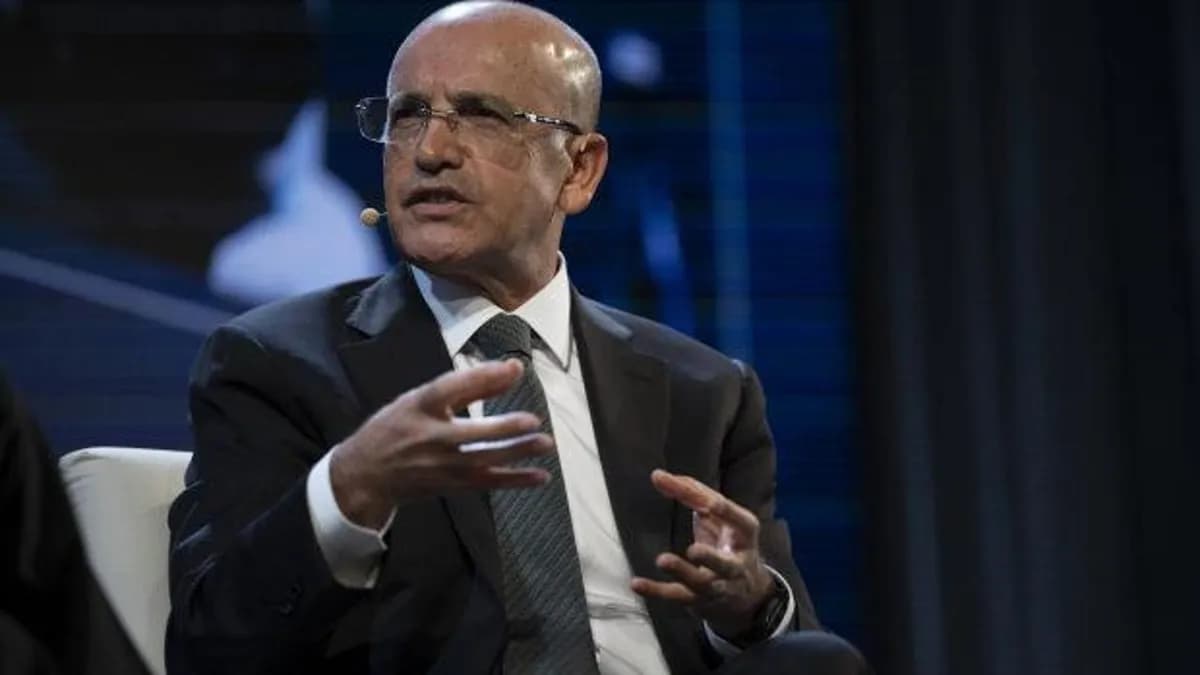
Finance Minister Mehmet Şimşek Presents Medium-Term Inflation Targets at IIF Annual Meeting
- •Turkish government targets 30% inflation by year-end, aiming for single digits by 2027
- •Fiscal deficit reduced to 3.5% of GDP despite $90 billion earthquake reconstruction spending
- •Current account improvement driven by rising energy self-sufficiency; external debt ratio falls from 50% to 36%
Inflation Target: 30% This Year, Single Digits by 2027
The Turkish government has set a medium-term goal of reducing year-end consumer price inflation to around 30% this year and bringing it down to single digits by 2027.
At the International Institute of Finance (IIF) annual meeting in Washington, D.C., Finance Minister Mehmet Şimşek stated, "We expect inflation to close the year at around 30%," adding that "our goal is to lower it to the teens by the end of 2026 and to single digits the following year."
This represents a sharp deceleration from inflation rates of 44% last year and 65% the year before. Turkey has experienced severe inflation since the May 2023 elections, but has been gradually stabilizing prices through tight monetary policy and fiscal consolidation.
Fiscal Deficit Reduction Despite Earthquake Reconstruction
Minister Şimşek also highlighted improvements in fiscal health. The government's fiscal deficit has been reduced from 5% of GDP several years ago to the current 3.5% level.
Notably, this fiscal consolidation has been achieved while spending approximately $90 billion on reconstruction following the devastating earthquake in February 2023. "Despite the reconstruction burden, the fiscal integration process is ongoing," Şimşek explained.
Turkey's national debt ratio stands at 25% of GDP, very low compared to emerging market averages. "The main purpose of fiscal consolidation is to support the central bank's monetary tightening," Şimşek noted, adding that "we plan to maintain this policy through 2028."
Current Account Surplus Achieved Through Energy Self-Sufficiency
The current account deficit, traditionally a weakness of the Turkish economy, is also improving.
Şimşek revealed that "last year's current account deficit was 0.8% of GDP, and excluding gold imports, we actually recorded a surplus." This year's deficit is expected to remain around 1.4% of GDP, with another surplus likely when gold is excluded.
This transformation is largely attributed to increased domestic oil and natural gas production. "The rise in energy self-sufficiency is a relatively recent development," Şimşek explained, noting that "a structural transformation is underway."
Slower growth has also played a role. Turkey's average growth rate over the past two years has been 3.3%, lower than the 5.5% average over the past 20-25 years. However, Şimşek projected that "if structural reforms continue, we will return to a more sustainable high-growth path."
External Debt Reduction, Unemployment Steady at 8%
Turkey's external debt ratio has fallen from over 50% of GDP to 36%. Total external financing needs have also decreased from 20-25% of GDP to 16-17%.
"These are key indicators we monitor very closely," Şimşek emphasized, noting that "they show Turkey's external vulnerabilities have significantly improved."
The labor market remains in good shape. The unemployment rate has held steady at 8-8.5%, showing relative stability. Şimşek assessed that "this gives us room to continue tight monetary policy."
Future Outlook [AI Analysis]
The Turkish economy is likely to continue its delicate balancing act of pursuing tight monetary policy and fiscal consolidation simultaneously while maintaining growth momentum.
However, severe drought and cold weather this year have caused agricultural prices to surge, which could create short-term inflationary pressures. While Şimşek mentioned that "unprocessed food price increases are a temporary effect," climate factors are expected to remain a variable in the inflation trajectory.
In the long term, improvement in energy self-sufficiency and the continuation of structural reforms will be key variables. If the "more structural reforms" emphasized by Şimşek are implemented, Turkey is expected to follow a path that stabilizes inflation while recovering its potential growth rate.
댓글 (3)
이 위기를 어떻게 극복할 수 있을지 전문가 의견이 더 필요합니다.
걱정이 많이 되네요. 좋은 지적입니다.
Projects 문제가 장기화되면 어떻게 될지 우려됩니다.
More in Economy

당정, 석유 최고가격제 손실 보전을 추경에 반영키로

미·이란 긴장 한 달, 금융시장 요동…장기화 우려

뉴욕증시 3대 지수 동반 상승…이란 휴전 기대감

Elon Musk's X recruits a cryptocurrency expert as head of design... ‘X Money’ launch imminent

BitGo-GK Sync plans to build ‘tokenized deposit’ infrastructure for banks

The other side of prediction markets: Ethical dilemmas of cryptocurrency platforms dealing in war and terrorism
Latest News
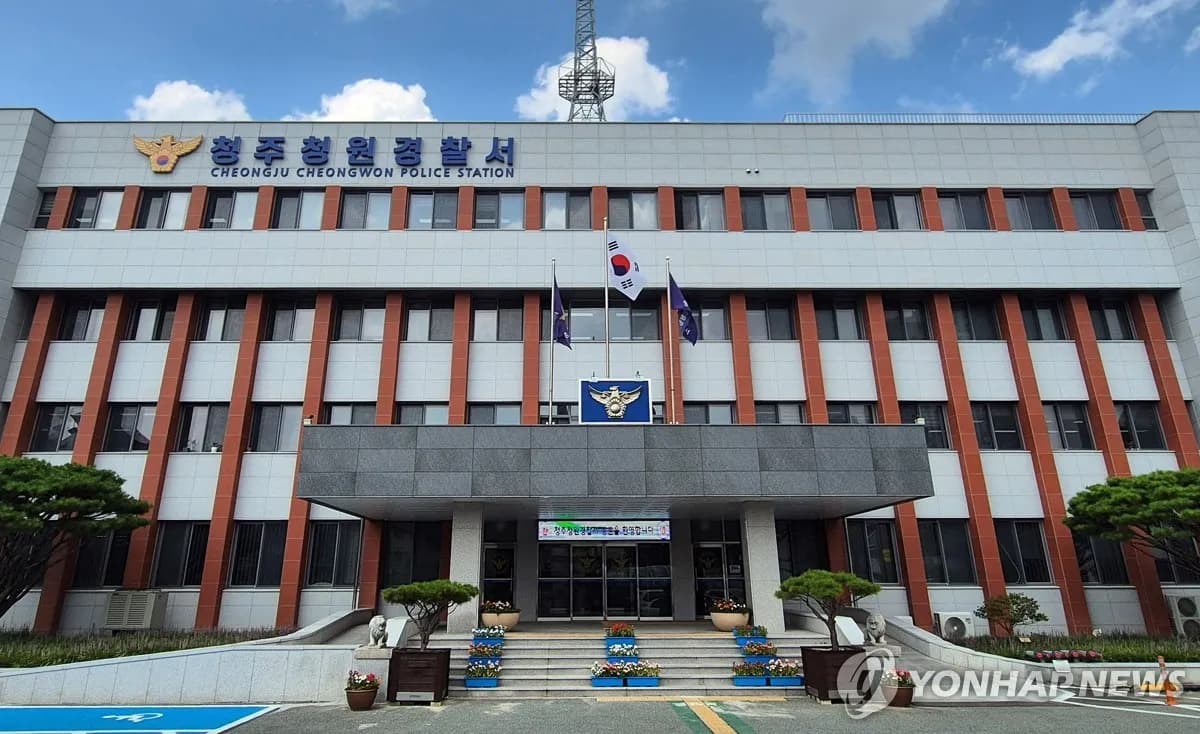
"간부 잘 아는데 교통비 좀" 휴가 군인들 돈 뜯은 50대 구속
50대 A씨가 휴가 중인 군인들에게 부대 간부를 아는 척 접근해 돈을 사취

英 옥토퍼스, 이란 전쟁 이후 태양광 판매 50% 증가
이란 전쟁 이후 영국 옥토퍼스의 태양광 판매량 50% 증가
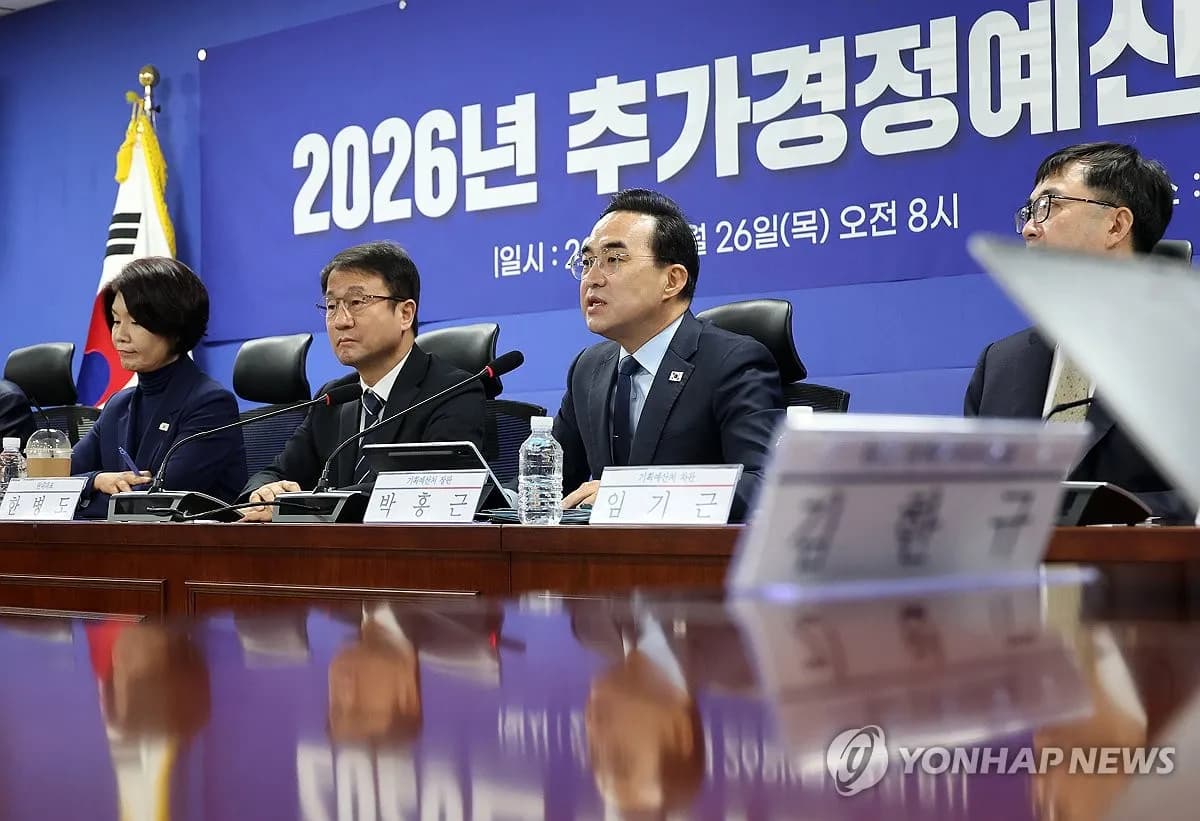
당정 "추경, 지방·취약계층에 더 지원되는 방식으로"
당정이 지방자치단체와 취약계층 중심의 추경 편성 방침 재확인
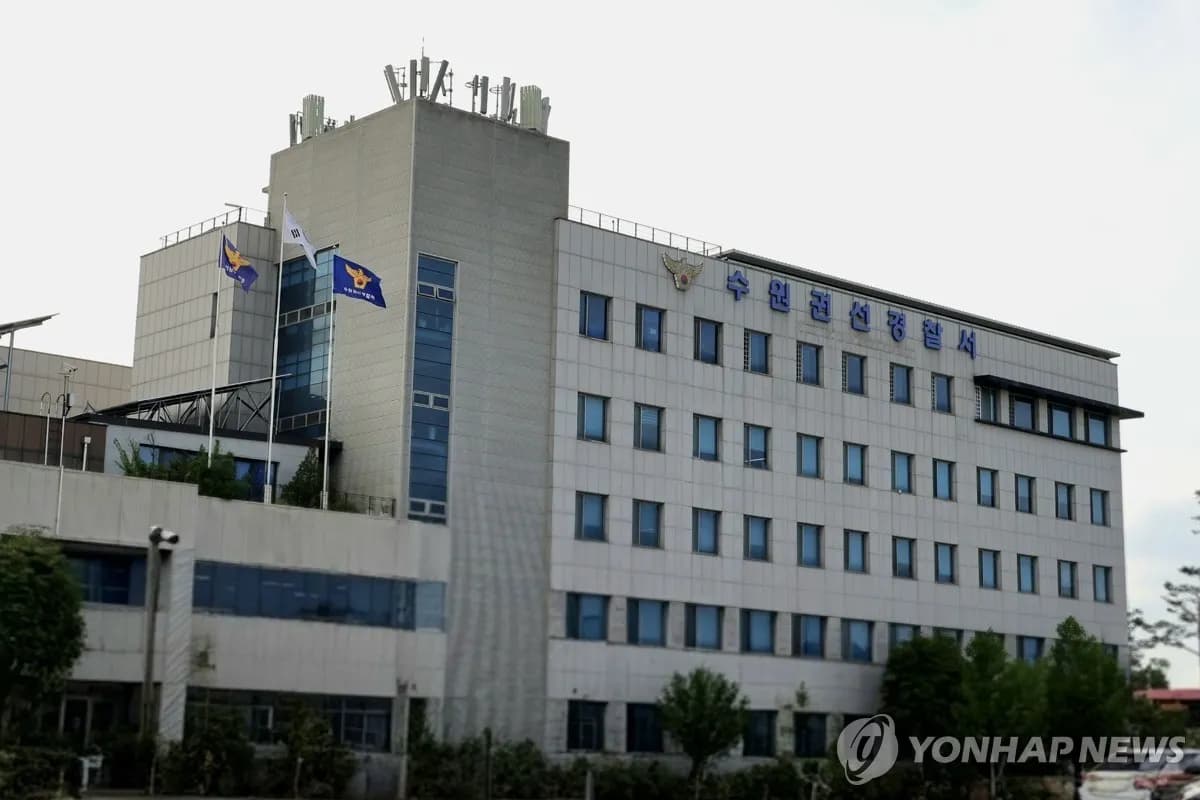
어머니 폭행하고 금팔찌 빼앗은 30대 아들 경찰에 붙잡혀
어머니 폭행 후 금팔찌 빼앗은 30대 남성 체포
아이티 갱단 폭력사태로 10개월간 5천명 이상 사망
아이티에서 지난 10개월간 갱단 폭력으로 5천명 이상 사망
서방 정보당국 "러시아, 우크라이나 전쟁 후 이란에 드론·식량 공급"
서방 정보당국, 러시아의 이란 드론·식량 공급 작업 거의 완료 파악

6년 전 세 살 딸 살해한 30대 친모 구속송치
경찰, 6년 전 세 살 딸 살해 혐의 30대 친모를 구속송치

中企 수입 나프타의 80% 이상이 중동산…공급망 위기 심화
중소기업 수입 나프타의 80% 이상이 중동산으로 공급 의존도 높음