UAE Economic Indicators Reveal Status as Middle East Financial Hub
94% Foreign Population, High GDP Per Capita and Low Debt Ratio Maintain Investment Appeal
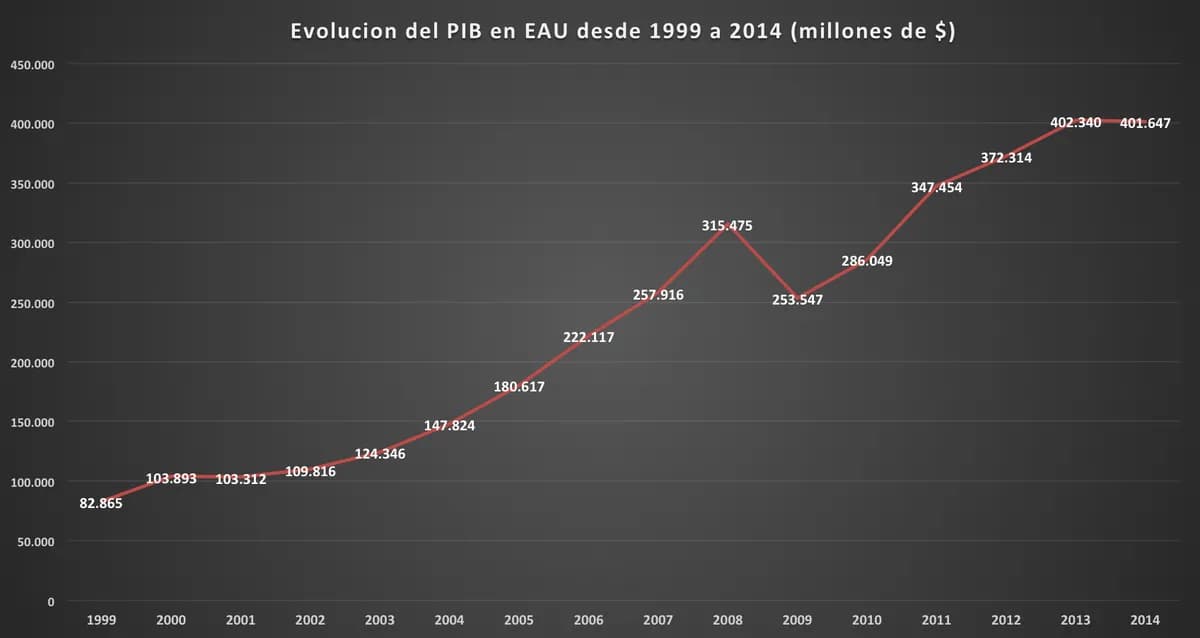
- •The UAE is the world's highest immigrant-ratio country with 94% of its 10.7 million population being foreigners.
- •Moving away from oil dependency, it maintains a world top-30 economy centered on finance, logistics, and tourism.
- •Low corruption levels, stable institutional foundation, and dollar-pegged currency policy create high investment appeal.
From Oil Dependency to Financial Center
The United Arab Emirates (UAE) has transformed from an oil-dependent economy into the Middle East's financial, logistics, and tourism hub in just a few decades. Despite being a small nation with an area of approximately 98,000 km², it boasts a world top-30 economy and has established itself as a key base for international investment and business.
The UAE has a population of approximately 10.7 million, but what's unique is that 93.8% are foreigners. Foreign workers from Asia, Europe, and various Middle Eastern countries form the backbone of economic activity, while nationals comprise only about 6% of the total population. This represents the world's highest immigrant ratio, clearly demonstrating the UAE's economic openness and labor market structure.
High GDP Per Capita and Stable Fiscal Structure
GDP per capita is a key indicator showing the UAE economy's strength. As a Middle Eastern oil-producing nation, national income levels are high, supported by high-value-added service industries centered in Dubai and Abu Dhabi.
The public debt ratio is also maintained at appropriate levels. Thanks to oil export revenues and a finance service-centered economic structure, fiscal soundness remains favorable, which serves as a trust-building factor for investors.
Human Capital and Business Environment
The UAE receives high ratings in indicators such as the Human Development Index (HDI), Human Capital Index, and Ease of Doing Business Index. Educational and healthcare infrastructure are well-established, providing a favorable environment for foreign investors and companies to start and operate businesses.
Particularly, the low Corruption Perceptions Index and stable institutional foundation make the UAE one of the most trusted investment destinations in the Middle East region. The government's pro-business policies and operation of free trade zones are reasons why global companies choose the UAE as their bridgehead for Middle East expansion.
UAE Currency and Exchange Rate Stability
The UAE's official currency is the Dirham (AED), which is pegged to the US dollar. This minimizes exchange rate volatility and increases predictability in international transactions. In an economic structure centered on oil trading and financial services, dollar linkage plays an important role in securing stability.
Flow from Past to Present
The UAE economy went through an oil export boom in the 1970s and began full-scale economic diversification policies from the 1990s. Entering the 2000s, Dubai emerged as a center for finance and tourism, and in the 2010s, Abu Dhabi strengthened its status as a cultural and educational hub.
The COVID-19 pandemic in 2020 also dealt a blow to the UAE economy, but it showed recovery through rapid vaccination and accelerated digital transformation. After 2022, global energy price increases combined with geopolitical stability in the Middle East region created a foundation for resurgence.
Future Outlook [AI Analysis]
The UAE is likely to continue promoting its post-oil economic transition. Investments in new industries such as renewable energy, artificial intelligence, and fintech are expanding, with clear movements to further diversify the economic structure by 2030.
However, dependence on foreign labor remains a social challenge. Expanding employment for nationals and training technical personnel will likely become important policy directions in the medium to long term. Additionally, competition for investment attraction with regional competitors (Saudi Arabia, Qatar) is expected to intensify.
Overall, the UAE is expected to strengthen its position as the Middle East's financial and business hub based on stable finances, excellent infrastructure, and strategic location.
댓글 (3)
흥미로운 주제입니다. 주변에도 공유해야겠어요.
좋은 의견이십니다.
기사 잘 봤습니다. 다른 시각의 분석도 읽어보고 싶네요.
More in Economy

당정, 석유 최고가격제 손실 보전을 추경에 반영키로

미·이란 긴장 한 달, 금융시장 요동…장기화 우려
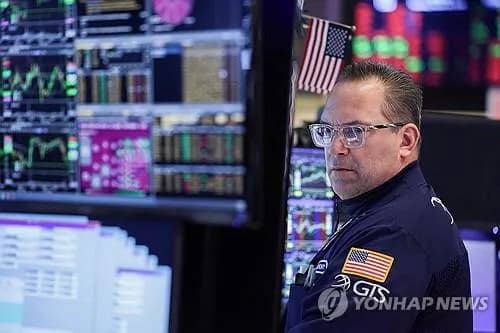
뉴욕증시 3대 지수 동반 상승…이란 휴전 기대감

Elon Musk's X recruits a cryptocurrency expert as head of design... ‘X Money’ launch imminent

BitGo-GK Sync plans to build ‘tokenized deposit’ infrastructure for banks
The other side of prediction markets: Ethical dilemmas of cryptocurrency platforms dealing in war and terrorism
Latest News
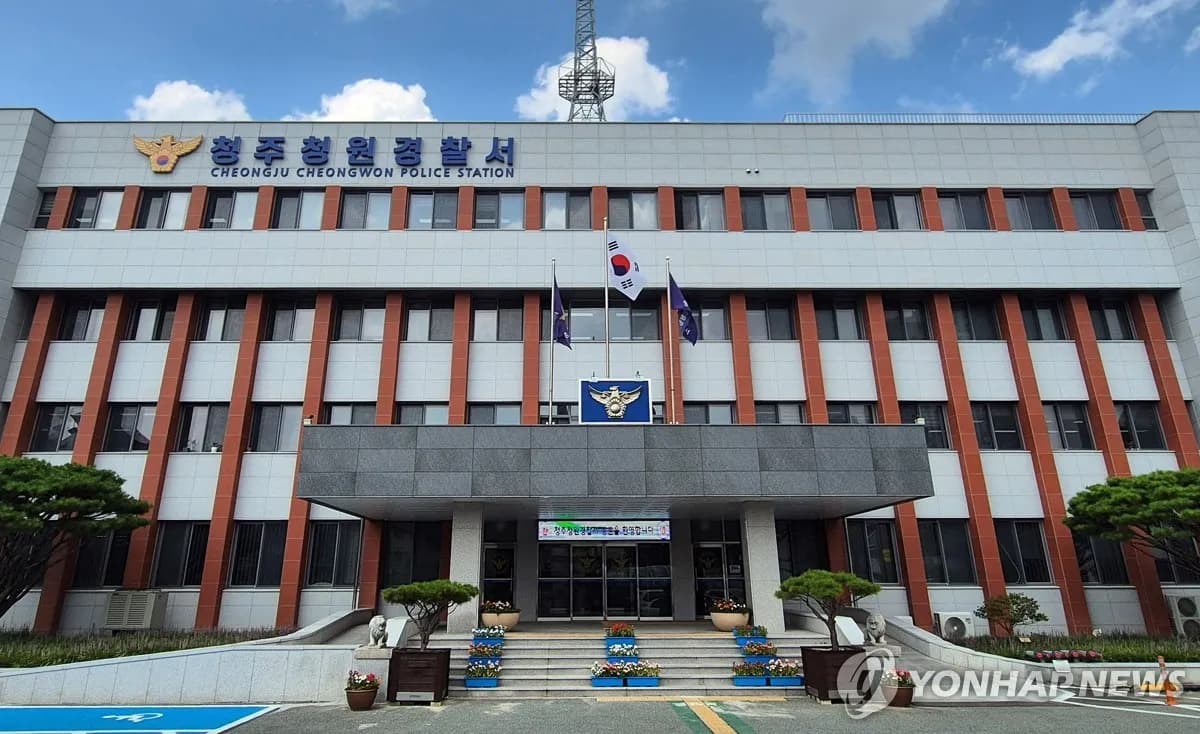
"간부 잘 아는데 교통비 좀" 휴가 군인들 돈 뜯은 50대 구속
50대 A씨가 휴가 중인 군인들에게 부대 간부를 아는 척 접근해 돈을 사취

英 옥토퍼스, 이란 전쟁 이후 태양광 판매 50% 증가
이란 전쟁 이후 영국 옥토퍼스의 태양광 판매량 50% 증가

당정 "추경, 지방·취약계층에 더 지원되는 방식으로"
당정이 지방자치단체와 취약계층 중심의 추경 편성 방침 재확인
어머니 폭행하고 금팔찌 빼앗은 30대 아들 경찰에 붙잡혀
어머니 폭행 후 금팔찌 빼앗은 30대 남성 체포
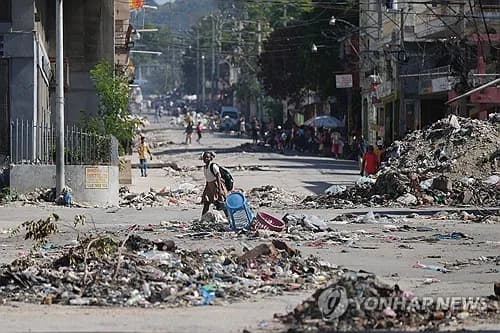
아이티 갱단 폭력사태로 10개월간 5천명 이상 사망
아이티에서 지난 10개월간 갱단 폭력으로 5천명 이상 사망

서방 정보당국 "러시아, 우크라이나 전쟁 후 이란에 드론·식량 공급"
서방 정보당국, 러시아의 이란 드론·식량 공급 작업 거의 완료 파악

6년 전 세 살 딸 살해한 30대 친모 구속송치
경찰, 6년 전 세 살 딸 살해 혐의 30대 친모를 구속송치

中企 수입 나프타의 80% 이상이 중동산…공급망 위기 심화
중소기업 수입 나프타의 80% 이상이 중동산으로 공급 의존도 높음