UN begins in earnest to mediate war in Middle East... Establishes Strait of Hormuz Task Force
More than 90% of maritime transportation paralyzed in the Strait of Hormuz, the worst global supply chain crisis since Corona

- •UN announces appointment of special envoy for Middle East war mediation and establishment of Strait of Hormuz task force
- •Strait traffic plummets by 90%, facing the worst global supply chain crisis since Corona
- •A direct impact is inevitable on the Korean economy, which is dependent on fertilizer and energy imports.
UN launches dual strategy to resolve Middle East conflict
UN Secretary-General Antonio Guterres announced two key initiatives to prevent the spread of war in the Middle East. The first is the appointment of a personal envoy to lead mediation diplomacy, and the second is the formation of a dedicated task force to ensure the transportation of humanitarian goods through the Strait of Hormuz.
Secretary-General Guterres warned that the current conflict was "out of control" and urged the United States and Israel to stop the war and Iran to stop attacking its neighbors. He emphasized, “It is time to stop climbing the ladder of war escalation and start climbing the ladder of diplomacy.”
Blockade of the Strait of Hormuz, a direct hit to the global economy
The background to this measure is the long-term blockade of the Strait of Hormuz. According to the Food and Agriculture Organization of the United Nations (FAO), oil tanker traffic in the area has plummeted by more than 90%. This is the level of virtually blocking the global movement of oil, gas, and fertilizers.
The United Nations Office for the Coordination of Humanitarian Affairs (OCHA) called the crisis "the most serious disruption of global humanitarian supply chains since COVID-19 and the war in Ukraine." In particular, disruption of fertilizer supply as the planting season approaches poses a direct threat to global agricultural production and food security.
Task force, how it works
The Strait of Hormuz Task Force is led by Giorgi Moreira da Silva, Secretary-General of the United Nations Organization for Projects and Procurement (UNOPS). Representatives from the United Nations Conference on Trade and Development (UNCTAD), the International Maritime Organization (IMO), and the International Chamber of Commerce will participate.
The task force's core mission is to facilitate the commercial fertilizer trade and movement of related raw materials. “Preventing a large-scale humanitarian crisis in the Middle East and beyond, especially in Africa and Asia, where we depend on fertilizer imports, is an urgent priority,” said Secretary-General Moreira da Silva.
Applying the UN’s proven mechanisms
This task force was modeled after the UN's existing success stories. References include the Yemen Verification and Monitoring Mechanism, the Black Sea Grain Agreement for Ukrainian grain exports, and the Special Mechanism for Gaza Relief Materials specified in UN Security Council Resolution 2720.
“If successful, this mechanism will build confidence in the diplomatic approach among member states and serve as a stepping stone toward a broader political agreement,” said UN spokesman Stephane Dujarric.
Arbitration expert with 40 years of experience, appointed as personal envoy
Secretary-General Guterres appointed veteran French diplomat Jean Arnault as personal special envoy for Middle East conflicts. Special Envoy Arnault is a person with approximately 40 years of international diplomatic experience in the field of peaceful dispute resolution and mediation.
Special Envoy Arnault will contact all parties and support mediation and peace efforts. It was tasked with comprehensively reviewing the impact of the conflict on civilians in the region and the world, as well as its ripple effects on the global economy.
Current status of humanitarian crisis
Currently, humanitarian aid routes throughout the Middle East are severely blocked. “The timely delivery of life-saving food, medical supplies and emergency relief supplies to millions of people is at risk,” OCHA warned. The humanitarian crisis is deepening as deaths, injuries, and damage to civilian infrastructure increase.
Impact on Korea
The Strait of Hormuz is a key route through which approximately 20% of the world's maritime oil transport volume passes. A direct blow to the Korean economy, which is highly dependent on imports of Middle Eastern crude oil, is inevitable. Disruptions in fertilizer supply may lead to increases in domestic agricultural production costs, and energy price volatility is also expected to increase.
Future outlook [AI analysis]
It seems unlikely that the UN's dual strategy will end the conflict in the short term. However, if the Strait of Hormuz Task Force is successful, it is likely that it will at least contribute to alleviating the global food security crisis.
Considering the precedent set by the Black Sea Grain Agreement, an agreement on limited passage for humanitarian purposes could be a trust-building measure that opens the door to political negotiations. However, unless the fundamental conflict structure between the United States, Israel, and Iran is resolved, the unstable situation is likely to be prolonged.
For the Korean government, diversifying energy imports, strengthening management of strategic oil reserves, and expressing diplomatic support for UN humanitarian initiatives can be considered as realistic responses.
댓글 (5)
이 사안은 신중하게 접근해야 한다고 봅니다.
균형 잡힌 시각이 필요하다는 데 동의합니다.
이 문제의 본질이 무엇인지 깊이 생각해볼 필요가 있습니다.
팩트에 기반한 냉정한 판단이 필요한 시점입니다.
중요한 포인트를 짚으셨네요.
More in Global

Chungbuk Education Office Official Faces Arrest Warrant for Illegal Filming in Restaurant Restroom

Car Strikes Multiple Pedestrians in Derby City Centre, One Arrested
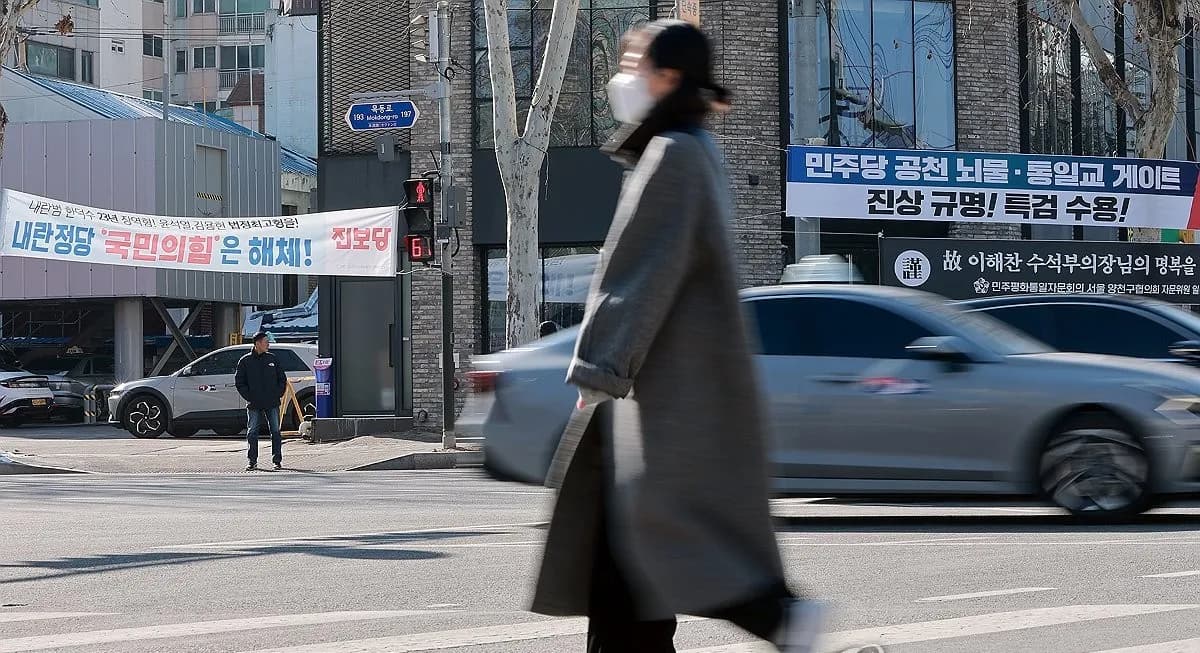
Election Banner Crisis Looms as Middle East Naphtha Shortage Hits Minor Parties

4 out of 10 Industrial Deaths Due to Falls...Over 200 Workers Die Annually from Workplace Falls
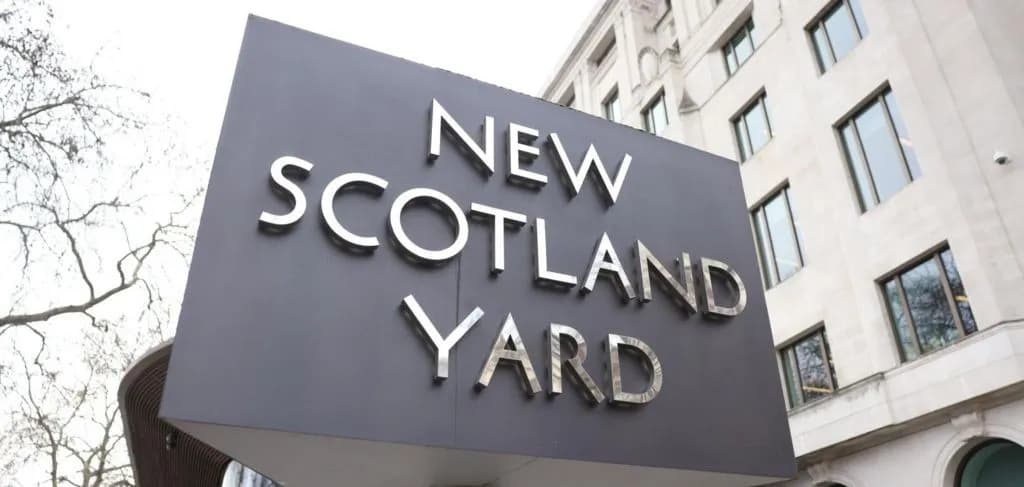
18 Arrested at Palestine Support Protest Outside London Police Headquarters
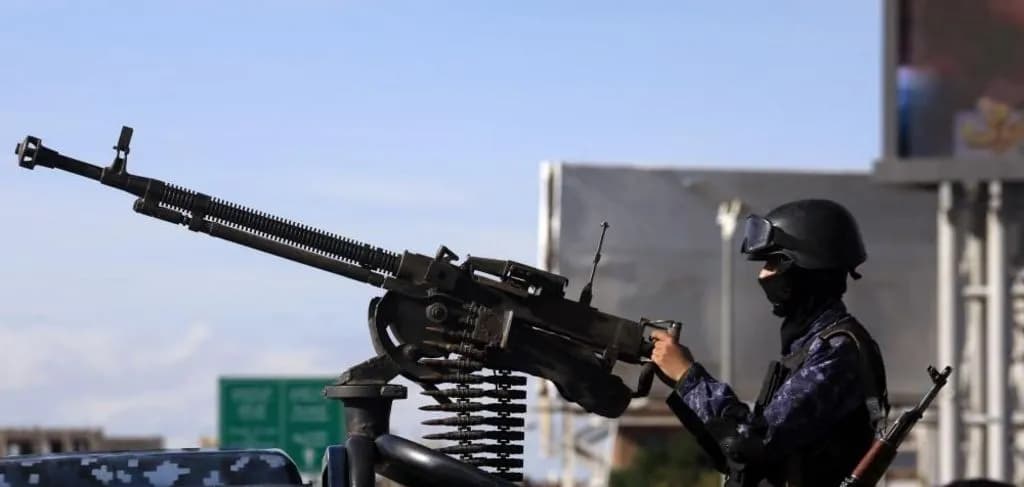
Iran-backed Houthis Join War with Attack Against Israel
Latest News
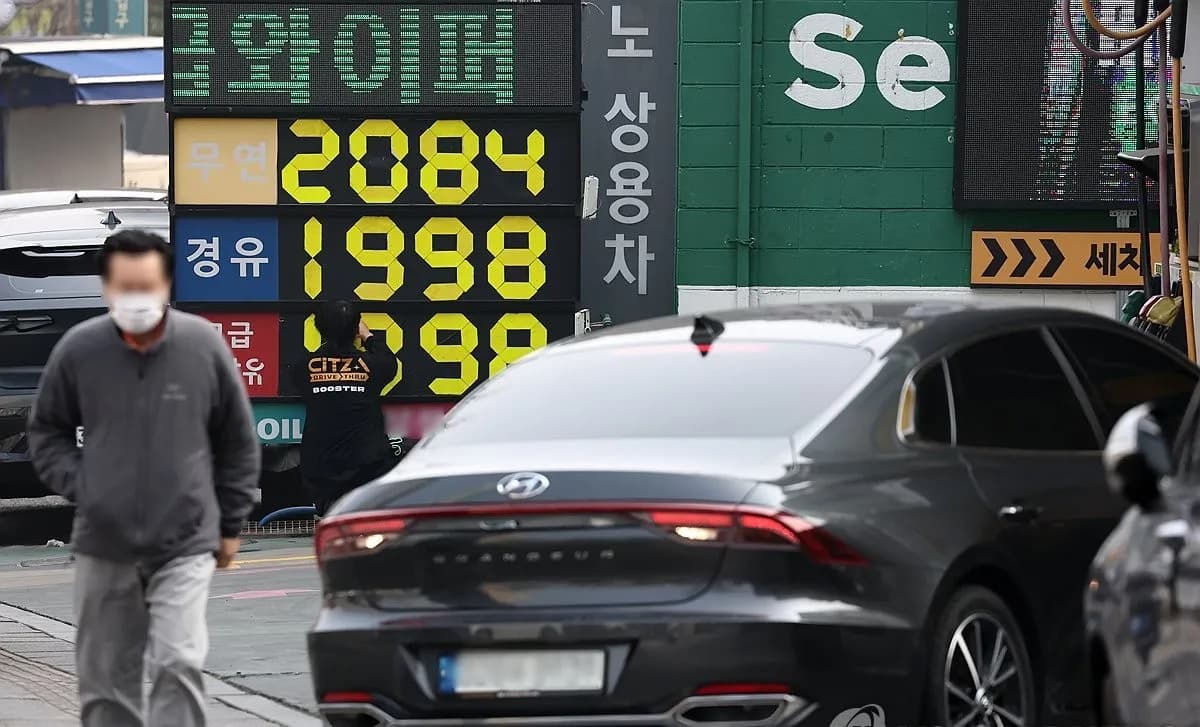
KDB and KEXIM Hold Emergency Meeting on Energy Crisis…Financial Support for KNOC Under Review
KDB and KEXIM held emergency meeting to respond to energy crisis amid Middle East tensions

Scotland Suffer Shock Defeat to Japan Ahead of World Cup Return
Scotland rugby team suffers defeat to Japan with poor performance ahead of World Cup
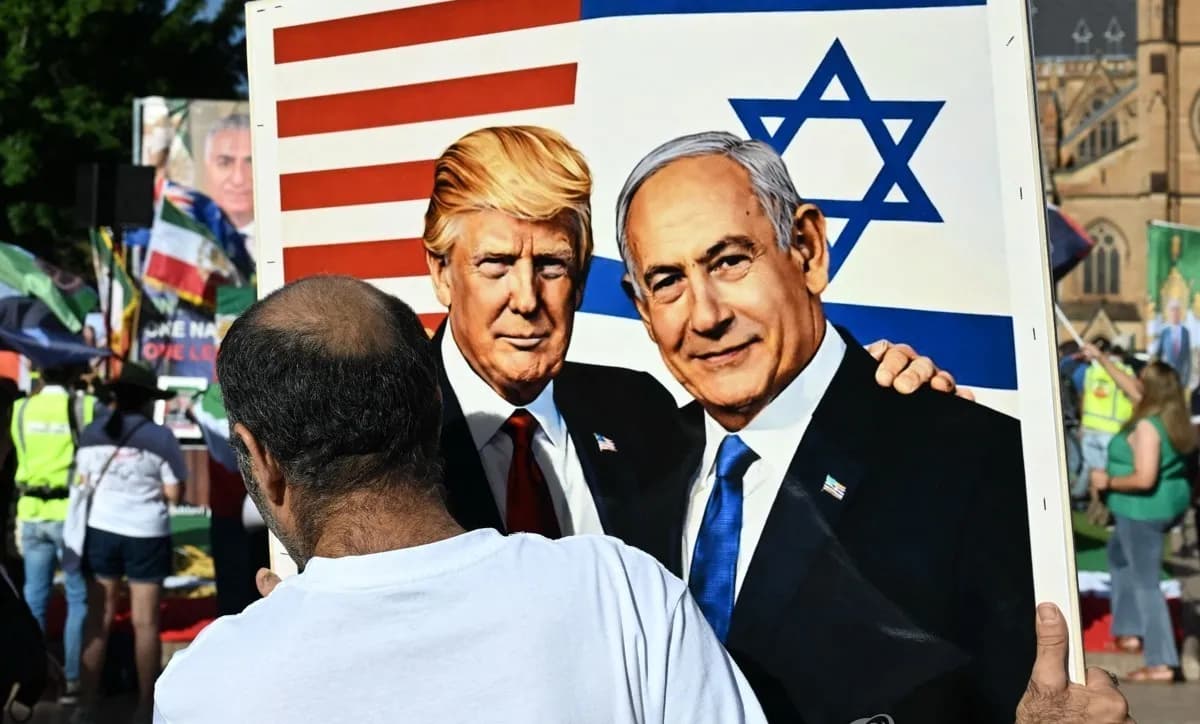
Iran Crisis Fuels Market Volatility Amid Oil Price Concerns
Global and domestic markets face volatility from Iran-triggered oil crisis
Coach Lee Beom-ho, unwavering trust in Jeong Hae-young, the spark of upset defeat, "I will continue to leave the finishing touches to you."
Coach Lee Beom-ho expresses trust in Jeong Hae-young, who played the key role in the upset loss in the opening game, saying, “I will continue to leave it up to you to finish the game”
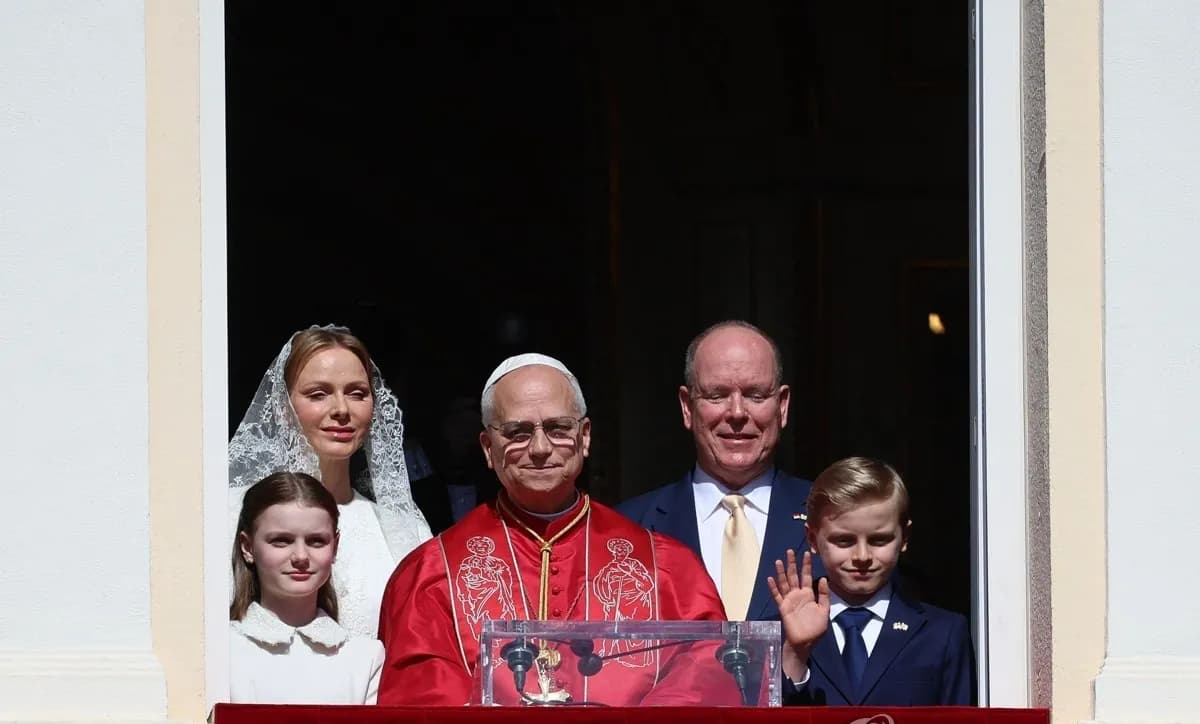
Pope Leo XIV Warns 'War Is Result of Idolatry of Power and Money' During Monaco Visit
Pope Leo XIV defines war as 'result of idolatry of power and money' during Monaco visit

A relationship that bloomed at Seonunsa Temple, a temple blind date for young people that beat the competition rate of 32 to 1
The Jogye Order of Korean Buddhism's 'I am a temple' program recorded a competition rate of 32 to 1 at Seonunsa Temple.