UN Rights Chief: Reparations Are 'Key to Dismantling Systemic Racism'
At the fifth UN Permanent Forum on People of African Descent, Türk warns of backlash against reparatory justice and AI-amplified bias

- •UN rights chief Türk declared reparations the key to dismantling systemic racism.
- •He warned AI and digital technologies are amplifying bias against people of African descent.
- •The UN General Assembly formally declared the transatlantic slave trade humanity's gravest crime.
UN Rights Chief Warns of Retreat on Reparations
UN High Commissioner for Human Rights Volker Türk has declared reparations the "key to dismantling systemic racism," warning that momentum toward reparatory justice is facing resistance in some quarters. Speaking at the fifth session of the UN Permanent Forum on People of African Descent, Türk acknowledged decades of progress while cautioning that the situation for people of African descent remains "uneven and fragile."
Poverty, Discrimination, and AI Bias Intersect Daily
Türk pointed to persistent discrimination across workplaces, hospitals, classrooms, and encounters with law enforcement. Poverty rates among people of African descent are consistently higher across all regions, particularly for women, youth, and those facing compounded discrimination.
"Racism and dehumanising rhetoric still pervade our public institutions, communities and online platforms," he declared. Crucially, he warned that "digital technologies, including AI, are reproducing and amplifying existing biases against people of African descent" — framing these daily realities as "the direct legacy of colonialism and enslavement."
Three Demands for Member States
Türk outlined three key asks: the adoption and enforcement of anti-racism laws and policies; the inclusion of young people of African descent in all levels of decision-making; and the maintenance of momentum toward reparatory justice.
On the latter, he welcomed the General Assembly's March 25 resolution declaring the transatlantic slave trade the gravest crime against humanity, as well as government apologies and artifact returns. However, he cautioned that these efforts face resistance and called for "creative advocacy firmly grounded in human rights."
The Road Ahead [AI Analysis]
The reparations debate has a long history. Since the 1990s, Caribbean nations have demanded compensation from former colonial powers, with limited results. The 2001 Durban Conference placed reparations on the international agenda, but faced pushback from Western powers.
Recent momentum is building. Barbados formalized reparations demands upon leaving the Commonwealth in 2022, and CARICOM has united behind claims exceeding $1 trillion. The UN General Assembly resolution now lends international legitimacy to these efforts.
Reparatory justice is likely to advance through bilateral negotiations, symbolic apologies, artifact restitution, and development aid linkages rather than binding international treaties. As AI bias emerges as a new frontier of structural racism, pressure on tech companies and governments to enforce algorithmic fairness standards is likely to intensify.
댓글 (12)
읽기 좋은 기사입니다. UN 주제로 시리즈 기사가 나오면 좋겠습니다. 후속 기사 부탁드립니다.
Rights 주제로 시리즈 기사가 나오면 좋겠습니다.
Chief:에 대해 처음 접하는 정보가 있었습니다. 전문가 의견도 더 듣고 싶습니다.
북마크해두겠습니다. 인종차별 주제로 시리즈 기사가 나오면 좋겠습니다. 다른 시각의 분석도 읽어보고 싶습니다.
배상 기사에서 언급된 사례가 흥미로웠습니다.
UN 관련 통계가 의외였습니다.
Rights에 대해 더 알고 싶어졌습니다.
Chief:의 향후 전망이 궁금합니다.
기사 잘 읽었습니다.
친구한테도 추천했습니다.
UN 관련 해외 동향도 궁금합니다.
좋은 기사 감사합니다.
More in Global
위성이 폭로한 도시의 메탄 거짓말…공식 추정치의 두 배
한-에콰도르 SECA 비준, 중남미 첫 전략 협정 체결

SpaceX Launches Two Starlink Groups in a Single Day, 19 Hours Apart

UN Launches 'Client Challenge' Initiative
Ex-NATO Chief Warns UK Security 'In Peril', Blasts Starmer for 'Corrosive Complacency'
Sterling Returns to Pre-War Levels on Hopes for Iran Conflict Resolution
Latest News

앤트로픽 '미토스', 27년 보안 결함 자율 탐지... 정부 긴급 대응
앤트로픽이 사이버보안 AI '미토스'로 27년 된 취약점을 탐지했다.
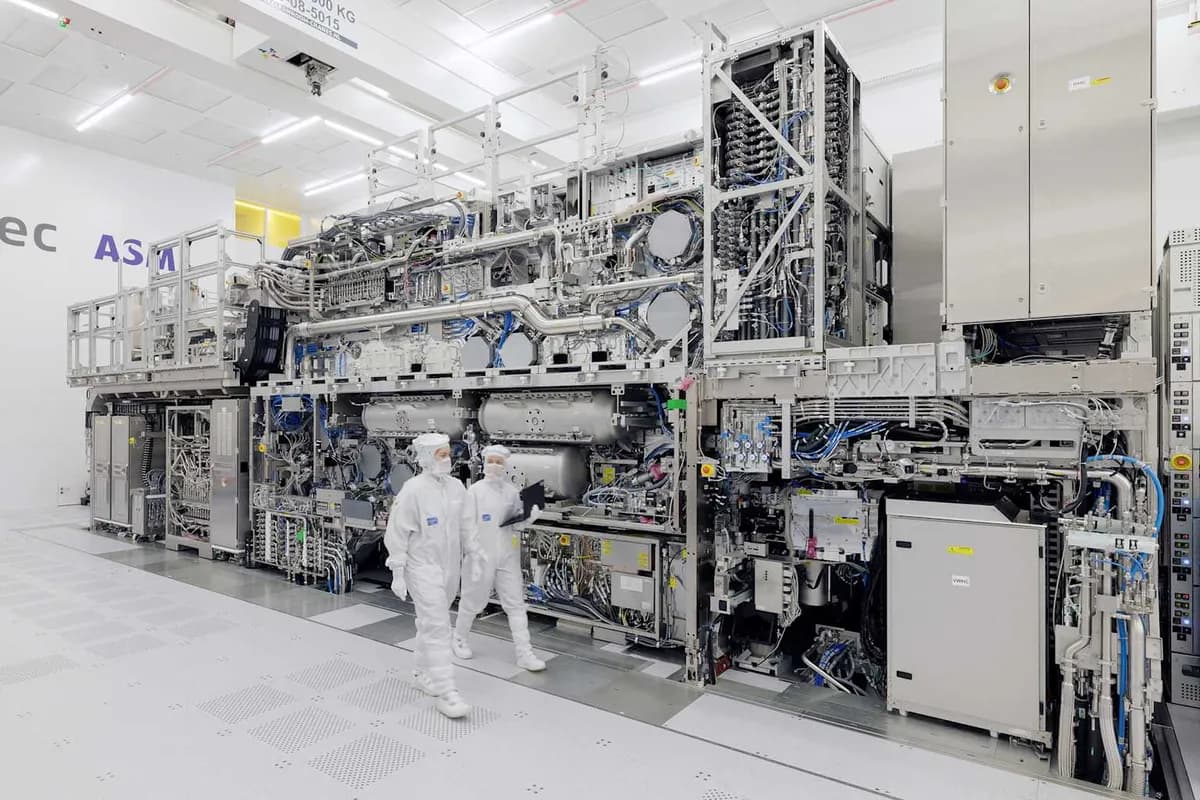
ASML, AI 수요 급증에 2026년 매출 목표 400억 유로로 상향
ASML이 2026년 매출 가이던스를 최대 400억 유로로 상향 조정했다.
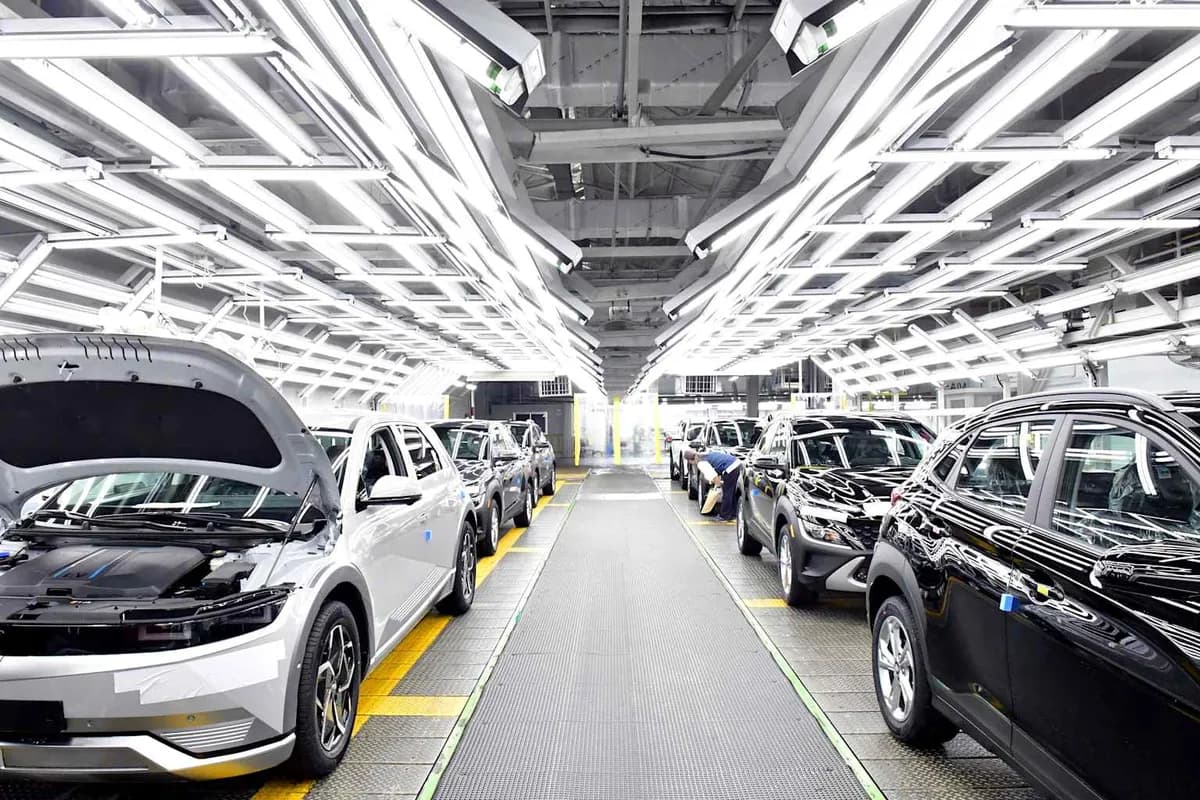
하이브리드차 수출 79% 급증, 중동 전쟁 속 자동차 산업 '선방'
3월 하이브리드차 수출이 전년 대비 79% 급증하며 자동차 산업이 선방했다.
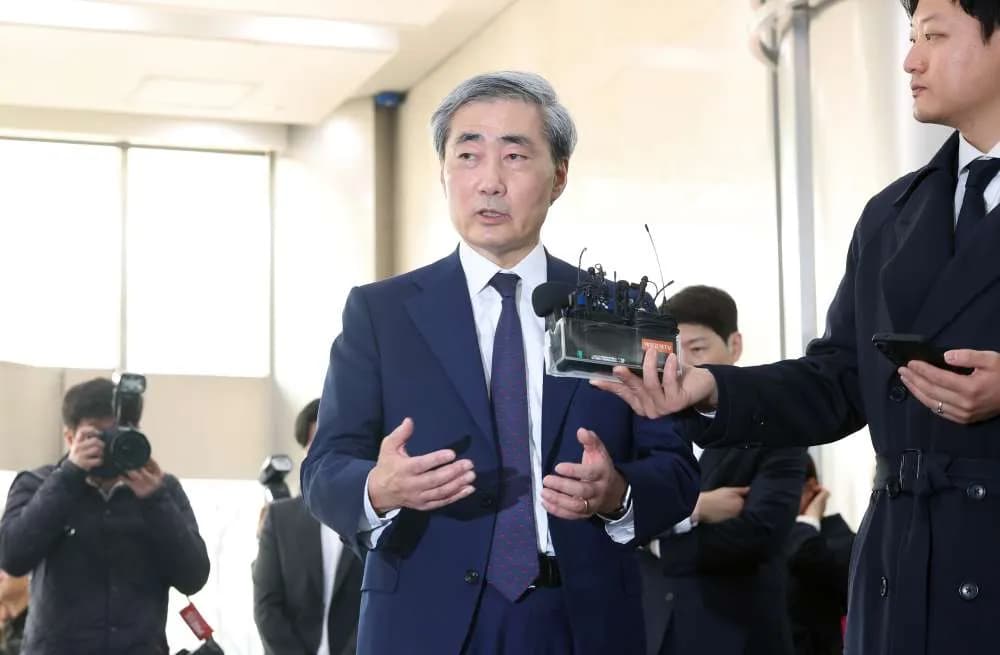
신현송 한은 총재 후보, 청문회서 딸 불법 전입·해외자산 논란에 공식 사과
신현송 한은 총재 후보자가 청문회에서 영국 국적 장녀 불법 전입신고 등 복합 논란에 공식 사과했다.
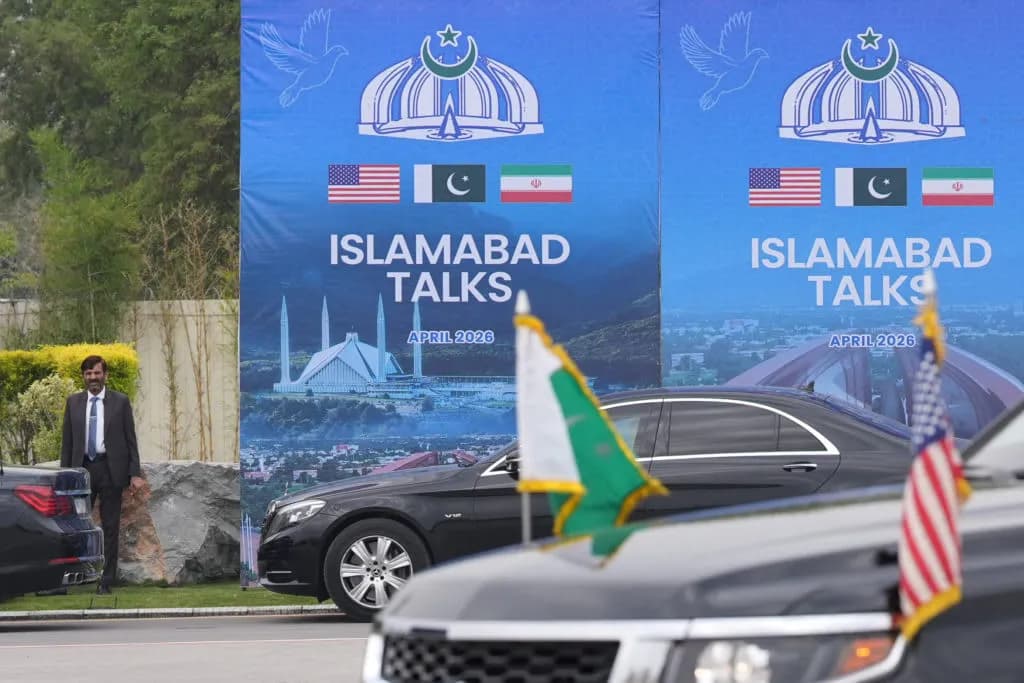
원/달러 1,471원, 한 달 만에 최저…미·이란 협상 재개 기대감
원/달러 환율이 1,471원으로 개장하며 한 달 만에 최저치를 기록했다.
신현송 한은 총재 후보 "인플레 위험이 성장 둔화보다 크다"
신현송 한은 총재 후보가 인플레이션 위험이 성장 둔화보다 크다고 공개 경고했다.
세계은행, 중동 전쟁 피해국에 최대 1,000억 달러 긴급 지원
세계은행이 중동 전쟁 피해국 지원에 최대 1,000억 달러 동원을 선언했다.
이란 전쟁 충격에 일본 제조업 심리, 3년 만에 최대 낙폭
4월 일본 제조업 단칸 지수가 +18에서 +7로 11포인트 급락했다.