Unilever-Kraft Heinz Food Merger Falls Through, Global Food Industry Restructuring Faces Setbacks
Hellmann's and Heinz Integration Talks Collapse... Second Failure in a Decade, Industry Consolidation Uncertainty Intensifies
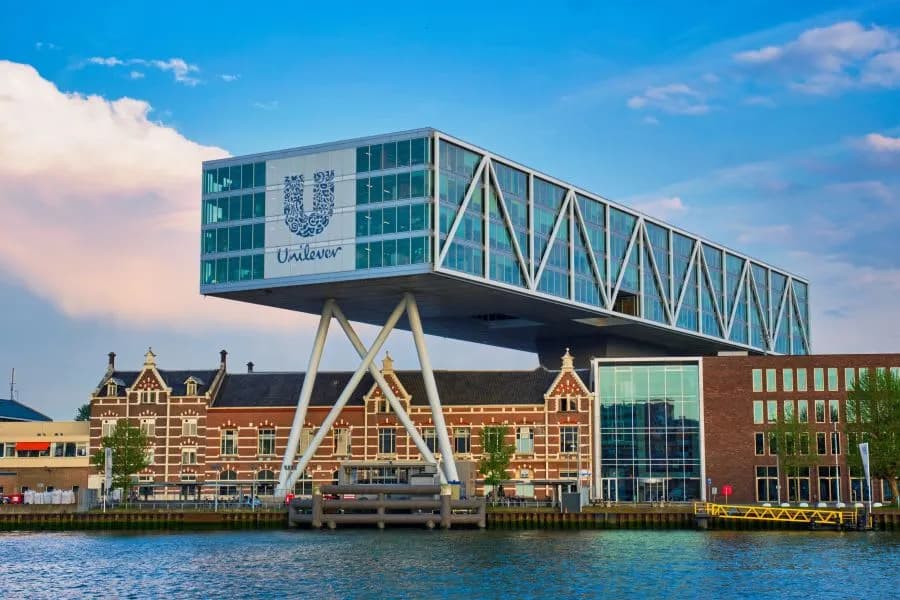
- •Unilever and Kraft Heinz have ended food division merger negotiations without agreement, marking their second merger failure in a decade.
- •Negotiations collapsed as the two companies' strategic directions diverged—Unilever's beauty-focused strategy versus Kraft Heinz's concentration on internal recovery.
- •The global food industry is now more likely to shift toward selective focus and niche market strategies rather than large-scale consolidation.
Merger Negotiations Collapse, Industry Restructuring Plans Disrupted
Global consumer goods giants Unilever and Kraft Heinz have ended merger negotiations for their food business divisions without reaching an agreement, the Financial Times reported on the 19th (local time). The negotiations aimed to integrate Unilever's food division—which includes Hellmann's mayonnaise and Knorr—with Kraft Heinz's core businesses producing Heinz ketchup and Philadelphia cream cheese, potentially creating a food company worth tens of billions of dollars.
This marks the second failed merger attempt between the two companies in less than a decade. In 2017, Kraft Heinz proposed a $143 billion acquisition of all of Unilever, which was rejected. Analysts suggest that this latest collapse has increased uncertainty regarding large-scale restructuring prospects in the global food industry.
Two Companies with Diverging Strategic Directions
The failure of negotiations stems from the companies' differing strategic directions. Kraft Heinz withdrew its planned business split in February and, under new CEO Steve Cahillane's leadership, embarked on a $600 million business recovery effort. Meanwhile, Unilever is shifting its business focus toward beauty and personal care divisions while considering extensive separation of its food assets.
According to industry sources, Unilever's food division separation is not expected to occur before 2027. This is interpreted as a strategy emphasizing long-term portfolio reorganization over short-term financial performance. Unilever has determined that its food business has relatively low growth potential and is concentrating on strengthening its higher-margin beauty and healthcare divisions.
Kraft Heinz has likewise prioritized internal innovation. The new management has set profitability improvement and product innovation of existing brands as top priorities over external expansion. This reflects a judgment that strengthening core brand competitiveness is more urgent than pursuing economies of scale through large-scale mergers.
Background of Repeated Merger Failures [AI Analysis]
The global food industry has faced continuous restructuring pressure since the mid-2010s. As consumer preferences shifted toward health foods, organic products, and niche brands, growth at major food companies slowed, leading to successive attempts at cost reduction and portfolio diversification through mergers.
Kraft Heinz's 2017 attempt to acquire Unilever occurred during a period of active large-scale leveraged buyout (LBO) deals in a low-interest-rate environment. However, Unilever rejected the proposal, judging that the low-ball offer and anticipated massive post-merger cost cuts could damage brand value. Similar concerns appear to have played a role in these latest negotiations.
Industry experts point out that mergers between large food companies struggle to generate actual synergies. Given the strong brand identities characteristic of the food business, post-integration marketing and distribution efficiencies often fall short of expectations. Additionally, regulatory authorities' monopoly concerns act as obstacles to large-scale deals.
Future Outlook [AI Analysis]
The collapse of the Unilever-Kraft Heinz merger suggests the global food industry is increasingly likely to pursue selective focus strategies rather than large-scale consolidation. Both companies are expected to concentrate on strengthening core competencies and optimizing portfolios.
Unilever is likely to proceed with phased divestment of its food division while transforming into a beauty and personal care-focused company. Various options are expected to be considered, including sales of individual brands like Hellmann's and Knorr, or a complete spin-off and listing of the food division. Kraft Heinz is expected to focus on internal efficiency improvements and product innovation while pursuing medium- to long-term profitability enhancement.
The global food industry is likely to focus on acquiring small to medium-sized health food and plant-based alternative food brands targeting niche markets rather than pursuing large-scale M&A in the near term. Securing flexibility to respond to changing consumer trends appears to be taking priority over expansion of scale.
댓글 (4)
Heinz 관련 기사 잘 읽었습니다. 유익한 정보네요.
공감합니다. 참고하겠습니다.
Food에 대해 더 알고 싶어졌습니다. 후속 기사 부탁드립니다.
간결하면서도 핵심을 잘 정리한 기사네요.
More in Economy
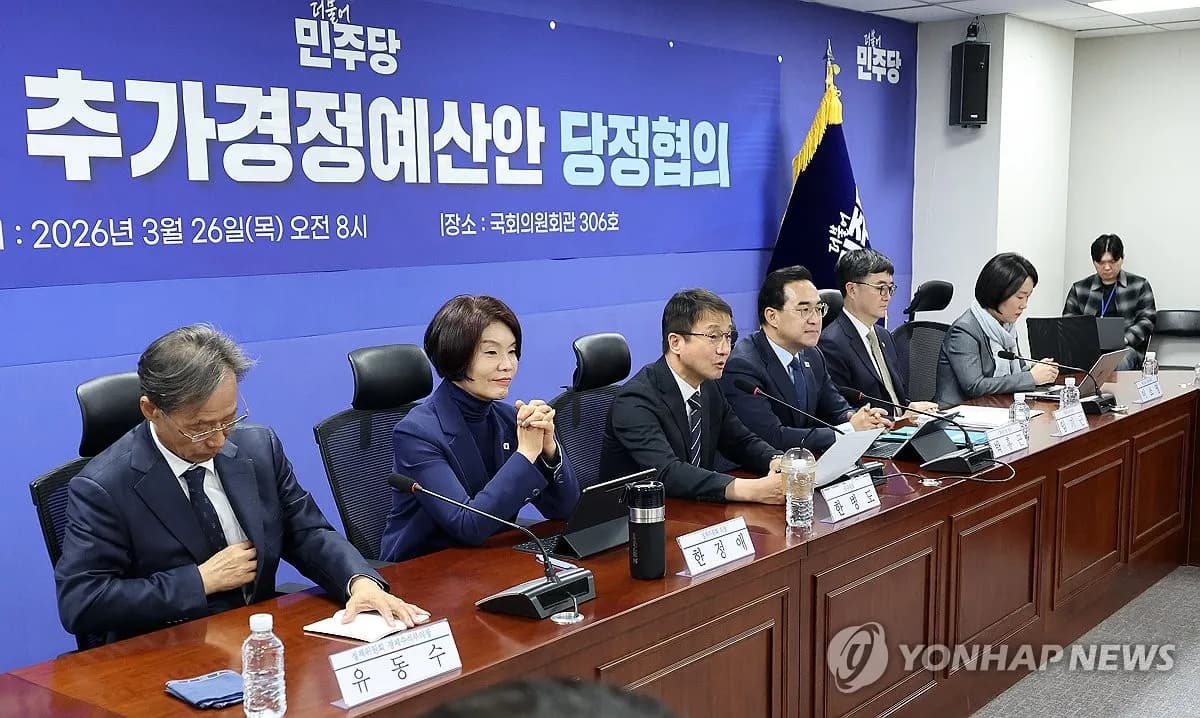
당정, 석유 최고가격제 손실 보전을 추경에 반영키로

미·이란 긴장 한 달, 금융시장 요동…장기화 우려
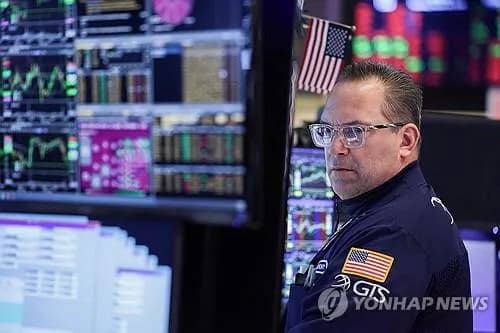
뉴욕증시 3대 지수 동반 상승…이란 휴전 기대감

Elon Musk's X recruits a cryptocurrency expert as head of design... ‘X Money’ launch imminent

BitGo-GK Sync plans to build ‘tokenized deposit’ infrastructure for banks

The other side of prediction markets: Ethical dilemmas of cryptocurrency platforms dealing in war and terrorism
Latest News
"간부 잘 아는데 교통비 좀" 휴가 군인들 돈 뜯은 50대 구속
50대 A씨가 휴가 중인 군인들에게 부대 간부를 아는 척 접근해 돈을 사취
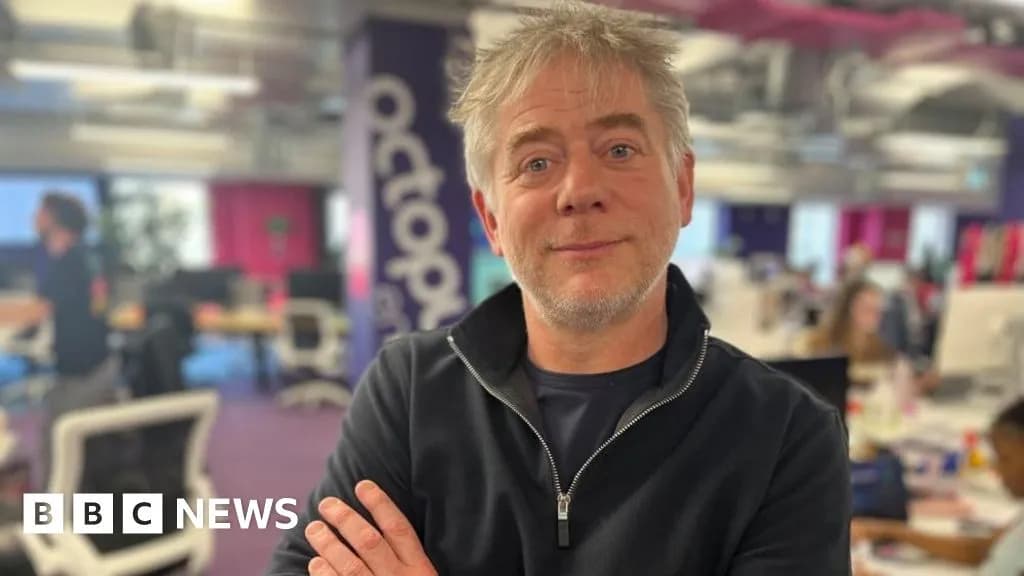
英 옥토퍼스, 이란 전쟁 이후 태양광 판매 50% 증가
이란 전쟁 이후 영국 옥토퍼스의 태양광 판매량 50% 증가
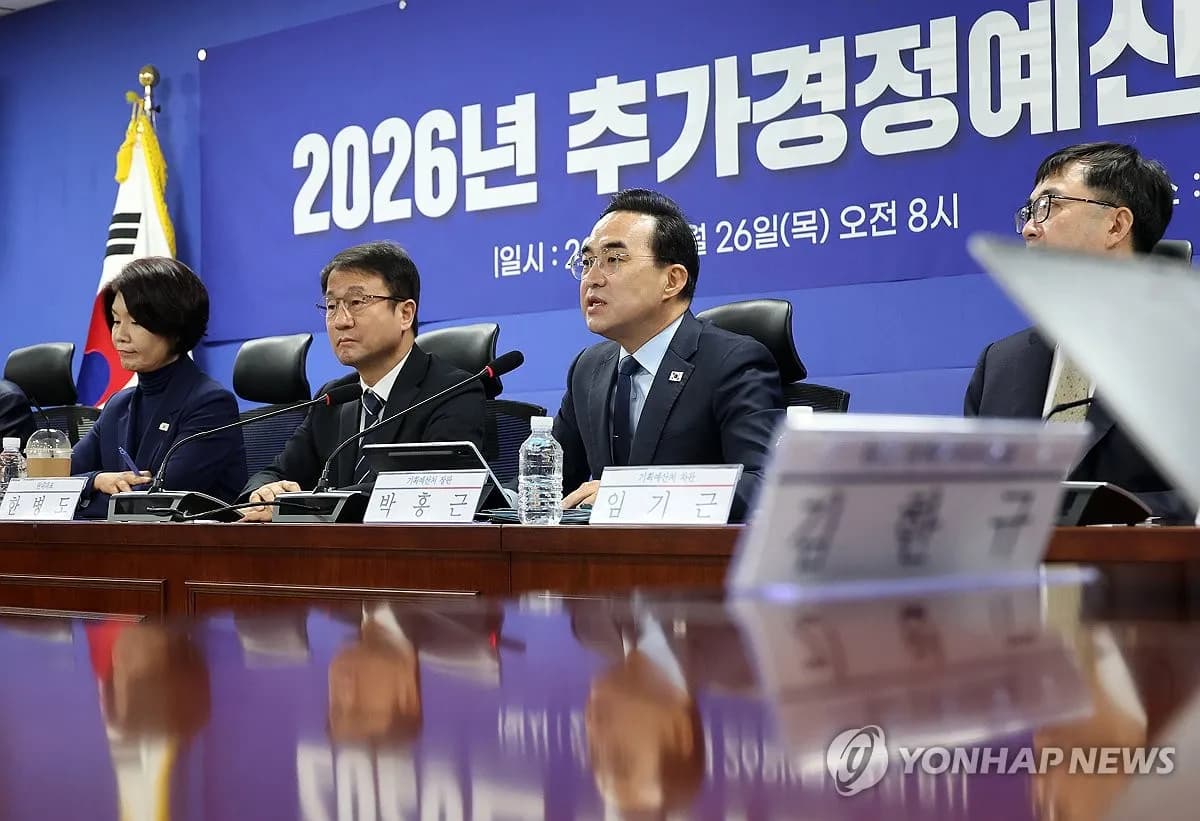
당정 "추경, 지방·취약계층에 더 지원되는 방식으로"
당정이 지방자치단체와 취약계층 중심의 추경 편성 방침 재확인
어머니 폭행하고 금팔찌 빼앗은 30대 아들 경찰에 붙잡혀
어머니 폭행 후 금팔찌 빼앗은 30대 남성 체포
아이티 갱단 폭력사태로 10개월간 5천명 이상 사망
아이티에서 지난 10개월간 갱단 폭력으로 5천명 이상 사망
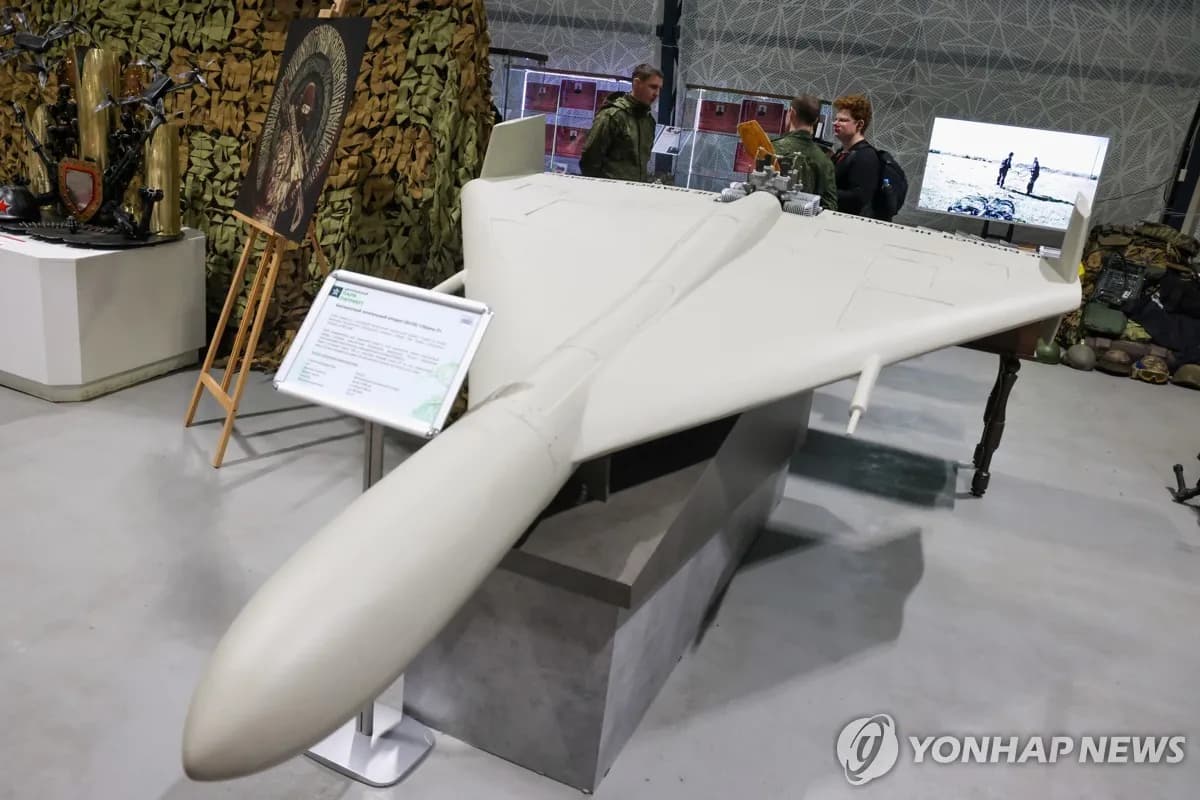
서방 정보당국 "러시아, 우크라이나 전쟁 후 이란에 드론·식량 공급"
서방 정보당국, 러시아의 이란 드론·식량 공급 작업 거의 완료 파악

6년 전 세 살 딸 살해한 30대 친모 구속송치
경찰, 6년 전 세 살 딸 살해 혐의 30대 친모를 구속송치

中企 수입 나프타의 80% 이상이 중동산…공급망 위기 심화
중소기업 수입 나프타의 80% 이상이 중동산으로 공급 의존도 높음