Venezuela's Notorious Political Prison to Be Transformed into Cultural Center
Acting President Delcy Rodríguez Announces Closure of El Helicoide Prison
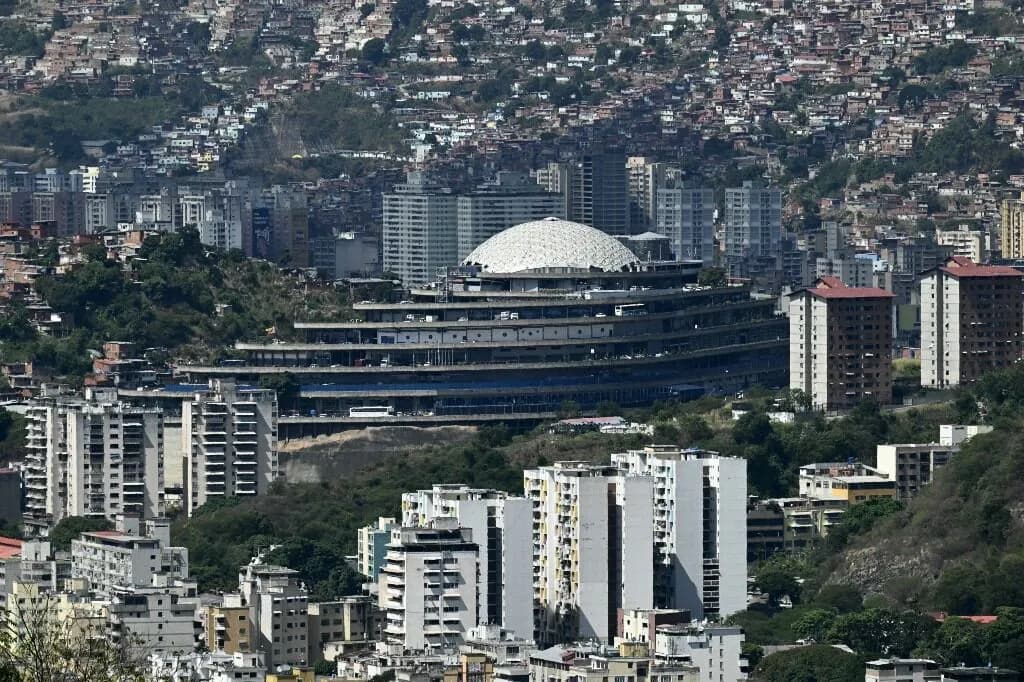
- •Venezuelan Acting President Delcy Rodríguez has announced the transformation of the notorious El Helicoide political prison into a cultural complex.
- •Originally designed as a futuristic shopping mall in the 1960s but never completed, the building became infamous as a political prison and torture facility, despite being an innovative architectural work featured in MoMA exhibitions.
- •Following the opening of the oil industry to private sector and the promulgation of an amnesty law, this decision is being evaluated as a measure symbolizing Venezuela's political and economic turning point.
From Symbol of Torture to Space of Hope
El Helicoide prison, towering in the heart of Venezuela's capital Caracas, is set to write a new chapter in its 60-year history. Acting President Delcy Rodríguez declared on January 31st, immediately after promulgating an amnesty law at the Supreme Court, that the prison would be converted into a social, sports, cultural, and commercial complex.
"We have decided to transform this building, currently used as a detention facility, into a multipurpose cultural center for police families and nearby residents," Rodríguez announced. As her statement concluded, families of political prisoners gathered outside the prison chanted "Freedom, freedom, freedom!"
The announcement came just hours after the government unveiled economic reforms opening the oil sector to private companies for the first time in 20 years. It is interpreted as a decision symbolizing Venezuela's political and economic turning point.
From Futuristic Shopping Mall to Symbol of Oppression
El Helicoide was originally designed for an entirely different purpose. In the early 1960s, during the Pérez Jiménez dictatorship, Venezuela was experiencing rapid economic growth from oil production. Born from this optimism was a futuristic shopping mall project designed to be "accessible only by car."
The building was originally planned to house hundreds of shops, eight movie theaters, a five-star hotel, an exclusive club, a convention center, and a helipad. Architects designed a dome structure that would reflect light to illuminate the entire city, and this innovative design attracted international attention.
The Museum of Modern Art (MoMA) in New York highlighted the building's architectural integrity in its 'Roads' exhibition, Chilean poet Pablo Neruda called it a "concrete rose," and Salvador Dalí even proposed interior decorations.
An Architectural Monument Turned Tool of Power
However, this ambitious project was never completed. Amid political upheaval, the building was used as a government office before ultimately being converted into a prison. It became particularly notorious as a political prison, symbolizing torture and human rights violations.
This state-run facility, which housed both common criminals and political prisoners, became a symbol of the Venezuelan government's oppressive policies and drew international condemnation. What once embodied hopes for the future had deteriorated into a space of suffering.
Future Outlook [AI Analysis]
The closure of El Helicoide prison is likely a signal of political thaw in Venezuela. The simultaneous opening of the oil industry and promulgation of an amnesty law demonstrate a willingness to improve relations with the international community.
However, whether these reforms will lead to substantive democratization remains uncertain. Past policy changes by the Venezuelan government have sometimes amounted to merely symbolic gestures. The actual conversion process of the prison facility and the scale of political prisoner releases will serve as indicators of the reform's genuine nature.
From an architectural perspective, it will be worth watching how this unique building is reborn. The challenge lies in preserving the innovative design that MoMA once recognized while determining how to commemorate its dark past. This attempt to transform a symbol of oppression into a space for citizens is likely to serve as a barometer for Venezuela's future.
댓글 (2)
기사 잘 봤습니다. 다른 시각의 분석도 읽어보고 싶네요.
간결하면서도 핵심을 잘 정리한 기사네요.
More in Culture & Art

‘Crush’, ‘Tero’, ‘Jidae’… The languages of North and South Korea are becoming increasingly distant.
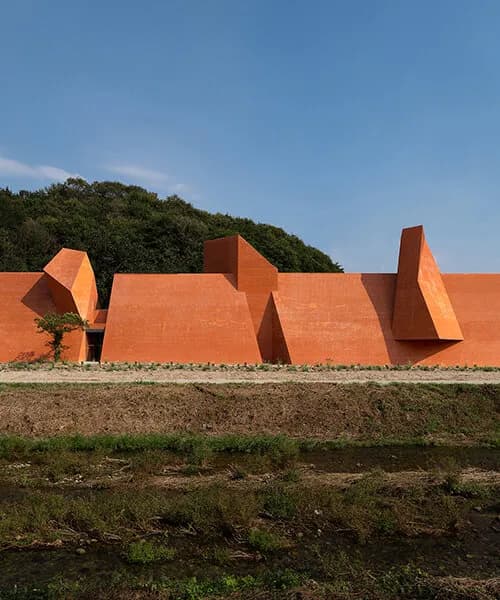
‘Fortress Café’ stands tall in the forests of Gangwon-do, reinterpreting ancient fortress walls through modern architecture.
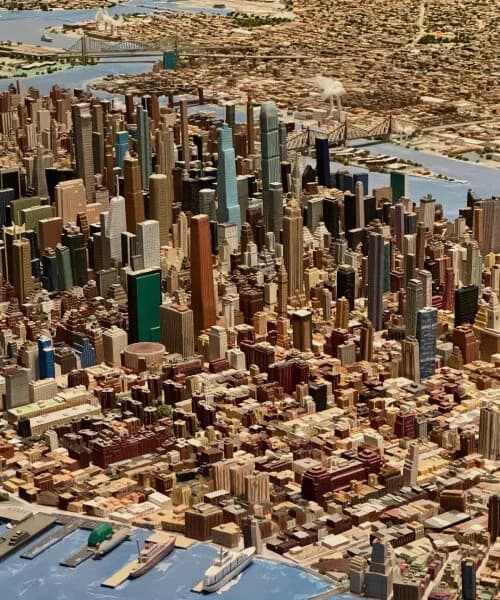
New York, hand-carved for 21 years, unveiled for the first time at an art museum
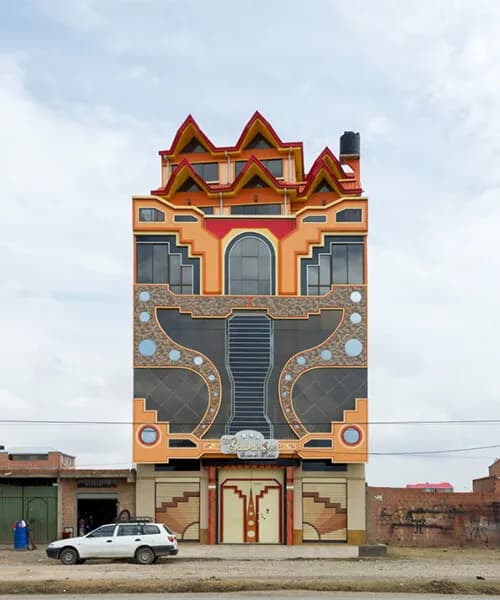
Freddie Mamani colors the city with Andean culture
An abandoned concrete pipe is reborn as a playground... Busan Museum of Art ‘Concrete Utopia’
A Swedish artist's house, the essence of architecture that becomes one with nature
Latest News
"간부 잘 아는데 교통비 좀" 휴가 군인들 돈 뜯은 50대 구속
50대 A씨가 휴가 중인 군인들에게 부대 간부를 아는 척 접근해 돈을 사취

英 옥토퍼스, 이란 전쟁 이후 태양광 판매 50% 증가
이란 전쟁 이후 영국 옥토퍼스의 태양광 판매량 50% 증가

당정 "추경, 지방·취약계층에 더 지원되는 방식으로"
당정이 지방자치단체와 취약계층 중심의 추경 편성 방침 재확인

당정, 석유 최고가격제 손실 보전을 추경에 반영키로
당정이 석유 최고가격제 손실을 추경에 반영하기로 결정
어머니 폭행하고 금팔찌 빼앗은 30대 아들 경찰에 붙잡혀
어머니 폭행 후 금팔찌 빼앗은 30대 남성 체포
아이티 갱단 폭력사태로 10개월간 5천명 이상 사망
아이티에서 지난 10개월간 갱단 폭력으로 5천명 이상 사망
서방 정보당국 "러시아, 우크라이나 전쟁 후 이란에 드론·식량 공급"
서방 정보당국, 러시아의 이란 드론·식량 공급 작업 거의 완료 파악

6년 전 세 살 딸 살해한 30대 친모 구속송치
경찰, 6년 전 세 살 딸 살해 혐의 30대 친모를 구속송치