WHO appeals for $1 billion in emergency relief by 2026... Support for 36 conflict and disaster areas
Amid a decline in humanitarian funding, only one-third of 81 million people are supported... Implications for the security of the Korean Peninsula
- •WHO appealed for approximately $1 billion in support to respond to 36 emergency regions in 2026.
- •In 2025, humanitarian funding fell below 2016 levels, with only one-third of the target number of people supported.
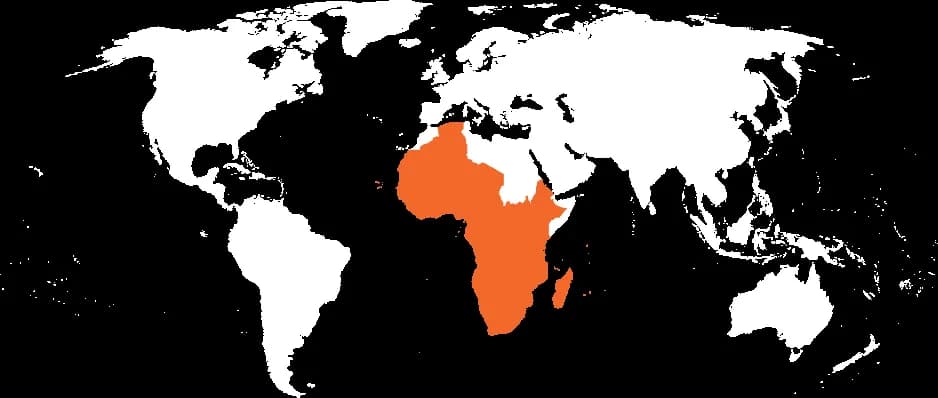
- •14 regions, including Ukraine, Sudan, and the Gaza Strip, are in need of the highest level of response.
Key content
The World Health Organization (WHO) appealed for support from the international community worth about $1 billion (approximately 1.4 trillion won) for global emergency relief activities in 2026. This appeal is intended to respond to 36 emergency situations around the world, with 14 regions classified as 'level 3 emergencies' requiring the highest level of response at the organizational level.
“This appeal is a call to stand with people living in conflict, displacement and disaster,” said WHO Director-General Tedros Adhanom Ghebreyesus, adding, “This is not charity, but a strategic investment in health and security.”
Why is it important?
The reason this appeal is attracting attention is because it comes amid a sharp decline in global humanitarian funding. By 2025, humanitarian funding had fallen below 2016 levels, with WHO and its partners able to provide health assistance to only a third of the original target of 81 million people.
Looking at the performance of WHO's emergency relief activities in 2025, its importance becomes clearer. Funds raised through annual emergency appeals have supported 30 million people, vaccinated 5.3 million children with life-saving vaccines and provided 53 million health consultations. Additionally, more than 8,000 health facilities were supported and 1,370 mobile clinics were deployed.
Priority response area
WHO's priority response regions for 2026 include Afghanistan, Democratic Republic of Congo, Haiti, Myanmar, Occupied Palestine, Somalia, South Sudan, Sudan, Syria, Ukraine and Yemen. Responses to cholera and mpox epidemics will also continue.
Historical trends of humanitarian health crises
The global humanitarian health crisis has deepened due to complex overlapping factors. Prolonged conflict, accelerating climate change, and recurring infectious disease epidemics continue to increase demand for health emergency support.
In particular, the importance of global health governance has been re-examined since the COVID-19 pandemic in 2020, but paradoxically, humanitarian funds are decreasing due to the weakening financial capacity of each country. As large-scale conflicts such as the Ukraine War (from 2022), the Gaza Strip conflict (from 2023), and the Sudanese Civil War (from 2023) occur simultaneously, the international community's response capacity faces its limits.
WHO is the lead agency for health response in humanitarian settings, coordinating more than 1,500 partner organizations in 24 crisis areas around the world.
Impact on Korea
This WHO appeal provides several implications for Korea as well. First, Korea has contributed to global health security as a major donor country, and its role may be requested to expand in a situation where humanitarian funding is decreasing. Second, Myanmar and Afghanistan, which are included in the priority response areas, are areas with geopolitical ties to Korea.
In particular, WHO's global emergency relief capabilities have an indirect impact on the health situation in North Korea. This is because the international community's response system in the event of an infectious disease outbreak or natural disaster may be linked to the security of the Korean Peninsula.
Future outlook [AI analysis]
If the downward trend in global humanitarian funding continues, the emergency relief capabilities of international organizations, including WHO, are likely to be further limited. This could result in a ‘spillover effect’ where the health crisis in conflict areas spreads to neighboring countries.
It is noteworthy that traditional humanitarian donors, such as Ireland and Norway, have emphasized the importance of flexible and predictable funding. Early and predictable investments can enable immediate response when a crisis occurs, reduce deaths and illness, and prevent health risks from escalating into larger humanitarian crises.
Considering the increase in natural disasters due to climate change, continued geopolitical tensions, and the risk of new infectious diseases, the international community's solidarity and investment in global health security is expected to become a necessity, not an option.
댓글 (3)
이런 일이 다시는 반복되지 않았으면 합니다. WHO 관련 대책이 시급합니다.
너무 슬픈 소식이네요. 피해자 분들과 가족에게 위로를 보냅니다.
다시는 이런 일이 없어야 합니다.
More in Global
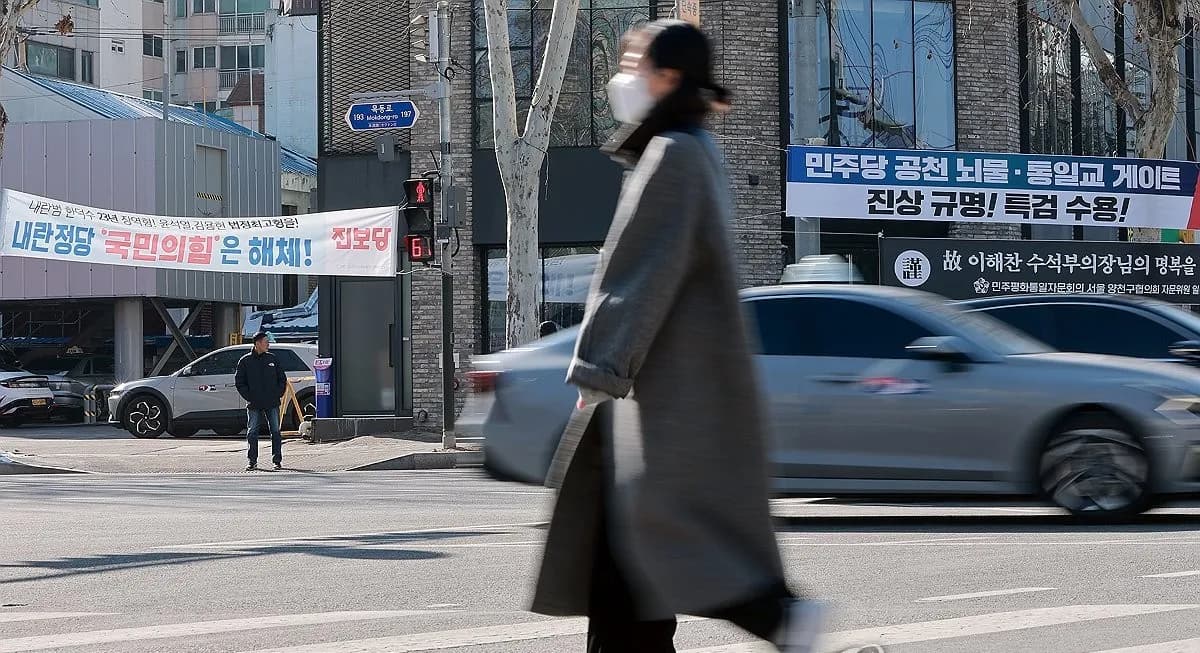
Election Banner Crisis Looms as Middle East Naphtha Shortage Hits Minor Parties

4 out of 10 Industrial Deaths Due to Falls...Over 200 Workers Die Annually from Workplace Falls
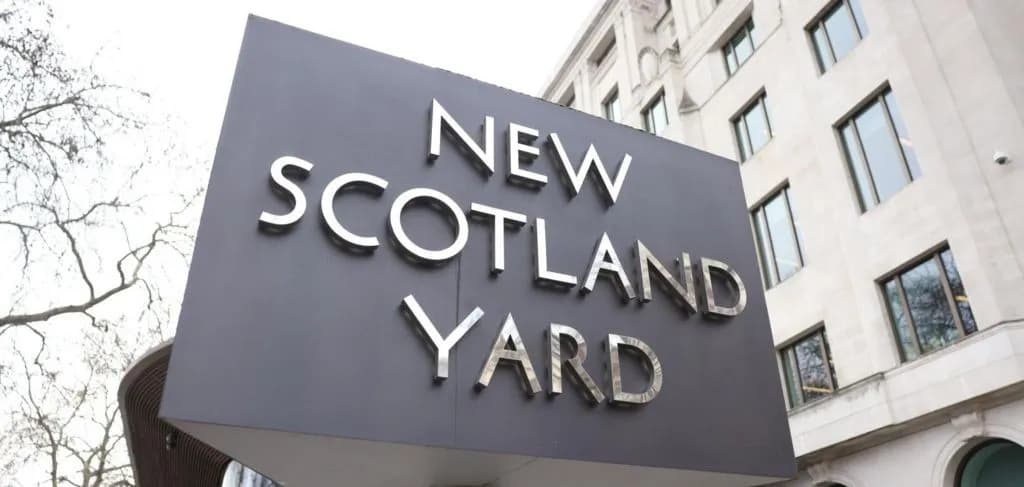
18 Arrested at Palestine Support Protest Outside London Police Headquarters
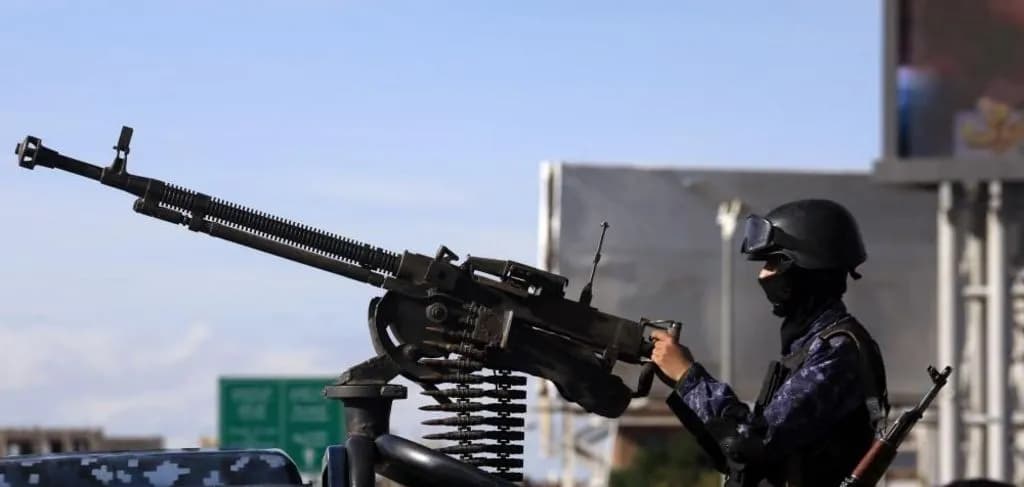
Iran-backed Houthis Join War with Attack Against Israel

Pope Leo XIV Warns 'War Is Result of Idolatry of Power and Money' During Monaco Visit

Pro-Israel Extremist Arrested for Molotov Cocktail Attack Attempt on Palestinian Activist's Home in New York
Latest News

Scotland Suffer Shock Defeat to Japan Ahead of World Cup Return
Scotland rugby team suffers defeat to Japan with poor performance ahead of World Cup

Iran Crisis Fuels Market Volatility Amid Oil Price Concerns
Global and domestic markets face volatility from Iran-triggered oil crisis

Former UK Minister Josh Simons Resigns Over Journalist Investigation Controversy
Former UK Minister Josh Simons resigns over journalist investigation controversy

11-Year-Old Lebanese Boy Killed in Israeli Strike Buried Amid Tears and Defiance
11-year-old Jawad Younes and uncle Ragheb killed in Israeli strike on Lebanon

US 'Looksmaxxing' Influencer Clavicular Arrested on Battery Charges in Florida
Looksmaxxing influencer Clavicular (Peters) arrested in Florida on battery charges

Zelensky Visits Gulf States as Iran Strikes Ukrainian Drone Defense Facility in UAE
Iran strikes Ukrainian drone defense facility in UAE during President Zelensky's Gulf tour