WHO officially expresses 'ethical concerns' about clinical trial of hepatitis B vaccine in Guinea-Bissau
Intentional non-vaccination of newborns with proven vaccines violates ethical principles... Measures to suspend testing in the relevant country
- •WHO formally expresses ethical concerns over Guinea-Bissau's hepatitis B birth vaccine trial
- •The design of intentionally not vaccinating newborns with a proven vaccine was pointed out as a key problem
- •Guinea-Bissau suspended the trial and WHO announced its intention to support the introduction of the vaccine.
KEY ISSUES: WHO'S OFFICIAL EXPRESSION OF CONCERNS
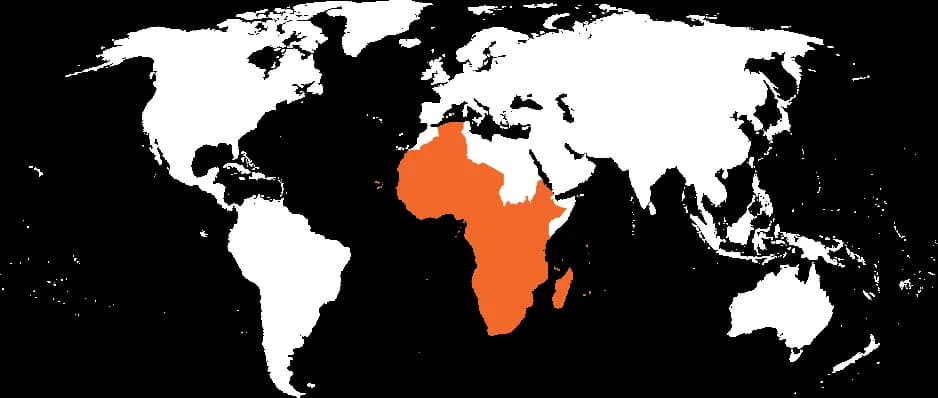
The World Health Organization (WHO) has officially expressed serious ethical and scientific concerns about a clinical trial of a birth dose vaccine against hepatitis B planned in Guinea-Bissau. In a recent statement, WHO said the trial was "not consistent with established ethical and scientific principles."
The Guinea-Bissau government has already suspended the test and begun further technical review. WHO said it is ready to support Guinea-Bissau as it decides its future direction.
Why is this test problematic?
Intentional non-vaccination with a verified vaccine
The hepatitis B vaccine administered immediately after birth has been used for more than 30 years, and more than 115 countries currently include it in their national immunization schedules. This vaccine has been proven to prevent 70-95% of vertical mother-to-child transmission.
The key problem pointed out by WHO is that due to the design of the randomized controlled trial (RCT), some newborns are not intentionally vaccinated with this proven vaccine. This exposes newborns to serious and irreversible damage, including chronic infections, cirrhosis, and liver cancer.
Absence of scientific justification
According to WHO, placebo or no-treatment control designs are permitted only when no validated intervention exists or when they are unavoidable to answer critical questions about efficacy and safety. Based on publicly available information, this test does not meet either condition.
The WHO said the protocol did not question the established efficacy of vaccination immediately after birth, but rather assumed hypothetical safety results without sufficient reliable evidence to place participants at risk.
Lack of resources is no excuse
WHO emphasized that “resource constraints do not justify withholding treatment validated in research.” Ethical obligations require minimizing risks and ensuring the prospect of benefits to participants.
Historical context of clinical trials in developing countries
The ethics of clinical trials conducted in developing countries is a long-standing issue in international health. After controversy arose over the use of a placebo control group in research to prevent mother-to-child transmission of HIV in the late 1990s, international research ethics standards were significantly revised, including the revision of the Declaration of Helsinki in 2000 and the strengthening of the Council of International Organizations of Medical Sciences (CIOMS) guidelines in 2002.
However, even since the 2010s, cases of ethically problematic clinical trials have been repeatedly reported in developing countries in Africa and Asia. This Guinea-Bissau case is even more controversial because it targets a proven vaccine.
In the West African region, the prevalence of hepatitis B is high (more than 8% of the adult population), so there is an urgent need to expand vaccination. In the case of Guinea-Bissau, the vaccination rate within 24 hours of birth is low due to a lack of medical infrastructure, so there is a constant risk of vertical transmission between mother and child.
Implications for Korea
Korea has included hepatitis B vaccination immediately after birth in the national vaccination program since 1995, and the current vaccination rate exceeds 90%. However, the issue of applying ethical standards to global clinical trials involving domestic research institutes and pharmaceutical companies is an ongoing concern.
In particular, as the participation of Korean companies in clinical trials in Africa and Southeast Asia increases, WHO's clear statement of position is expected to serve as an opportunity to reaffirm the importance of compliance with international research ethics standards.
Future outlook [AI analysis]
This public and strong statement from WHO is likely to have a deterrent effect on the design of similar clinical trials in the future. The fact that the Guinea-Bissau government has taken steps to suspend testing shows that the international health organization's recommendations have practical influence.
However, the problem of lack of research ethics supervision capacity in low-income countries is likely to continue structurally. If the support measures proposed by WHO—vaccination strategy within 24 hours of birth, prenatal testing linkage, cold chain logistics support, medical personnel training, etc.—are actually implemented, it is expected to have a positive impact on improving the hepatitis B prevention system in Guinea-Bissau.
In the international research ethics community, this case is likely to reignite discussions on strengthening prior review of clinical trials targeting developing countries.
댓글 (4)
WHO 관련 기사 잘 읽었습니다. 유익한 정보네요.
기사 잘 봤습니다. 다른 시각의 분석도 읽어보고 싶네요.
좋은 의견이십니다.
흥미로운 주제입니다. 주변에도 공유해야겠어요.
More in Global
Election Banner Crisis Looms as Middle East Naphtha Shortage Hits Minor Parties

4 out of 10 Industrial Deaths Due to Falls...Over 200 Workers Die Annually from Workplace Falls

18 Arrested at Palestine Support Protest Outside London Police Headquarters

Iran-backed Houthis Join War with Attack Against Israel

Pope Leo XIV Warns 'War Is Result of Idolatry of Power and Money' During Monaco Visit

Pro-Israel Extremist Arrested for Molotov Cocktail Attack Attempt on Palestinian Activist's Home in New York
Latest News

Scotland Suffer Shock Defeat to Japan Ahead of World Cup Return
Scotland rugby team suffers defeat to Japan with poor performance ahead of World Cup

Iran Crisis Fuels Market Volatility Amid Oil Price Concerns
Global and domestic markets face volatility from Iran-triggered oil crisis

Former UK Minister Josh Simons Resigns Over Journalist Investigation Controversy
Former UK Minister Josh Simons resigns over journalist investigation controversy

11-Year-Old Lebanese Boy Killed in Israeli Strike Buried Amid Tears and Defiance
11-year-old Jawad Younes and uncle Ragheb killed in Israeli strike on Lebanon

US 'Looksmaxxing' Influencer Clavicular Arrested on Battery Charges in Florida
Looksmaxxing influencer Clavicular (Peters) arrested in Florida on battery charges

Zelensky Visits Gulf States as Iran Strikes Ukrainian Drone Defense Facility in UAE
Iran strikes Ukrainian drone defense facility in UAE during President Zelensky's Gulf tour