Đinh Lăng: The Vietnamese Herb Known as 'Poor Man's Ginseng'
From family meals to feng shui, the story of a plant that serves as both food and medicine
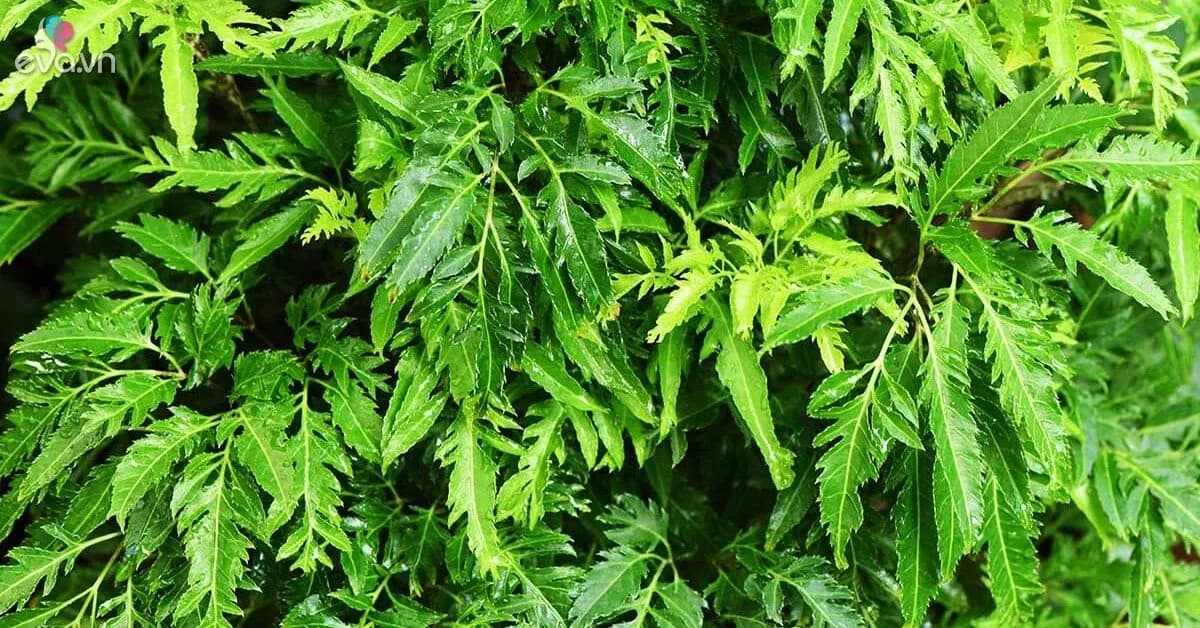
- •Đinh lăng, known as 'poor man's ginseng' in Vietnamese traditional medicine, contains saponins similar to those found in Korean ginseng.
- •The plant serves multiple purposes: enhancing fish dishes, herbal tea, medicinal applications, and is considered auspicious in feng shui.
- •Easily propagated through stem cuttings and adaptable to indoor environments, it has become popular as both an ornamental and functional plant.
A National Herb Rooted in Vietnamese Culture
In Vietnam, đinh lăng (Polyscias fruticosa) holds significance far beyond that of an ordinary vegetable. Belonging to the Araliaceae family, the same family as ginseng, this plant is traditionally called "poor man's ginseng" in Vietnamese folk medicine.
Hải Thượng Lãn Ông, an 18th-century Vietnamese physician, documented that đinh lăng roots contain nutritional components similar to Korean ginseng. Indeed, the roots are rich in saponins, the primary active compound in ginseng, known for boosting immunity, relieving fatigue, and improving blood circulation.
From Kitchen to Medicine Cabinet: Versatile Applications
Vietnamese households utilize đinh lăng in five distinct ways.
First, the leaves are consumed raw or brewed as herbal tea. Second, adding them to braised fish dishes eliminates fishiness and is said to enhance aroma tenfold. Third, the roots serve as tonics and sedatives in traditional medicine.
Fourth, dried leaves are placed inside newborn pillows following folk belief that they prevent startle reflexes. Fifth, the plant is used medicinally for detoxification, digestion promotion, and lactation enhancement.
However, excessive saponin intake may irritate the gastric mucosa, so proper dosage according to traditional medical knowledge is essential.
Feng Shui Significance of Đinh Lăng
In Vietnam, đinh lăng is considered auspicious from a feng shui perspective. Belonging to the Wood element in the five elements theory, it symbolizes growth, regeneration, and positive energy flow.
Its evergreen foliage represents abundance and prosperity, its flexible yet strong stems signify unwavering willpower, and its robust roots symbolize a solid family foundation.
When kept indoors, it is believed to harmonize qi (life energy), reduce negative energy, and bring balance and vitality to spaces. A well-tended đinh lăng plant is thought to support family well-being, mental stability, business success, and financial fortune.
Cultivation Guide for Home Growers
Stem cutting (propagation) is the easiest and most successful method for propagating đinh lăng. It can be done year-round following these steps:
- Cut semi-hardwood stems 10-15cm in length.
- Insert into moist soil, optionally using rooting hormone.
- Keep soil warm and moist; roots will develop within weeks.
Key cultivation considerations:
- Soil: Use nutrient-rich, well-draining potting mix.
- Light: Prefers indirect light; direct sunlight can scorch leaves.
- Water: Water when topsoil dries, but avoid overwatering to prevent root rot.
- Temperature: Thrives at 15-25°C; sensitive to cold.
Mature plants can reach 5 meters in height, producing white or pale yellow flowers in spring followed by small purple berries. However, flowering and fruiting rarely occur indoors.
A Plant Bridging Dining Table, Medicine Shelf, and Living Room
Đinh lăng fulfills three simultaneous roles in Vietnamese homes: ingredient, medicine, and ornamental plant. It combines medicinal root properties, edible leaf value, indoor decoration suitability, and feng shui significance in one versatile species.
Recently, it has gained popularity as bonsai, with flexible stems allowing artistic shaping. Its adaptability to both home and office environments has increased demand among urban dwellers.
Thus, đinh lăng has established itself as a plant embodying both practicality and symbolism within Vietnamese culture.
댓글 (4)
Đinh 관련 기사 잘 읽었습니다. 유익한 정보네요.
흥미로운 주제입니다. 주변에도 공유해야겠어요.
좋은 의견이십니다.
The에 대해 더 알고 싶어졌습니다. 후속 기사 부탁드립니다.
More in Life
Beyond Vaccines: Refusal of Newborn Vitamin K Shots Spreads

NASA Restores Historic 80-Year-Old 'Hangar One' at Ames Research Center

NASA X-59 Supersonic Experimental Aircraft Completes Second Test Flight Successfully
Australian Researchers Develop World's First Quantum Battery Prototype

The Ocean Was the True Driver of 3 Million Years of Climate Change
Heat Waves to Cause 700,000 Premature Deaths by 2050… Climate Crisis Undermines Exercise Habits
Latest News

이스라엘, 헤즈볼라 무기 통로 레바논 다리 공습
이스라엘군, 헤즈볼라 무기 통로 레바논 다리 공습
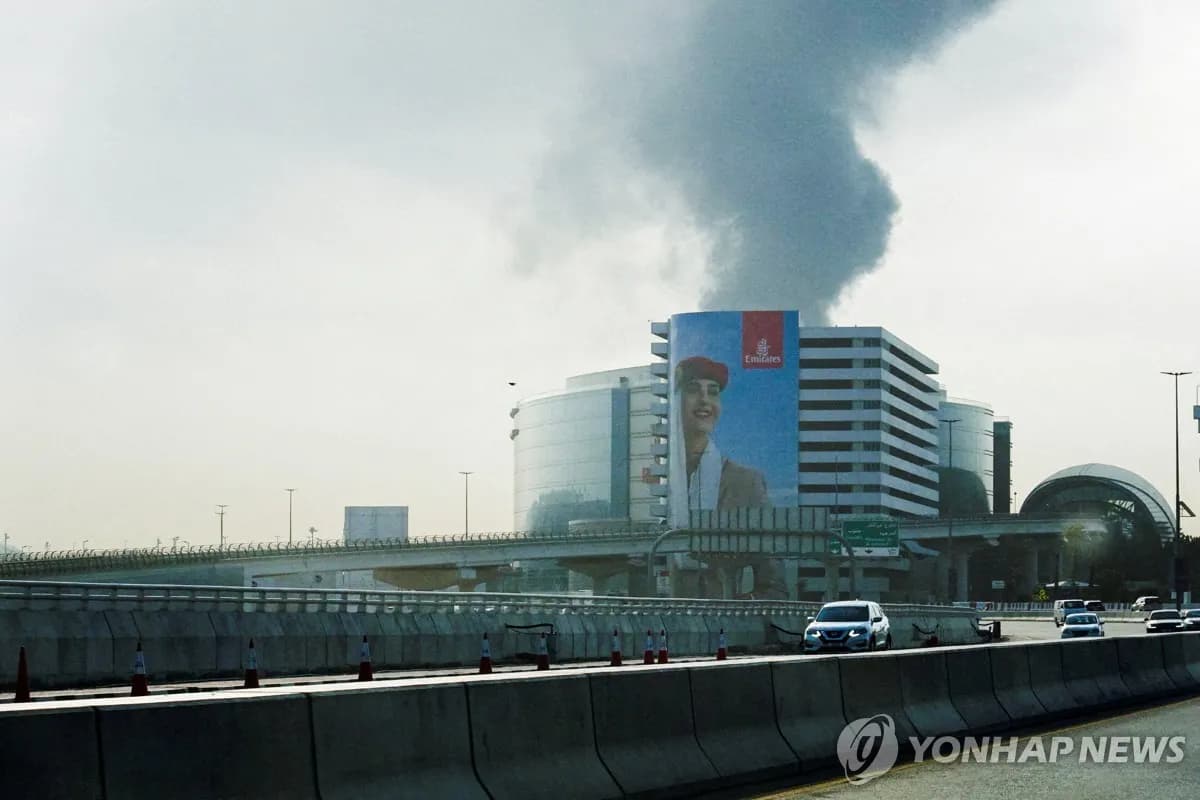
중동행 전세기 전쟁보험료 최고 7천500만원
중동행 전세기 전쟁보험료가 최고 5만달러(7천500만원)로 상승

이란 탄도미사일, 이스라엘 방어망 뚫고 160명 부상
이란 탄도미사일이 이스라엘 방공망을 통과해 160명 부상
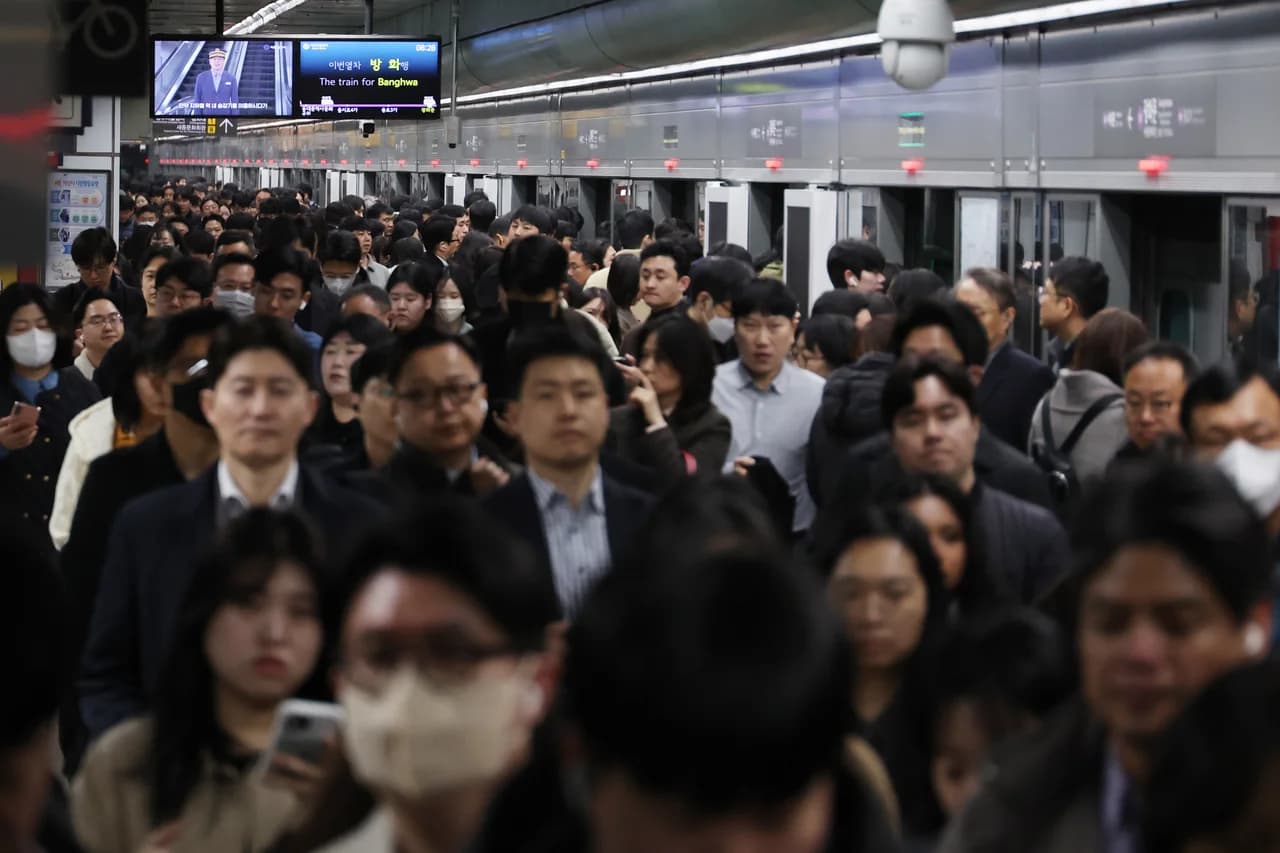
Middle East Conflict Drives Manufacturing Outlook to 10-Month Low
The Korea Institute for Industrial Economics & Trade survey shows April manufacturing outlook PSI plummeted to 88, falling below baseline for the first time in 10 months.

Lee Jae-myung Administration Excludes Multi-Home Officials from Real Estate Policymaking
President Lee Jae-myung has ordered the exclusion of multi-home owning public officials from all real estate policy processes.
Southeast Asia Growth Forecasts Cut Amid Oil Price Surge, Threatening Korean Exports
Maybank Research has downgraded ASEAN-6's 2026 growth forecast from 4.8% to 4.5%.

Volkswagen CEO Says Germany Should Learn from China's Industrial Strategy
Volkswagen CEO stated that Germany should learn from China's systematic industrial planning approach.

Reddit Considers Face ID to Block Bots While Maintaining Anonymity
Reddit is considering implementing biometric authentication systems such as Face ID and Touch ID to block AI bots while maintaining anonymity.