Abdullah Al-Muharraqi, The Artist Who Captured Bahrain's Soul with His Brush
From a Poor Fisherman's Son to the Gulf's Greatest Painter: The Artistic Legacy of an 87-Year Life
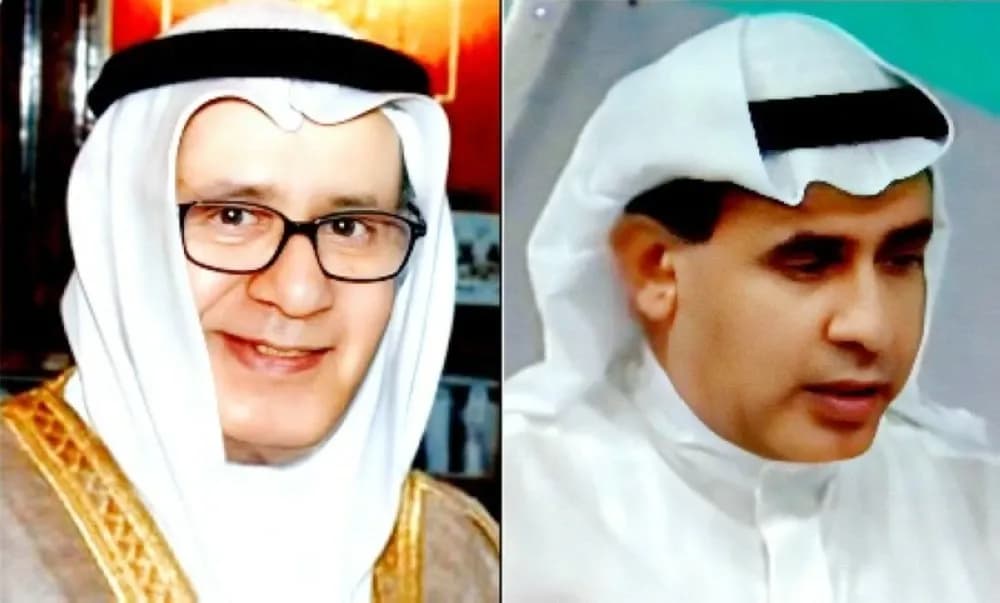
- •Abdullah Al-Muharraqi (1939–2026), pioneer of Bahraini modern art, has passed away.
- •Born the son of a poor fisherman, he became the Gulf region's greatest painter through self-education and was called the 'People's Painter.'
- •He elevated Bahrain's traditions and the lives of ordinary people into art through painting, political cartoons, and postage stamp design.
Bahrain Loses a Master
Bahrain's modern art pioneer عبدالله المحرقي (Abdullah Al-Muharraqi, 1939–2026) has passed away. His brush did not simply paint pictures—it vividly transferred Bahrain's history, seas, and the lives of ordinary people onto canvas.
Al-Muharraqi was known throughout the Gulf region as the "People's Painter." His works captured Bahrain's natural landscapes, traditional culture, the grueling labor of pearl-diving fishermen, and folk tales. Over his 87-year life, he left his mark on every aspect of Bahraini visual arts, mastering not only painting but also satirical cartoons, postage stamp design, and national medal design.
An Artist's Journey That Began at Sea
Born in 1939 in Manama's Al-Fadil district, Al-Muharraqi's childhood was marked by poverty. His father was a pearl-diving boat captain who later operated a mail boat for the Bahrain Petroleum Company (BAPCO). Young Abdullah would sometimes board his father's boat, traveling between Saudi Arabia's eastern coast and Qatar.
At age four, he fell into the sea while playing on the boat. A sailor from a nearby dhow heard the splash and jumped in to save him. Al-Muharraqi later recalled, "Seeing the fish underwater, I felt like I was in a beautiful dream." This experience would deeply influence his maritime-themed works in later years.
His mother would draw flowers, birds, horses, and deer patterns on cloth and embroider them while doing housework. Young Abdullah would watch his mother's handiwork with fascination, and this became his first art education.
From Traditional School to Modern Education
He initially studied at a traditional Kuttab (Islamic school). He disliked school and frequently ran away due to the strict teachers, canes, and unsanitary conditions. But everything changed in 1945 when, at age five, he enrolled in Manama's Al-Gharbia Elementary School.
Abdullah was amazed by the clean classrooms, pictures and maps on the walls, and neatly dressed students. "I wanted to stay at school all the time and didn't want to go home," he said. Teachers recognized his talent early and assigned him to draw maps and create educational illustrations. He drew portraits of figures like Ahmad Shawqi, Saladin, and Joseph Stalin, and teachers encouraged him with small gifts.
Footprints Left in Gulf Art History
Al-Muharraqi was not simply a painter but a multifaceted visual culture artist. He worked as a political cartoonist, giving voice to social criticism, and visualized national identity by designing Bahraini postage stamps. National medals and decorations also originated from his hands.
His studio was filled with oil paintings depicting Bahrain's history and traditions. The weathered hands of pearl divers, scenes from traditional markets, and characters from Bahraini folklore came alive on canvas. In 2012, he was recognized for his contributions by the Arab Thought Foundation and specially honored at their ceremony.
Literary giant Dr. Ghazi Al-Gosaibi also visited his studio in the 1990s and spent time with him. The late Sheikh Khalifa bin Salman Al Khalifa, Bahrain's Prime Minister, also visited his exhibitions to view his works.
Mentor to Younger Artists
Bahraini poet Ali Al-Sharqawi said, "The Al-Fadil district was a vast continent to us, where we could see all the culture and creativity of great nations. From there emerged Al-Muharraqi, the father of Bahraini visual arts."
He was a pioneer who opened the path for younger artists. No matter how much other Bahraini painters innovated and created, Al-Muharraqi remained their trailblazer, teacher, and source of inspiration.
Recording the People's History Through Art [AI Analysis]
Al-Muharraqi's artistic world transcends mere art historical significance. He was a cultural archivist who visually preserved Gulf traditional culture that was disappearing due to rapid modernization. The decline of the pearl industry, transition to an oil economy, urbanization causing the disappearance of traditional villages—his brush recorded all these changes.
The legacy he left behind extends beyond material works to exemplify the social role of art. Without Western art education, he developed his own artistic language by remaining faithful to his roots and community's stories. This remains a valid lesson for non-Western artists today who seek to maintain regional identity in a globalized art world.
Young artists in Bahrain and the Gulf region will likely continue rediscovering their cultural roots in his works and reinterpreting them in contemporary language. Al-Muharraqi's artistic philosophy—authenticity rooted in the people's lives—will remain the essence of art that won't change even in the AI era.
댓글 (4)
기사 잘 봤습니다. 다른 시각의 분석도 읽어보고 싶네요.
간결하면서도 핵심을 잘 정리한 기사네요.
The에 대해 더 알고 싶어졌습니다. 후속 기사 부탁드립니다.
좋은 의견이십니다.
More in Culture & Art
Government Provides 1 Billion Won in Emergency Disaster Funds for Daejeon Factory Fire Recovery

Existence Blooming Through Vulnerability: Massimo Lagrotteria Solo Exhibition
Milan Design Week 2026: Hotels Transform into Laboratories of Dreams

The Future of Living on the Moon, Mars, and Deep Sea: Houses Designed by Architects

15,000-Year-Old Clay Beads Made by Children Rewrite Prehistoric Art History

Reuters Reports Banksy's Identity Revealed, Reigniting Anonymity Debate
Latest News
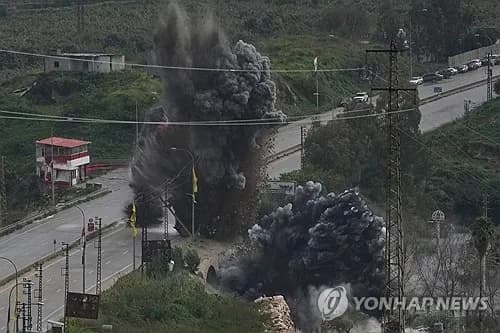
이스라엘, 헤즈볼라 무기 통로 레바논 다리 공습
이스라엘군, 헤즈볼라 무기 통로 레바논 다리 공습
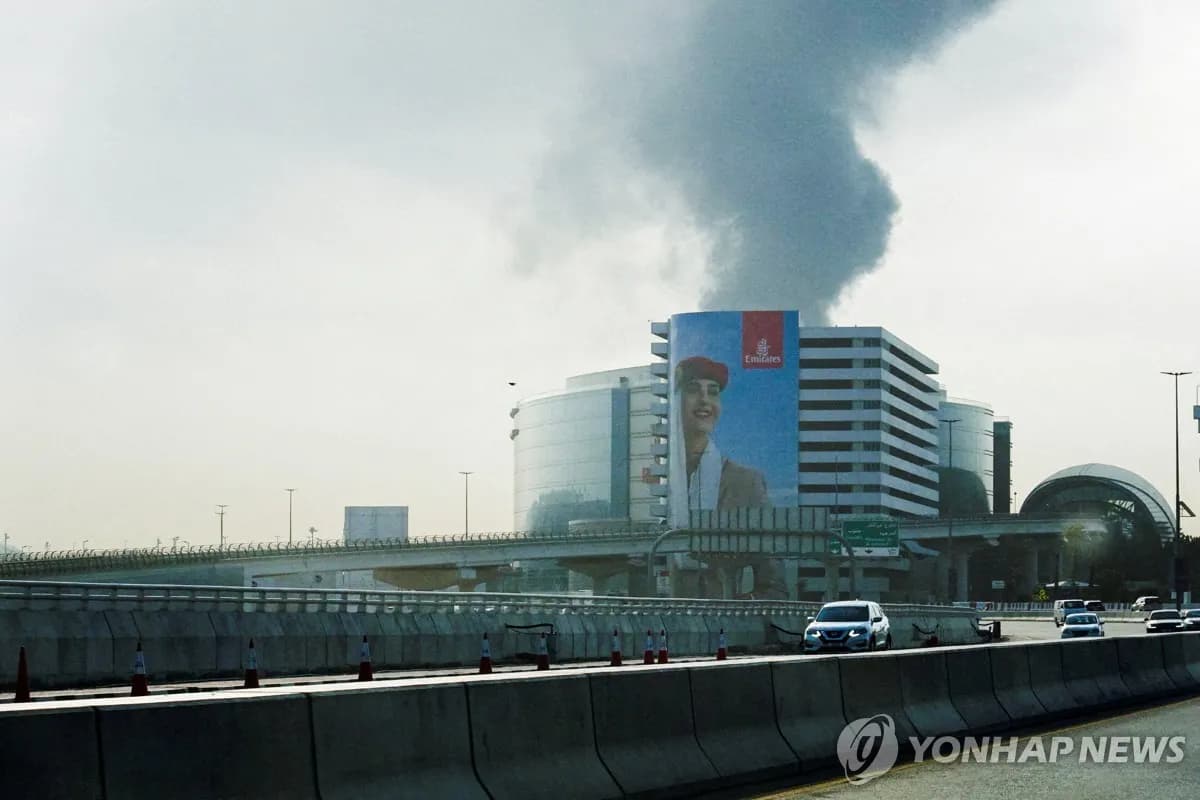
중동행 전세기 전쟁보험료 최고 7천500만원
중동행 전세기 전쟁보험료가 최고 5만달러(7천500만원)로 상승
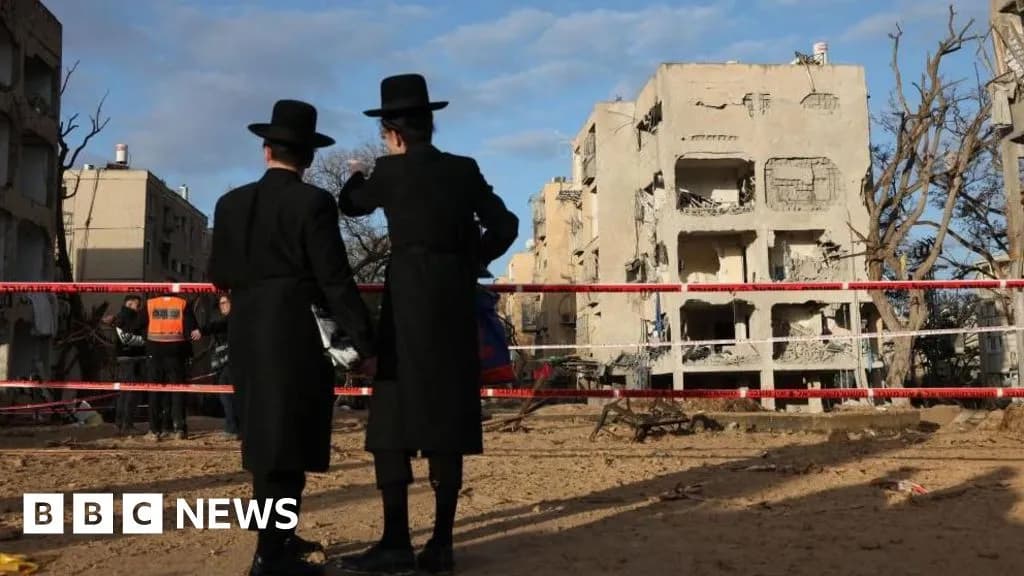
이란 탄도미사일, 이스라엘 방어망 뚫고 160명 부상
이란 탄도미사일이 이스라엘 방공망을 통과해 160명 부상

Middle East Conflict Drives Manufacturing Outlook to 10-Month Low
The Korea Institute for Industrial Economics & Trade survey shows April manufacturing outlook PSI plummeted to 88, falling below baseline for the first time in 10 months.

Lee Jae-myung Administration Excludes Multi-Home Officials from Real Estate Policymaking
President Lee Jae-myung has ordered the exclusion of multi-home owning public officials from all real estate policy processes.

Southeast Asia Growth Forecasts Cut Amid Oil Price Surge, Threatening Korean Exports
Maybank Research has downgraded ASEAN-6's 2026 growth forecast from 4.8% to 4.5%.

Volkswagen CEO Says Germany Should Learn from China's Industrial Strategy
Volkswagen CEO stated that Germany should learn from China's systematic industrial planning approach.

Reddit Considers Face ID to Block Bots While Maintaining Anonymity
Reddit is considering implementing biometric authentication systems such as Face ID and Touch ID to block AI bots while maintaining anonymity.