Refrigerator Door Shelf: The Worst Place to Store Eggs
Food Safety Expert Reveals the Scientific Truth About Egg Storage
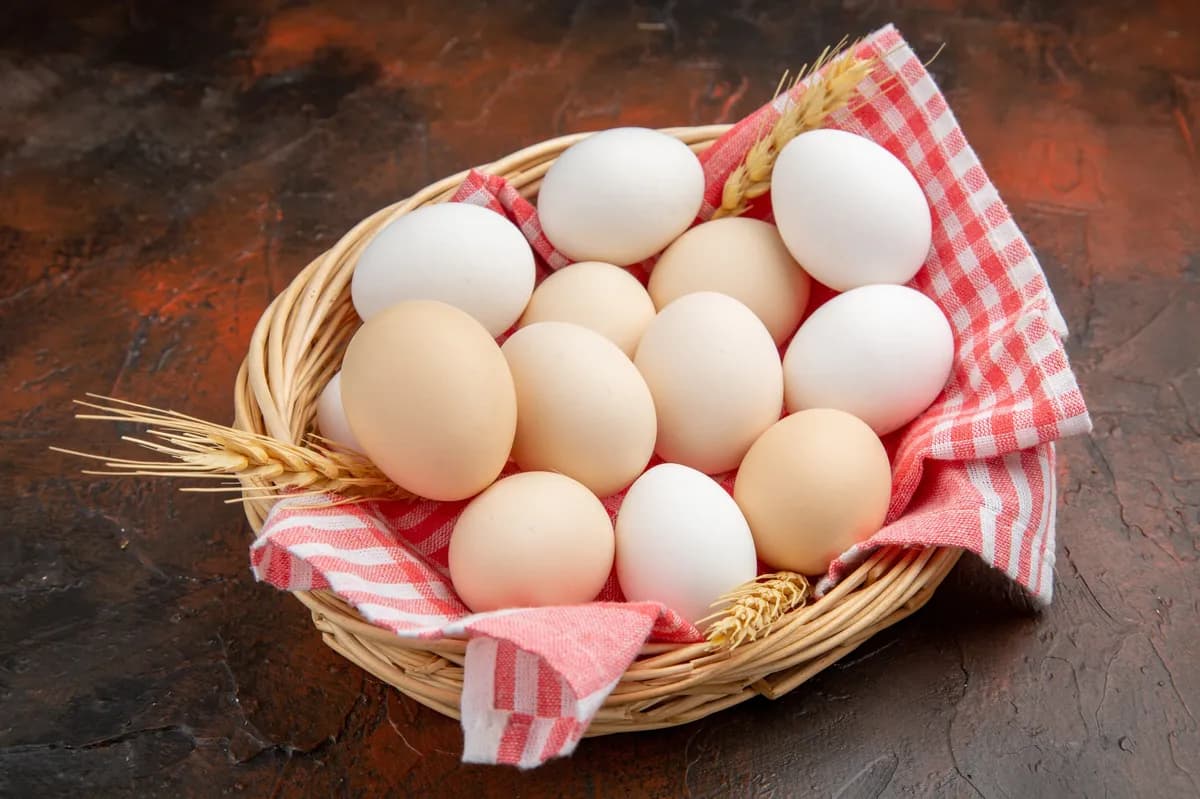
- •The refrigerator door shelf experiences severe temperature fluctuations, making it the worst place to store eggs.
- •Eggs should be stored in their original carton on the middle shelf of the refrigerator to maintain freshness.
- •Damaged shells or proximity to odorous foods increases the risk of bacterial contamination.
The Trap of Refrigerator Door Shelves
The egg storage compartment on the refrigerator door—a space most households use without question—has been revealed to actually be the worst place to store eggs.
The British daily newspaper The Sun interviewed food safety expert Vlatka Lake about the proper methods for storing eggs. Lake stated definitively that "the refrigerator door shelf is the worst place to store eggs."
The reason lies in temperature fluctuations. Every time the refrigerator door is opened and closed, the temperature of the door shelf changes drastically. These temperature variations rapidly diminish the freshness of eggs and accelerate their spoilage.
Scientifically Correct Storage Methods
The proper egg storage methods presented by expert Lake are as follows:
1. Store on the Middle Shelf of the Refrigerator
Eggs are best kept on the middle shelf inside the refrigerator. This is the area where temperature remains most stable.
2. Keep in Original Packaging
Store eggs in the cardboard carton they came in. Eggshells have a porous structure that can absorb external odors. The cardboard carton blocks this to some extent.
3. Separate from Odorous Foods
Due to the porous nature of eggshells, they should be stored away from strongly scented foods (such as kimchi or garlic).
4. No Contact with Raw Meat
Storing eggs together with raw foods like meat or fish creates a risk of cross-contamination.
5. Maintain Temperature Below 20°C
To preserve the freshness and quality of eggs, storage temperature should be kept below 20 degrees Celsius.
6. Immediately Discard Damaged Eggs
Eggs with cracked or broken shells should never be consumed and must be discarded immediately. Cracks create pathways for bacterial infiltration, significantly increasing the risk of food poisoning.
Why Store This Way
Eggs are far more sensitive than one might think. Their shells contain thousands of microscopic pores invisible to the naked eye, through which air and moisture pass. This makes them vulnerable to temperature changes and easily affected by their surrounding environment.
Each time the refrigerator door is opened, the temperature of the door shelf rises by approximately 5-10 degrees. If the door is opened and closed dozens of times a day, eggs experience stress similar to moving between a sauna and a cold bath. This promotes microbial growth inside the eggs and accelerates nutrient degradation.
In contrast, the middle shelf of the refrigerator maintains a consistent temperature of around 2-4 degrees Celsius. Within this temperature range, eggs can maintain their freshness for up to 3-4 weeks.
댓글 (3)
Refrigerator 관련 기사 잘 읽었습니다. 유익한 정보네요.
흥미로운 주제입니다. 주변에도 공유해야겠어요.
Shelf:에 대해 더 알고 싶어졌습니다. 후속 기사 부탁드립니다.
More in Life
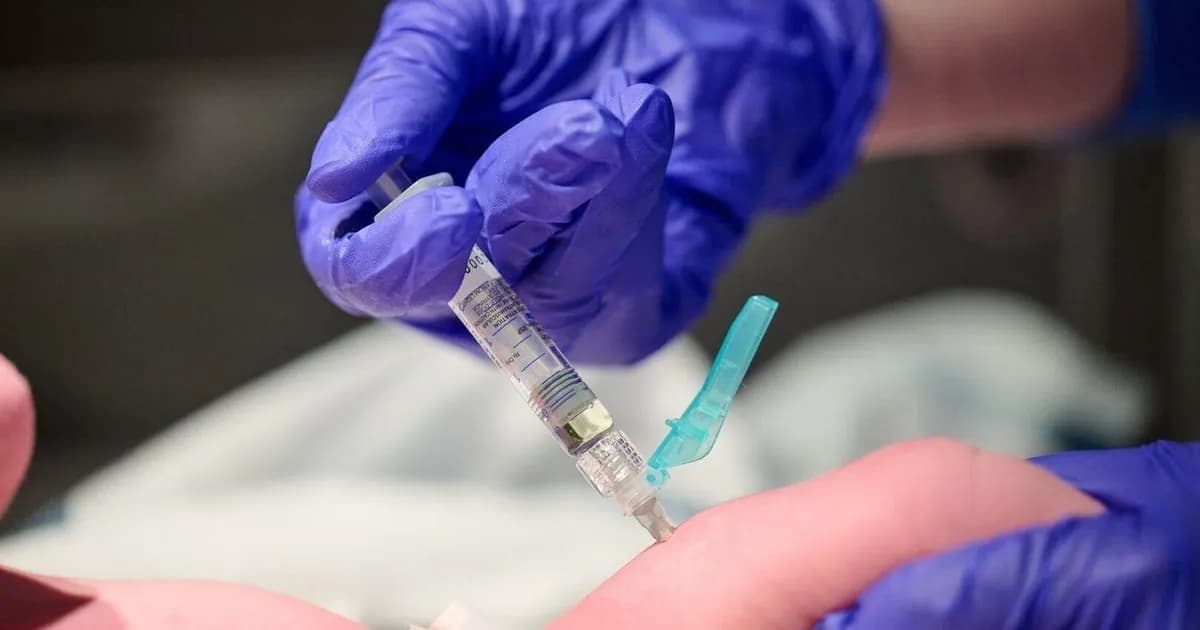
Beyond Vaccines: Refusal of Newborn Vitamin K Shots Spreads

NASA Restores Historic 80-Year-Old 'Hangar One' at Ames Research Center

NASA X-59 Supersonic Experimental Aircraft Completes Second Test Flight Successfully
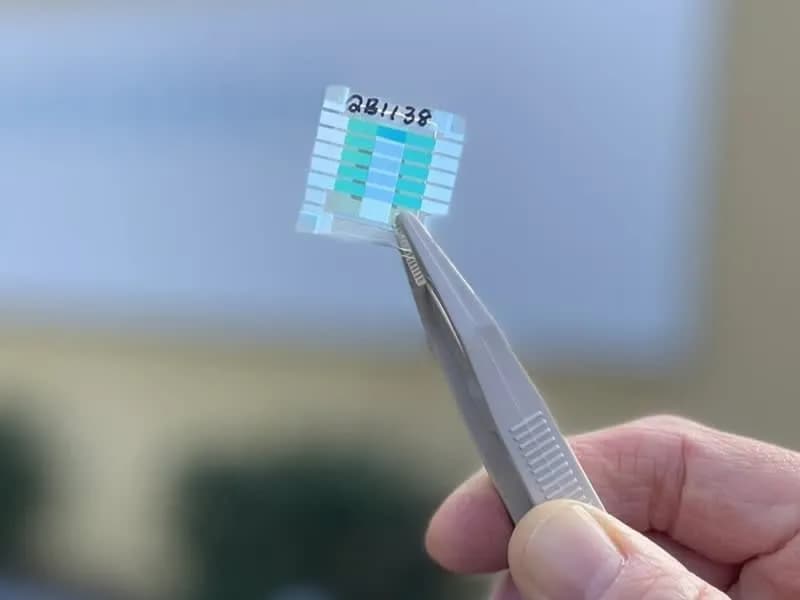
Australian Researchers Develop World's First Quantum Battery Prototype

The Ocean Was the True Driver of 3 Million Years of Climate Change

Heat Waves to Cause 700,000 Premature Deaths by 2050… Climate Crisis Undermines Exercise Habits
Latest News

이스라엘, 헤즈볼라 무기 통로 레바논 다리 공습
이스라엘군, 헤즈볼라 무기 통로 레바논 다리 공습

중동행 전세기 전쟁보험료 최고 7천500만원
중동행 전세기 전쟁보험료가 최고 5만달러(7천500만원)로 상승

이란 탄도미사일, 이스라엘 방어망 뚫고 160명 부상
이란 탄도미사일이 이스라엘 방공망을 통과해 160명 부상
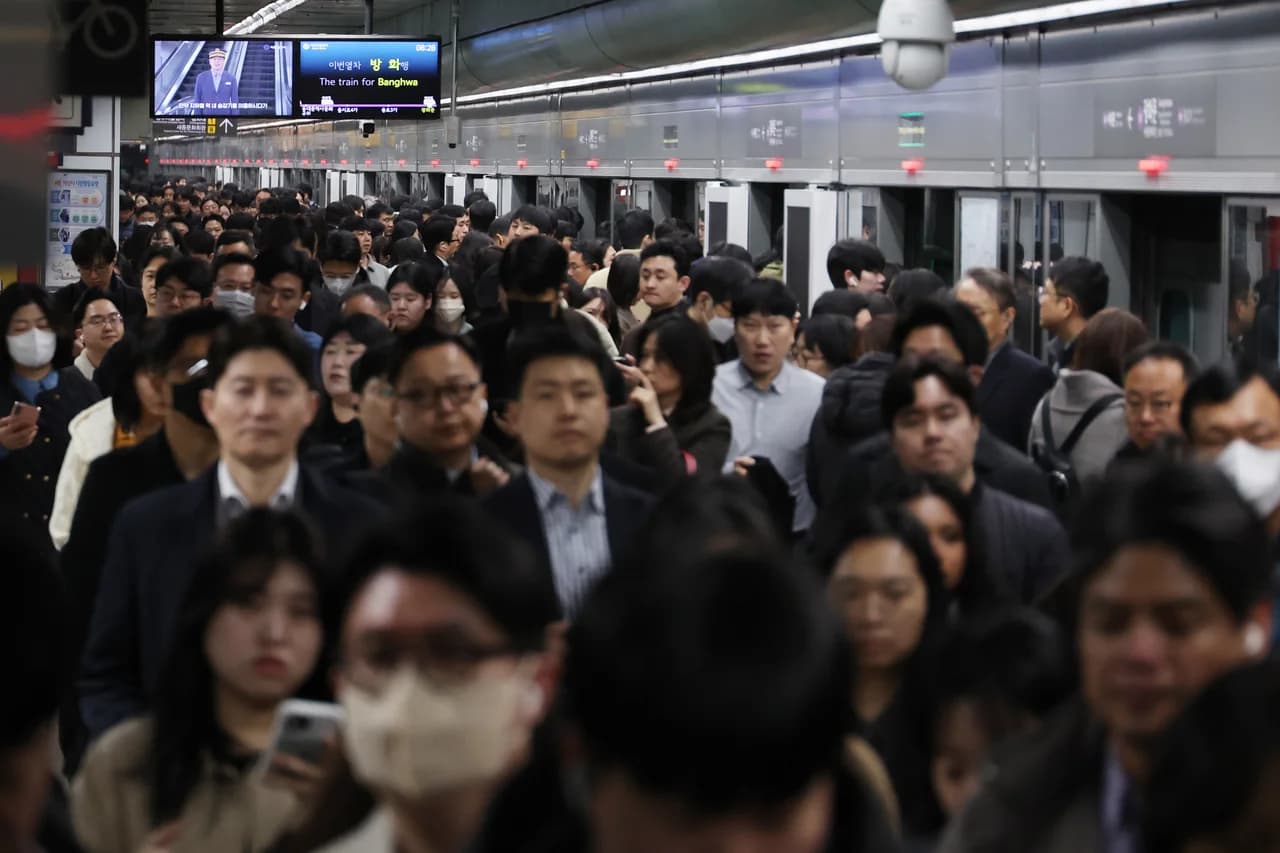
Middle East Conflict Drives Manufacturing Outlook to 10-Month Low
The Korea Institute for Industrial Economics & Trade survey shows April manufacturing outlook PSI plummeted to 88, falling below baseline for the first time in 10 months.

Lee Jae-myung Administration Excludes Multi-Home Officials from Real Estate Policymaking
President Lee Jae-myung has ordered the exclusion of multi-home owning public officials from all real estate policy processes.
Southeast Asia Growth Forecasts Cut Amid Oil Price Surge, Threatening Korean Exports
Maybank Research has downgraded ASEAN-6's 2026 growth forecast from 4.8% to 4.5%.

Volkswagen CEO Says Germany Should Learn from China's Industrial Strategy
Volkswagen CEO stated that Germany should learn from China's systematic industrial planning approach.

Reddit Considers Face ID to Block Bots While Maintaining Anonymity
Reddit is considering implementing biometric authentication systems such as Face ID and Touch ID to block AI bots while maintaining anonymity.