South Korea Builds New Economic Alliances with ASEAN and Latin America to Navigate Tariff Waters
Reducing U.S.-China Dependence Amid Trump Tariffs… Accelerating Thailand-Malaysia FTAs, Reconsidering CPTPP Membership
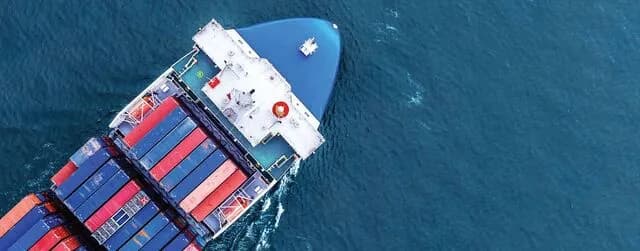
- •In response to Trump tariffs, the Korean government is accelerating strategic trade agreements with ASEAN and Latin American emerging markets.
- •Through Thailand-Malaysia FTAs and CPTPP membership review, Korea aims to reduce U.S.-China dependence and promote export diversification.
- •Concerns over damage to agriculture and fisheries and securing member country consent remain key negotiation challenges.
Shifting Export Landscape: Turning to Emerging Markets
The Trump administration's high-tariff policy is fundamentally shaking South Korea's export structure. The government is accelerating strategic trade agreements with emerging markets such as ASEAN and Latin America to reduce dependence on the existing U.S.-China export framework.
According to the Ministry of Trade, Industry and Energy, the 7th round of Korea-Thailand Comprehensive Economic Cooperation Agreement (CEPA) negotiations took place in Seoul from April 22-25. Market opening and cooperation strengthening measures across seven sectors—goods, services, investment, digital, and finance—were discussed. CEPA is an agreement encompassing overall economic cooperation beyond tariff elimination on goods. Negotiations with Thailand, which began in July last year as an Economic Partnership Agreement (EPA), were expanded to CEPA last month to broaden the scope of cooperation.
Beyond Thailand, FTA work with Malaysia is also in its final stages. Although tariffs on many items have already been eliminated with all 10 ASEAN countries through the Korea-ASEAN FTA that took effect in 2007, the strategy is to deepen cooperative relations by establishing separate FTAs with individual countries. On the 2nd, the government signed a Strategic Economic Cooperation Agreement (SECA) with Ecuador to eliminate tariffs on automobiles and K-food, with parliamentary ratification procedures pending.
Expanding Economic Alliance Network Through Mega FTAs
The government recently formalized its policy to review joining the Comprehensive and Progressive Agreement for Trans-Pacific Partnership (CPTPP) in its "follow-up support measures for U.S. tariff negotiations" for the first time in five years. CPTPP is a mega FTA involving 12 countries including Japan, Mexico, Australia, and Canada, with projected GDP growth effects of 0.38 percentage points upon joining.
The benefits of CPTPP membership are clear. In a situation where Mexico has recently threatened to impose tariffs of up to 50%, membership would secure advantageous positioning in tariff negotiations with Mexico, a CPTPP member. Jung Sung-hoon, senior research fellow at the Korea Development Institute (KDI), assessed that "CPTPP membership could play a decisive role in reducing U.S.-China dependence through opening effects across all trade areas including tariff elimination with 12 countries, as well as digital and intellectual property sectors."
Learning from the Past: Memories of 2021's Failure
During the Moon Jae-in administration in 2021, CPTPP membership review was also pursued. However, it ultimately fell through due to farmer opposition and controversy over importing seafood from Fukushima, Japan. CPTPP member countries' agricultural tariff elimination rate is around 96%, significantly exceeding Korea's average FTA tariff elimination rate of 79.1%. This raises concerns about potential significant damage to the domestic agriculture and fisheries sectors.
CEPA agreements with ASEAN also face potential obstacles from related industry damage due to increased imports of various fruits, seafood, and low-cost timber products. The requirement for unanimous consent from existing members including Japan for CPTPP membership is another variable.
A government official cautiously stated, "Discussions among relevant ministries have not reached a concrete stage," adding that "support measures for vulnerable sectors such as agriculture and fisheries, as well as communication with stakeholders, are necessary."
Strategic Choice to Break Free from U.S.-China Dependence
South Korea's export structure has long been concentrated on the United States and China. As of 2024, exports to China accounted for approximately 21% of the total, while exports to the U.S. represented 16%, creating a structure where these two countries controlled 37% of exports. However, with the intensification of the Trump administration's high-tariff policy and U.S.-China trade conflicts, the consensus is growing that this structure is no longer sustainable.
ASEAN is a massive market of 670 million people and a rapidly growing consumer market. Latin America is also emerging as a new source of demand for Korean products such as automobiles and electronics, beyond being merely a raw material supplier. Through FTA agreements with these emerging markets, the government's strategy is to catch two birds with one stone: export diversification and supply chain stabilization.
Future Outlook [AI Analysis]
South Korea's trade strategy aims beyond short-term tariff avoidance toward mid- to long-term export structure reorganization. If FTAs with ASEAN and Latin America are successfully concluded, U.S.-China dependence is likely to gradually decrease. In particular, if CPTPP membership is realized, economic cooperation with Japan, Australia, Canada and others will be significantly strengthened, and South Korea's position in the global supply chain is expected to become more robust.
However, risks remain that negotiations could be delayed or fail if opposition from the agriculture and fisheries sectors cannot be resolved. Whether the government prepares substantial support measures for vulnerable industries and conducts sufficient communication with stakeholders will be the key factor determining success or failure. Whether agreements with Thailand and Malaysia are concluded within the next 1-2 years will serve as a touchstone for measuring the effectiveness of South Korea's trade strategy.
댓글 (4)
South 관련 기사 잘 읽었습니다. 유익한 정보네요.
좋은 의견이십니다.
Korea에 대해 더 알고 싶어졌습니다. 후속 기사 부탁드립니다.
흥미로운 주제입니다. 주변에도 공유해야겠어요.
More in Economy
Middle East Conflict Drives Manufacturing Outlook to 10-Month Low
Lee Jae-myung Administration Excludes Multi-Home Officials from Real Estate Policymaking

Volkswagen CEO Says Germany Should Learn from China's Industrial Strategy

Russia Anticipates Economic Gains from US-Iran Conflict
U.S. Federal Reserve Unveils Bank Capital Regulation Modernization Plan
Federal Reserve Announces Enforcement Actions Against Two Former Bank Employees
Latest News
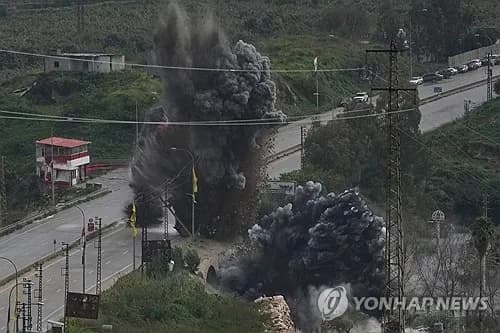
이스라엘, 헤즈볼라 무기 통로 레바논 다리 공습
이스라엘군, 헤즈볼라 무기 통로 레바논 다리 공습
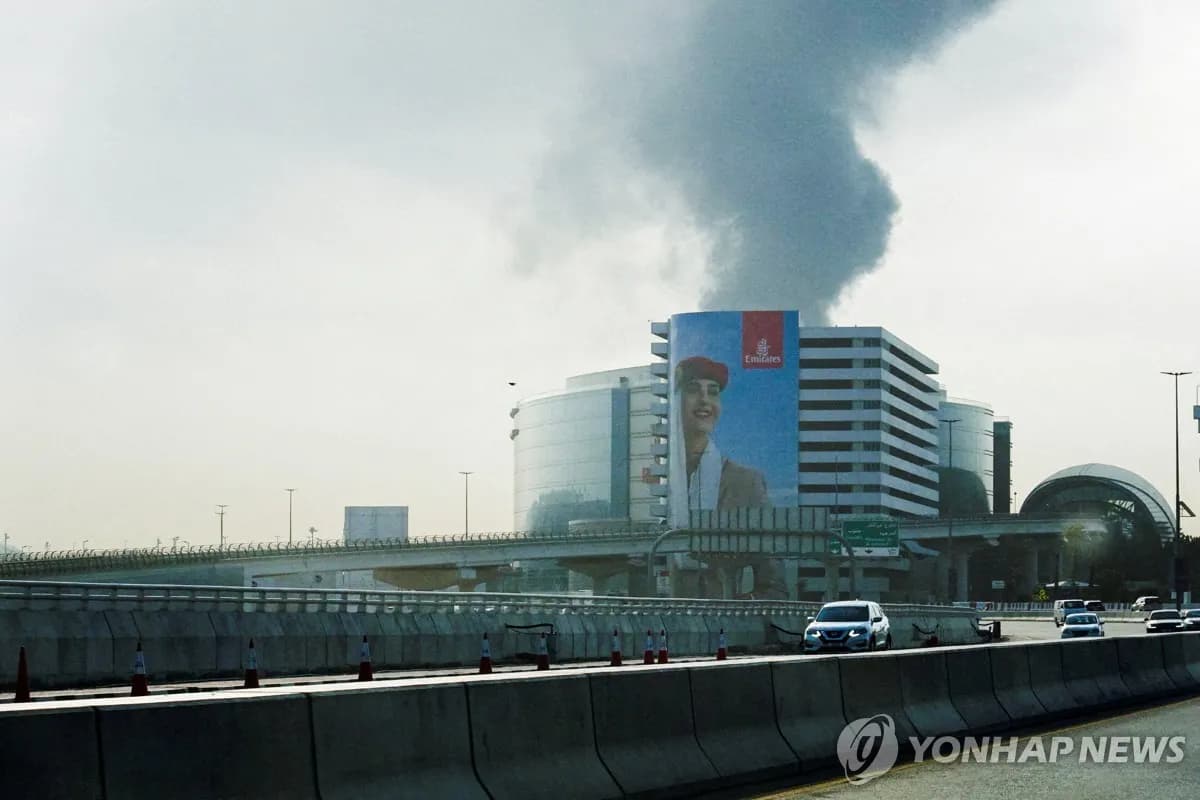
중동행 전세기 전쟁보험료 최고 7천500만원
중동행 전세기 전쟁보험료가 최고 5만달러(7천500만원)로 상승

이란 탄도미사일, 이스라엘 방어망 뚫고 160명 부상
이란 탄도미사일이 이스라엘 방공망을 통과해 160명 부상

Southeast Asia Growth Forecasts Cut Amid Oil Price Surge, Threatening Korean Exports
Maybank Research has downgraded ASEAN-6's 2026 growth forecast from 4.8% to 4.5%.

Reddit Considers Face ID to Block Bots While Maintaining Anonymity
Reddit is considering implementing biometric authentication systems such as Face ID and Touch ID to block AI bots while maintaining anonymity.
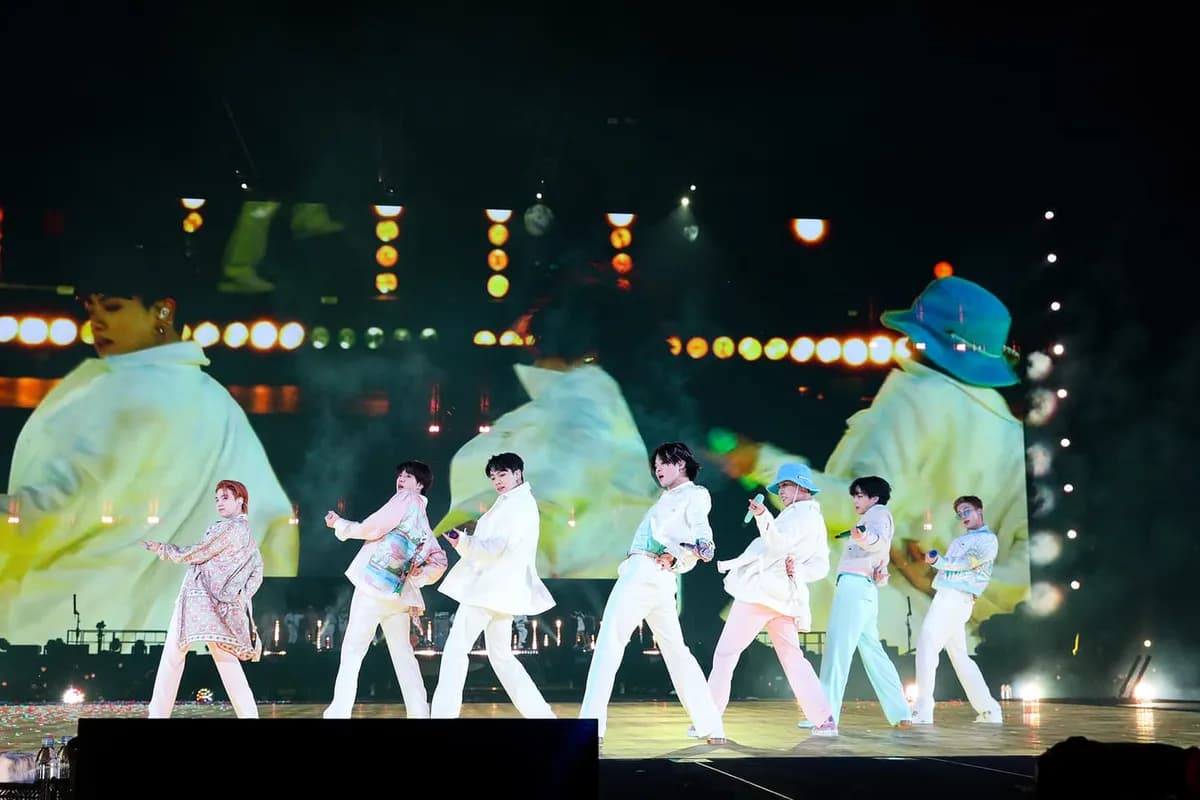
BTS Tops March Artist Brand Reputation Rankings with First Full Group Comeback in 4 Years
BTS ranked first in the Korean Corporate Reputation Research Institute's March Artist Brand Reputation Rankings based on 99 million data points.

Santo Domingo's Malecón Sports Park Construction Progressing Smoothly
Construction of a soccer field and skate park is progressing smoothly in the Malecón area of Santo Domingo, Dominican Republic.

Pogačar Overcomes Crash to Win Milano-Sanremo, Achieves Four Monument Victories
Tadej Pogačar defeated Tom Pidcock to win Milano-Sanremo, achieving his fourth Monument victory.