Greece's Economic Recovery: Lessons for Latvia from Crisis to Growth
Greece Overcomes Fiscal Crisis, Now Recording Faster Growth Than EU Average

- •Greece suffered a severe economic crisis following the 2009 revelation of concealed fiscal deficits, but now records growth rates exceeding the EU average.
- •Business-friendly policies, market reforms, and elimination of the shadow economy served as key drivers of recovery, resulting in fiscal surplus and credit rating upgrades.
- •However, nearly one-third of the population remains at risk of poverty, revealing limitations where improved economic indicators have not translated into better quality of life for citizens.
From Olympic Glory to Fiscal Crisis
Athens, Greece, 2004. The Olympics returned to their historic homeland, and the national football team claimed the European Championship title. It was a moment of peak national pride, but behind this spectacular success lay the seeds of economic disaster.
In 2009, it was revealed that the Greek government had been concealing the true scale of its fiscal deficit. The actual deficit was five times the 3% threshold set by the European Union (EU). According to The Guardian, this revelation triggered panic in financial markets, and Greece was effectively shut out of global funding markets.
To prevent national default, Greece required three bailout packages from the EU and the International Monetary Fund (IMF) over eight years. The price was severe. Extreme austerity measures were implemented, and citizens' lives were devastated.
Signs of Recovery
As of 2025, Greece is achieving a remarkable turnaround. Thanks to EU recovery funds, Greece's GDP growth rate is outpacing the EU average. The Financial Times reports that exports' share of GDP has doubled since 2008, and Athens has developed a small but rapidly growing technology sector.
More notably is the fiscal health. Greece is currently one of the few countries in the EU recording a fiscal surplus. Credit rating agency S&P Global recently upgraded Greece's credit rating to investment grade at BBB.
Keys to Success
Mihalis Arghyrou, chief economic adviser to the Greek Prime Minister, emphasized in a Bloomberg interview that business-friendly policies and market reforms attracted investment and stimulated growth.
Particularly significant was the crackdown on the shadow economy. According to IMF data, the shadow economy, which accounted for 27% of Greece's GDP in 2010, has been reduced by more than half through digitalization and technology solutions.
Rieva Jorgenfreja, chief economist at Swedbank, also noted that the impact of Russia's invasion of Ukraine on Greece was much less severe than on Latvia. While Latvia's inflation reached 17% in 2022, Greece's stood at 9.3%.
Challenges That Remain
However, The Guardian reports that many Greek citizens' living standards have not recovered to pre-debt crisis levels. Although unemployment has decreased, wages and pensions remain largely stagnant, and inflation in the housing rental sector has significantly deteriorated quality of life.
According to 2024 data, nearly one-third of Greece's population remains at risk of poverty or social exclusion. While economic indicators have improved, the benefits are not being distributed evenly among all citizens.
Lessons Latvia Should Learn [AI Analysis]
Greece's experience vividly demonstrates the importance of fiscal soundness. Without transparent fiscal management and structural reforms, short-term achievements can lead to long-term crises.
EU member states, including Latvia, should pay attention to three key lessons:
-
Fiscal Transparency: The moment deficit figures are concealed, market confidence can collapse instantly.
-
Sustained Structural Reform: Greece's recovery stemmed not from simple austerity but from fundamental changes such as market reform, digitalization, and elimination of the shadow economy.
-
Inclusive Growth: If improved economic indicators do not translate into real improvements in citizens' quality of life, political and social instability is likely to persist.
Greece's economic recovery is impressive, but the scars of the crisis remain deeply etched in the lives of many citizens. True success will only be achieved not when growth rates improve, but when citizens' lives genuinely improve.
댓글 (2)
Greece 상황이 심각하네요. 서민들 피해가 걱정됩니다.
Economic 문제가 장기화되면 어떻게 될지 우려됩니다.
More in Economy
Middle East Conflict Drives Manufacturing Outlook to 10-Month Low

Lee Jae-myung Administration Excludes Multi-Home Officials from Real Estate Policymaking

Volkswagen CEO Says Germany Should Learn from China's Industrial Strategy

Russia Anticipates Economic Gains from US-Iran Conflict
U.S. Federal Reserve Unveils Bank Capital Regulation Modernization Plan
Federal Reserve Announces Enforcement Actions Against Two Former Bank Employees
Latest News
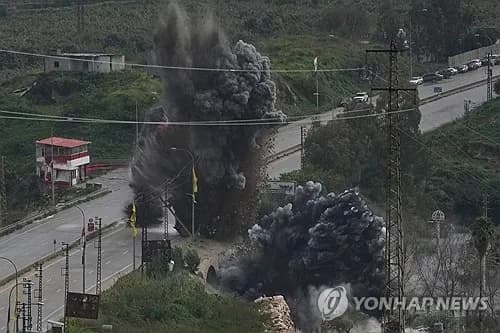
이스라엘, 헤즈볼라 무기 통로 레바논 다리 공습
이스라엘군, 헤즈볼라 무기 통로 레바논 다리 공습

중동행 전세기 전쟁보험료 최고 7천500만원
중동행 전세기 전쟁보험료가 최고 5만달러(7천500만원)로 상승

이란 탄도미사일, 이스라엘 방어망 뚫고 160명 부상
이란 탄도미사일이 이스라엘 방공망을 통과해 160명 부상

Southeast Asia Growth Forecasts Cut Amid Oil Price Surge, Threatening Korean Exports
Maybank Research has downgraded ASEAN-6's 2026 growth forecast from 4.8% to 4.5%.

Reddit Considers Face ID to Block Bots While Maintaining Anonymity
Reddit is considering implementing biometric authentication systems such as Face ID and Touch ID to block AI bots while maintaining anonymity.

BTS Tops March Artist Brand Reputation Rankings with First Full Group Comeback in 4 Years
BTS ranked first in the Korean Corporate Reputation Research Institute's March Artist Brand Reputation Rankings based on 99 million data points.

Santo Domingo's Malecón Sports Park Construction Progressing Smoothly
Construction of a soccer field and skate park is progressing smoothly in the Malecón area of Santo Domingo, Dominican Republic.

Pogačar Overcomes Crash to Win Milano-Sanremo, Achieves Four Monument Victories
Tadej Pogačar defeated Tom Pidcock to win Milano-Sanremo, achieving his fourth Monument victory.