Gold Hits $5,000, Silver Breaks $100: Global Trade War Triggers Safe-Haven Shock
U.S. Greenland Negotiation Pressure and European Tariff Threats Spark Largest Safe-Asset Rally Since Bretton Woods
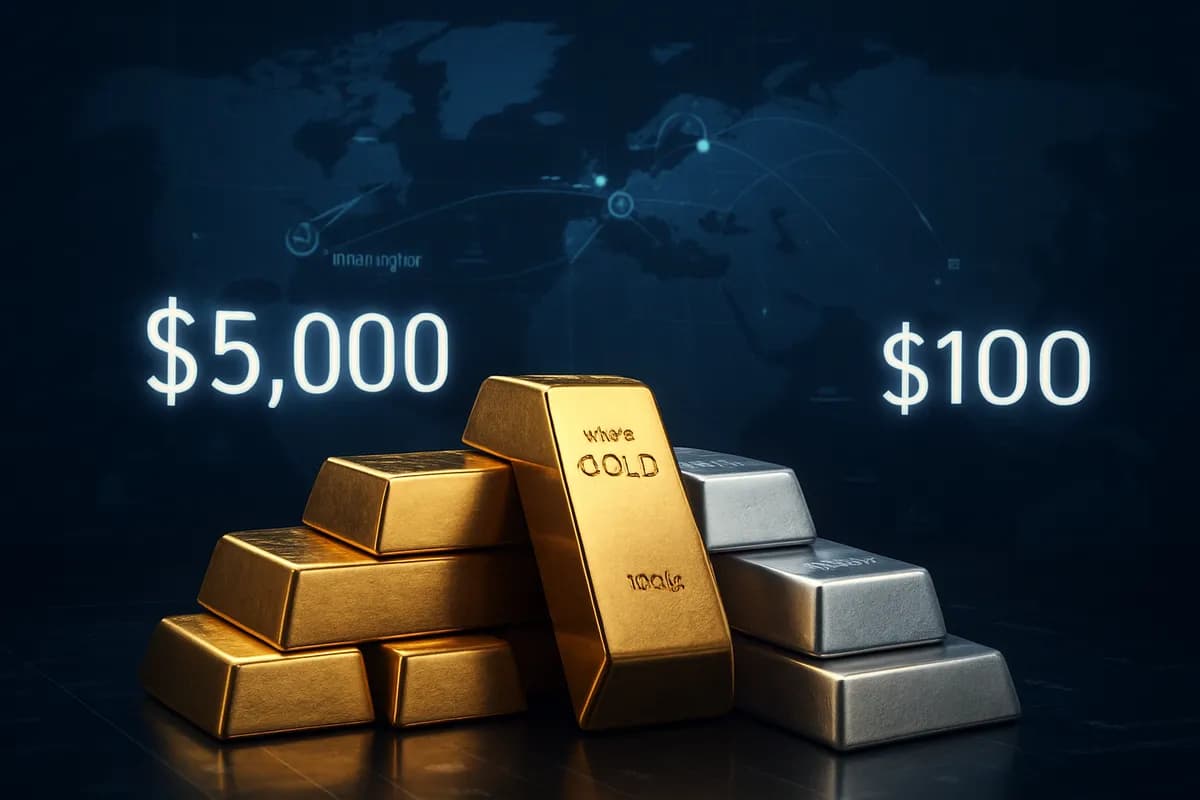
- •Gold prices reached $4,908.80 per ounce and silver broke $100, triggering the largest safe-asset rally since the Bretton Woods system.
- •U.S. Greenland negotiation pressure and 25% tariff threats against Europe collapsed the Turnberry Agreement, fundamentally shaking the global trade order.
- •Accelerated gold purchases by Global South central banks and a silver short squeeze driven by AI industry demand catalyzed the price surge.
Gold Reaches $4,908, Silver Breaks $100: 'Safe-Asset Shock' Amid Dollar Weakness
On January 26, 2026, global financial markets reached a historic turning point. Gold prices hit $4,908.80 per ounce, approaching the psychological resistance level of $5,000, while silver prices broke through the $100 barrier, trading in the $95.97-$103.00 range.
This rally represents more than a simple price increase. It signifies a fundamental shift from the era of trade stability that persisted since the Bretton Woods system to an age where protectionism and geopolitical confrontation have become constants.
While U.S. dollar weakness and 'Sell America' sentiment served as immediate catalysts for this rally, the real cause is unprecedented geopolitical risk. America's aggressive tariff threats against Europe and diplomatic deadlock over Greenland's status are driving institutional capital into physical assets.
Greenland Negotiation Pressure and Collapse of the Turnberry Agreement
The origins of this crisis trace back to January 17, 2026. The U.S. administration threatened to impose 25% cumulative tariffs on eight European nations including France, Germany, and Denmark, demanding they reopen negotiations on the strategic acquisition of Greenland.
This measure effectively nullified the 'Turnberry Agreement' concluded in 2025. The Turnberry Agreement had established a 15% ceiling on trade friction across the Atlantic, but the Greenland crisis collapsed this framework, escalating into broad confrontation between the United States and NATO allies.
On January 21 at the Davos World Economic Forum, President Trump and NATO Secretary General Mark Rutte met to discuss an agreement framework centered on the 'Golden Dome' Arctic missile defense system, leading to withdrawal of the immediate 10% tariff threat. However, market confidence had already crumbled. The ambiguous phrase 'concept of a deal' only heightened skepticism about long-term diplomatic stability and formed the bottom for precious metals prices.
Central Bank Gold Purchases Accelerate and Silver Short Squeeze
Another key player in this rally is central banks in Global South nations. Having witnessed the United States weaponizing tariffs as a diplomatic tool, these countries are accelerating gold purchases to reduce dollar dependence.
The silver market experienced a 'global short squeeze' phenomenon. Silver plays a dual role as both a critical industrial material for AI-based energy transition and a monetary hedge, and these two demand sources exploded simultaneously, creating a physical supply shortage.
On the COMEX market, the gold-silver price ratio fell to its lowest level in 10 years, demonstrating that silver's value is undergoing fundamental revaluation.
ETF Capital Inflows and Mining Stock Benefits
SPDR Gold Shares (NYSE: GLD) recorded unprecedented capital inflows, becoming the largest beneficiary of funds exiting the cooling stock market. Both retail and institutional investors are flocking to this ETF.
Mining companies are also benefiting. Gold producers are expected to see significantly improved operating margins due to high gold prices, while silver mining companies enjoy the dual advantage of increased industrial demand and rising prices.
Historical Context: From Bretton Woods to the 'New Protectionist Era'
To understand today's situation, we must revisit the history of the postwar trade order.
The 1944 Bretton Woods system established a gold-based fixed exchange rate regime, and even after Nixon's 1971 suspension of gold convertibility, the dollar-centered free trade order persisted. The 2008 financial crisis pushed gold prices to the $1,900 range, but this was a crisis of confidence in monetary policy, not a challenge to the trade order.
The 2018 U.S.-China trade war was the first fracture. As tariffs emerged as a diplomatic tool, gold prices broke through $2,000. The 2020 pandemic exposed supply chain vulnerabilities, and the 2022 Russia-Ukraine war demonstrated that energy and food security could be weaponized.
The 2025 Turnberry Agreement was the last attempt to rebuild order. However, the 2026 Greenland crisis collapsed even this, heralding the opening of a 'new protectionist era' where even allies become targets of tariff threats.
Within this context, gold breaking $5,000 and silver hitting $100 are inevitable outcomes. Investors now perceive this as 'structural change' rather than 'temporary shock.'
Future Outlook [AI Analysis]
In the short term, gold breaking $5,000 appears to be a matter of time. Unless U.S.-European tariff negotiations show progress, safe-asset preference will likely persist. For silver, the $100 level may establish itself as a new support line, with structural demand supported by growth in AI and electric vehicle industries.
In the medium term, central bank gold purchasing trends are the key variable. If Global South nations continue reducing dollar dependence, gold could be elevated from a simple safe asset to an 'alternative reserve asset.'
Long-term, the shape of the new trade order is crucial. If tariff wars between the United States and major nations become constant, precious metals prices could maintain a structural upward trend for years. Conversely, if the Davos agreement leads to substantial results and trade stability is restored, correction possibilities cannot be ruled out.
However, one thing is clear: the 'era of trade stability' that lasted 70 years since Bretton Woods has ended. Investors must now adapt to a complex world where tariffs, diplomacy, and supply chains must all be considered.
댓글 (4)
Gold 문제는 양쪽 입장을 모두 들어봐야 할 것 같습니다.
댓글란이 과열되지 않았으면 합니다. 차분한 논의가 필요해요.
차분한 논의가 필요하다는 말에 공감합니다.
이 사안은 신중하게 접근해야 한다고 봅니다.
More in Economy

Middle East Conflict Drives Manufacturing Outlook to 10-Month Low

Lee Jae-myung Administration Excludes Multi-Home Officials from Real Estate Policymaking

Volkswagen CEO Says Germany Should Learn from China's Industrial Strategy

Russia Anticipates Economic Gains from US-Iran Conflict
U.S. Federal Reserve Unveils Bank Capital Regulation Modernization Plan
Federal Reserve Announces Enforcement Actions Against Two Former Bank Employees
Latest News
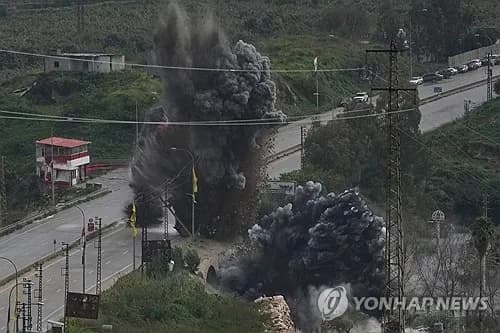
이스라엘, 헤즈볼라 무기 통로 레바논 다리 공습
이스라엘군, 헤즈볼라 무기 통로 레바논 다리 공습

중동행 전세기 전쟁보험료 최고 7천500만원
중동행 전세기 전쟁보험료가 최고 5만달러(7천500만원)로 상승

이란 탄도미사일, 이스라엘 방어망 뚫고 160명 부상
이란 탄도미사일이 이스라엘 방공망을 통과해 160명 부상

Southeast Asia Growth Forecasts Cut Amid Oil Price Surge, Threatening Korean Exports
Maybank Research has downgraded ASEAN-6's 2026 growth forecast from 4.8% to 4.5%.

Reddit Considers Face ID to Block Bots While Maintaining Anonymity
Reddit is considering implementing biometric authentication systems such as Face ID and Touch ID to block AI bots while maintaining anonymity.
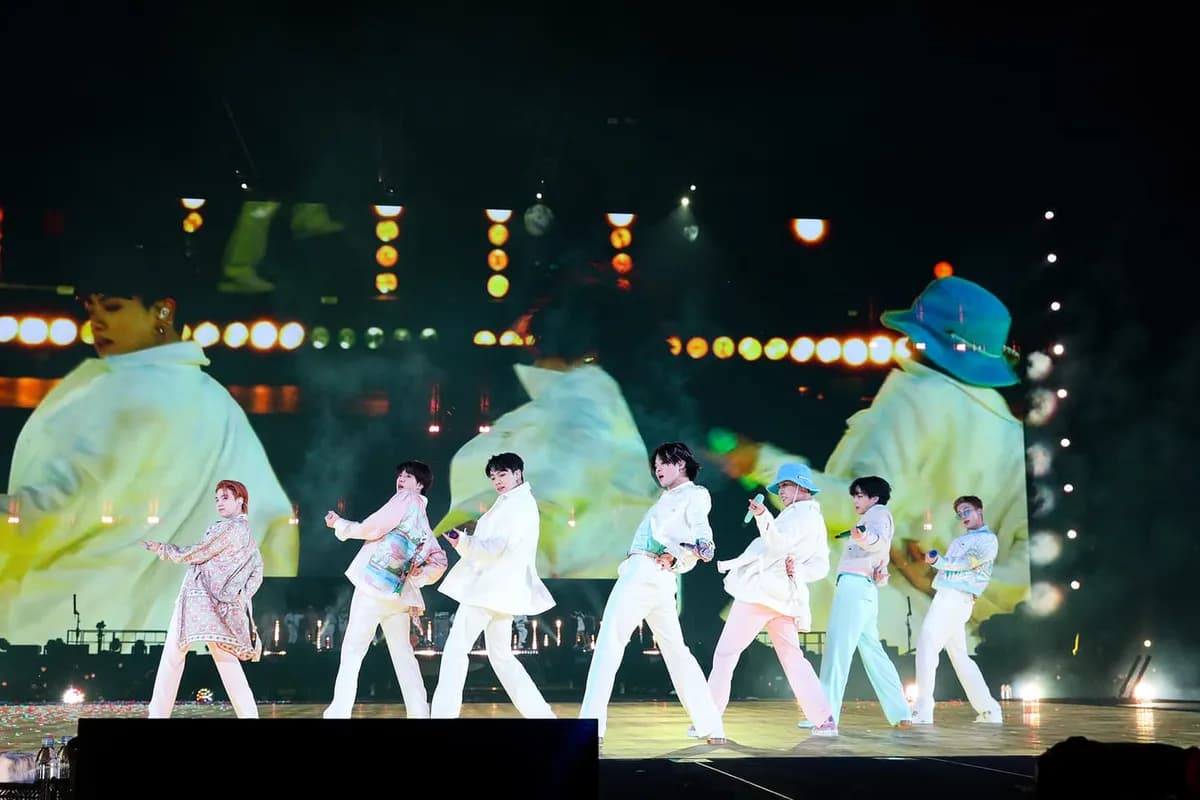
BTS Tops March Artist Brand Reputation Rankings with First Full Group Comeback in 4 Years
BTS ranked first in the Korean Corporate Reputation Research Institute's March Artist Brand Reputation Rankings based on 99 million data points.

Santo Domingo's Malecón Sports Park Construction Progressing Smoothly
Construction of a soccer field and skate park is progressing smoothly in the Malecón area of Santo Domingo, Dominican Republic.

Pogačar Overcomes Crash to Win Milano-Sanremo, Achieves Four Monument Victories
Tadej Pogačar defeated Tom Pidcock to win Milano-Sanremo, achieving his fourth Monument victory.