Nanjing Massacre Sculptures Revive Chinese Memory of Peace
Sculptor Wu Weishan's 'Tao Nan' Series Conveys War History and Peace Message at Beijing Imperial Ancestral Temple

- •Chinese sculptor Wu Weishan's 'Tao Nan' series is being exhibited at Beijing's Imperial Ancestral Temple, using art to remember the history of the Nanjing Massacre.
- •Created between 2005-2007, these sculptures indirectly express the horrors of war by focusing on the suffering of victims.
- •The artist emphasizes that the work is intended for historical remembrance and peace, not hatred, expressing the Chinese people's love for peace.
The Power of Sculpture to Remember History
On a sweltering summer day, visitors entering the rest area of Beijing's Imperial Ancestral Temple encounter not only cool air but also the heavy weight of history. While the majesty of the centuries-old architecture is impressive, what proves even more powerful are the displayed artworks. Among these works depicting pivotal moments from the Chinese People's War of Resistance Against Japanese Aggression (1931-1945), a group of sculptures on a white central platform particularly captures visitors' attention.
These sculptures powerfully visualize terror and despair through contorted bodies, hollow gazes, and torn clothing. Some figures look up to the sky, others scream in silence, some struggle for survival, while others have already fallen, having lost their lives.
Wu Weishan's 'Tao Nan' - Fleeing from Disaster
This work is titled 'Tao Nan (逃難)', or 'Flight from Calamity,' created by Wu Weishan, former director of the National Art Museum of China. It was commissioned as a thematic sculpture for the expansion of the Memorial Hall of the Victims in Nanjing Massacre.
At the opening ceremony on July 28 of this art exhibition emphasizing the endurance and resistance of Chinese people during the War of Resistance, Wu Weishan stated, "The purpose of creating these sculptures is to remember history, not to foster hatred." He emphasized that "art can play a role in commemorating history and calling for peace, fully expressing Chinese values and love for peace."
Artistic Approach Converting Sorrow into Strength
The sculptures displayed in the main hall of the Imperial Ancestral Temple average several dozen centimeters in height, while enlarged versions stand solemnly at the Memorial Hall of the Victims in Nanjing Massacre in Nanjing, Jiangsu Province.
Overall, this sculptural ensemble resembles powerful musical movement. It demonstrates dynamics that rise, fall, flow, ascend, and soar. Spatially, the energy these sculptures project envelops viewers in an atmosphere of deep compassion and sorrow. Because hearts are moved even before entering the memorial hall, once inside, each view of bone fragments or blood-stained clothing evokes infinite sadness and reflection.
In these sculptures created from 2005 to 2007, Wu Weishan avoided directly depicting Japanese military atrocities, instead focusing on the victims to capture the devastation and suffering of Nanjing residents during the massacre. He portrayed moments when families were torn apart and lives destroyed.
Preserving History Through Literature and Art
Literary and artistic works themed on the War of Resistance Against Japanese Aggression—whether classic works created during wartime or works looking back on history—all embody historical memory and national spirit. Through artistic forms, they cross the long river of time, allowing us to deeply feel the fearless attitude and endurance of Chinese people during the War of Resistance, while simultaneously inspiring people's patriotism.
This exhibition is not simply a recollection of the past but provides lessons for the present and future. Preserving history and conveying the message of peace through sculpture and painting is precisely the core purpose of this exhibition.
Cross-Generational Expression Toward Peace [AI Analysis]
These sculptures are witnesses to history and works that embody the aspiration for peace. Such expression has continued throughout generations of Chinese artistic creation. Every line, every chisel mark, every brushstroke exists to ensure people never forget.
Such artistic efforts are likely to continue in the future. The message of remembering history and pursuing peace must be transmitted across eras, and art is one of its most powerful mediums. Particularly in conveying the horrors of war and the value of peace to younger generations, the role of these visual artworks is expected to become increasingly important.
댓글 (2)
이 문제의 본질이 무엇인지 깊이 생각해볼 필요가 있습니다.
댓글란이 과열되지 않았으면 합니다. 차분한 논의가 필요해요.
More in Culture & Art
Government Provides 1 Billion Won in Emergency Disaster Funds for Daejeon Factory Fire Recovery

Existence Blooming Through Vulnerability: Massimo Lagrotteria Solo Exhibition

Milan Design Week 2026: Hotels Transform into Laboratories of Dreams
The Future of Living on the Moon, Mars, and Deep Sea: Houses Designed by Architects

15,000-Year-Old Clay Beads Made by Children Rewrite Prehistoric Art History

Reuters Reports Banksy's Identity Revealed, Reigniting Anonymity Debate
Latest News
이스라엘, 헤즈볼라 무기 통로 레바논 다리 공습
이스라엘군, 헤즈볼라 무기 통로 레바논 다리 공습
중동행 전세기 전쟁보험료 최고 7천500만원
중동행 전세기 전쟁보험료가 최고 5만달러(7천500만원)로 상승
이란 탄도미사일, 이스라엘 방어망 뚫고 160명 부상
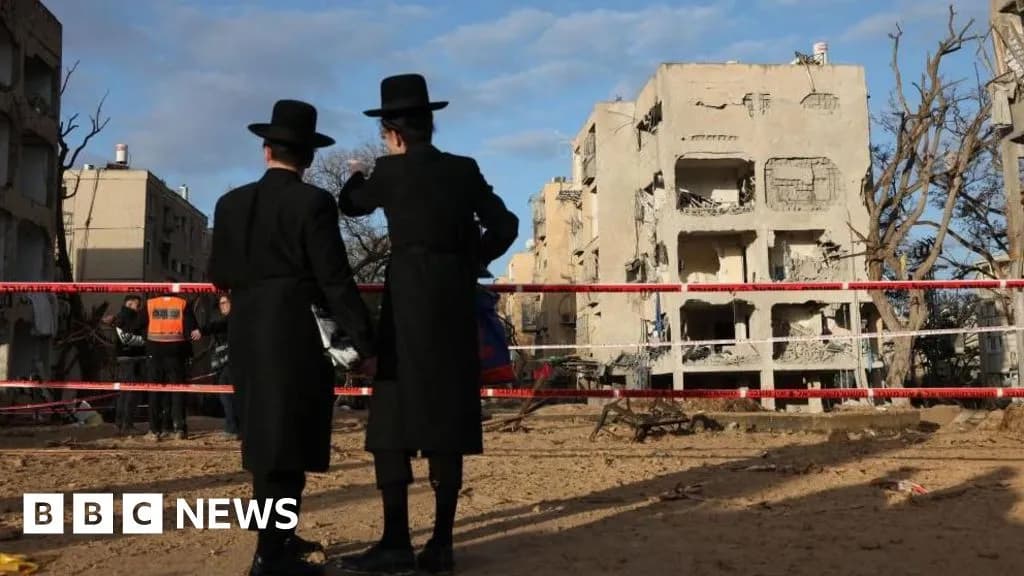
이란 탄도미사일이 이스라엘 방공망을 통과해 160명 부상
Middle East Conflict Drives Manufacturing Outlook to 10-Month Low
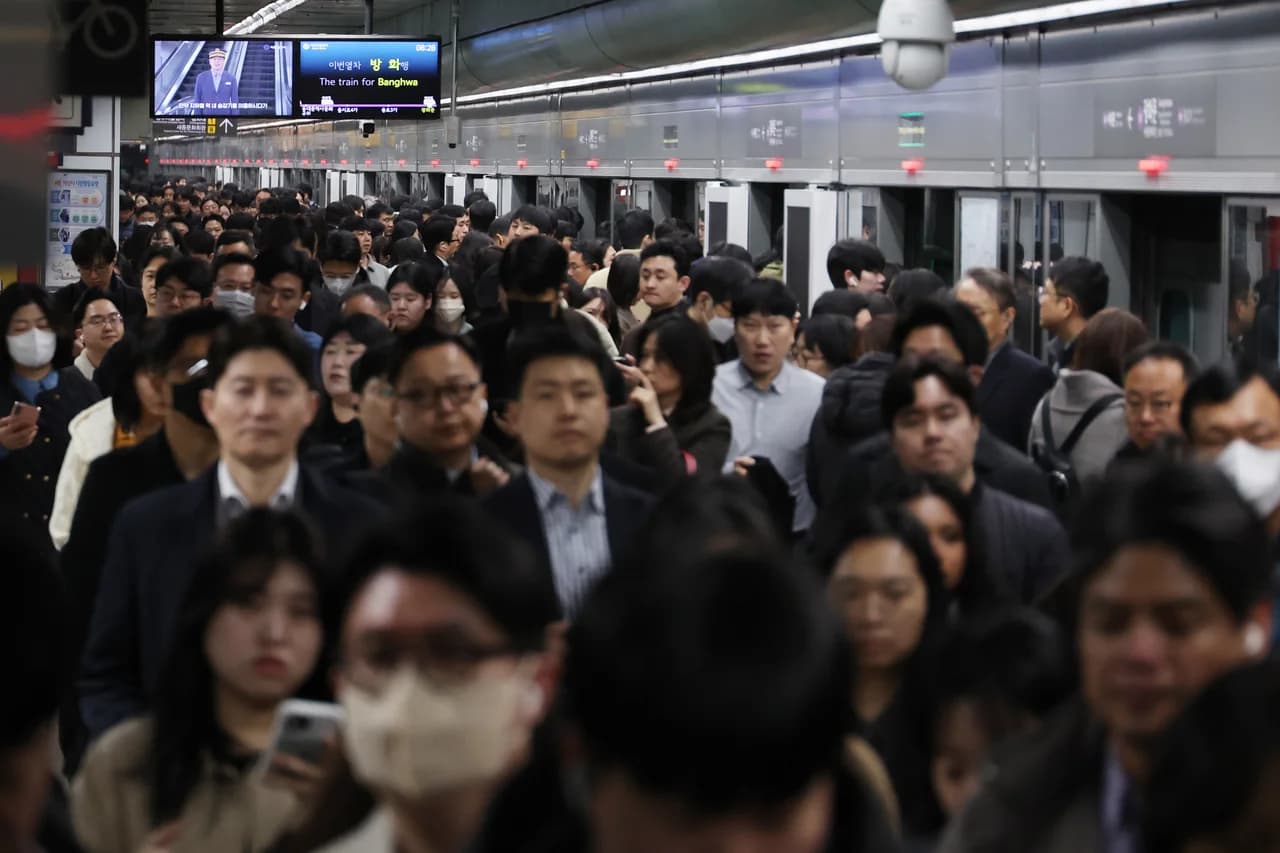
The Korea Institute for Industrial Economics & Trade survey shows April manufacturing outlook PSI plummeted to 88, falling below baseline for the first time in 10 months.

Lee Jae-myung Administration Excludes Multi-Home Officials from Real Estate Policymaking
President Lee Jae-myung has ordered the exclusion of multi-home owning public officials from all real estate policy processes.

Southeast Asia Growth Forecasts Cut Amid Oil Price Surge, Threatening Korean Exports
Maybank Research has downgraded ASEAN-6's 2026 growth forecast from 4.8% to 4.5%.

Volkswagen CEO Says Germany Should Learn from China's Industrial Strategy
Volkswagen CEO stated that Germany should learn from China's systematic industrial planning approach.

Reddit Considers Face ID to Block Bots While Maintaining Anonymity
Reddit is considering implementing biometric authentication systems such as Face ID and Touch ID to block AI bots while maintaining anonymity.