Latvia's National History Museum Welcomes New Director
Dr. Toms Ķikuts to Lead Rīga Palace Restoration and Digital Archive Development
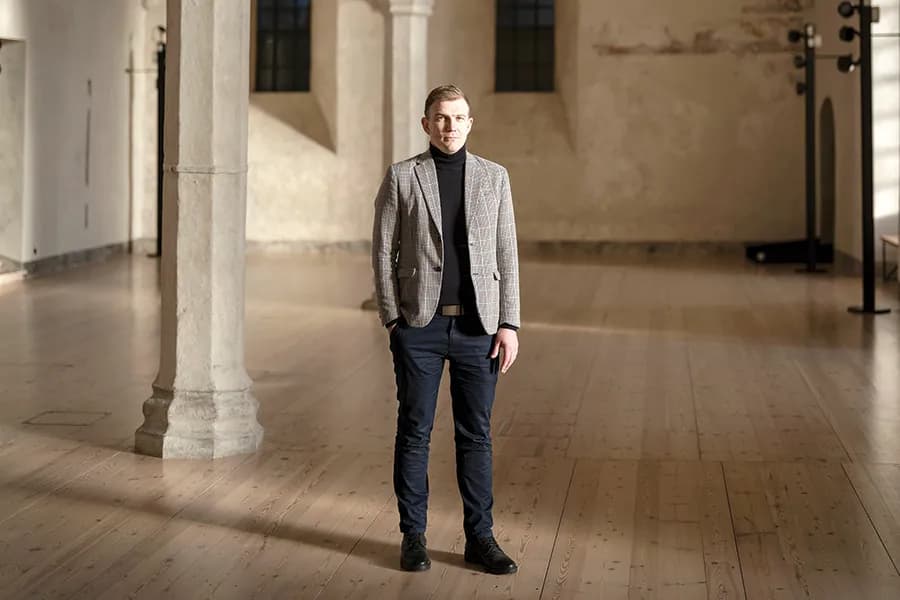
- •Dr. Toms Ķikuts, a 38-year-old historian, has been appointed as the new director of Latvia's National History Museum.
- •He has identified completing the Rīga Palace restoration and building a digital historical archive as core priorities.
- •Having worked at the museum for 18 years, he led Latvia's centennial project and the online platform eMuzejs.
38-Year-Old Historian Opens New Era for Museum
Dr. Toms Ķikuts, a 38-year-old historian, has been appointed as the new director of the Latvijas Nacionālais vēstures muzejs (National History Museum of Latvia). He succeeds Arnis Radiņš, who served as director for many years, and will lead the museum's key initiatives going forward.
Director Ķikuts has identified completing the Rīga Palace reconstruction project and preserving digital historical materials as top priorities. An internal expert who has worked at the museum since 2008, he has served as Deputy Director for Academic Affairs since 2020.
Expert Who Advanced Public Understanding of Latvian History
Director Ķikuts is well-versed in museum operations. As head of 'Latvijas gadsimts' (Latvia's Century), the centennial celebration project of Latvia's founding, he built a collaborative system spanning museums nationwide and directly supervised numerous exhibitions.
Notably, the digital platform 'eMuzejs' (eMuseum) that he spearheaded is recognized as an innovative project making Latvian historical materials accessible online. He also established the annual international conference 'Rīgas pils vēsture un arhitektūra' (History and Architecture of Rīga Palace), creating a venue for academic exchange.
Rīga Palace Restoration: Reaching the End of a Long Journey?
Rīga Palace is a historic building constructed in the 13th century and used for various purposes over the centuries. It served as a fortress for the Livonian Order in medieval times, as the governor's residence during Swedish rule, and as an imperial palace during the Russian Empire period.
After Latvian independence, it was used as the main building of the National History Museum before being converted to the presidential office in 1995. Large-scale reconstruction that began in 2012 has been ongoing for over a decade, facing complex challenges between preserving the building's historical value and ensuring modern functionality.
Director Ķikuts stated, "Palace restoration is not simply building repair but the restoration of Latvian identity," adding, "We must create a space that respects the architectural layers of each era while meeting 21st-century museum standards."
Digital Age: New Methods of Historical Preservation
Another priority emphasized by Director Ķikuts is building a digital archive. Recognizing that preserving physical artifacts alone cannot fully convey history, he plans to expand efforts to digitize documents, photographs, and oral materials and make them publicly accessible.
The eMuzejs project has already published thousands of artifacts and records online, establishing itself as a platform that both researchers and citizens can utilize. The new director stated, "History should not be confined within museum walls," adding, "Everyone should be able to explore and learn about their nation's past."
Latvian Identity: History Formed by Ideas
In an interview, Director Ķikuts mentioned that "Latviskumu (Latvianness) was formed by ideas." This refers to the historical context in which Latvia, one of the Baltic states, preserved its language and culture despite foreign rule by the Teutonic Knights, Sweden, the Russian Empire, and the Soviet Union.
During the late 19th-century national awakening movement, Latvian intellectuals rediscovered language, folklore, and history, building the foundation of identity. After independence in 1918, the country went through a brief period of freedom, followed by Soviet annexation in 1940 and re-independence in 1991—a turbulent journey.
The National History Museum serves as a vessel for this complex history. Director Ķikuts emphasized, "Our mission is to preserve objective materials while showing how Latvian people created their own narrative within them."
Museum as a Space for Dialogue with Future Generations
The new director aims to redefine the museum not as merely an exhibition space but as a space for dialogue and learning. The Rīga Palace conference serves as a venue where historians, architects, and cultural heritage experts gather to discuss the building's past and future, connecting academic research with public education.
Director Ķikuts stated, "To make younger generations see history as their own issue, we must ask questions rather than provide one-sided narratives," adding, "Museums are not places that give answers but places where exploration begins."
Under Director Ķikuts' leadership, the National History Museum of Latvia is expected to pursue both physical restoration and digital innovation simultaneously, presenting a new model for museums in the Baltic region.
댓글 (3)
간결하면서도 핵심을 잘 정리한 기사네요.
기사 잘 봤습니다. 다른 시각의 분석도 읽어보고 싶네요.
좋은 의견이십니다.
More in Culture & Art
Government Provides 1 Billion Won in Emergency Disaster Funds for Daejeon Factory Fire Recovery

Existence Blooming Through Vulnerability: Massimo Lagrotteria Solo Exhibition
Milan Design Week 2026: Hotels Transform into Laboratories of Dreams
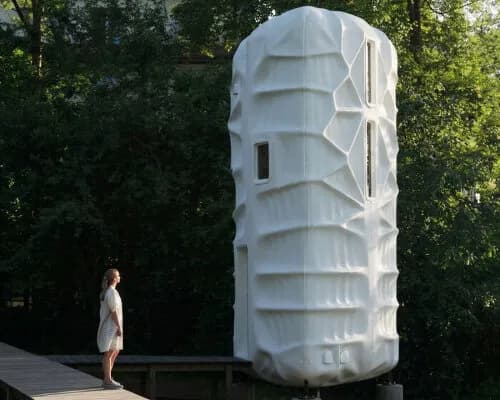
The Future of Living on the Moon, Mars, and Deep Sea: Houses Designed by Architects

15,000-Year-Old Clay Beads Made by Children Rewrite Prehistoric Art History

Reuters Reports Banksy's Identity Revealed, Reigniting Anonymity Debate
Latest News

이스라엘, 헤즈볼라 무기 통로 레바논 다리 공습
이스라엘군, 헤즈볼라 무기 통로 레바논 다리 공습
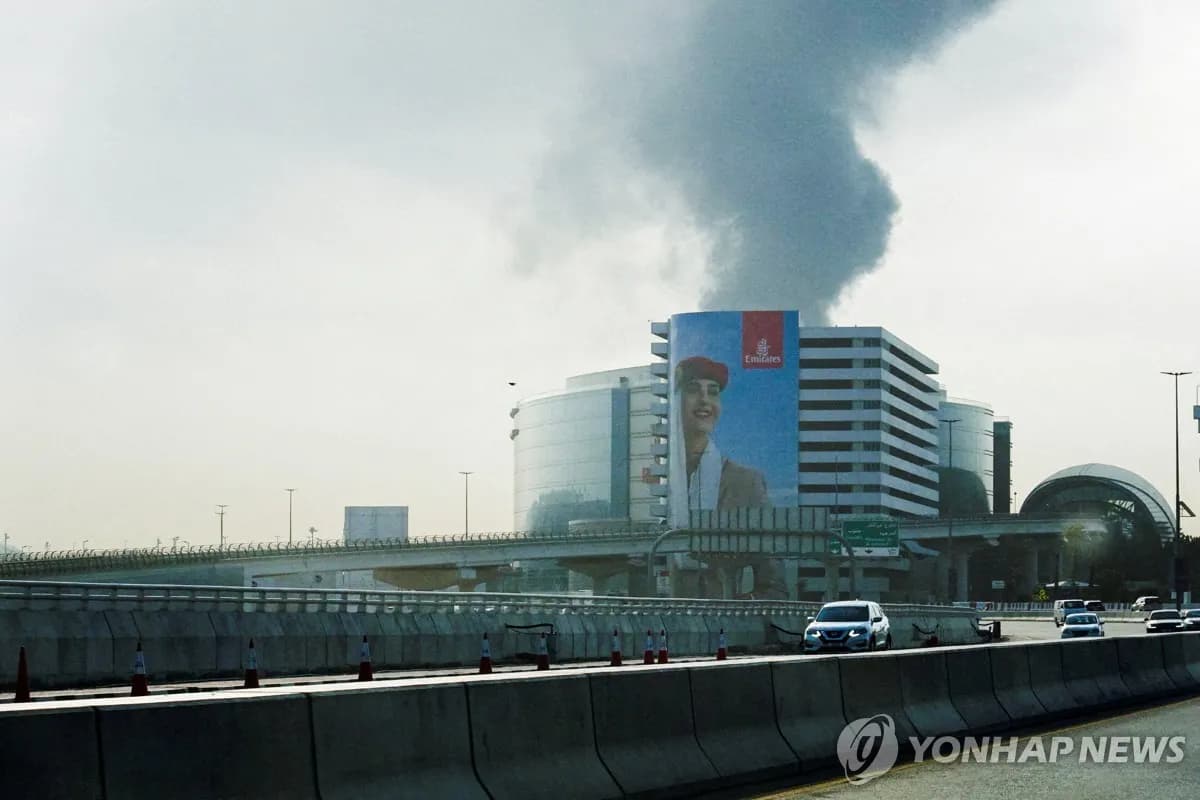
중동행 전세기 전쟁보험료 최고 7천500만원
중동행 전세기 전쟁보험료가 최고 5만달러(7천500만원)로 상승
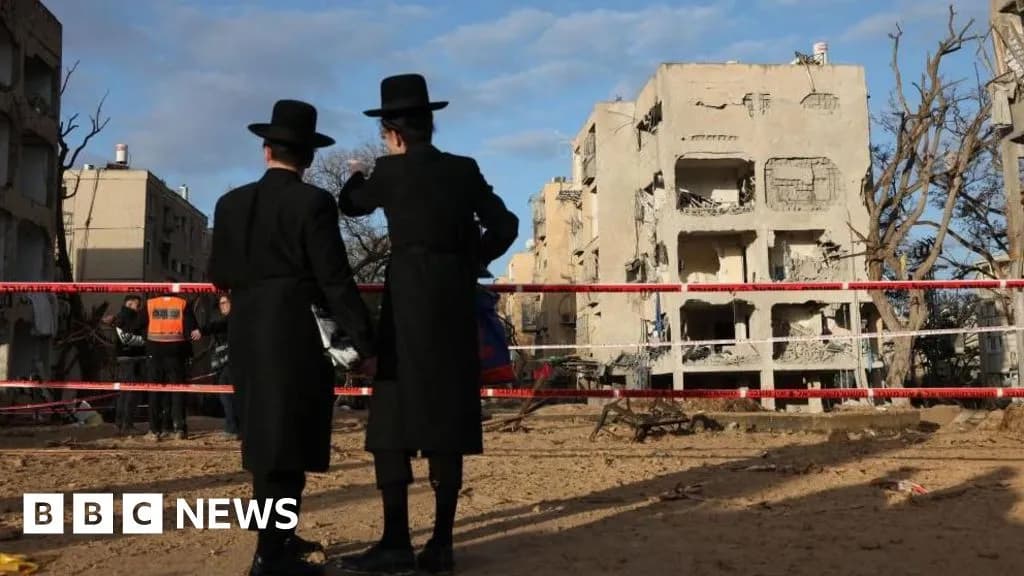
이란 탄도미사일, 이스라엘 방어망 뚫고 160명 부상
이란 탄도미사일이 이스라엘 방공망을 통과해 160명 부상
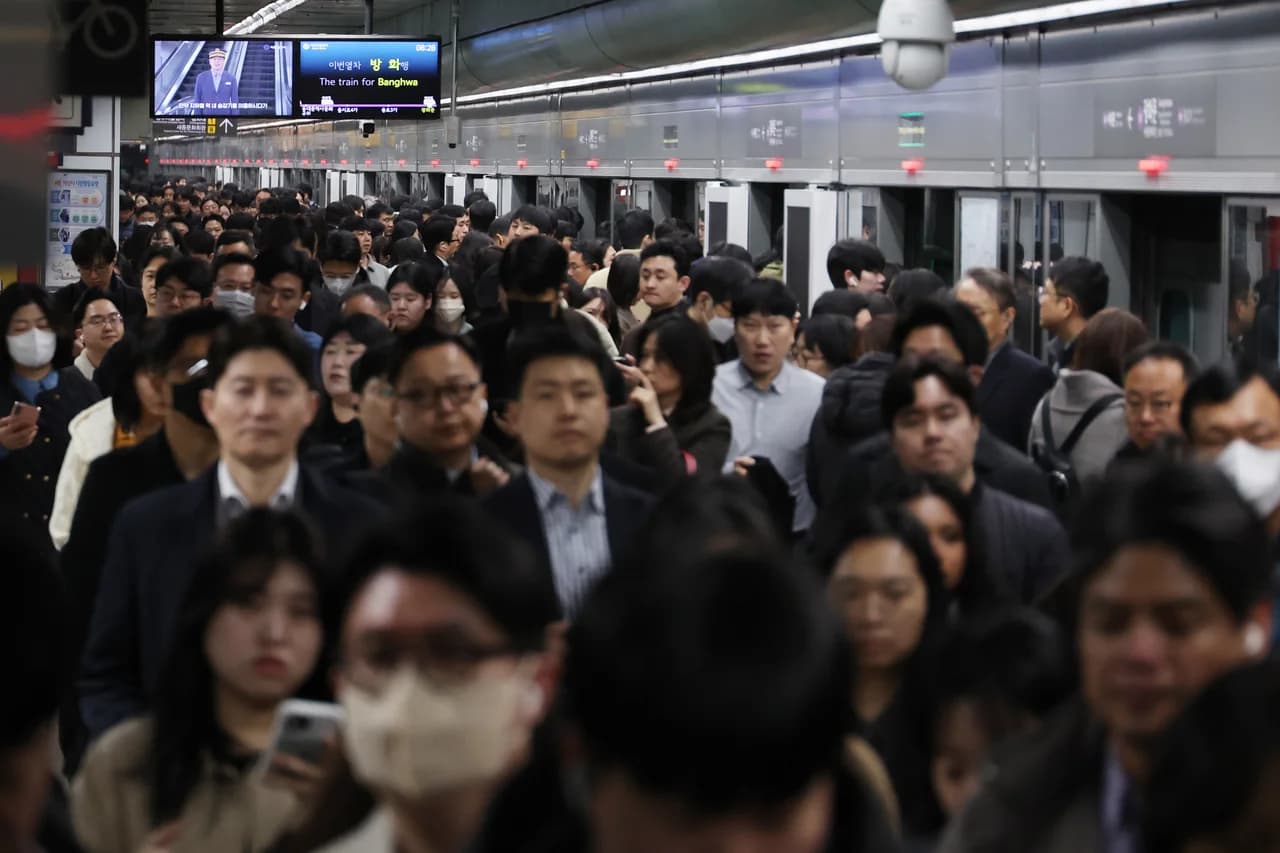
Middle East Conflict Drives Manufacturing Outlook to 10-Month Low
The Korea Institute for Industrial Economics & Trade survey shows April manufacturing outlook PSI plummeted to 88, falling below baseline for the first time in 10 months.
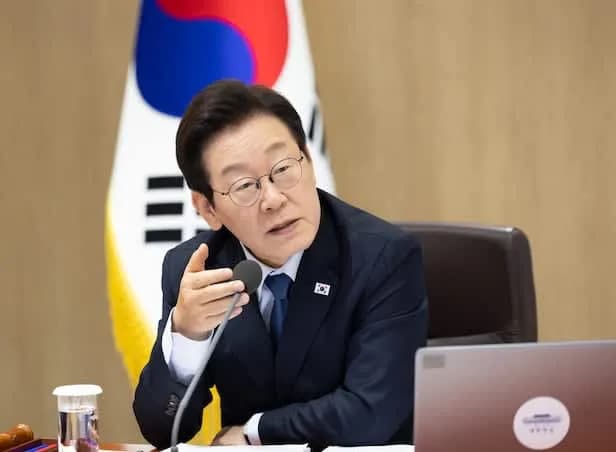
Lee Jae-myung Administration Excludes Multi-Home Officials from Real Estate Policymaking
President Lee Jae-myung has ordered the exclusion of multi-home owning public officials from all real estate policy processes.
Southeast Asia Growth Forecasts Cut Amid Oil Price Surge, Threatening Korean Exports
Maybank Research has downgraded ASEAN-6's 2026 growth forecast from 4.8% to 4.5%.
Volkswagen CEO Says Germany Should Learn from China's Industrial Strategy
Volkswagen CEO stated that Germany should learn from China's systematic industrial planning approach.

Reddit Considers Face ID to Block Bots While Maintaining Anonymity
Reddit is considering implementing biometric authentication systems such as Face ID and Touch ID to block AI bots while maintaining anonymity.