Lebanon Border Tensions Escalate Amid Israeli Military Operations and US Mediation
Lebanon's Dilemma: Hezbollah Disarmament Pressure, International Intervention, and Domestic Political Conflict
- •Israeli forces demolished targets presumed to be Hezbollah facilities in southern Lebanon's border area, claiming non-implementation of UN Resolution 1701.
- •A US envoy visited Beirut to discuss tension reduction conditional on Hezbollah disarmament, but Lebanon maintained a cautious stance emphasizing sovereignty principles.
- •Domestic political conflicts also emerged, demonstrating that the Israel-Lebanon border issue is a complex challenge intertwining military, diplomatic, and internal political dimensions.
Israeli Border Operations and UN Resolution 1701 Controversy
The Israeli military conducted operations in early July to demolish structures presumed to be Hezbollah facilities in southern Lebanon's border area. According to Lebanese daily Al Akhbar, on June 29, Israeli forces infiltrated approximately 500 meters beyond the border line near Naqoura in the al-Labouneh region, planted explosives, and destroyed targets. Prior to this, on June 26, explosions were reportedly heard in the Jabal Bout, Ramieh, and Marwahin areas.
The Israeli military released evidence videos showing weapons storage facilities, machine guns, and explosives allegedly used by Hezbollah, claiming that UN Security Council Resolution 1701, which demands demilitarization of the area south of the Litani River, has not been properly implemented. Al Akhbar analyzed that this evidence disclosure is part of Israel's strategic communication to justify preemptive airstrikes.
US Envoy Visit and Lebanon's Emphasis on Sovereignty Principles
Concurrent with Israel's military operations, US envoy Tom Barak visited Beirut to discuss tension-reduction measures. Lebanese daily Ad Diyar reported that the visit aimed to confirm Lebanon's position on a US proposal conditional on Hezbollah disarmament. However, citing the case where former US envoy Amos Hochstein assured in July 2024 that Beirut's southern suburbs would not be targeted, only to have actual airstrikes occur afterward, questions have been raised about the credibility of US assurances.
While Lebanon's official response was not disclosed, multiple sources revealed that Lebanon maintained its position of reaffirming national sovereignty principles and refusing to accept unilaterally imposed measures from outside. Al Joumhouriyat reported that Tom Barak met with three of Lebanon's highest-ranking officials, including President Joseph Aoun, to discuss this matter.
Domestic Political Conflict and Opposition to the Prime Minister
On the same day, spontaneous protest demonstrations occurred when Prime Minister Nawaf Salam attended two sporting events. Al Akhbar interpreted these on-site reactions as signals revealing domestic political tensions and distrust in the government.
Historical Context: UN Resolution 1701 and Southern Lebanon Issues
UN Security Council Resolution 1701 was adopted immediately after the 2006 Israel-Hezbollah war ceasefire. The resolution stipulates the withdrawal of all armed groups including Hezbollah from the area south of the Litani River and prohibits weapons imports, specifying that UN peacekeeping forces (UNIFIL) and the Lebanese army manage this region.
However, controversy over the resolution's effectiveness has persisted for nearly 20 years. Hezbollah, a political party and armed organization with considerable influence in Lebanese politics, has maintained its own armament in confrontation with Israel and continued activities south of the Litani River. Israel regards this as a security threat and has periodically conducted operations in border areas, while Lebanon has defined these as sovereignty violations.
Since October 2024, as the Gaza war has prolonged, tensions in the Lebanese-Israeli border area have also intensified. Hezbollah has launched rocket attacks on Israeli military facilities under the pretext of supporting Gaza, and Israel has responded with retaliatory airstrikes in a vicious cycle.
Middle East Regional Dynamics and Lebanon's Position
Lebanon is geographically surrounded by Israel, Syria, and the Mediterranean, and is a country with strong influence from Iran-backed Hezbollah. Within the Iran-Israel proxy war framework, Lebanon serves as a buffer zone for conflicts between both sides while simultaneously being in the position of suffering the greatest damage.
The United States has traditionally supported Israel while making diplomatic efforts for Lebanon's stability. However, the goal of Hezbollah disarmament is a sensitive issue that could upset the sectarian balance within Lebanon, so the Lebanese government maintains a cautious attitude toward external pressure.
Future Outlook [AI Analysis]
This Israeli border operation and US envoy visit demonstrate that the southern Lebanon issue is a structural problem where international diplomacy and domestic politics are complexly intertwined, beyond simple military confrontation.
First, Israel is likely to continue its strategy of justifying military operations by releasing evidence videos. This is an attempt to shape international public opinion favorably, which could lead to building justification for larger-scale operations in the future.
Second, while the Lebanese government emphasizes sovereignty principles and rejects external pressure, its means to actually control Hezbollah are limited. This means US mediation efforts are unlikely to produce visible results in the short term.
Third, the public expression of opposition to the Prime Minister reveals a gap between the government's foreign policy and public sentiment. If such discontent accumulates, political instability may intensify.
Fourth, as long as the Gaza war continues, Lebanese-Israeli border tensions are expected to persist. Hezbollah will continue pressure on Israel in solidarity with Iran, and Israel will not stop its military responses.
Finally, the effectiveness problem of UN Resolution 1701 reveals the limits of the international community's mediation capacity. Resolutions without enforcement cannot resolve complex Middle Eastern conflicts, and more substantial diplomatic breakthroughs are needed. However, as things stand, a stalemate is likely to continue as involved countries maintain their respective positions.
댓글 (4)
Lebanon 관련 기사 잘 읽었습니다. 유익한 정보네요.
좋은 의견이십니다.
기사 잘 봤습니다. 다른 시각의 분석도 읽어보고 싶네요.
Tensions에 대해 더 알고 싶어졌습니다. 후속 기사 부탁드립니다.
More in Special

The Corsican Mafia Exposed: Breaking a Century of Silence

AI-Generated Fake Person Used to Sell Dubai Flight Seats

Facebook Groups Traded Endangered Species Using Code Language — Indonesian Broker Network Exposed
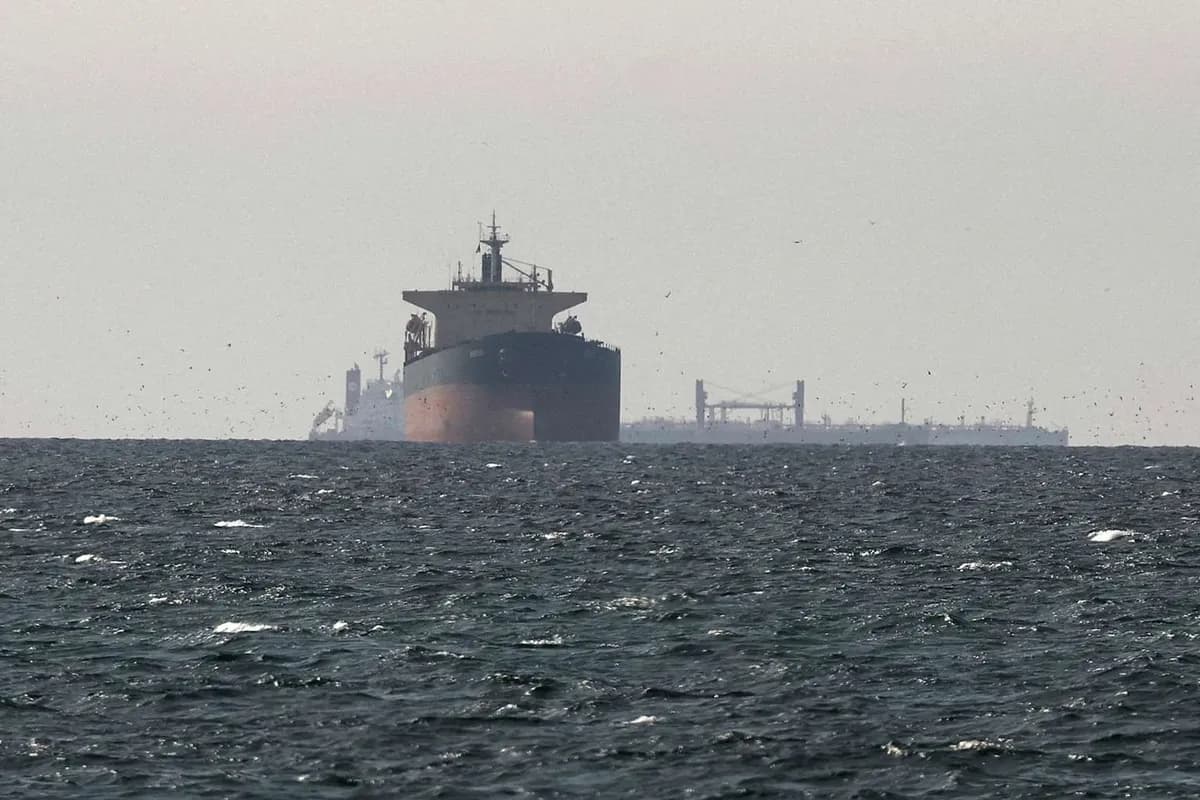
G6 Alliance Declares Support for Hormuz Strait Security... Reverses Stance Under Trump Pressure

Seoul's Average Monthly Rent Surpasses 1.51 Million Won as Soaring Official Property Prices Trigger 'Housing Cost Bomb'

Rihanna Tops Spotify Without New Album for 10 Years, Proving Power of Catalog
Latest News
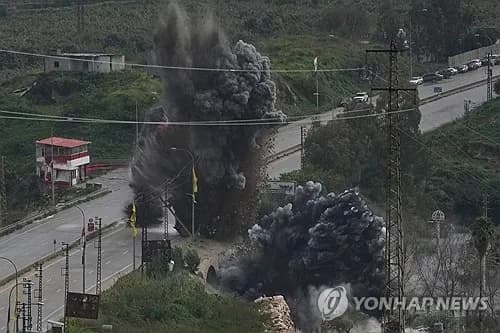
이스라엘, 헤즈볼라 무기 통로 레바논 다리 공습
이스라엘군, 헤즈볼라 무기 통로 레바논 다리 공습
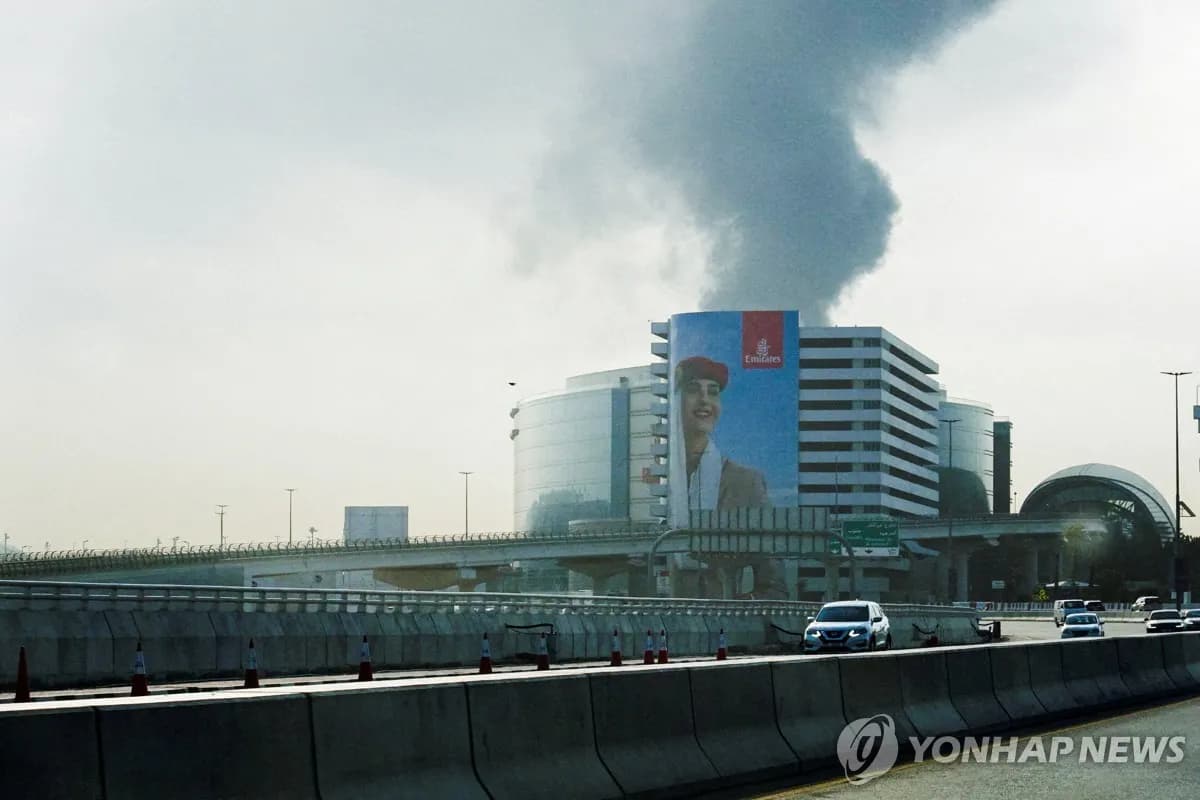
중동행 전세기 전쟁보험료 최고 7천500만원
중동행 전세기 전쟁보험료가 최고 5만달러(7천500만원)로 상승
이란 탄도미사일, 이스라엘 방어망 뚫고 160명 부상
이란 탄도미사일이 이스라엘 방공망을 통과해 160명 부상

Middle East Conflict Drives Manufacturing Outlook to 10-Month Low
The Korea Institute for Industrial Economics & Trade survey shows April manufacturing outlook PSI plummeted to 88, falling below baseline for the first time in 10 months.

Lee Jae-myung Administration Excludes Multi-Home Officials from Real Estate Policymaking
President Lee Jae-myung has ordered the exclusion of multi-home owning public officials from all real estate policy processes.

Southeast Asia Growth Forecasts Cut Amid Oil Price Surge, Threatening Korean Exports
Maybank Research has downgraded ASEAN-6's 2026 growth forecast from 4.8% to 4.5%.

Volkswagen CEO Says Germany Should Learn from China's Industrial Strategy
Volkswagen CEO stated that Germany should learn from China's systematic industrial planning approach.

Reddit Considers Face ID to Block Bots While Maintaining Anonymity
Reddit is considering implementing biometric authentication systems such as Face ID and Touch ID to block AI bots while maintaining anonymity.