Chief Justice Roberts and the History of Attacks on Abortion Rights in America
From 1981 to the 2022 Dobbs Decision: A 40-Year Judicial Trajectory of Restricting Abortion Rights
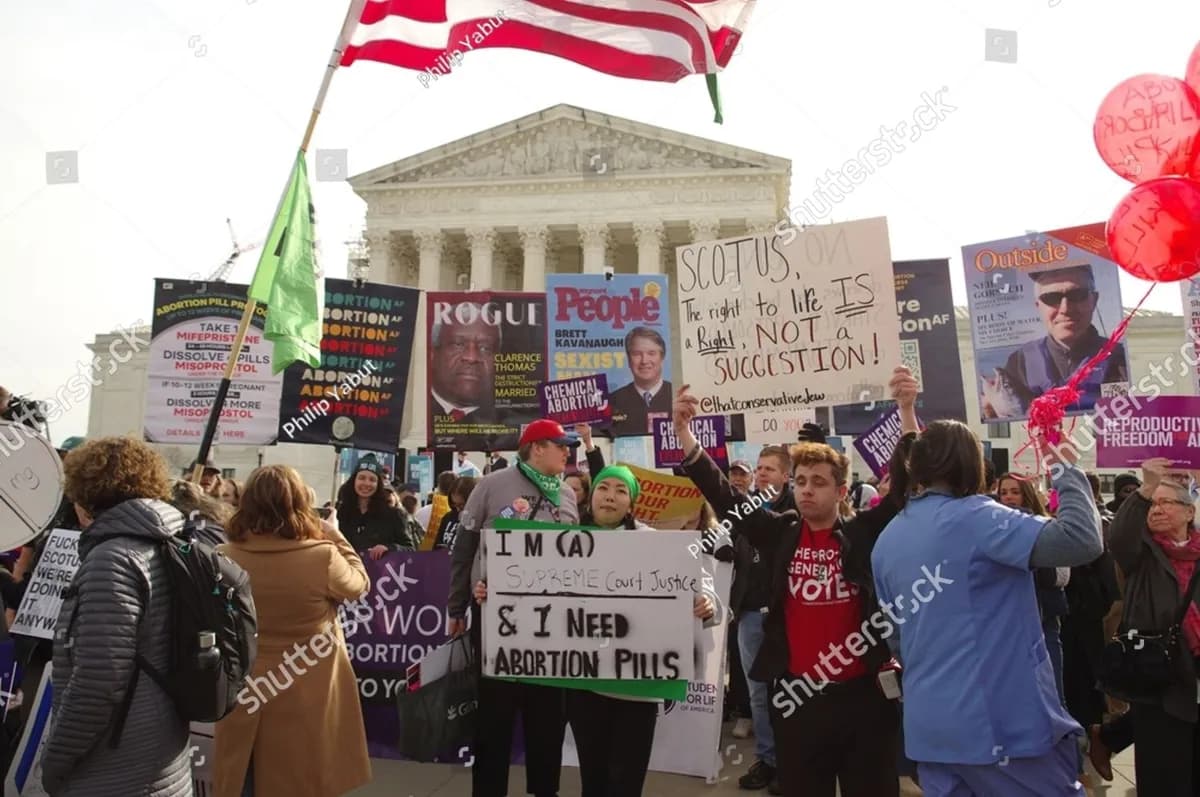
- •Chief Justice John Roberts has criticized abortion rights since 1981 but concealed this during his 2005 confirmation hearing.
- •He intentionally excluded from his major cases list his defense of extremists, including a convicted bomber.
- •The 2022 Dobbs decision completed 41 years of strategic position-hiding, culminating in the dismantling of abortion rights.
Hidden Position, Revealed Intent
Chief Justice John Roberts swore during his 2005 Senate confirmation hearing to tell "the truth, the whole truth, and nothing but the truth." However, it wasn't until 17 years later, in the 2022 Dobbs decision, that he fully revealed his true position on abortion rights.
Roberts had already criticized Roe v. Wade as "unprincipled legal interpretation" back in 1981 when working as Counselor to the Attorney General. At the time, he noted that the conservative legal community recognized "serious problems with current judicial activism," citing Roe v. Wade as an example.
2007 Gonzales Decision: The First Signal
One of the first major decisions issued after Roberts became Chief Justice was the 2007 Gonzales v. Carhart case. In this ruling, the Supreme Court upheld the 2003 "Partial-Birth Abortion Ban Act" as constitutional. This served as a preview of the path the Roberts Court would follow over the next 15 years.
Shadows of an Unvetted Past
Roberts employed a cunning answering strategy during his confirmation hearing. He claimed that anti-abortion legal briefs he had signed or supervised were "merely the position of the administration," not his personal views.
During his time as Deputy Political Director in the Attorney General's office under George H.W. Bush, he advocated for the following positions:
- Support for state laws requiring women to notify their husbands before obtaining an abortion
- Defense of gag rules preventing federally funded family planning clinics from providing abortion-related counseling
Intentionally Omitted Cases
More notably, Roberts left out Bray v. Alexandria Women's Health Clinic from the "major cases list" he submitted to the Senate Judiciary Committee.
In this lawsuit, Roberts sided with extremists attempting to blockade abortion clinics. Plaintiffs included Randall Terry, who relaunched "Operation Rescue" in 1986, and Michael and Jayne Bray.
Michael Bray was a member of the violent domestic terrorist group "Army of God" and was convicted in 1985 for bombing abortion clinics, receiving a four-year sentence. This group demanded "biblically-based government."
An Organized Movement Dating to the 1970s
Operation Rescue was originally started in 1970 by radical Catholic anti-abortion activist L. Brent Bozell Jr., brother-in-law of William F. Buckley Jr. The organization's slogan was clear: "If you believe abortion is murder, act like it's murder."
The attorney defending the Brays and Terry in this case was Jay Sekulow. He later played a key role in launching the "Judicial Crisis Network," which was instrumental in getting Roberts and Samuel Alito appointed to the Supreme Court.
The Politics of Strategic Ambiguity
Roberts and other extremist judicial candidates systematized methods of concealing their minority opposition to abortion rights. This operated on two levels:
- Minimizing Past Records: Excluding potentially controversial cases from major case lists
- Obscuring Hearing Testimony: Using the shield of "the administration's position"
George H.W. Bush himself was a prime example of such strategic position changes. He supported family planning and Planned Parenthood early in his public career, but conveniently switched to a pro-life position when he became Reagan's running mate in 1980.
2022 Dobbs Decision: Completion of a 40-Year Operation
In the 2022 Dobbs v. Jackson Women's Health Organization decision, Roberts finally removed his mask. He joined the Court's majority opinion upholding Mississippi's 15-week abortion ban as constitutional, directly overturning Roe v. Wade.
The precedent he had criticized as "unprincipled legal interpretation" in a 1981 Justice Department memo was effectively dismantled 41 years later by him as Chief Justice.
Future Outlook [AI Analysis]
The Roberts Court's trajectory demonstrates how the American judiciary can become an instrument of long-term ideological projects. The gap between confirmation hearing oaths and actual rulings is likely to demand fundamental reconsideration of the judicial confirmation process.
Particularly noteworthy is the network between extremist movement organizations (Operation Rescue, Army of God) and the mainstream legal establishment (Roberts, Sekulow). This suggests that judicial conservatism may be the result not merely of changing legal interpretation, but of organized social movements.
Future abortion rights debates are likely to expand beyond the federal Supreme Court into legislative battles at the state level and are expected to emerge as a key issue in the 2026 midterm elections.
댓글 (3)
이 문제의 본질이 무엇인지 깊이 생각해볼 필요가 있습니다.
중요한 포인트를 짚으셨네요.
댓글란이 과열되지 않았으면 합니다. 차분한 논의가 필요해요.
More in Special

The Corsican Mafia Exposed: Breaking a Century of Silence

AI-Generated Fake Person Used to Sell Dubai Flight Seats

Facebook Groups Traded Endangered Species Using Code Language — Indonesian Broker Network Exposed

G6 Alliance Declares Support for Hormuz Strait Security... Reverses Stance Under Trump Pressure
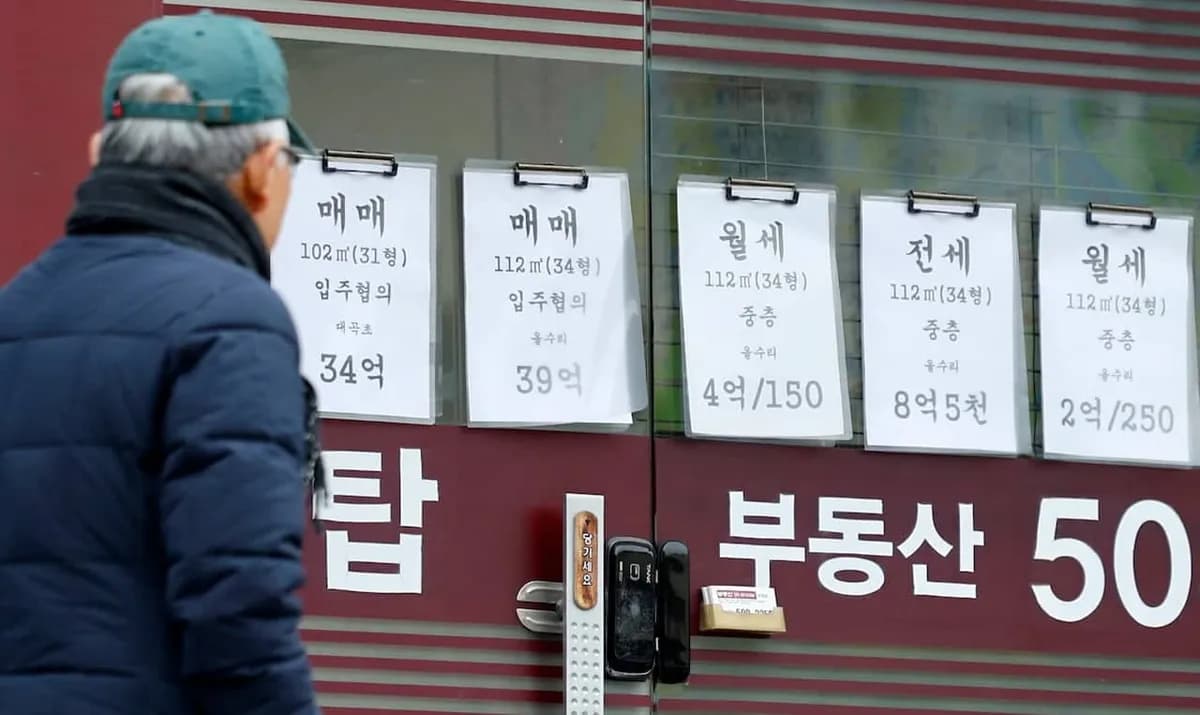
Seoul's Average Monthly Rent Surpasses 1.51 Million Won as Soaring Official Property Prices Trigger 'Housing Cost Bomb'

Rihanna Tops Spotify Without New Album for 10 Years, Proving Power of Catalog
Latest News

이스라엘, 헤즈볼라 무기 통로 레바논 다리 공습
이스라엘군, 헤즈볼라 무기 통로 레바논 다리 공습

중동행 전세기 전쟁보험료 최고 7천500만원
중동행 전세기 전쟁보험료가 최고 5만달러(7천500만원)로 상승
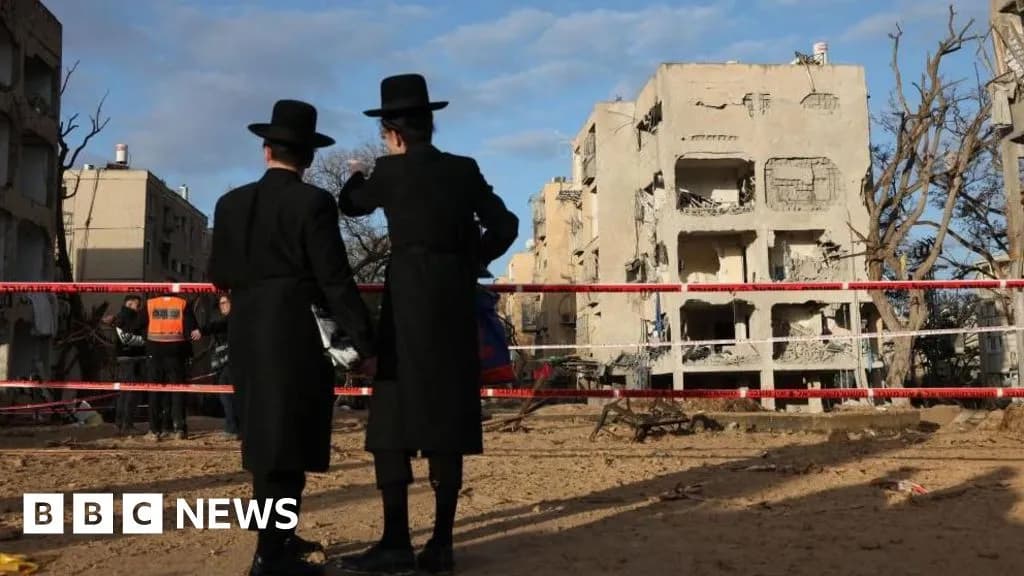
이란 탄도미사일, 이스라엘 방어망 뚫고 160명 부상
이란 탄도미사일이 이스라엘 방공망을 통과해 160명 부상

Middle East Conflict Drives Manufacturing Outlook to 10-Month Low
The Korea Institute for Industrial Economics & Trade survey shows April manufacturing outlook PSI plummeted to 88, falling below baseline for the first time in 10 months.

Lee Jae-myung Administration Excludes Multi-Home Officials from Real Estate Policymaking
President Lee Jae-myung has ordered the exclusion of multi-home owning public officials from all real estate policy processes.

Southeast Asia Growth Forecasts Cut Amid Oil Price Surge, Threatening Korean Exports
Maybank Research has downgraded ASEAN-6's 2026 growth forecast from 4.8% to 4.5%.

Volkswagen CEO Says Germany Should Learn from China's Industrial Strategy
Volkswagen CEO stated that Germany should learn from China's systematic industrial planning approach.

Reddit Considers Face ID to Block Bots While Maintaining Anonymity
Reddit is considering implementing biometric authentication systems such as Face ID and Touch ID to block AI bots while maintaining anonymity.