Luigi Mangione's Fandom Has Swallowed the Death Penalty Debate
As memes and praise flood in, the conversation that could actually save his life is disappearing

- •Death penalty abolitionist criticized the online fandom phenomenon surrounding Luigi Mangione as a 'cult that kills lives.'
- •As memes and praise spread, the serious discussion needed to prevent his execution is disappearing.
- •The core message is that you cannot build a movement to save lives on a foundation that glorifies violence.
The Disturbing Landscape Seen by a Death Penalty Abolitionist
American death penalty abolitionist Jeff Hood has sharply criticized the online fandom phenomenon surrounding Luigi Mangione. In his column, he uses the term "The Cult of Luigi," pointing out that this phenomenon is actually killing the opportunity to save Mangione's life.
Based on years of experience witnessing the final moments of death row inmates, Hood states: "I have held the hands of death row inmates, watched states strap them to gurneys, and witnessed their last breaths. I know what it means to fight for someone's life—not as a symbol, not as a meme, not as a mascot for political rage, but as an actual human being whose heart will stop if we fail."
From Healthcare Reform Discussion to Fandom Show
The Mangione case could have initially served as an opportunity for national reflection on issues with the U.S. healthcare insurance system, corporate greed, and the desperation of frustrated citizens. However, according to Hood, this discussion has devolved into "something grotesque."
Online, T-shirts themed around Mangione, fan clubs, and glorified violence packaged as revolutionary language are now spreading. Across social media platforms, videos editing his transport scenes like movie trailers, memes depicting him as a saint, and images photoshopping him as historical figures are overflowing. Comment sections are flooded with heart and fire emojis and declarations of love.
Hood criticizes: "They are producing content in a vacuum where no one actually died, no family is grieving, and no one else faces execution."
Layer 3 — The History of the U.S. Death Penalty and Public Opinion
The U.S. death penalty system has long been a subject of controversy. In 1972, the Supreme Court suspended the death penalty with Furman v. Georgia, but revived it in 1976 with Gregg v. Georgia.
The death penalty abolition movement has centered on the possibility of executing innocent people, racial bias, and the fundamental ethical question of whether the state has the right to take life. In recent decades, several states including California and Pennsylvania have declared death penalty moratoriums, and execution numbers have dropped to historic lows in the 2020s.
However, public opinion remains complex. According to Pew Research Center surveys, approximately 50-60% of Americans support the death penalty for murderers, but sympathetic public opinion can form in specific cases. The problem is that in cases like Mangione's, where there is strong antipathy toward the victim (an insurance company CEO), a dangerous narrative of "justified killing" can spread.
Glorifying Violence Is the Enemy of Saving Lives
Hood clearly states that he is an abolitionist. "I believe the state has no right to kill anyone. Guilty or innocent, sympathetic or despicable—it doesn't matter. The killing of Brian Thompson was wrong, and the state's attempt to kill Mangione in response is also wrong."
But he points out a core issue that the Luigi fandom fails to understand. "You cannot build a movement to save someone's life on a foundation that celebrates death."
As videos praising the shooting scene, threads discussing his "genius," and edits making him a revolutionary icon spread online, the conversation actually needed—the legal and ethical discussion to prevent him from receiving the death penalty—is disappearing.
Future Outlook [AI Analysis]
The Mangione case sits at the intersection of several fault lines in American society. Desperation for healthcare system reform, rage against corporate power, and dangerous fantasies about the justification of violence are all mixed together.
If the fandom phenomenon continues, serious efforts to defend him in court are likely to be branded as "terrorist sympathizers." Conversely, if the death penalty abolition movement uses this case to persuasively present the injustice of state violence, it could become an opportunity to raise fundamental questions about the U.S. criminal justice system again.
Hood's warning is clear: "The moment we consume Mangione as a meme, we contribute to killing him." What's needed now is not fandom, but the civic courage to seriously discuss his life and the death penalty system itself.
댓글 (4)
너무 슬픈 소식이네요. 피해자 분들과 가족에게 위로를 보냅니다.
마음이 무겁습니다. 삼가 고인의 명복을 빕니다.
같은 마음입니다. 정말 안타깝습니다.
이런 일이 다시는 반복되지 않았으면 합니다. Fandom 관련 대책이 시급합니다.
More in Entertainment

BTS Tops March Artist Brand Reputation Rankings with First Full Group Comeback in 4 Years
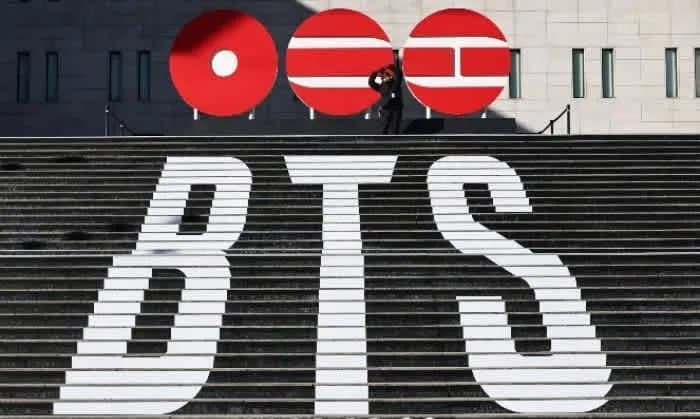
BTS's New Album 'ARIRANG' Sweeps Spotify Global Chart Positions 1-14

Gas Sprayer Detected at BTS Comeback Concert Venue Metal Detector

BTS Returns as Full Group of 7 with Performance for 40,000 Fans at Gwanghwamun Square

Ranveer Singh's 'Dhurandhar 2' Surpasses ₹275 Crore in Two Days
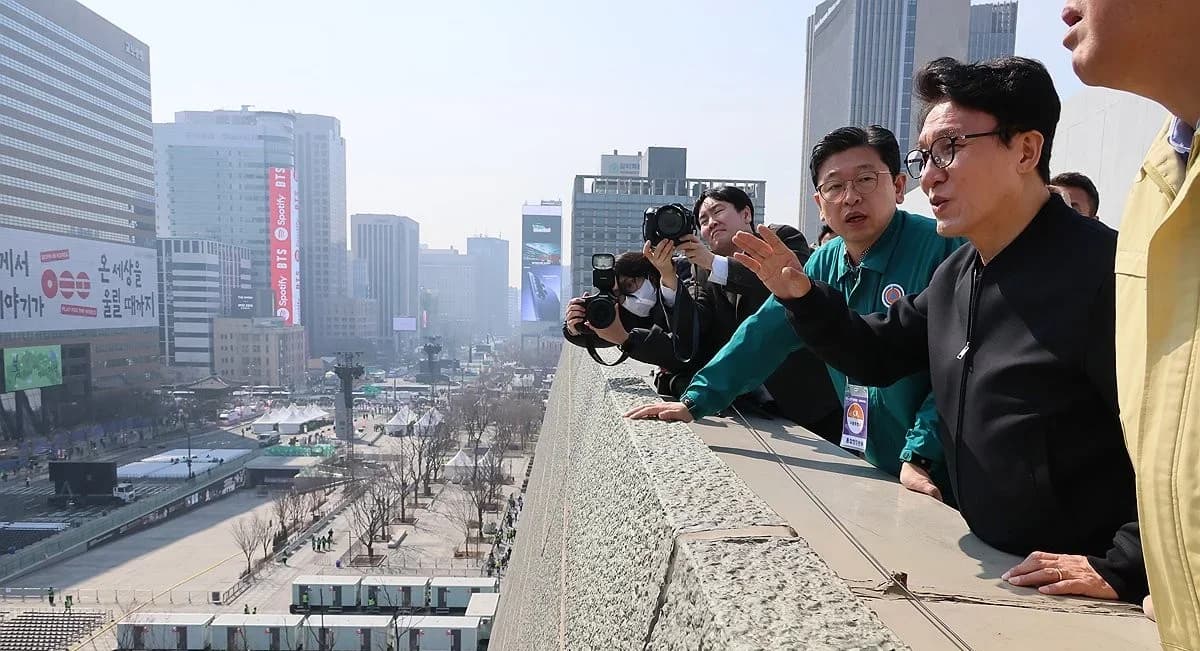
PM Kim Inspects BTS Comeback Concert Venue… 'Safety is K-Culture's Competitiveness'
Latest News

이스라엘, 헤즈볼라 무기 통로 레바논 다리 공습
이스라엘군, 헤즈볼라 무기 통로 레바논 다리 공습

중동행 전세기 전쟁보험료 최고 7천500만원
중동행 전세기 전쟁보험료가 최고 5만달러(7천500만원)로 상승

이란 탄도미사일, 이스라엘 방어망 뚫고 160명 부상
이란 탄도미사일이 이스라엘 방공망을 통과해 160명 부상

Middle East Conflict Drives Manufacturing Outlook to 10-Month Low
The Korea Institute for Industrial Economics & Trade survey shows April manufacturing outlook PSI plummeted to 88, falling below baseline for the first time in 10 months.

Lee Jae-myung Administration Excludes Multi-Home Officials from Real Estate Policymaking
President Lee Jae-myung has ordered the exclusion of multi-home owning public officials from all real estate policy processes.

Southeast Asia Growth Forecasts Cut Amid Oil Price Surge, Threatening Korean Exports
Maybank Research has downgraded ASEAN-6's 2026 growth forecast from 4.8% to 4.5%.
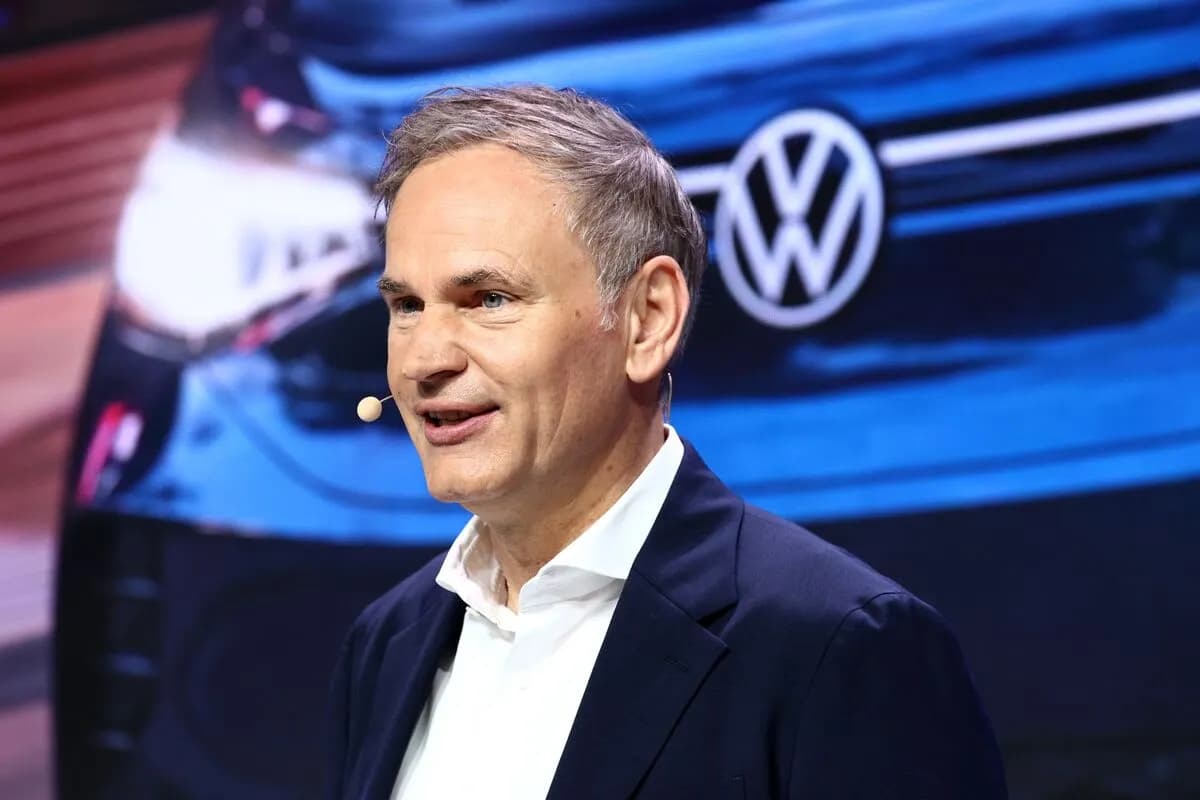
Volkswagen CEO Says Germany Should Learn from China's Industrial Strategy
Volkswagen CEO stated that Germany should learn from China's systematic industrial planning approach.

Reddit Considers Face ID to Block Bots While Maintaining Anonymity
Reddit is considering implementing biometric authentication systems such as Face ID and Touch ID to block AI bots while maintaining anonymity.