Six Observation Decks to See Riga from a New Perspective
Hidden Panoramas of the Medieval City: Latvia's Capital Viewed from Above
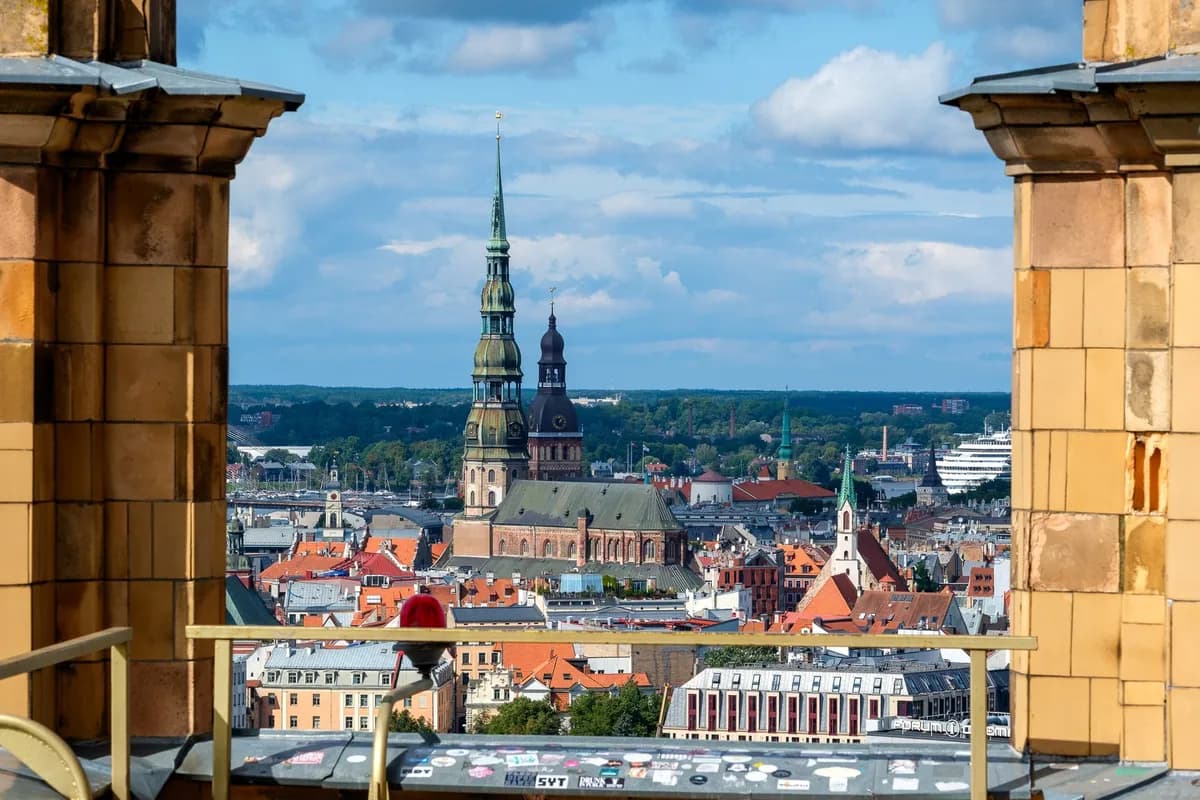
- •Riga, the capital of Latvia, has six observation decks from which you can view the entire city, each containing history from medieval to modern times.
- •The 17th-floor observation deck of the Latvian Academy of Sciences provides a 360-degree panorama and is an example of repurposing Soviet-era architecture as a tourist resource.
- •From the 13th-century Gothic-style St. Peter's Church tower, you can view from the UNESCO World Heritage Old Town of Riga to the Gulf of Riga.
Meeting Riga at Karlsson's Eye Level
Simply walking the streets of Riga, the capital of Latvia on the Baltic Sea coast, is not enough to truly understand this city. To properly appreciate this city where medieval architecture blends with modern buildings, you need to ascend high into the sky. Riga has six observation decks from which you can look down on the entire city at a glance.
These observation decks are not mere tourist attractions. Each contains the history and culture of Riga, offering special spaces where you can simultaneously view the city's past and present, from the Old Town designated as a UNESCO World Heritage Site to modern architecture.
The Pinnacle of 360-Degree Panorama: Latvian Academy of Sciences
The Latvian Academy of Sciences observation deck, known as 'Panorama Riga', offers the most complete view in Riga. Located on the 17th floor with a 360-degree rotating view of the entire city, it boasts an optimal position away from the bustle of the Old Town while overlooking everything.
From this observation deck, you can see five Daugava River bridges, Riga's iconic church spires, and even the 368.5-meter-high television tower in the distance. The television tower is the third tallest structure in Europe and a landmark representing Riga's skyline.
Particularly eye-catching are the distinctive roofs of Riga Central Market. The market pavilions, begun in 1910, were originally converted from buildings used by German forces as airship hangars during World War I, and now function as one of Europe's largest and most historically important markets.
The modern architectural beauty of the National Library of Latvia also shines within the panorama. This building symbolically demonstrates Riga's evolution from a medieval city to a modern metropolis.
The building itself is a witness to history. Built between 1951 and 1961, this neo-Gothic Soviet-era structure is locally nicknamed the 'Stalin Cake'. Known to have been gifted to the city by Latvian collective farm workers, the building became an icon of Soviet-era high-rise architecture.
Visitor Information:
- Address: Akadēmijas laukums 1, Latgales apkaime, Rīga
- Admission: Adults approximately 8 euros, under 12 free
- Hours: Daily 10:00–22:00 (varies by season)
- Access: Elevator to 15th floor, then stairs to 17th floor
The Heart of Medieval Times: St. Peter's Church Tower
St. Peter's Church is not only Riga's tallest church but also a national architectural heritage site built in the Gothic style in the 13th century. Since initial construction began in 1209, it has undergone multiple reconstructions and expansions, reflecting various architectural styles from different eras.
From the original 13th-century building, what remains today includes side walls and some interior columns. These historical elements can still be seen inside the church, where visitors can appreciate restored interiors including stone and wooden memorial plaques and a seven-branched bronze candlestick crafted in 1596.
Ascending the 57-meter-high tower reveals a magnificent panorama stretching from the medieval Old Town to the modern downtown, the Daugava River, the port, and even the Gulf of Riga in the distance.
Located at the heart of Riga's historic district, designated a UNESCO World Heritage Site in 1997, this church functions beyond a religious space as a venue for culture and the arts. Regular exhibitions and concerts provide visitors with diverse experiences.
Visitor Information:
- Address: Reformācijas laukums 1, Vecrīga
- Admission: Adults 9 euros, students/pensioners 7 euros, students aged 8-18 3 euros
- Hours: Tuesday–Saturday (exact times vary by season)
The Layers of Time That Riga Holds
These two observation decks symbolically demonstrate Riga's historical development process. St. Peter's Church represents the legacy of medieval Riga continuing from the Hanseatic League era of the 13th century, while the Latvian Academy of Sciences reveals the architectural ambitions of the mid-20th century Soviet period.
Architectural Journey from Medieval to Modern Times:
- 13th-16th centuries: Development as a major Hanseatic League trading port with Gothic churches and merchant houses
- 17th-18th centuries: Baroque style additions during Swedish and Russian Empire rule
- Late 19th-early 20th centuries: Art Nouveau (Jugendstil) architecture flourishes, Riga called the 'Paris of the Baltic'
- 1940-1991: Soviet occupation period, emergence of socialist realism architecture like the Academy of Sciences
- Post-1991: After independence, simultaneous historical preservation and modernization, UNESCO World Heritage designation in 1997
The repurposing of Riga Central Market's airship hangars is a representative example of how this city has creatively reinterpreted historical heritage. Transforming traces of war into citizens' everyday spaces clearly demonstrates Riga's unique practical philosophy of historical preservation.
Future Prospects [AI Analysis]
Riga's approach to historical preservation and modernization is likely to provide insights for other European historic cities. Particularly, the strategy of recycling Soviet-era buildings as tourist resources rather than demolishing them could become a model case for managing 'dark heritage'.
Opening the Latvian Academy of Sciences as an observation deck with its 'Stalin Cake' nickname demonstrates a reflective attitude toward history. This aligns with the 'democratization of memory' trend that uses the past as a venue for education and tourism rather than erasing it.
When the Rail Baltica high-speed railway project connecting the three Baltic states (Estonia, Latvia, and Lithuania) is completed by 2030, Riga's tourism accessibility is expected to significantly improve. This is anticipated to create opportunities for these vertical viewing spots in Riga to attract more international visitors.
Additionally, if climate change-induced sea level rise affects the Gulf of Riga, these observation decks may also gain value as historical observation points for documenting urban change.
댓글 (6)
간결하면서도 핵심을 잘 정리한 기사네요.
그 부분은 저도 궁금했습니다.
Observation에 대해 더 알고 싶어졌습니다. 후속 기사 부탁드립니다.
공감합니다. 참고하겠습니다.
Decks 관련 기사 잘 읽었습니다. 유익한 정보네요.
공감합니다. 참고하겠습니다.
More in Culture & Art
Government Provides 1 Billion Won in Emergency Disaster Funds for Daejeon Factory Fire Recovery
Existence Blooming Through Vulnerability: Massimo Lagrotteria Solo Exhibition

Milan Design Week 2026: Hotels Transform into Laboratories of Dreams
The Future of Living on the Moon, Mars, and Deep Sea: Houses Designed by Architects

15,000-Year-Old Clay Beads Made by Children Rewrite Prehistoric Art History

Reuters Reports Banksy's Identity Revealed, Reigniting Anonymity Debate
Latest News

이스라엘, 헤즈볼라 무기 통로 레바논 다리 공습
이스라엘군, 헤즈볼라 무기 통로 레바논 다리 공습
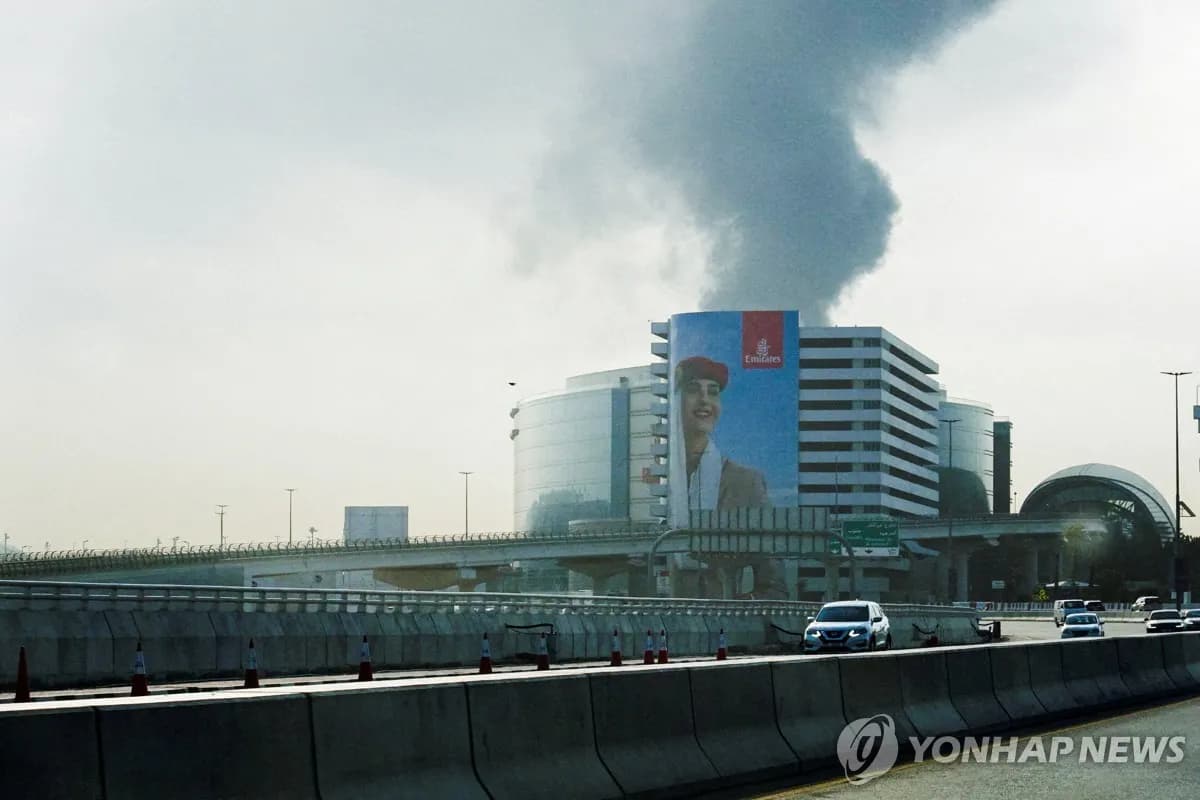
중동행 전세기 전쟁보험료 최고 7천500만원
중동행 전세기 전쟁보험료가 최고 5만달러(7천500만원)로 상승
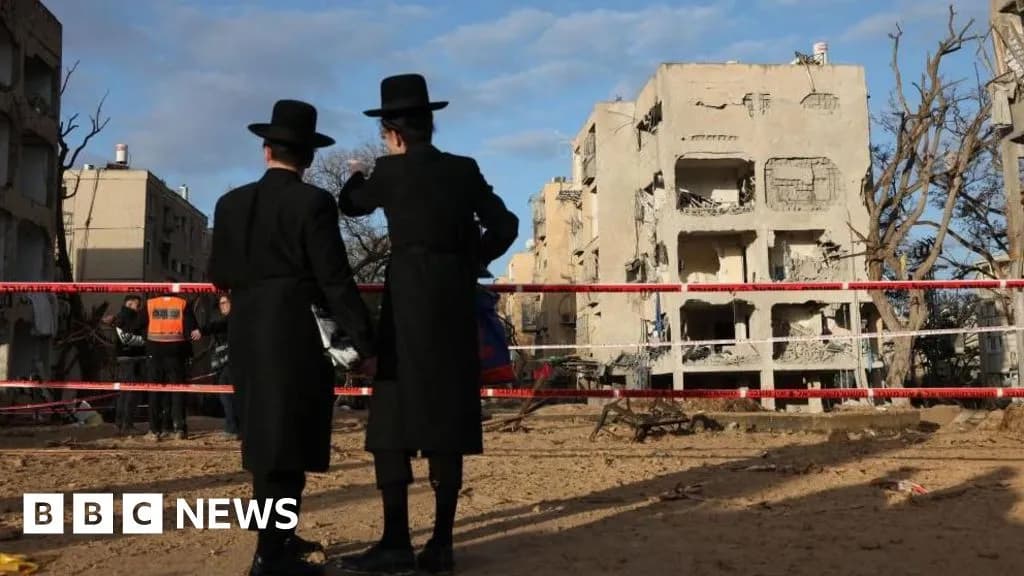
이란 탄도미사일, 이스라엘 방어망 뚫고 160명 부상
이란 탄도미사일이 이스라엘 방공망을 통과해 160명 부상

Middle East Conflict Drives Manufacturing Outlook to 10-Month Low
The Korea Institute for Industrial Economics & Trade survey shows April manufacturing outlook PSI plummeted to 88, falling below baseline for the first time in 10 months.

Lee Jae-myung Administration Excludes Multi-Home Officials from Real Estate Policymaking
President Lee Jae-myung has ordered the exclusion of multi-home owning public officials from all real estate policy processes.
Southeast Asia Growth Forecasts Cut Amid Oil Price Surge, Threatening Korean Exports
Maybank Research has downgraded ASEAN-6's 2026 growth forecast from 4.8% to 4.5%.

Volkswagen CEO Says Germany Should Learn from China's Industrial Strategy
Volkswagen CEO stated that Germany should learn from China's systematic industrial planning approach.

Reddit Considers Face ID to Block Bots While Maintaining Anonymity
Reddit is considering implementing biometric authentication systems such as Face ID and Touch ID to block AI bots while maintaining anonymity.