Ritchie Valens: A Life Cut Short at 17, But a Musical Legacy That Lives Forever
The Story of a Chicano Icon and Rock 'n' Roll Pioneer Who Died Tragically in a Plane Crash
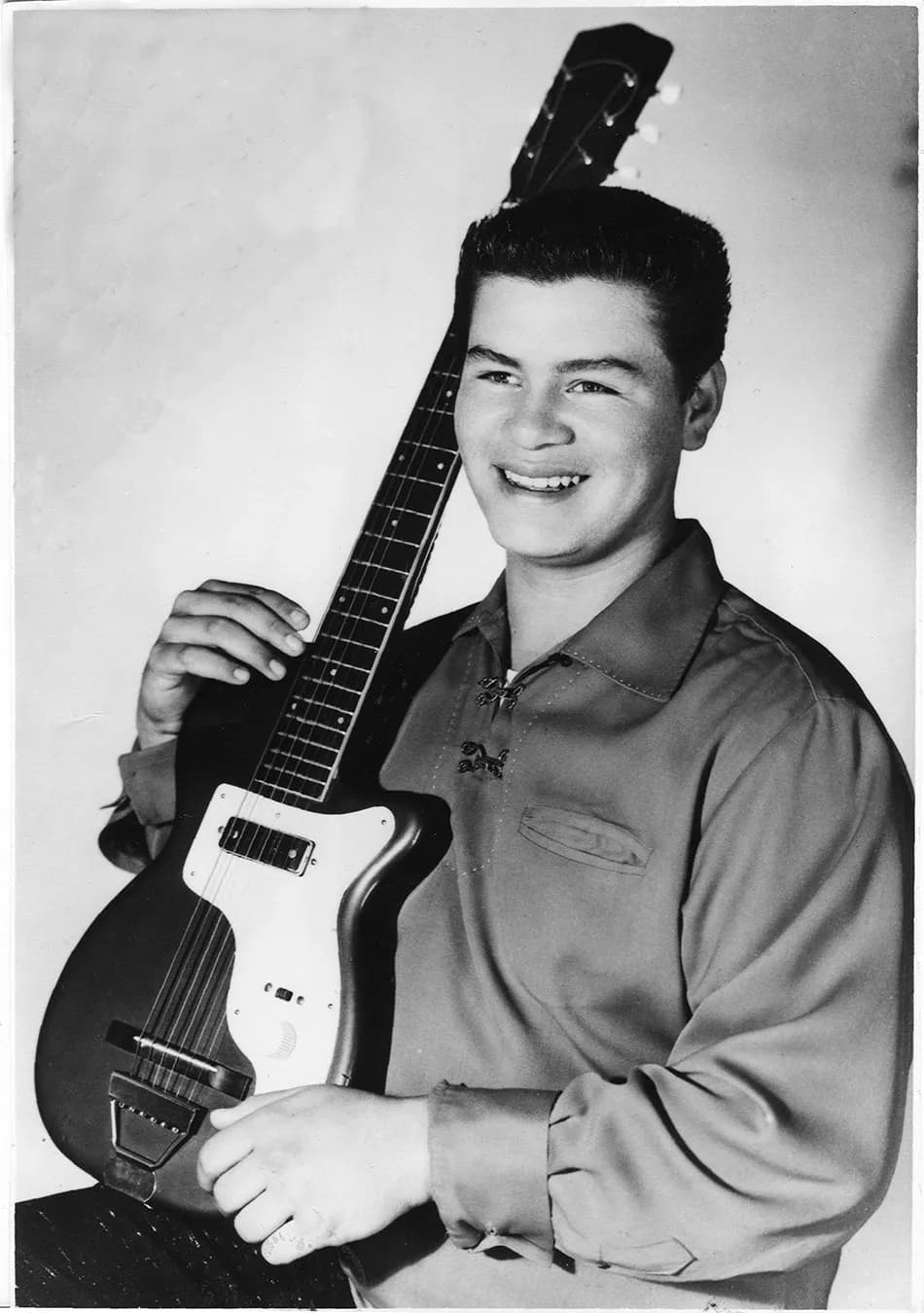
- •Rock 'n' roll pioneer Ritchie Valens died in a plane crash at age 17 in 1959.
- •A Chicano icon who pioneered Latin-rock fusion through songs like "La Bamba" and "Donna."
- •Despite his brief life, his musical legacy continues to influence new generations to this day.
A 16-Year-Old's First Stage
San Fernando American Legion Hall, Southern California, 1958. A flyer read: "Dance to the music of the Silhouettes Band!!" At the center of that band was Ritchie Valens, introduced as "the fabulous Lil Ritchie and his crying guitar!!"
He was just 16 years old at the time. The Silhouettes were Ritchie's first band, and this group would lead him into the pages of music history. But the word "silhouette" itself is significant. Like a silhouette where you can see the outline but not clearly discern the figure casting the shadow, we have continued to fill in Ritchie Valens's story and project ourselves onto it ever since.
Time Stopped at 17
One of rock 'n' roll's founding fathers, Ritchie Valens passed away just one year later. On February 3, 1959, a plane crash occurred during a snowstorm in Iowa. The plane carrying Buddy Holly, the Big Bopper, and Ritchie—all participants in the Winter Dance Party Tour—crashed, making it one of music history's most tragic days.
A Chicano icon, yet still a stranger to many of us. What he left behind was brief but powerful.
From Malagueña to La Bamba
Ritchie was a boy who played guitar to earn money for his family. One of the songs he performed was "Malagueña." This piece has roots in Spanish flamenco music from hundreds of years ago, became a classical melody, and by the 1950s was a staple of Hollywood soundtracks. But in Ritchie's hands, this song became a launching pad for the possessed playing of a guitar hero.
"Malagueña" conveyed experience and sophisticated charm to audiences. Meanwhile, his mother sold homemade tamales at the American Legion Hall venue. The innocent 17-year-old Chicano boy from Pacoima introduced himself to America by taking the familiar and making it feel like something never heard before.
From the beginning, Ritchie heard the possibility of making familiar sounds move forward. This boy who would remain a teenager forever realized he could reinvent himself by reinventing songs.
Opening the Door to Chicano Soul
Listen to "Donna." It's a heartfelt love ballad that feels familiar to Chicano audiences who had spent years listening to Black vocal groups' music. In the process, he paved the way for the excellent Chicano soul music that would emerge over the next two decades.
Above all, listen to "La Bamba." A centuries-old song originating from Veracruz, Mexico, carrying the DNA of African, Spanish, Indigenous, and Caribbean cultures. The film depicts him first encountering this song when his brother Bob took him to a brothel in Tijuana, but however he first heard it, Valens saw this song as a prism—a way to color everything before him with his voice and guitar.
A Sound Born in Los Angeles
The music he created came from Mexico and from Los Angeles. It came from a place where 1940s Spanish swing songs, Black doo-wop sounds, and hillbilly guitar playing mixed in a molcajete (traditional Mexican mortar). Above all, it came from the radio. AM stations explosively broadcast sounds completely different from what had just played, lining them up one after another and blasting them to every corner.
Future Outlook [AI Analysis]
Ritchie Valens's legacy is unlikely to remain simply as music of the past. With Latin music currently dominating global charts, the path of Latin-rock fusion he pioneered continues to inspire a new generation of artists.
"La Bamba" was introduced to a new generation through the 1987 biographical film of the same name, and Los Lobos's cover version reached number one on the Billboard charts. This demonstrates that Ritchie Valens's music has timeless appeal.
For the Chicano community, he remains a symbol of representation. His courage in entering the mainstream music market at age 17 without hiding his identity resonates even more meaningfully in today's music industry, where diversity and inclusion are emphasized.
댓글 (3)
Ritchie 관련 기사 잘 읽었습니다. 유익한 정보네요.
Valens:에 대해 더 알고 싶어졌습니다. 후속 기사 부탁드립니다.
간결하면서도 핵심을 잘 정리한 기사네요.
More in Entertainment
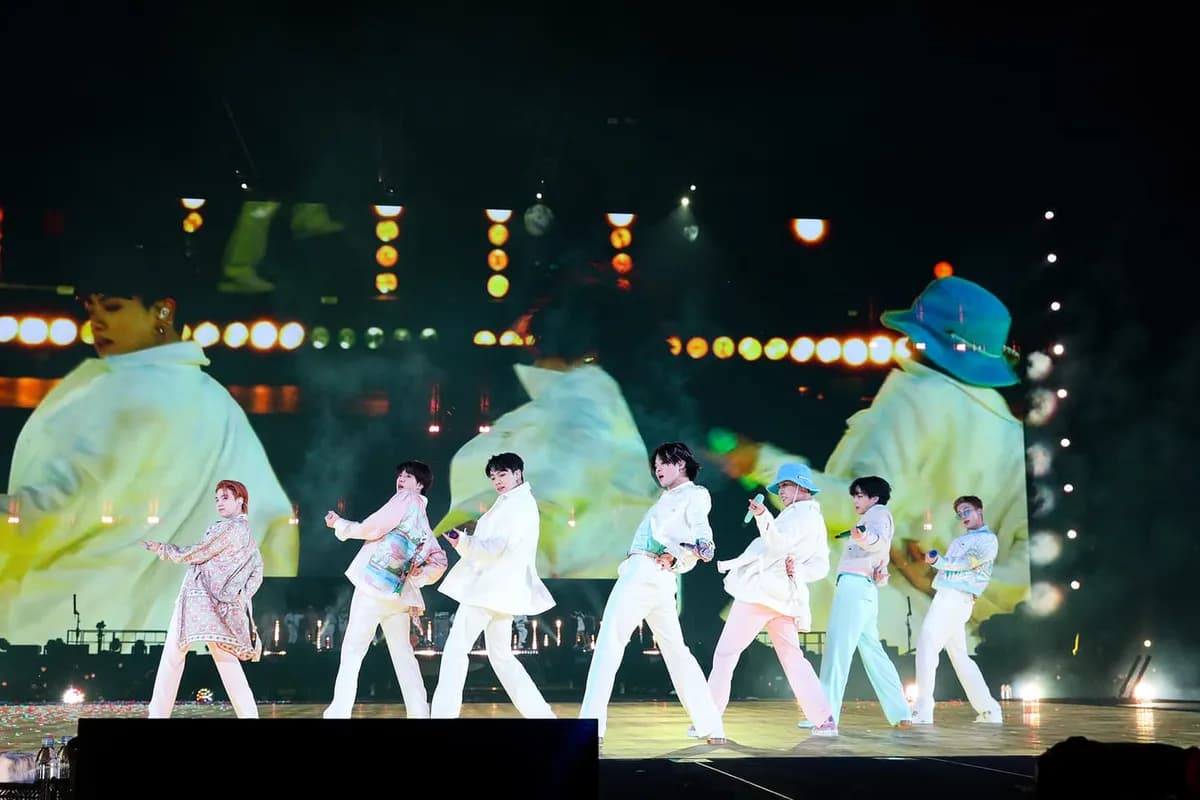
BTS Tops March Artist Brand Reputation Rankings with First Full Group Comeback in 4 Years

BTS's New Album 'ARIRANG' Sweeps Spotify Global Chart Positions 1-14

Gas Sprayer Detected at BTS Comeback Concert Venue Metal Detector

BTS Returns as Full Group of 7 with Performance for 40,000 Fans at Gwanghwamun Square
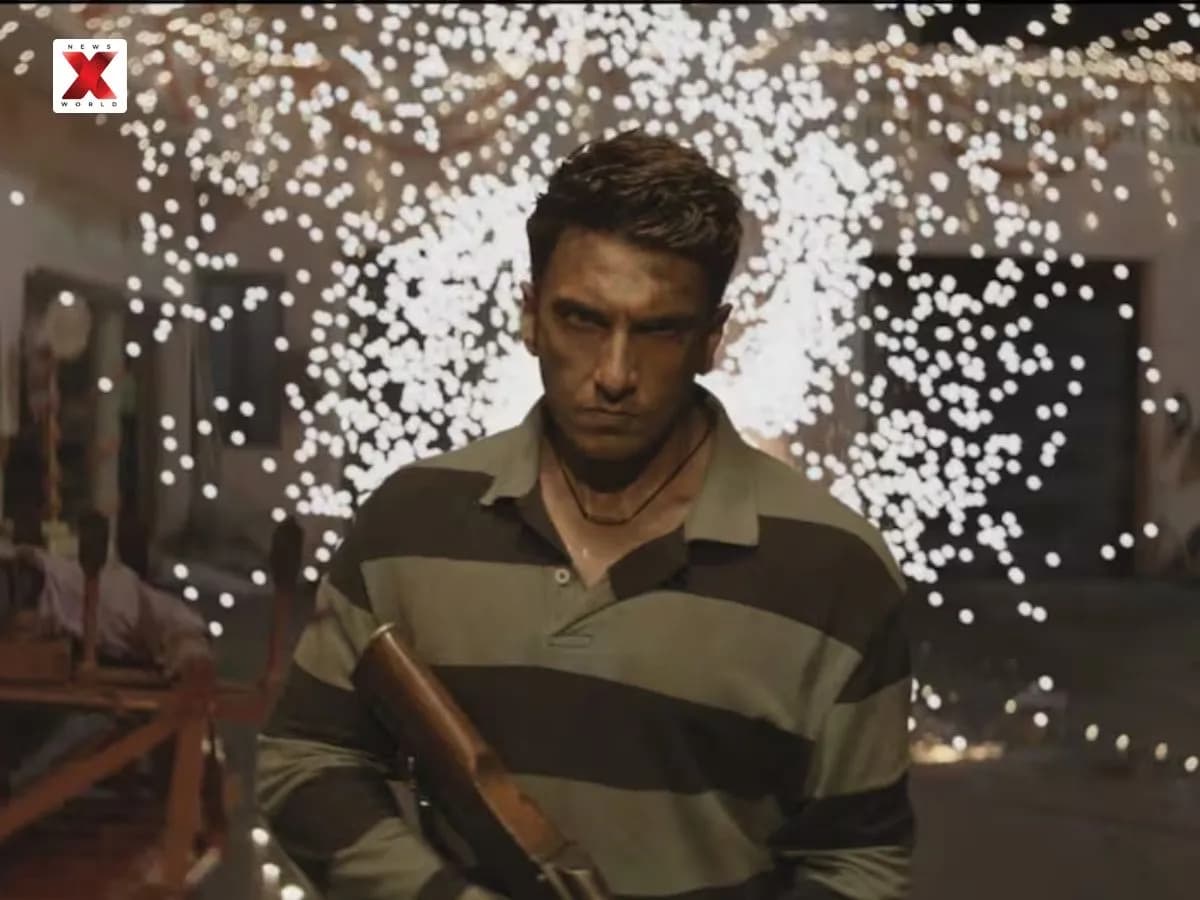
Ranveer Singh's 'Dhurandhar 2' Surpasses ₹275 Crore in Two Days

PM Kim Inspects BTS Comeback Concert Venue… 'Safety is K-Culture's Competitiveness'
Latest News

이스라엘, 헤즈볼라 무기 통로 레바논 다리 공습
이스라엘군, 헤즈볼라 무기 통로 레바논 다리 공습

중동행 전세기 전쟁보험료 최고 7천500만원
중동행 전세기 전쟁보험료가 최고 5만달러(7천500만원)로 상승

이란 탄도미사일, 이스라엘 방어망 뚫고 160명 부상
이란 탄도미사일이 이스라엘 방공망을 통과해 160명 부상

Middle East Conflict Drives Manufacturing Outlook to 10-Month Low
The Korea Institute for Industrial Economics & Trade survey shows April manufacturing outlook PSI plummeted to 88, falling below baseline for the first time in 10 months.

Lee Jae-myung Administration Excludes Multi-Home Officials from Real Estate Policymaking
President Lee Jae-myung has ordered the exclusion of multi-home owning public officials from all real estate policy processes.

Southeast Asia Growth Forecasts Cut Amid Oil Price Surge, Threatening Korean Exports
Maybank Research has downgraded ASEAN-6's 2026 growth forecast from 4.8% to 4.5%.

Volkswagen CEO Says Germany Should Learn from China's Industrial Strategy
Volkswagen CEO stated that Germany should learn from China's systematic industrial planning approach.

Reddit Considers Face ID to Block Bots While Maintaining Anonymity
Reddit is considering implementing biometric authentication systems such as Face ID and Touch ID to block AI bots while maintaining anonymity.