33 Years After Marion Lost Her Son, Why Doesn't Canberra Have a Safe Injecting Room?
The capital territory claims to lead in drug harm minimisation, yet debates supervised injection facilities
- •Canberra claims to lead in drug harm minimisation but has yet to introduce a supervised drug injection facility.
- •Sydney and Melbourne's safe injecting rooms have operated for over 20 years with zero overdose deaths.
- •Bereaved families and advocacy groups point to policy contradictions and urge Canberra to adopt safe injecting facilities.
A Memory of Loss 33 Years Ago
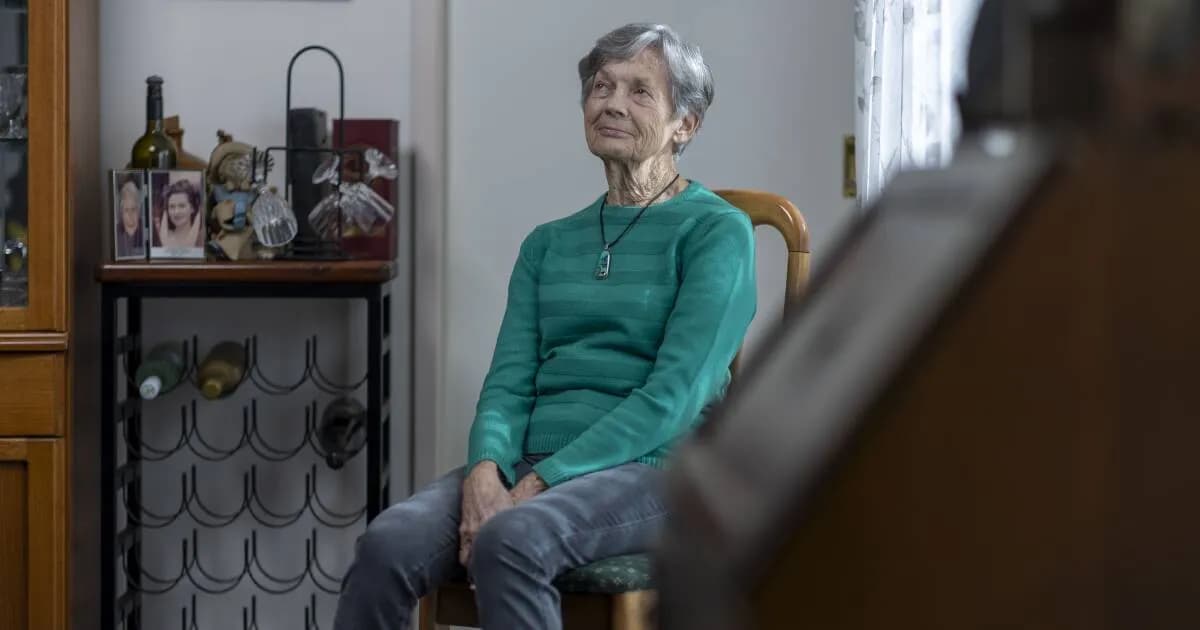
Marion McConnell lost her son to a heroin overdose 33 years ago. Though time has passed, she still wonders: if there had been a safe space back then, how might her son's life have been different?
The Australian Capital Territory (ACT), where Canberra is located, has long positioned itself as a 'leader' in drug harm minimisation. Yet this region has not a single supervised drug injection service.
Why This Matters
Supervised injecting facilities are sites where drug users can inject under medical supervision. They represent a multi-layered public health policy with proven effectiveness in preventing overdose deaths, stopping the spread of infectious diseases, and connecting users to rehabilitation services.
Australia currently operates one such facility each in Sydney (Kings Cross) and Melbourne (North Richmond). The Sydney facility has not recorded a single death since opening in 2001. The Melbourne facility transitioned from a trial in 2018 to a permanent service in 2020.
Yet Canberra proclaims drug harm minimisation as a policy cornerstone while remaining lukewarm about introducing the most direct intervention tool: safe injecting rooms. Local media including the Braidwood Times and advocacy groups have highlighted this contradiction, urging policy adoption.
The Evolution of Drug Policy and Canberra's Position
Australia shifted its drug policy from punishment-focused to harm reduction-focused in the 1980s, prompted by HIV spread. Needle exchange programs and substitute treatments (methadone) were the results.
The 2000s saw the introduction of supervised injecting facilities. The Kings Cross facility in Sydney faced fierce opposition when it opened, but has operated for over 20 years with zero overdose deaths. Melbourne joined this movement in 2016.
While Canberra pursued progressive measures like decriminalizing possession of small drug quantities in 2020, discussion of safe injecting rooms has stalled. Conservative opposition and community concerns are cited as primary reasons.
Future Outlook [AI Analysis]
Whether Canberra introduces safe injecting facilities depends on political will and community persuasion. As Sydney and Melbourne demonstrate, initial opposition tends to ease over time. Given the rising trend of opioid-related deaths across Australia, the need for preventive intervention will likely grow.
However, practical challenges remain: coordinating federal and state policies, securing funding, and selecting facility locations. Whether voices like Marion McConnell's and those of advocacy groups will catalyze policy change remains to be seen.
댓글 (3)
33에 대해 더 알고 싶어졌습니다. 후속 기사 부탁드립니다.
Years 관련 기사 잘 읽었습니다. 유익한 정보네요.
공감합니다. 참고하겠습니다.
More in Life
Beyond Vaccines: Refusal of Newborn Vitamin K Shots Spreads

NASA Restores Historic 80-Year-Old 'Hangar One' at Ames Research Center

NASA X-59 Supersonic Experimental Aircraft Completes Second Test Flight Successfully

Australian Researchers Develop World's First Quantum Battery Prototype

The Ocean Was the True Driver of 3 Million Years of Climate Change
Heat Waves to Cause 700,000 Premature Deaths by 2050… Climate Crisis Undermines Exercise Habits
Latest News
이스라엘, 헤즈볼라 무기 통로 레바논 다리 공습
이스라엘군, 헤즈볼라 무기 통로 레바논 다리 공습
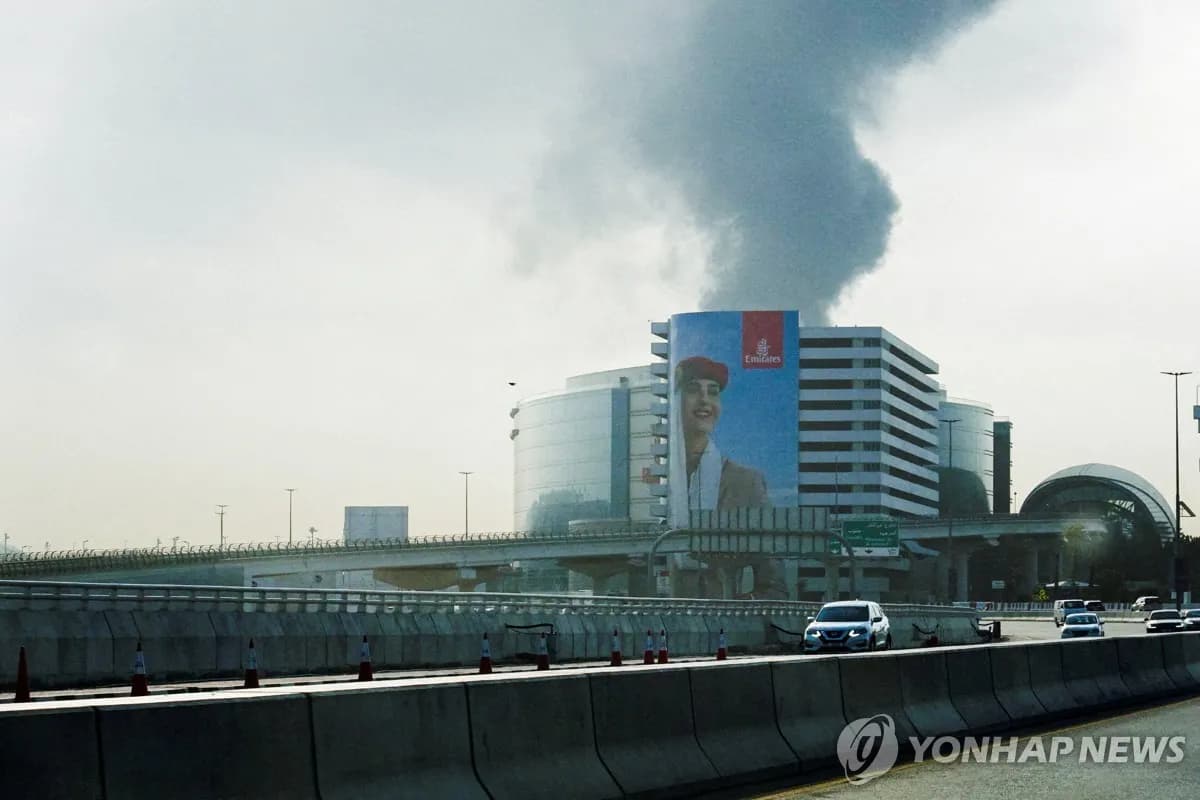
중동행 전세기 전쟁보험료 최고 7천500만원
중동행 전세기 전쟁보험료가 최고 5만달러(7천500만원)로 상승
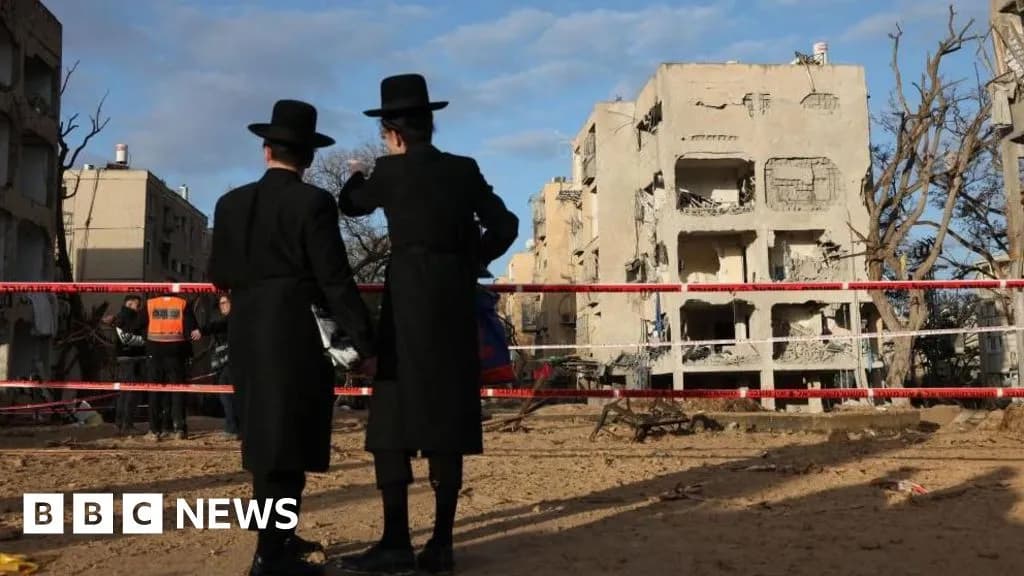
이란 탄도미사일, 이스라엘 방어망 뚫고 160명 부상
이란 탄도미사일이 이스라엘 방공망을 통과해 160명 부상
Middle East Conflict Drives Manufacturing Outlook to 10-Month Low
The Korea Institute for Industrial Economics & Trade survey shows April manufacturing outlook PSI plummeted to 88, falling below baseline for the first time in 10 months.

Lee Jae-myung Administration Excludes Multi-Home Officials from Real Estate Policymaking
President Lee Jae-myung has ordered the exclusion of multi-home owning public officials from all real estate policy processes.

Southeast Asia Growth Forecasts Cut Amid Oil Price Surge, Threatening Korean Exports
Maybank Research has downgraded ASEAN-6's 2026 growth forecast from 4.8% to 4.5%.

Volkswagen CEO Says Germany Should Learn from China's Industrial Strategy
Volkswagen CEO stated that Germany should learn from China's systematic industrial planning approach.

Reddit Considers Face ID to Block Bots While Maintaining Anonymity
Reddit is considering implementing biometric authentication systems such as Face ID and Touch ID to block AI bots while maintaining anonymity.