Metaphysica Centennial: Milan's Enigmatic Celebration
From De Chirico to Tim Burton, the 20th century's most enigmatic art movement meets the present
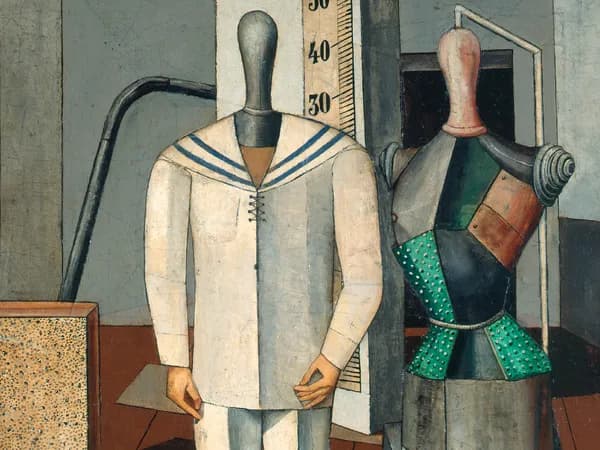
- •Milan will host a major exhibition commemorating the 100th anniversary of Metaphysical Painting from January 28 to June 21.
- •Featuring approximately 400 works from the movement's founders like De Chirico and Carrà to contemporary figures like Warhol and Tim Burton, the exhibition illuminates the modern influence of metaphysical art.
- •This exhibition, involving four major Milan museums including Palazzo Reale, is a strategy to strengthen the cultural status of the Olympic host city.
Milan Unfolds the Grand Narrative of Metaphysical Art
From January 28 to June 21, 2026, Milan will host a major exhibition commemorating the 100th anniversary of Metafisica (Metaphysical Painting), one of the most influential movements in 20th-century Italian art history. Opening just before the Milan-Cortina Winter Olympics, this exhibition transcends a simple retrospective to become a platform for artistic dialogue bridging past and present.
The central venue, Palazzo Reale, will showcase approximately 400 works on loan from about 150 collections worldwide. Encompassing not only paintings and sculptures but also design objects, photographs, videos, architectural models, records, and graphic novels, this exhibition demonstrates how extensively metaphysical art has influenced contemporary culture.
Three additional exhibition spaces—Museo del Novecento, Palazzo Citterio, and Gallerie d'Italia—will simultaneously host related exhibitions, transforming all of Milan into one vast metaphysical art museum.
Ferrara 1917: The Beginning of the Enigma
Metaphysical painting was born in Ferrara, Italy, in 1917. During that period when World War I was sweeping across Europe, artists such as Giorgio De Chirico, Carlo Carrà, Alberto Savinio, Filippo De Pisis, and Giorgio Morandi came together.
They approached reality differently from Cubism, Futurism, and Dada. By reinterpreting ordinary subjects—plazas, statues, arches, arcades, towers, shadows, still lifes, and mannequins—with an unfamiliar and unsettling atmosphere, they extracted the mystery hidden within everyday life. Their work, which explored past memories and artistic traditions without nostalgia, possessed a duality that was both radical and classical for its time.
Metaphysical DNA Permeates Contemporary Art
Curator Vincenzo Trione explains: "The metaphysical painters unintentionally became 'fathers' to a vast territory of 20th and 21st-century art. The visual language they created has now become part of our everyday vocabulary."
Indeed, this exhibition features not only the movement's founders but also works by later artists influenced by them. From Mario Sironi and Felice Casorati to René Magritte, Max Ernst, Salvador Dalí, and Andy Warhol.
In contemporary times, the exhibition includes not only artists like Mimmo Paladino, Giulio Paolini, Jannis Kounellis, and Francesco Vezzoli, but also architects such as Aldo Rossi, Gio Ponti, and Frank Gehry, photographers like Mimmo Jodice and Gabriele Basilico, and fashion designers including Giorgio Armani and Fendi.
Metaphysical imagery repeatedly appears in the work of filmmakers Paolo Sorrentino and Tim Burton, and rock bands Genesis and Pink Floyd. What these creators from different eras, cultures, and languages share is a particular stance—an attitude of gazing at the enigmas hidden beneath the surface of everyday life.
The Olympic City Offers a Moment of Silence
Paradoxically, as Milan prepares to host the 2026 Winter Olympics, this exhibition offers visitors a time of quietude and reflection. Curator Trione invites: "Step away from the metropolitan frenzy for a few hours and enter a parallel world where the everyday opens into strange and revelatory dreams."
Through approximately 400 works including paintings, sculptures, drawings, as well as design, photography, video, architectural models, records, and comics, the exhibition proves that metaphysical art is not merely a past movement but a living cultural gene.
Future Outlook [AI Analysis]
This exhibition can be seen as part of Milan's strategy to strengthen its position not only as an Olympic host city but as a cultural capital. The large-scale collaborative project involving four major museums suggests the possibility of even closer integration of Milan's cultural infrastructure in the future.
By illuminating metaphysical art's influence on contemporary pop culture, fashion, and architecture, this exhibition presents a new exhibition model that dissolves the boundary between 'classical art' and 'contemporary culture.' Particularly, by showing Generation Z audiences how art from 100 years ago lives on in today's music videos, films, and fashion shows, it is likely to serve as an opportunity to explore new approaches to art history education.
Additionally, the success of this exhibition is expected to influence future large-scale retrospectives of other Italian 20th-century art movements (such as Futurism and Arte Povera).
댓글 (4)
Metaphysica 관련 기사 잘 읽었습니다. 유익한 정보네요.
기사 잘 봤습니다. 다른 시각의 분석도 읽어보고 싶네요.
Milan에 대해 더 알고 싶어졌습니다. 후속 기사 부탁드립니다.
공감합니다. 참고하겠습니다.
More in Culture & Art
Government Provides 1 Billion Won in Emergency Disaster Funds for Daejeon Factory Fire Recovery
Existence Blooming Through Vulnerability: Massimo Lagrotteria Solo Exhibition
Milan Design Week 2026: Hotels Transform into Laboratories of Dreams
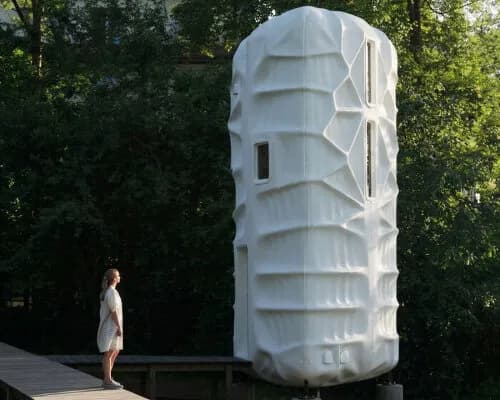
The Future of Living on the Moon, Mars, and Deep Sea: Houses Designed by Architects

15,000-Year-Old Clay Beads Made by Children Rewrite Prehistoric Art History

Reuters Reports Banksy's Identity Revealed, Reigniting Anonymity Debate
Latest News

이스라엘, 헤즈볼라 무기 통로 레바논 다리 공습
이스라엘군, 헤즈볼라 무기 통로 레바논 다리 공습
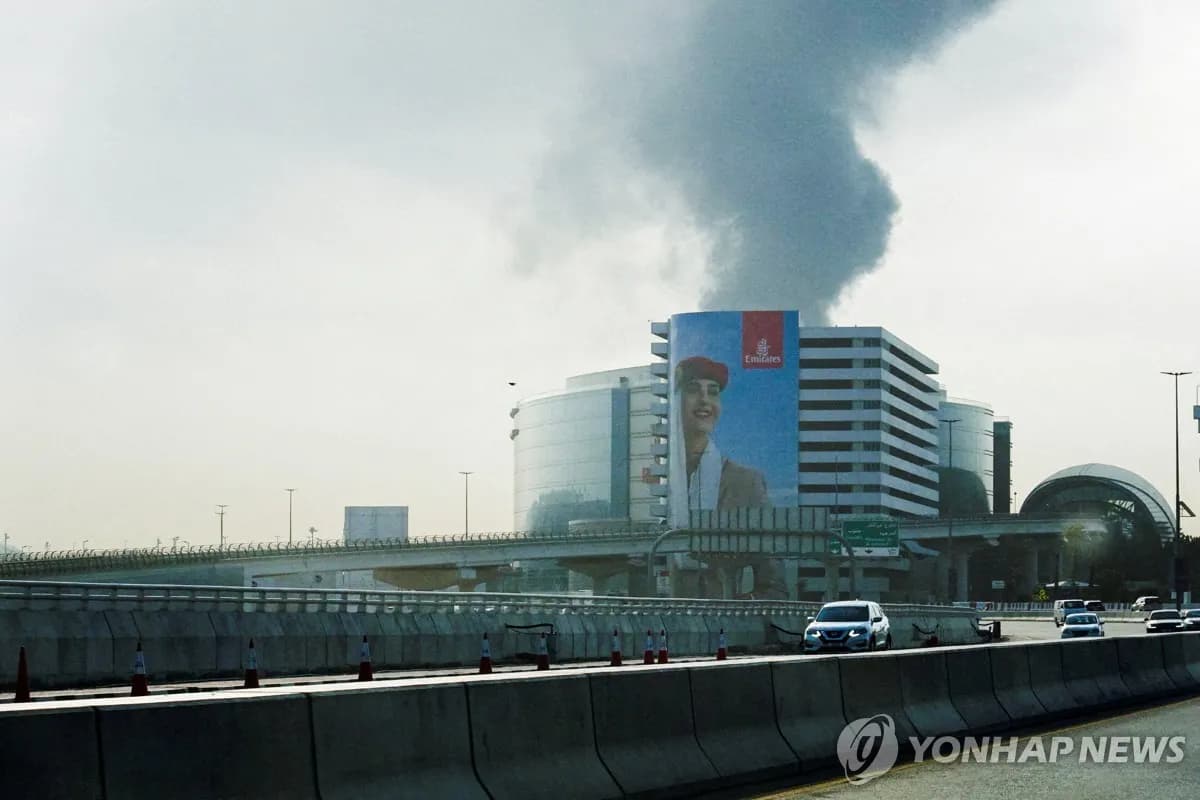
중동행 전세기 전쟁보험료 최고 7천500만원
중동행 전세기 전쟁보험료가 최고 5만달러(7천500만원)로 상승
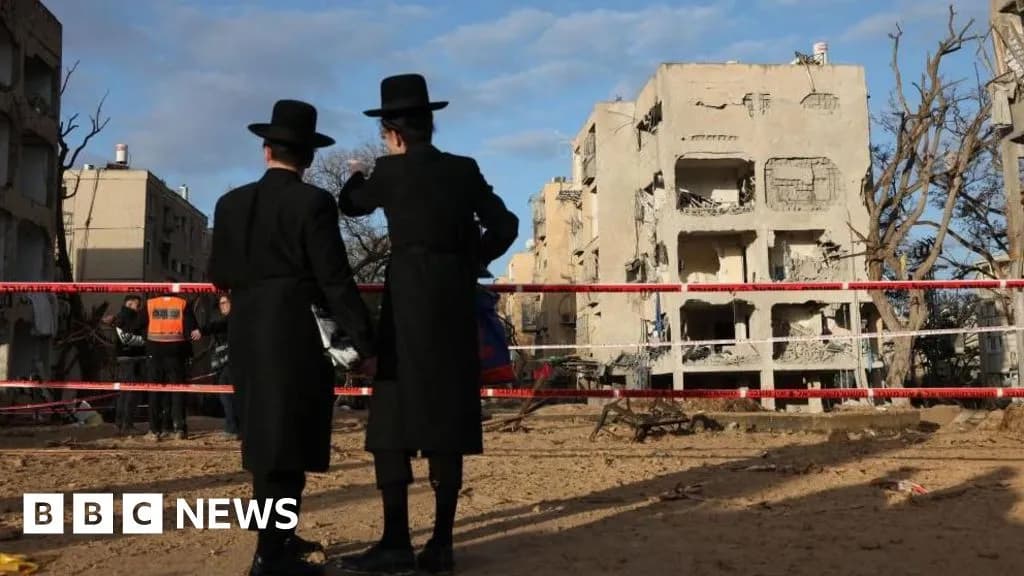
이란 탄도미사일, 이스라엘 방어망 뚫고 160명 부상
이란 탄도미사일이 이스라엘 방공망을 통과해 160명 부상
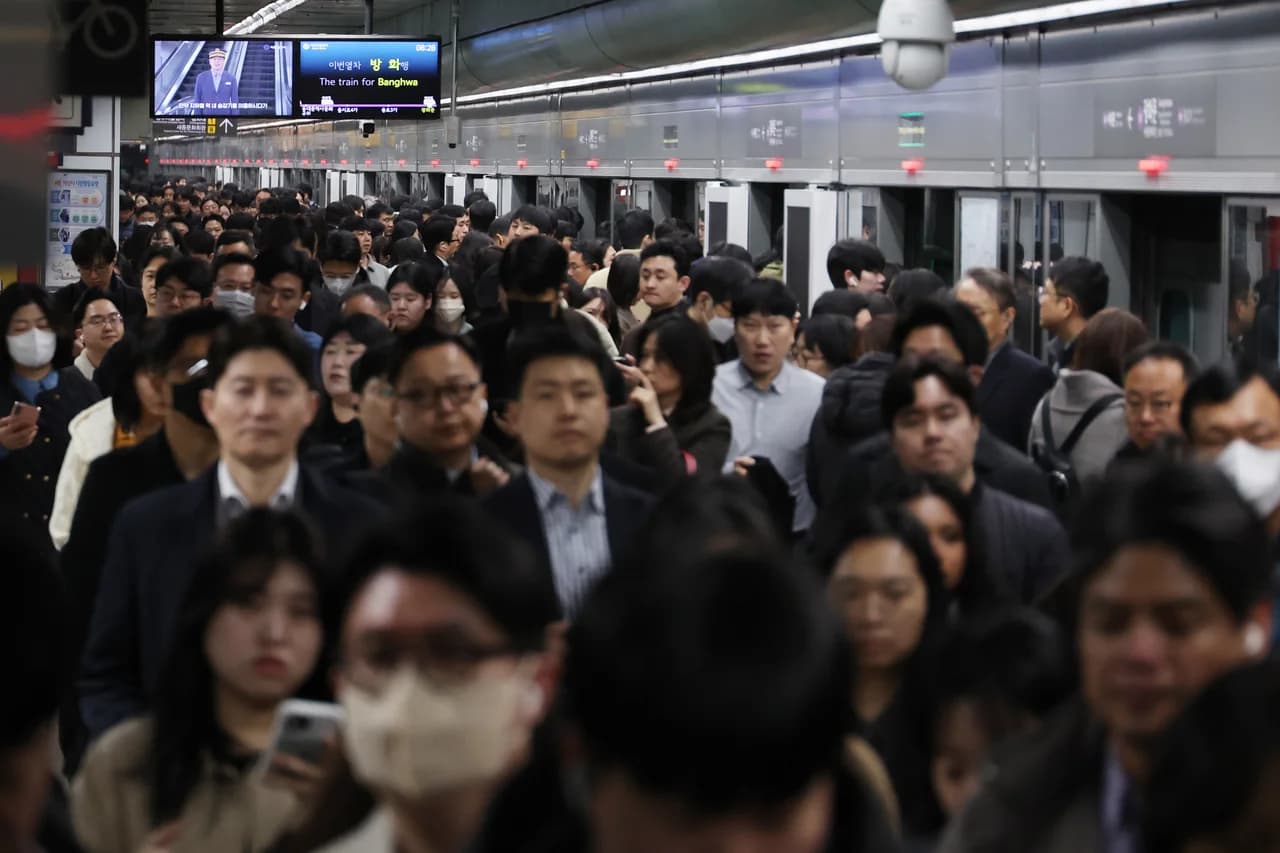
Middle East Conflict Drives Manufacturing Outlook to 10-Month Low
The Korea Institute for Industrial Economics & Trade survey shows April manufacturing outlook PSI plummeted to 88, falling below baseline for the first time in 10 months.

Lee Jae-myung Administration Excludes Multi-Home Officials from Real Estate Policymaking
President Lee Jae-myung has ordered the exclusion of multi-home owning public officials from all real estate policy processes.
Southeast Asia Growth Forecasts Cut Amid Oil Price Surge, Threatening Korean Exports
Maybank Research has downgraded ASEAN-6's 2026 growth forecast from 4.8% to 4.5%.
Volkswagen CEO Says Germany Should Learn from China's Industrial Strategy
Volkswagen CEO stated that Germany should learn from China's systematic industrial planning approach.

Reddit Considers Face ID to Block Bots While Maintaining Anonymity
Reddit is considering implementing biometric authentication systems such as Face ID and Touch ID to block AI bots while maintaining anonymity.