Moroccan Court Sentences Defendants in 'Court Brokerage' Case to 5 Years
Safi Court Hands Down Strict Punishment to Those Involved in Judicial Corruption… Additional Penalties Include Political and Civil Rights Revocation
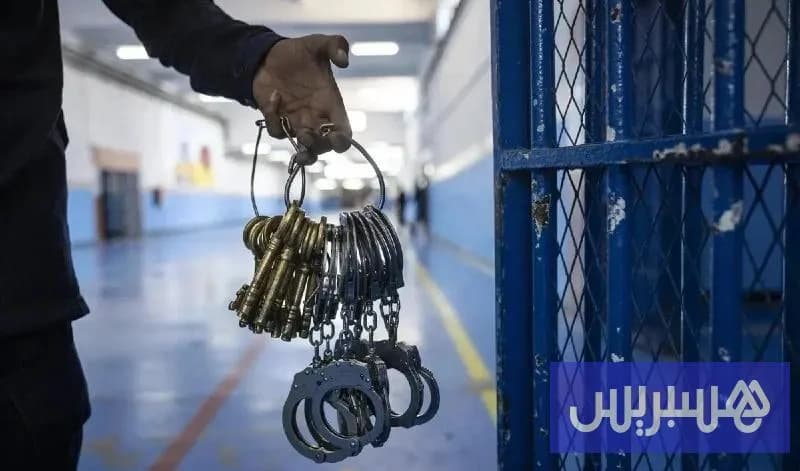
- •The Safi Court in Morocco sentenced individuals involved in a court brokerage case to 5 years in prison and a fine of 5 million santimat.
- •The court also imposed additional penalties including revocation of political rights for 10 years, demonstrating a strong will to punish judicial corruption.
- •While this ruling shows the Moroccan judiciary's self-purification efforts, experts note that structural reforms must be implemented in parallel.
Court Brokerage Case: 5-Year Prison Sentence Confirmed
The Criminal Division of the Safi First Instance Court in Morocco sentenced individuals involved in a court brokerage case to 5 years in prison and a fine of 5 million santimat (approximately $57,000) each, local media reported on the 18th.
The court also imposed additional penalties including revocation of political and civil rights for 10 years, prohibition from wearing decorations, prohibition from testifying in court, and prohibition from possessing weapons or serving in the military. This ruling is interpreted as demonstrating the Moroccan judiciary's determination to severely address corrupt practices within the courts.
Background: What is 'Court Brokerage'?
Court brokerage refers to the act of exercising influence within the court system to manipulate trial outcomes or induce verdicts favorable to specific parties. In Morocco, several such judicial corruption cases have been uncovered in recent years, raising the need for judicial reform.
The Safi case reportedly involves court officials who were indicted on charges of accepting money from parties to a case and interfering in trials. The Moroccan government has been continuously pursuing reform measures to strengthen judicial transparency since the early 2020s, and this ruling is in line with those efforts.
The Flow of Moroccan Judicial Reform
Since the constitutional amendment of 2011, Morocco has made strengthening judicial independence a key reform objective. In 2016, it established the Conseil Supérieur du Pouvoir Judiciaire (High Council of the Judiciary) to increase transparency in judge appointment and disciplinary procedures.
However, in Transparency International's 2024 Corruption Perceptions Index, Morocco still remains in the lower-middle tier, with corruption in the judicial sector being highlighted as a major problem. While the Safi ruling is seen as a positive signal that the judiciary is undertaking internal cleanup, it also demonstrates that there is still much room for improvement.
Future Outlook [AI Analysis]
While this ruling demonstrates the Moroccan judiciary's self-purification efforts, more structural reforms appear necessary to eradicate court corruption. Beyond simply punishing individual cases, experts point out that strengthening internal oversight systems within courts and providing ethics education for judges and court staff must be implemented in parallel.
Additionally, the digital court system that the Moroccan government is currently implementing is likely to contribute to enhanced transparency. The digitization of court records and expansion of public access are expected to be effective in reducing opportunities for illicit transactions.
International attention is also an important variable. Morocco is strengthening economic cooperation with the European Union (EU) and the United States, and these countries are presenting judicial transparency as a key condition for cooperation. Therefore, the Moroccan government has strong incentives to continue pursuing judicial reform.
댓글 (5)
기사 잘 봤습니다. 다른 시각의 분석도 읽어보고 싶네요.
공감합니다. 참고하겠습니다.
Court에 대해 더 알고 싶어졌습니다. 후속 기사 부탁드립니다.
흥미로운 주제입니다. 주변에도 공유해야겠어요.
좋은 의견이십니다.
More in Life

Beyond Vaccines: Refusal of Newborn Vitamin K Shots Spreads

NASA Restores Historic 80-Year-Old 'Hangar One' at Ames Research Center

NASA X-59 Supersonic Experimental Aircraft Completes Second Test Flight Successfully

Australian Researchers Develop World's First Quantum Battery Prototype

The Ocean Was the True Driver of 3 Million Years of Climate Change
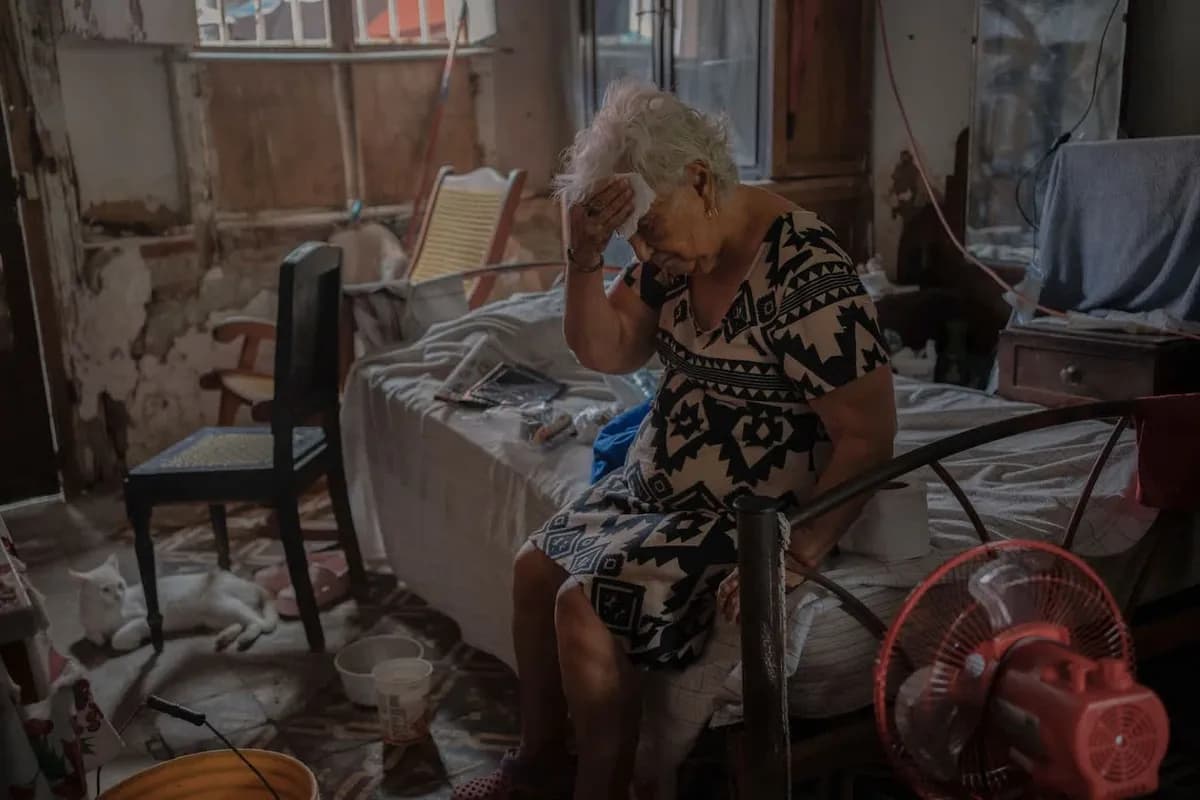
Heat Waves to Cause 700,000 Premature Deaths by 2050… Climate Crisis Undermines Exercise Habits
Latest News
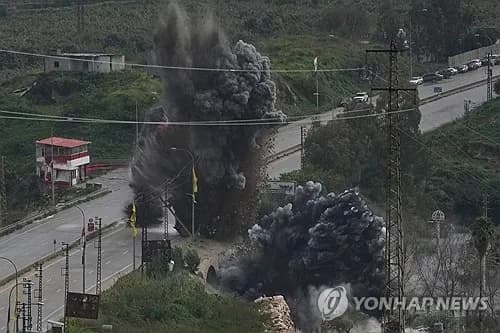
이스라엘, 헤즈볼라 무기 통로 레바논 다리 공습
이스라엘군, 헤즈볼라 무기 통로 레바논 다리 공습
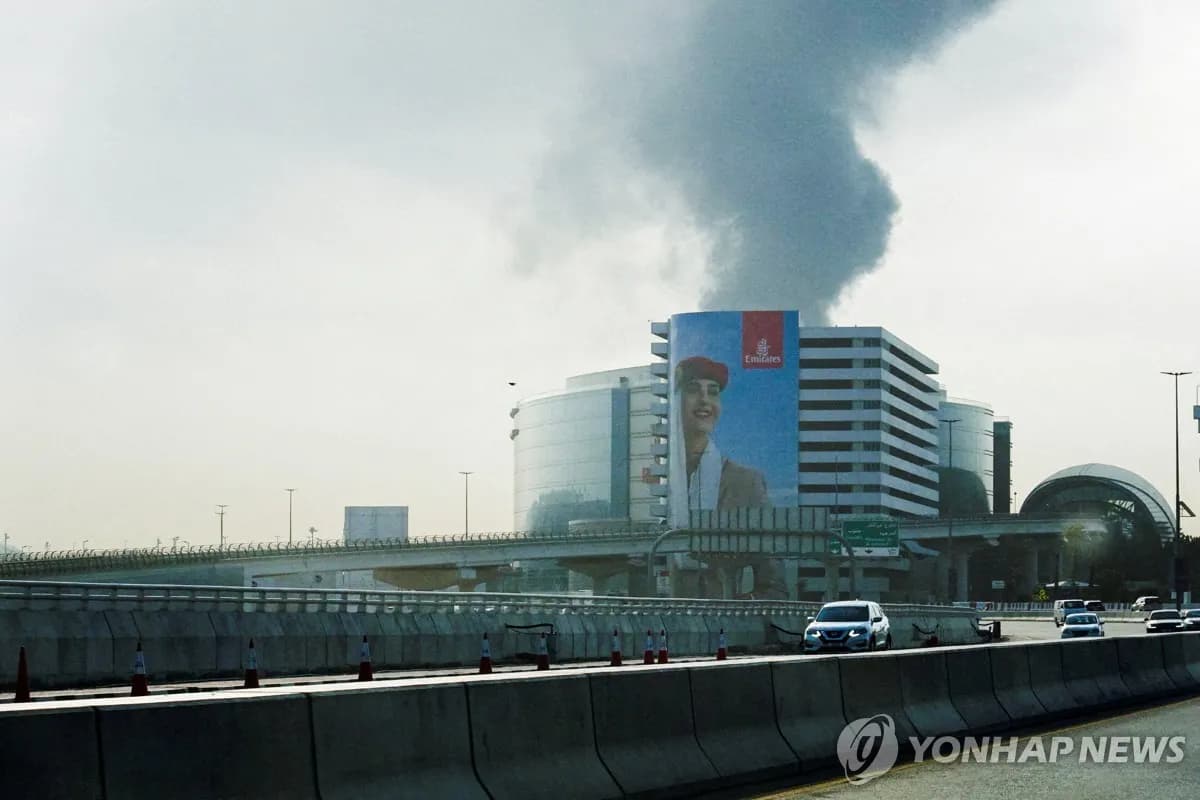
중동행 전세기 전쟁보험료 최고 7천500만원
중동행 전세기 전쟁보험료가 최고 5만달러(7천500만원)로 상승
이란 탄도미사일, 이스라엘 방어망 뚫고 160명 부상
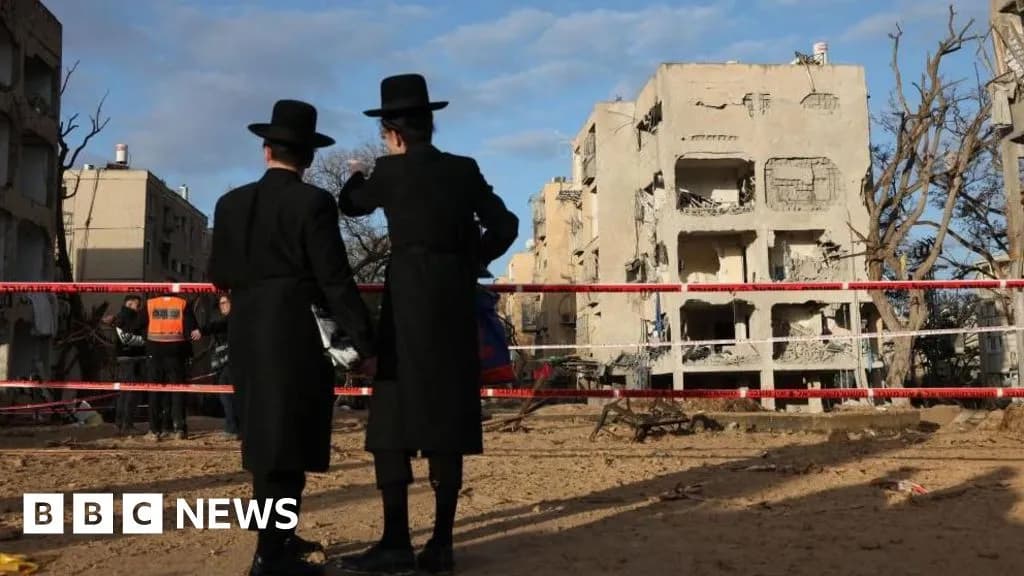
이란 탄도미사일이 이스라엘 방공망을 통과해 160명 부상
Middle East Conflict Drives Manufacturing Outlook to 10-Month Low
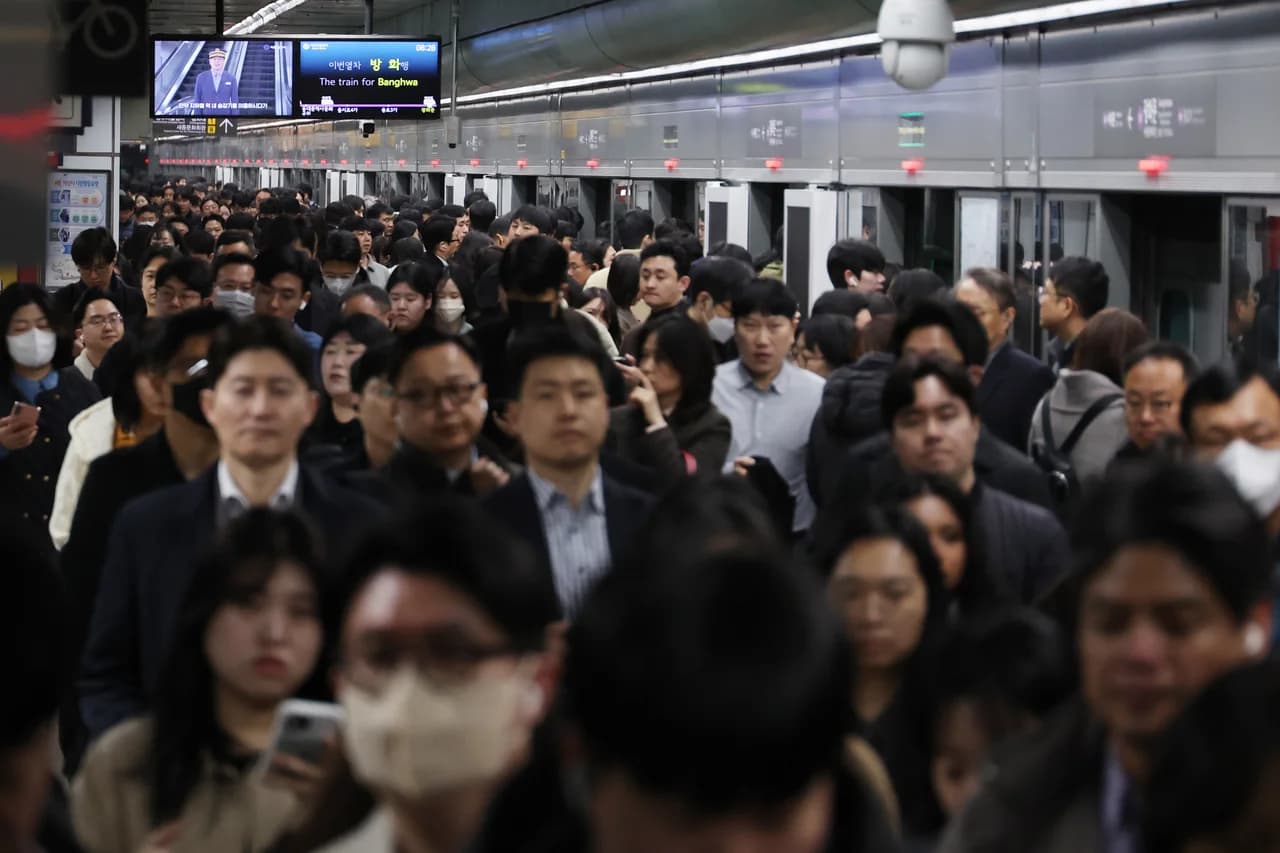
The Korea Institute for Industrial Economics & Trade survey shows April manufacturing outlook PSI plummeted to 88, falling below baseline for the first time in 10 months.

Lee Jae-myung Administration Excludes Multi-Home Officials from Real Estate Policymaking
President Lee Jae-myung has ordered the exclusion of multi-home owning public officials from all real estate policy processes.

Southeast Asia Growth Forecasts Cut Amid Oil Price Surge, Threatening Korean Exports
Maybank Research has downgraded ASEAN-6's 2026 growth forecast from 4.8% to 4.5%.

Volkswagen CEO Says Germany Should Learn from China's Industrial Strategy
Volkswagen CEO stated that Germany should learn from China's systematic industrial planning approach.

Reddit Considers Face ID to Block Bots While Maintaining Anonymity
Reddit is considering implementing biometric authentication systems such as Face ID and Touch ID to block AI bots while maintaining anonymity.