U.S. Secretary of Defense Hegseth significantly strengthens religious beard allowance... Sikh and Muslim soldiers protest
Existing licensees are also subject to reexamination, criticized by human rights groups for “violation of religious freedom”

- •Defense Minister Hegseth has significantly strengthened the religious exemption criteria for beards, making existing licensees subject to re-examination
- •Sikh and Muslim soldiers were the most affected, and human rights groups criticized it as a violation of religious freedom
- •Although a blanket ban is difficult under federal court precedent, strengthened procedures may actually act as a barrier.
The war on beards: The key to the new regulations
U.S. Secretary of Defense Pete Hegseth announced new guidelines that significantly strengthen the criteria for allowing religious exemptions for military personnel's beards. According to multiple foreign media outlets, the memo, released on March 11, calls for a much more stringent process for soldiers seeking to apply for religious exceptions to the blanket ban on beards.
The key to the new regulations is to prove ‘sincerely held faith.’ Applicants must submit an affidavit confirming their religious beliefs, a detailed statement of those beliefs, an explanation of how the dress code conflicts with their beliefs, and evidence supporting the sincerity of their beliefs. What is more controversial is that existing military members who have already been granted a religious exemption will also have to be reexamined under the new standards.
Why This Matters: The Conflict Between Religious Freedom and Military Discipline
This move goes beyond a simple dress code and exposes the fundamental conflict between religious freedom and military discipline. Sikhs have served in the U.S. military since World War I, and their faith requires them to keep their hair uncut, grow beards, and wear turbans. Various schools of Muslim tradition also have regulations regarding beard and hair length.
The Sikh Coalition criticized the new rules in a statement, calling them "completely unnecessary." “Sikhs and soldiers of other faiths have already obtained exemptions under policies and procedures established during the Obama and first Trump administrations,” the coalition said. “If there were exceptions that the Department of Defense deems inauthentic, they could have pursued those cases in a way that did not impose more paperwork and bureaucracy on all soldiers.”
When did this trend begin: Hegseth's 'Beard War'
Hegseth's beard crackdown was not sudden. Since taking office as Minister of Defense, he has made clothing and appearance management one of his key policies. Last September he gave a provocative speech declaring war on "beardos".
“If you want a beard, join the special forces. If not, shave it.” These are Hegseth’s remarks at the time.
This policy trend is progressing as Christianity and Christian nationalism are becoming more openly accepted within the U.S. military. This is evidenced by the ideological shift of the Air Force Academy Oversight Committee and the movement to present the conflict with Iran as part of “God’s divine plan.”
Last November, four senators - Gary Peters (D-Mich.), Elizabeth Warren (D-Mass.), Tim Kaine (D-Va.), and Kirsten Gillibrand (D-N.Y.) - sent a letter to Hegseth warning that overly strict dress standards could drive religious service members out of the military.
“This will either force the retirement of soldiers with exceptions earned by carefully following the procedures established by their chaplains, or it will result in sending a signal to members of these religious communities that their contributions are not needed in the world’s greatest fighting force.” “Such action would be unwise at a time when readiness and workforce retention remain pressing concerns,” the senators added.
Legal limitations and future prospects [AI analysis]
Federal courts have repeatedly recognized the right of military personnel to adhere to the principles of their faith while serving. This means there are legal limits to Hegseth's ability to enforce a blanket ban on beards. Courts have generally required the military to accommodate sincerely held religious beliefs unless they can demonstrate a compelling operational necessity.
Due to this legal background, it is analyzed that Hegseth chose a circumvention strategy of strengthening the exception application process instead of a complete ban. However, this strategy is also likely to face legal challenges. If the new regulations actually make religious exceptions impossible, this may violate existing precedents.
In the short term, the administrative burden on soldiers serving from religious communities such as Sikhs, Muslims, and Orthodox Jews is expected to increase significantly. In the long term, these policies could discourage people from diverse backgrounds from joining the military, potentially having a negative impact on military readiness and retention, as the senators warned.
The Pentagon did not respond to a request for comment on the matter.
댓글 (3)
이 문제의 본질이 무엇인지 깊이 생각해볼 필요가 있습니다.
균형 잡힌 시각이 필요하다는 데 동의합니다.
댓글란이 과열되지 않았으면 합니다. 차분한 논의가 필요해요.
More in Global



Latest News
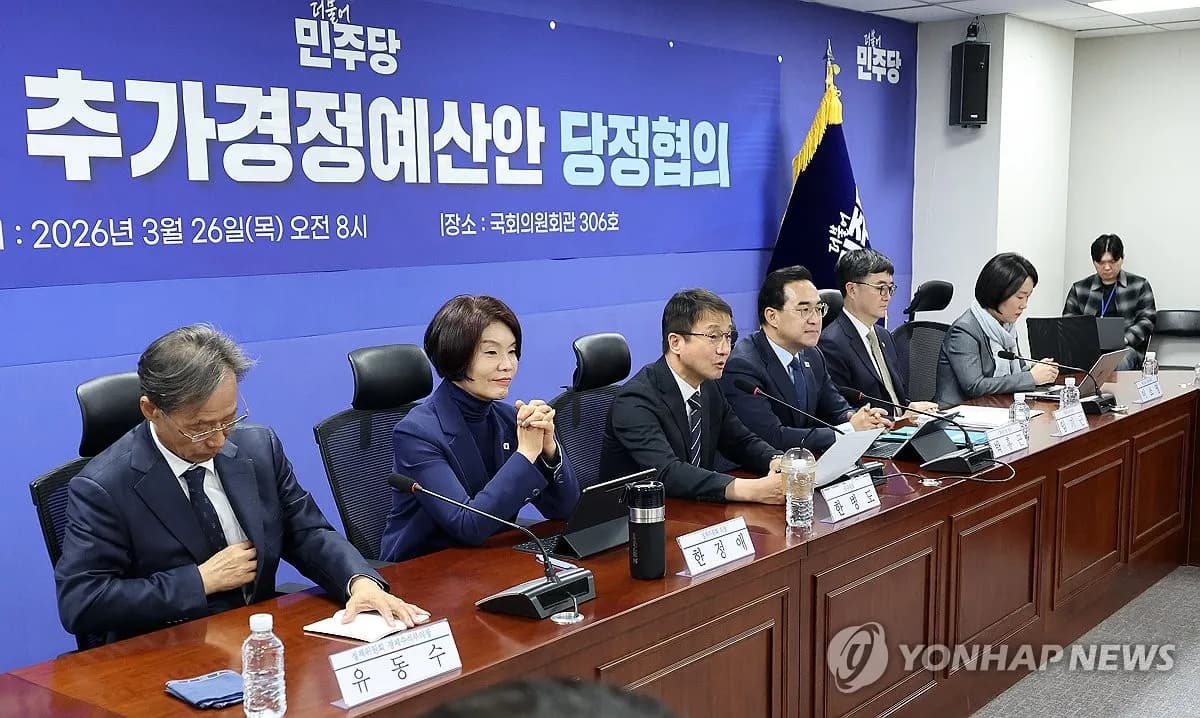
당정, 석유 최고가격제 손실 보전을 추경에 반영키로
당정이 석유 최고가격제 손실을 추경에 반영하기로 결정

6년 전 세 살 딸 살해한 30대 친모 구속송치
경찰, 6년 전 세 살 딸 살해 혐의 30대 친모를 구속송치

中企 수입 나프타의 80% 이상이 중동산…공급망 위기 심화
중소기업 수입 나프타의 80% 이상이 중동산으로 공급 의존도 높음

미·이란 긴장 한 달, 금융시장 요동…장기화 우려
미·이란 갈등으로 증시 변동성 확대, 코스피 6천 고지 후 등락

미·이란 전쟁 한 달, 미국 전문가 "종전·확전 기로"
미·이란 전쟁 1개월 도래, 종전·확전 기로 평가

미·이란 전쟁 1개월, 한국 안보·공급망 취약점 노출
미·이란 전쟁 장기화로 한국 안보·경제 취약점 노출