‘Mobile hard-line suppression’ traveling across the United States… Tracking Patterns of Border Patrol Violence
Investigative reporting revealed repeated excessive suppression of more than 25 identical agents in multiple cities.

- •Investigative reporting revealed that more than 25 Border Patrol agents were repeatedly active in several U.S. cities
- •Some agents were caught traveling from California to Chicago and were involved in multiple incidents of excessive force
- •The situation continues where it is virtually impossible to pursue responsibility due to wearing masks and not displaying identification numbers.
Border patrols appear in cities hundreds of kilometers from the border
In early January 2025, gardener Ernesto Campos was stopped by Border Patrol agents in Bakersfield, California. The problem is that Bakersfield is an inland city more than 386 km from the Mexican border.
At the time, agents had been dispatched to the scene as part of 'Operation Return to Sender'. The video shows an agent threatening to break the window of Campos' vehicle. According to Campos, agents slashed his tires and then arrested him and his passenger.
Ten months later, two of the same agents were caught on camera again in Chicago. This was the scene of another large-scale crackdown, this time named 'Operation Midway Blitz'.
The reality of repeated excessive suppression and shocking patterns
Video taken in Chicago shows that the agents' actions were not a one-off. One agent grabbed a man by the neck and, with the help of other agents, threw him to the floor. Another agent punched a man in the face and then pointed a gun at protesters in a Chicago suburb.
These clashes were not isolated incidents. An Illinois federal judge ruled in November that the use of force by federal agents in Chicago — including repeated use of tear gas and non-lethal weapons — was “a level that shocks the conscience.”
Investigative media Bellingcat, in collaboration with Evident Media and CalMatters, analyzed more than 85 hours of social media footage, body camera footage, court documents and incident reports. As a result, it was confirmed that more than 25 agents were active in more than one city. Identification was confirmed through facial recognition or matching badge numbers on vests and armbands.
Hidden identity, neutralized accountability
There are factors that make tracking difficult. Many agents wore masks, and badges or identification numbers were not always visible. This made public questioning and accountability for incidents of excessive repression virtually impossible.
“I’ve been talking to agents who have been in the field for eight months,” border officer Tom Horman told reporters in January. This suggests that the same agents participated in long-term crackdown operations traveling to various cities, including Los Angeles, Chicago, and Minneapolis.
Some of the agents identified by the Bellingcat analysis team went on patrol in the area without any incident, but other agents were caught using physical force on several occasions. The report focuses on five agents identified as having repeatedly used force in at least two cities.
Escalation of violence that gets worse over time
The analyzed video shows a steady intensification of violence and confrontational incidents as 2025 progresses. A pattern was identified, starting with inspections and arrests at the beginning of the year and leading to widespread incidents of excessive suppression towards the end of the year.
A restraining order issued by an Illinois judge was overturned on appeal earlier this month. But what happened on the streets of Chicago happened similarly elsewhere, and in some cases the same agents were involved.
Future outlook [AI analysis]
This investigative reporting highlights a new aspect of immigration enforcement in the United States - intensive crackdowns on inland cities hundreds of kilometers from the border and the use of 'mobile suppression teams'.
In the short term, as long as the Trump administration's hard-line immigration policy continues, these operations are likely to expand. However, repeated controversies over excessive repression and critical court rulings may trigger civil society and legal challenges.
In the mid- to long-term, the issue of concealment of agent identities is expected to emerge as a key issue. If criticism grows that wearing masks and not displaying identification numbers are used as a means of avoiding responsibility, this could lead to calls for transparency or discussions on legislation at the congressional level.
Interest from international human rights organizations is also expected. As patterns of use of physical force against immigrants in the United States are systematically documented, it is likely that this will be used as a basis for criticism of the United States' human rights record on the international stage in the future.
댓글 (2)
흥미로운 주제입니다. 주변에도 공유해야겠어요.
기사 잘 봤습니다. 다른 시각의 분석도 읽어보고 싶네요.
More in Special

How to avoid ICE agents checking your phone at the airport
주일 중국대사관 침입한 괴한, 자위대 현직 장교로 확인

New York City public hospital breaks up with Palantir... Ending controversy over commercialization of citizen health data
U.S. expands military operations in Latin America... ‘Operation total annihilation’ formalized

The Corsican Mafia Exposed: Breaking a Century of Silence
AI-Generated Fake Person Used to Sell Dubai Flight Seats
Latest News
아이티 갱단 폭력사태로 10개월간 5천명 이상 사망
아이티에서 지난 10개월간 갱단 폭력으로 5천명 이상 사망
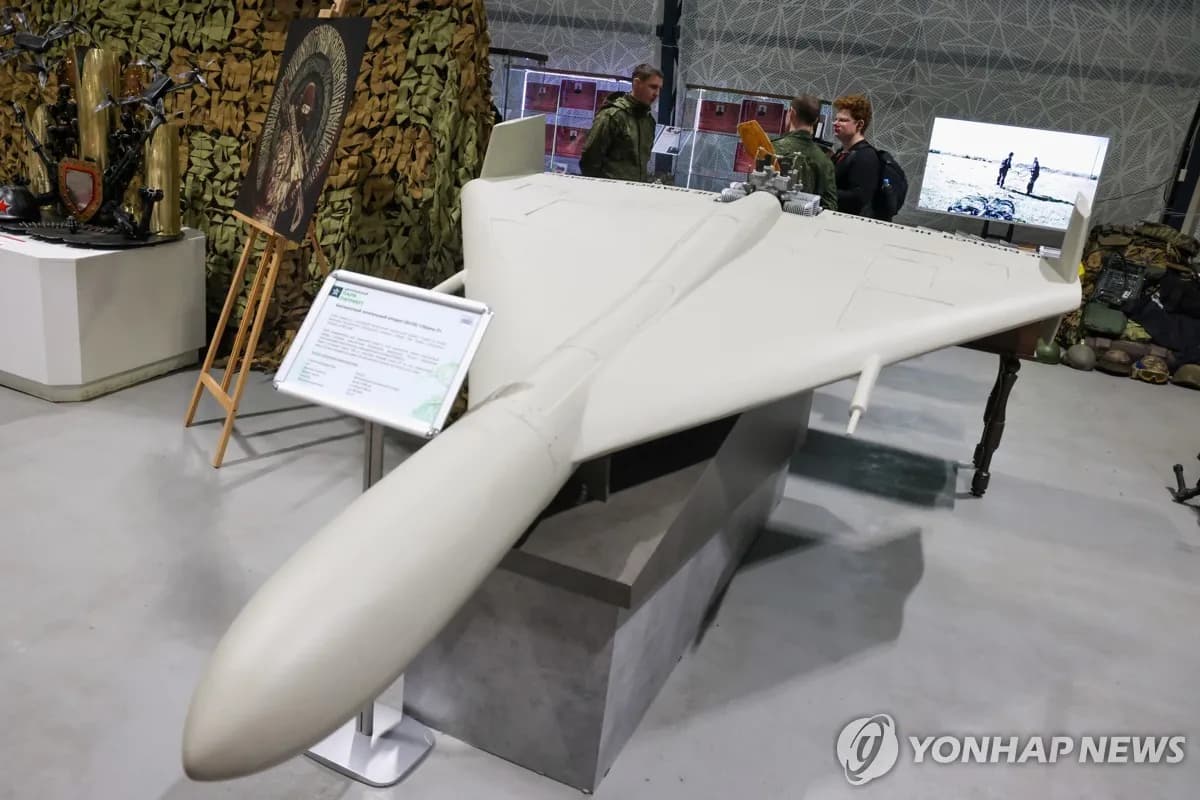
서방 정보당국 "러시아, 우크라이나 전쟁 후 이란에 드론·식량 공급"
서방 정보당국, 러시아의 이란 드론·식량 공급 작업 거의 완료 파악

6년 전 세 살 딸 살해한 30대 친모 구속송치
경찰, 6년 전 세 살 딸 살해 혐의 30대 친모를 구속송치

中企 수입 나프타의 80% 이상이 중동산…공급망 위기 심화
중소기업 수입 나프타의 80% 이상이 중동산으로 공급 의존도 높음

미·이란 긴장 한 달, 금융시장 요동…장기화 우려
미·이란 갈등으로 증시 변동성 확대, 코스피 6천 고지 후 등락

미·이란 전쟁 한 달, 미국 전문가 "종전·확전 기로"
미·이란 전쟁 1개월 도래, 종전·확전 기로 평가

미·이란 전쟁 1개월, 한국 안보·공급망 취약점 노출
미·이란 전쟁 장기화로 한국 안보·경제 취약점 노출

미·이란 군사작전 개시 1개월, 긴장 고조
미국·이스라엘 대이란 군사작전 개시 1개월 경과