Mirza Gadim Iravani: Azerbaijan Hosts Major Retrospective for 200th Birth Anniversary
33 works by 19th-century Iravan-born painter exhibited for first time, combining collections from Azerbaijan and Georgia
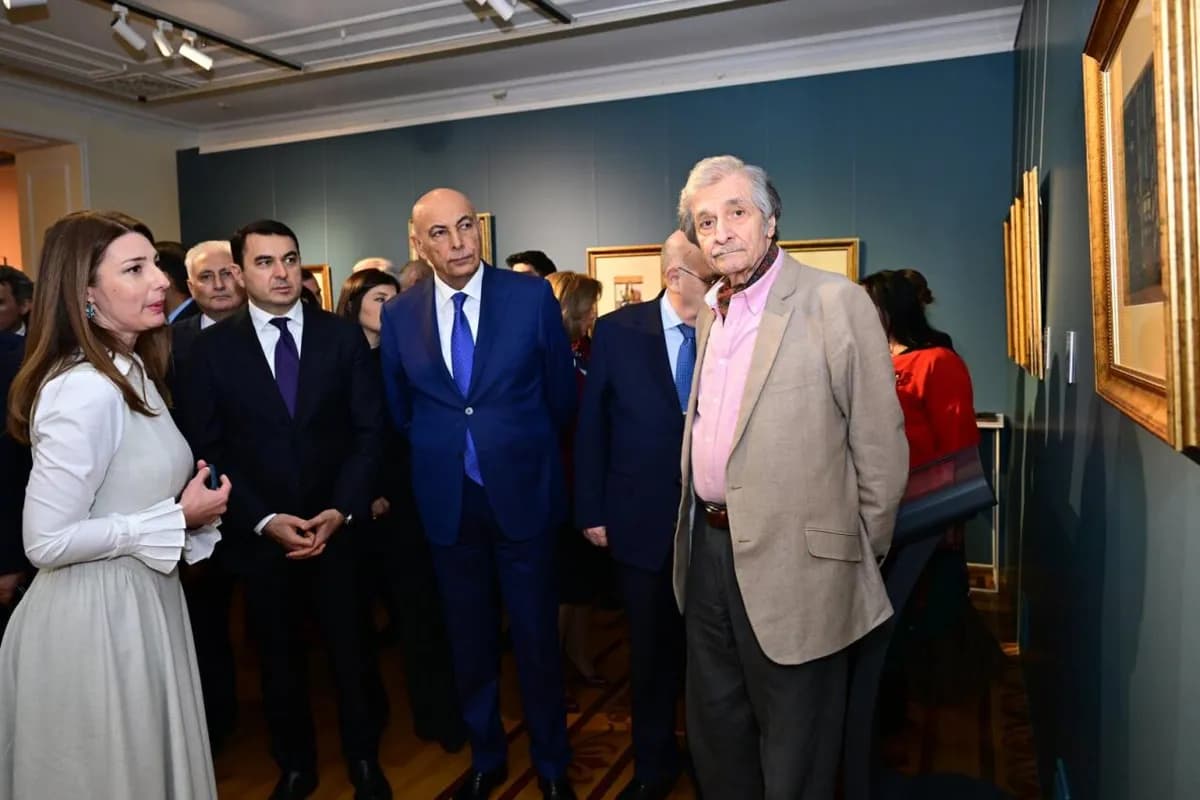
- •The Azerbaijan National Museum of Art opened a retrospective exhibition for the 200th birth anniversary of realist painting pioneer Mirza Gadim Iravani.
- •33 works from collections in Azerbaijan and Georgia were exhibited together for the first time, including newly attributed pieces.
- •Iravani, born in 19th-century Iravan, is being reevaluated as a painter who documented the region's changing culture through realist techniques.
Pioneer of Azerbaijani Realist Painting
On December 5, the Azerbaijan National Museum of Art opened a retrospective exhibition commemorating the 200th birth anniversary of Mirza Gadim Iravani (Mirzə Qədim İrəvani, 1825-1875). This event, organized at the national level under the direct instruction of President Ilham Aliyev, served as an occasion to reexamine the master who laid the foundation for Azerbaijani realist painting.
The opening ceremony was attended by Minister of Culture Adil Karimli, along with representatives from the Western Azerbaijan Community, Georgian National Museum, and Azerbaijan Artists' Union. The event also featured the launch of a research publication titled "Mirza Gadim Iravani: At the Crossroads of Eras."
Rediscovery After 200 Years: Collaboration with Georgia
The exhibition "Mirza Gadim Iravani: 200 Years of Artistic Chronicle" was organized through cooperation between the Azerbaijan National Museum of Art and the Georgian National Museum. The highlight of this exhibition is that 33 paintings and prints by Iravani from both countries' collections have been brought together for the first time.
Notably, the Georgian National Museum's collection includes the "Flowers and Nightingale" series, recently reattributed to Iravani through new research. This genre represents a classical theme in Persian-Caucasian art tradition, symbolizing love and spiritual longing, which Iravani is known to have reinterpreted through realist techniques.
An Artist Capturing Iravan's Cultural Memory
Mirza Gadim Iravani was a painter born and active in 19th-century Iravan (present-day Yerevan, capital of Armenia). At that time, Iravan was a cultural exchange hub in the Caucasus region, where Persian, Russian, and Turkic cultures intersected.
Iravani's works are valued as heritage that visually preserved the cultural identity of the region where he lived, beyond mere documentation. In his opening remarks, Minister Adil Karimli emphasized that "Iravani's works are not simply artworks but the cultural memory of our region itself," adding that "it is our duty to pass his legacy to the next generation and introduce it to the world."
Historical Context of 19th-Century Iravan
The 19th century, when Iravani was active, was a period of upheaval in the Caucasus region. After the Russo-Persian War of 1828, the Treaty of Turkmenchay led to Iravan's incorporation into the Russian Empire, resulting in political and cultural reorganization of the region.
During this process, many Azerbaijani residents migrated, and Iravani was a witness to these changes. His works contain a documentary consciousness of the changing urban landscape and disappearing traditional culture.
The newly published research book "Mirza Gadim Iravani: At the Crossroads of Eras" is richly illustrated with historical photographs and documentary materials of 19th-century Iravan, providing a multidimensional reconstruction of the city where he worked. Dr. Shirin Melikova, who oversaw the book's compilation, explained that they "compiled the most accurate and scholarly materials on Iravani's life and works."
Pioneer of Realist Painting
Iravani is called the founder of realist easel painting in Azerbaijani art history. Until the 19th century, art in this region was primarily centered on miniature painting and decorative arts, but Iravani adopted Western realist techniques to establish a distinctive style.
His works are held in major museums in Russia, Georgia, and Azerbaijan, and this exhibition also unveiled new attribution research results for these works. Dr. Telman Ibrahimov revealed that "some works were previously classified as by unknown artists, but recent research has confirmed them as Iravani's works."
Future Prospects [AI Analysis]
This exhibition and research publication are likely to mark a new turning point in 19th-century Caucasian art history research. In particular, the cross-border collaborative exhibition format with Georgia could serve as a model for future joint research on regional cultural heritage.
The Azerbaijani government's national-level reexamination of Iravani's legacy also aligns with an intention to emphasize cultural legitimacy regarding the historical Iravan region. Iravani's works are likely to be reevaluated in international art markets and academia, and are expected to play an important role in globalizing Azerbaijani art.
The exhibition continues at the Azerbaijan National Museum of Art, with possibilities being discussed for expansion into an international touring exhibition.
댓글 (4)
Mirza 관련 기사 잘 읽었습니다. 유익한 정보네요.
Gadim에 대해 더 알고 싶어졌습니다. 후속 기사 부탁드립니다.
그 부분은 저도 궁금했습니다.
흥미로운 주제입니다. 주변에도 공유해야겠어요.
More in Culture & Art
Government Provides 1 Billion Won in Emergency Disaster Funds for Daejeon Factory Fire Recovery

Existence Blooming Through Vulnerability: Massimo Lagrotteria Solo Exhibition

Milan Design Week 2026: Hotels Transform into Laboratories of Dreams
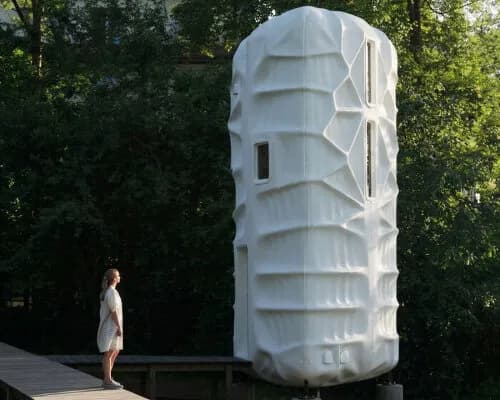
The Future of Living on the Moon, Mars, and Deep Sea: Houses Designed by Architects

15,000-Year-Old Clay Beads Made by Children Rewrite Prehistoric Art History

Reuters Reports Banksy's Identity Revealed, Reigniting Anonymity Debate
Latest News
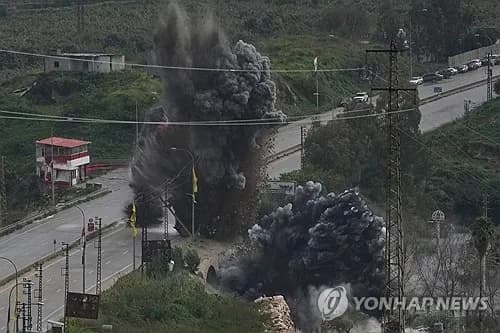
이스라엘, 헤즈볼라 무기 통로 레바논 다리 공습
이스라엘군, 헤즈볼라 무기 통로 레바논 다리 공습
중동행 전세기 전쟁보험료 최고 7천500만원
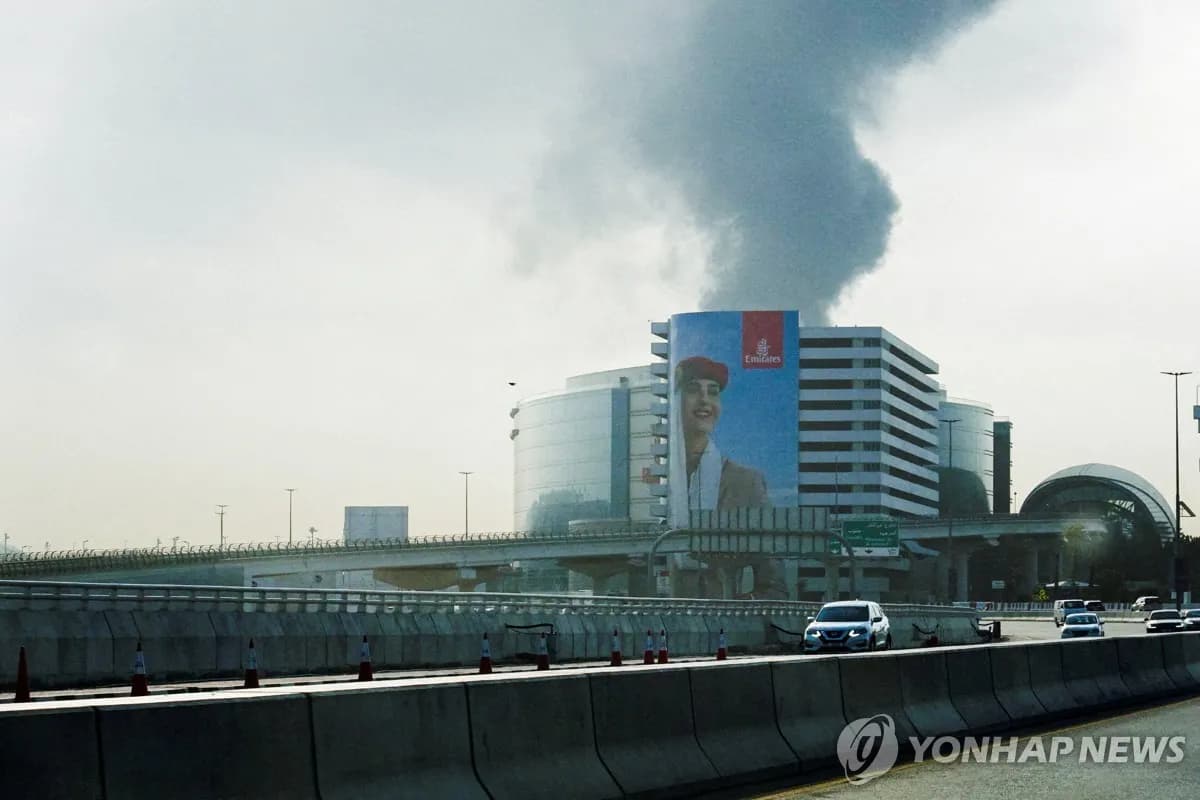
중동행 전세기 전쟁보험료가 최고 5만달러(7천500만원)로 상승
이란 탄도미사일, 이스라엘 방어망 뚫고 160명 부상
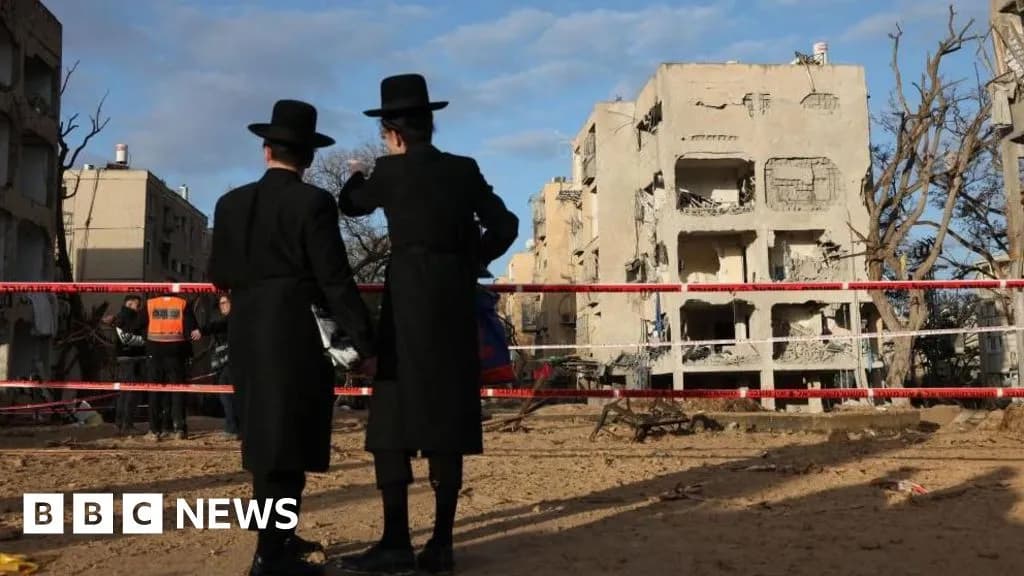
이란 탄도미사일이 이스라엘 방공망을 통과해 160명 부상

Middle East Conflict Drives Manufacturing Outlook to 10-Month Low
The Korea Institute for Industrial Economics & Trade survey shows April manufacturing outlook PSI plummeted to 88, falling below baseline for the first time in 10 months.

Lee Jae-myung Administration Excludes Multi-Home Officials from Real Estate Policymaking
President Lee Jae-myung has ordered the exclusion of multi-home owning public officials from all real estate policy processes.

Southeast Asia Growth Forecasts Cut Amid Oil Price Surge, Threatening Korean Exports
Maybank Research has downgraded ASEAN-6's 2026 growth forecast from 4.8% to 4.5%.

Volkswagen CEO Says Germany Should Learn from China's Industrial Strategy
Volkswagen CEO stated that Germany should learn from China's systematic industrial planning approach.

Reddit Considers Face ID to Block Bots While Maintaining Anonymity
Reddit is considering implementing biometric authentication systems such as Face ID and Touch ID to block AI bots while maintaining anonymity.