Venezuela's Notorious Political Prison to Be Transformed into Cultural Center
Acting President Delcy Rodríguez Announces Closure of El Helicoide Prison
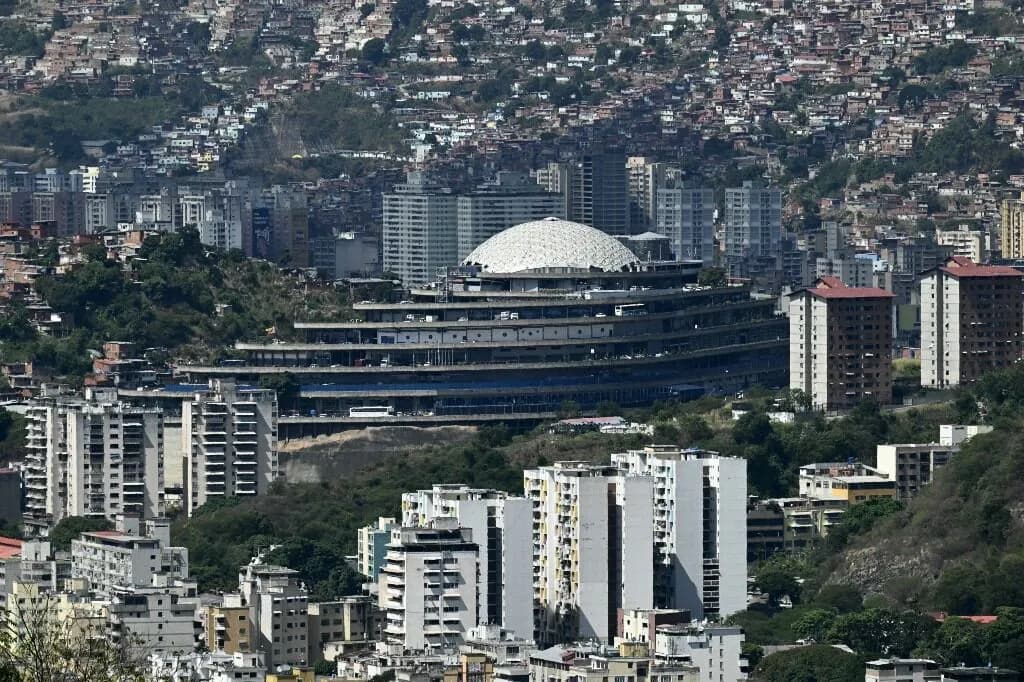
- •Venezuelan Acting President Delcy Rodríguez has announced the transformation of the notorious El Helicoide political prison into a cultural complex.
- •Originally designed as a futuristic shopping mall in the 1960s but never completed, the building became infamous as a political prison and torture facility, despite being an innovative architectural work featured in MoMA exhibitions.
- •Following the opening of the oil industry to private sector and the promulgation of an amnesty law, this decision is being evaluated as a measure symbolizing Venezuela's political and economic turning point.
From Symbol of Torture to Space of Hope
El Helicoide prison, towering in the heart of Venezuela's capital Caracas, is set to write a new chapter in its 60-year history. Acting President Delcy Rodríguez declared on January 31st, immediately after promulgating an amnesty law at the Supreme Court, that the prison would be converted into a social, sports, cultural, and commercial complex.
"We have decided to transform this building, currently used as a detention facility, into a multipurpose cultural center for police families and nearby residents," Rodríguez announced. As her statement concluded, families of political prisoners gathered outside the prison chanted "Freedom, freedom, freedom!"
The announcement came just hours after the government unveiled economic reforms opening the oil sector to private companies for the first time in 20 years. It is interpreted as a decision symbolizing Venezuela's political and economic turning point.
From Futuristic Shopping Mall to Symbol of Oppression
El Helicoide was originally designed for an entirely different purpose. In the early 1960s, during the Pérez Jiménez dictatorship, Venezuela was experiencing rapid economic growth from oil production. Born from this optimism was a futuristic shopping mall project designed to be "accessible only by car."
The building was originally planned to house hundreds of shops, eight movie theaters, a five-star hotel, an exclusive club, a convention center, and a helipad. Architects designed a dome structure that would reflect light to illuminate the entire city, and this innovative design attracted international attention.
The Museum of Modern Art (MoMA) in New York highlighted the building's architectural integrity in its 'Roads' exhibition, Chilean poet Pablo Neruda called it a "concrete rose," and Salvador Dalí even proposed interior decorations.
An Architectural Monument Turned Tool of Power
However, this ambitious project was never completed. Amid political upheaval, the building was used as a government office before ultimately being converted into a prison. It became particularly notorious as a political prison, symbolizing torture and human rights violations.
This state-run facility, which housed both common criminals and political prisoners, became a symbol of the Venezuelan government's oppressive policies and drew international condemnation. What once embodied hopes for the future had deteriorated into a space of suffering.
Future Outlook [AI Analysis]
The closure of El Helicoide prison is likely a signal of political thaw in Venezuela. The simultaneous opening of the oil industry and promulgation of an amnesty law demonstrate a willingness to improve relations with the international community.
However, whether these reforms will lead to substantive democratization remains uncertain. Past policy changes by the Venezuelan government have sometimes amounted to merely symbolic gestures. The actual conversion process of the prison facility and the scale of political prisoner releases will serve as indicators of the reform's genuine nature.
From an architectural perspective, it will be worth watching how this unique building is reborn. The challenge lies in preserving the innovative design that MoMA once recognized while determining how to commemorate its dark past. This attempt to transform a symbol of oppression into a space for citizens is likely to serve as a barometer for Venezuela's future.
댓글 (4)
기사 잘 봤습니다. 다른 시각의 분석도 읽어보고 싶네요.
흥미로운 주제입니다. 주변에도 공유해야겠어요.
그 부분은 저도 궁금했습니다.
Political 관련 기사 잘 읽었습니다. 유익한 정보네요.
More in Culture & Art
Government Provides 1 Billion Won in Emergency Disaster Funds for Daejeon Factory Fire Recovery

Existence Blooming Through Vulnerability: Massimo Lagrotteria Solo Exhibition

Milan Design Week 2026: Hotels Transform into Laboratories of Dreams
The Future of Living on the Moon, Mars, and Deep Sea: Houses Designed by Architects

15,000-Year-Old Clay Beads Made by Children Rewrite Prehistoric Art History

Reuters Reports Banksy's Identity Revealed, Reigniting Anonymity Debate
Latest News
이스라엘, 헤즈볼라 무기 통로 레바논 다리 공습
이스라엘군, 헤즈볼라 무기 통로 레바논 다리 공습
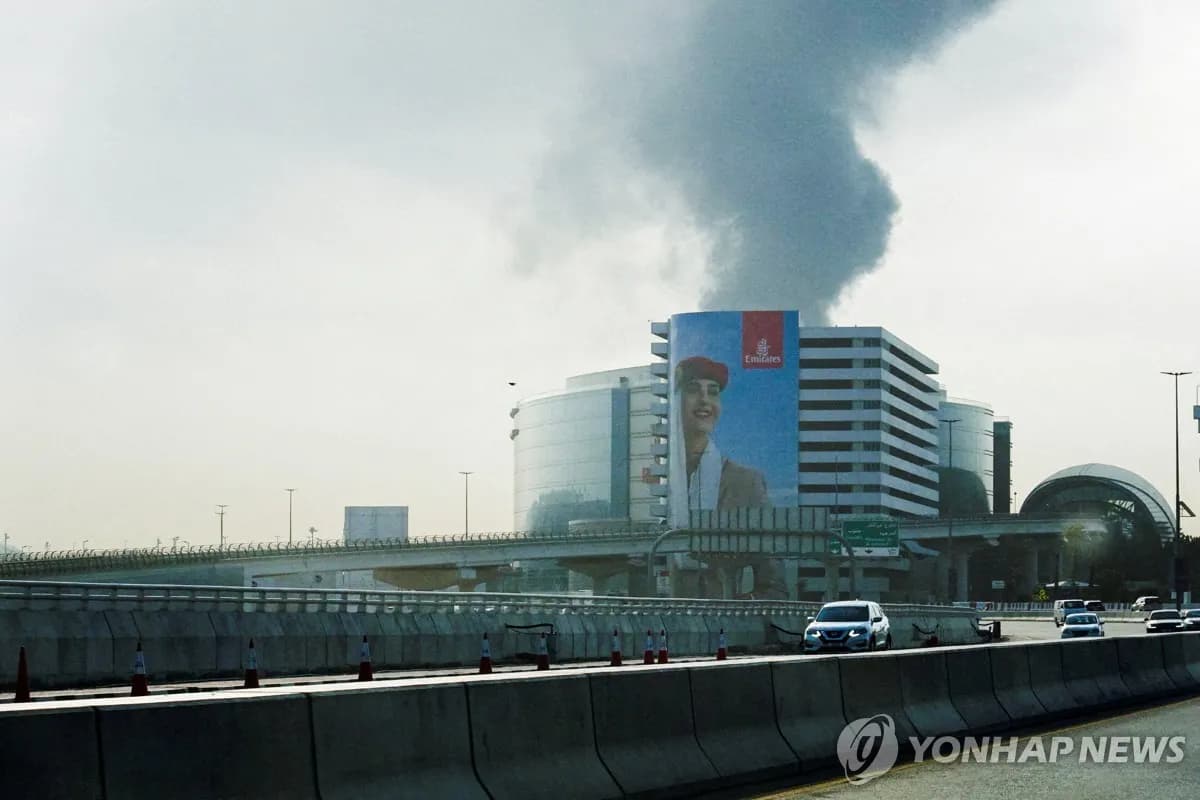
중동행 전세기 전쟁보험료 최고 7천500만원
중동행 전세기 전쟁보험료가 최고 5만달러(7천500만원)로 상승
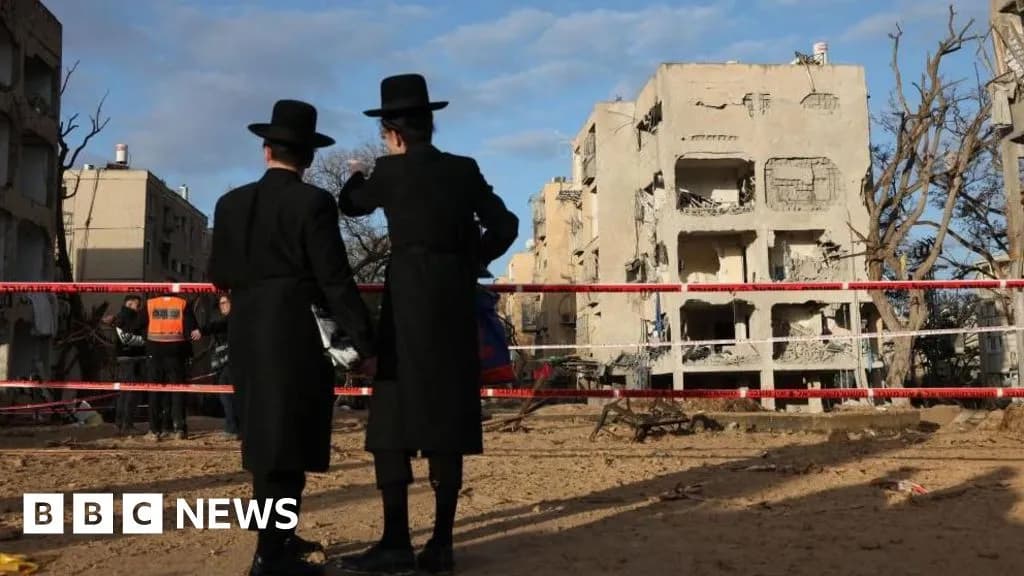
이란 탄도미사일, 이스라엘 방어망 뚫고 160명 부상
이란 탄도미사일이 이스라엘 방공망을 통과해 160명 부상
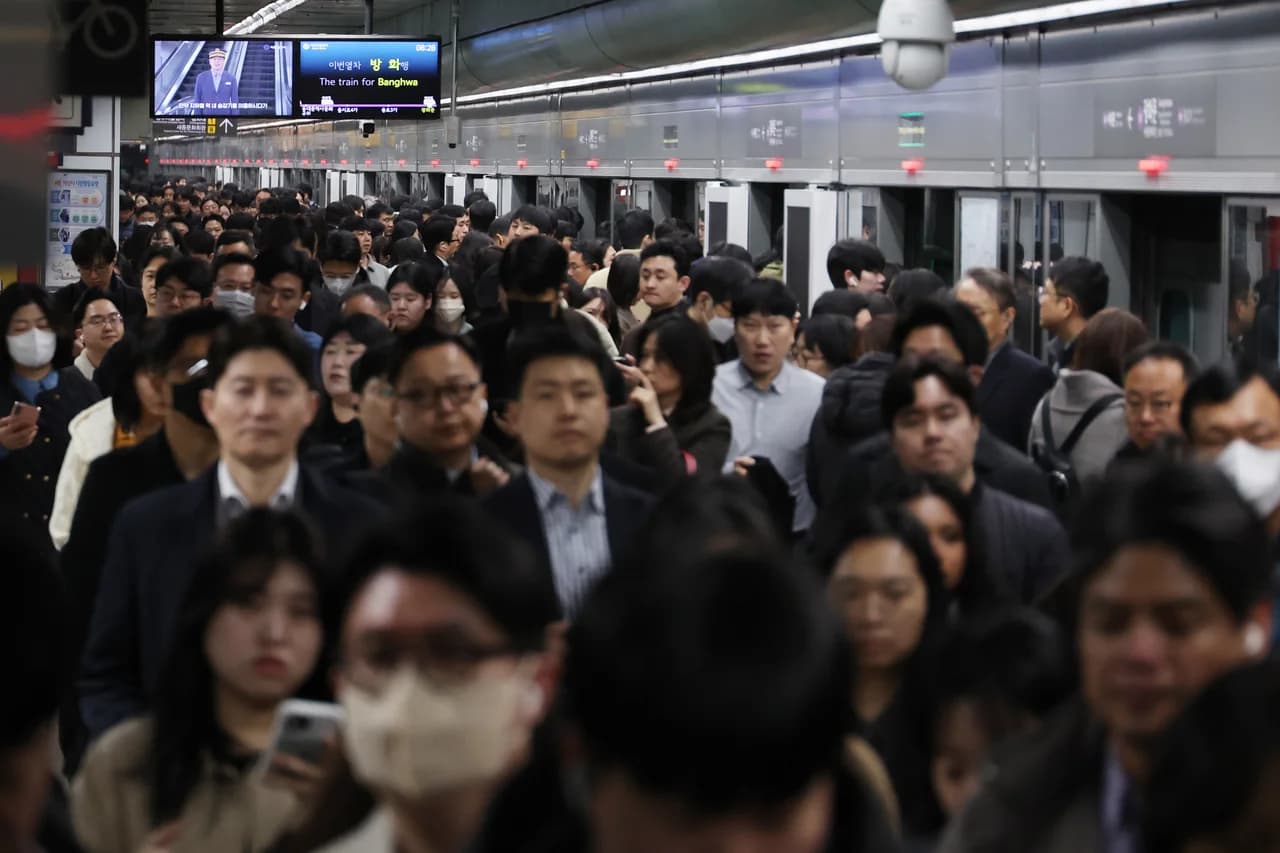
Middle East Conflict Drives Manufacturing Outlook to 10-Month Low
The Korea Institute for Industrial Economics & Trade survey shows April manufacturing outlook PSI plummeted to 88, falling below baseline for the first time in 10 months.

Lee Jae-myung Administration Excludes Multi-Home Officials from Real Estate Policymaking
President Lee Jae-myung has ordered the exclusion of multi-home owning public officials from all real estate policy processes.
Southeast Asia Growth Forecasts Cut Amid Oil Price Surge, Threatening Korean Exports
Maybank Research has downgraded ASEAN-6's 2026 growth forecast from 4.8% to 4.5%.

Volkswagen CEO Says Germany Should Learn from China's Industrial Strategy
Volkswagen CEO stated that Germany should learn from China's systematic industrial planning approach.

Reddit Considers Face ID to Block Bots While Maintaining Anonymity
Reddit is considering implementing biometric authentication systems such as Face ID and Touch ID to block AI bots while maintaining anonymity.