Venezuela's Central Bank Considers Adopting Cryptocurrency USDT
Attempting Exchange Rate Stabilization with Stablecoin... Response to Hyperinflation Amid Economic Crisis
- •Venezuela's Central Bank is considering using the stablecoin USDT as a means to stabilize exchange rates.
- •Proposals include receiving oil export payments in USDT and using it for corporate payments.
- •Amid hyperinflation making it difficult to purchase even basic hygiene products, cryptocurrency is emerging as an alternative.
Venezuela to Receive Oil Payments in USDT
Venezuela's Central Bank (BCV) is considering using the stablecoin USDT as a tool to stabilize the foreign exchange market. Cryptocurrency experts Aaron Olmos and Aníbal Garrido told local media that "the BCV could reduce exchange rate intervention through USDT."
Notably, there are discussions about receiving payments in USDT for oil exported to China. Companies are also expected to be able to receive payments in this stablecoin.
What is USDT?
USDT (Tether) is a stablecoin designed to maintain a 1:1 value with the US dollar. Unlike Bitcoin or Ethereum, it has virtually no price volatility and is called a 'digital dollar.'
Key features:
- Price Stability: 1 USDT = 1 USD fixed
- Fast Transfers: International transfers completed within minutes
- Low Fees: Cheaper than traditional bank transfers
- 24/7 Trading: Available regardless of weekends or holidays
Currently, USDT serves as the most widely used reserve currency on cryptocurrency exchanges. Investors convert their assets to USDT for protection during periods of high market volatility.
Why Did Venezuela Choose USDT?
Venezuela has experienced hyperinflation reaching thousands of percent annually over recent years. The value of its national currency, the bolivar, has essentially collapsed, and citizens are using dollars in their daily lives.
A Glimpse of Economic Reality
Natalia (pseudonym) from Caracas says, "Just buying shampoo, soap, toothpaste, and mouthwash costs $40-50 per month." Ten years ago, the cost for the same products was $300. Prices have soared but wages haven't kept pace, turning even basic hygiene products into luxury items.
According to a humanitarian logistics organization working with the UN, Caritas, and the Red Cross, a basic hygiene kit should include bath soap, toothbrush, deodorant, razor blades, shampoo, conditioner, toilet paper, and sanitary pads. However, many households cannot afford to purchase all these items.
Can Cryptocurrency Transform Venezuela's Economy? [AI Analysis]
If the BCV's adoption of USDT is realized, Venezuela could likely become the first case of a central bank officially adopting a stablecoin. This would demonstrate that cryptocurrency can establish itself as a payment method in the real economy, not just a speculative asset.
However, several risks exist:
- Regulatory Risk: Tether, the issuer of USDT, has been embroiled in controversies over reserve transparency multiple times
- Technology Infrastructure: The environment for the majority of citizens to use cryptocurrency wallets is not yet in place
- US Sanctions: Venezuela is under US economic sanctions, and the use of dollar-based stablecoins could be considered sanctions evasion
Nevertheless, USDT is one of the few alternatives available to Venezuela. It creates a channel for the market to secure dollar liquidity on its own without the central bank directly supplying foreign exchange. If successful, other countries facing economic crises are likely to consider similar models.
댓글 (4)
Venezuela 상황이 심각하네요. 서민들 피해가 걱정됩니다.
걱정이 많이 되네요. 좋은 지적입니다.
Central 문제가 장기화되면 어떻게 될지 우려됩니다.
경제 상황이 좋지 않은데, 정부의 대응이 아쉽습니다.
More in Economy
Middle East Conflict Drives Manufacturing Outlook to 10-Month Low

Lee Jae-myung Administration Excludes Multi-Home Officials from Real Estate Policymaking
Volkswagen CEO Says Germany Should Learn from China's Industrial Strategy

Russia Anticipates Economic Gains from US-Iran Conflict
U.S. Federal Reserve Unveils Bank Capital Regulation Modernization Plan
Federal Reserve Announces Enforcement Actions Against Two Former Bank Employees
Latest News
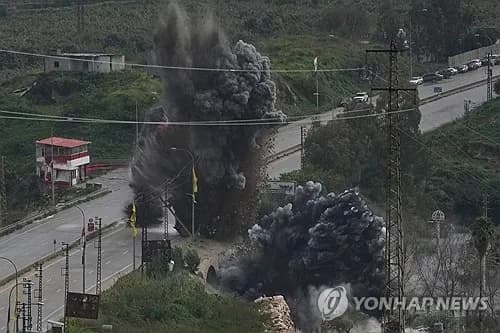
이스라엘, 헤즈볼라 무기 통로 레바논 다리 공습
이스라엘군, 헤즈볼라 무기 통로 레바논 다리 공습
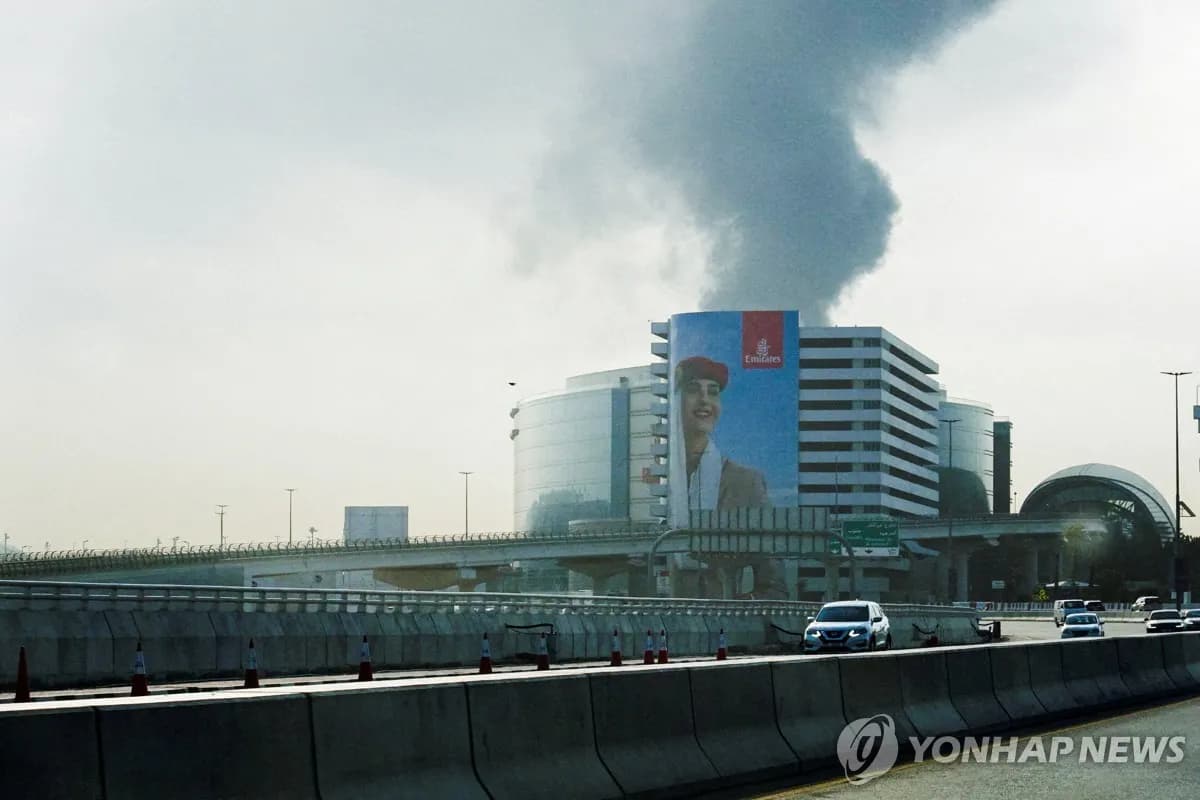
중동행 전세기 전쟁보험료 최고 7천500만원
중동행 전세기 전쟁보험료가 최고 5만달러(7천500만원)로 상승
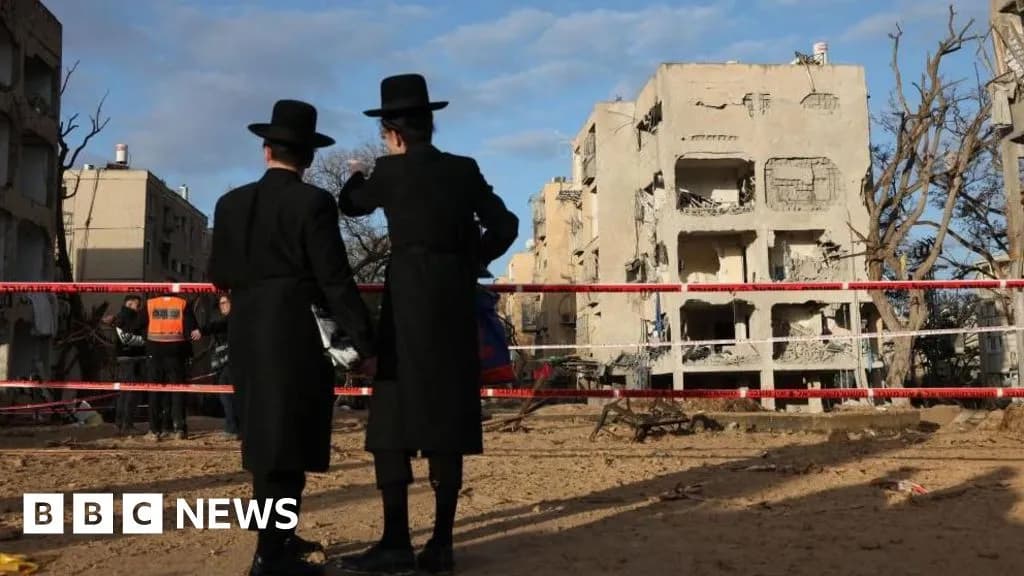
이란 탄도미사일, 이스라엘 방어망 뚫고 160명 부상
이란 탄도미사일이 이스라엘 방공망을 통과해 160명 부상
Southeast Asia Growth Forecasts Cut Amid Oil Price Surge, Threatening Korean Exports
Maybank Research has downgraded ASEAN-6's 2026 growth forecast from 4.8% to 4.5%.

Reddit Considers Face ID to Block Bots While Maintaining Anonymity
Reddit is considering implementing biometric authentication systems such as Face ID and Touch ID to block AI bots while maintaining anonymity.

BTS Tops March Artist Brand Reputation Rankings with First Full Group Comeback in 4 Years
BTS ranked first in the Korean Corporate Reputation Research Institute's March Artist Brand Reputation Rankings based on 99 million data points.
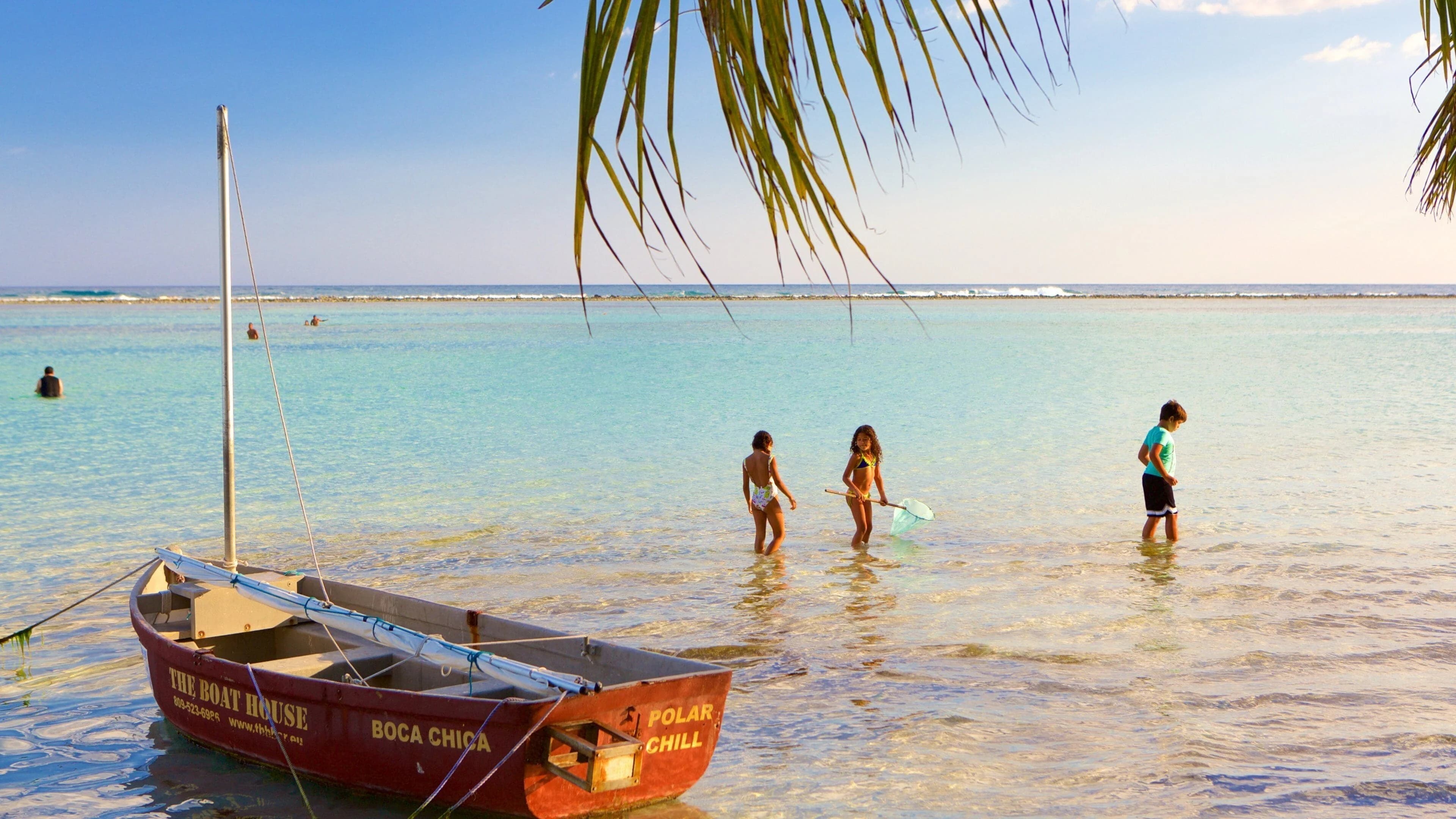
Santo Domingo's Malecón Sports Park Construction Progressing Smoothly
Construction of a soccer field and skate park is progressing smoothly in the Malecón area of Santo Domingo, Dominican Republic.

Pogačar Overcomes Crash to Win Milano-Sanremo, Achieves Four Monument Victories
Tadej Pogačar defeated Tom Pidcock to win Milano-Sanremo, achieving his fourth Monument victory.