Beirut Explosion Anniversary: 3,000 Injured Abandoned by Lebanese Government
Israeli Pager Attack Blinds 300… State Provides Emergency Aid Then Walks Away
- •On September 17, 2024, Israel's pager explosion attack in Lebanon killed 20 people and injured over 3,000, with approximately 300 left blind.
- •The Lebanese government essentially abandoned long-term care to Hezbollah-affiliated medical institutions after providing emergency treatment, establishing no victim support system whatsoever.
- •Due to sectarian political structures and economic crisis, systematic state-level support appears unlikely, forcing victims to depend long-term on partisan-based welfare systems.
Blood on the Streets, People Left Behind
September 17, 2025. Blood flowed through the streets of Beirut, Lebanon. Pagers exploded simultaneously across the city, killing at least 20 people and injuring over 3,000. This attack, carried out by Israel targeting Hezbollah, was not a simple military operation. It was deliberate terrorism designed to paralyze civilian society as a whole.
One year later, Lebanese media outlet Al-Manar reflected on the incident under the headline "A National Disgrace of Negligence." While the Lebanese government quickly activated emergency medical systems during the explosions, long-term treatment and rehabilitation of the injured have been essentially dumped onto Hezbollah-affiliated medical institutions.
Unprecedented Attack, Unprecedented Injuries
The characteristic of this attack was its focus on maiming rather than killing. War surgeon Ghassan Abu Sitta analyzed: "Israel chose to destroy lives instead of ending them." In reality, approximately 300 of the injured were blinded, including 11 women and 7 children. Hundreds lost their hands or arms.
Immediately after the explosions, Lebanon's Ministry of Health performed over 500 emergency surgeries. Even urologists and cardiac surgeons were mobilized to stop bleeding and close wounds. However, once the emergency phase ended, so did government support. Patients requiring long-term care had no choice but to depend on private organizations like Hezbollah's 'Foundation for the Wounded' and 'Islamic Health Organization.'
Abandoned Victims
The Lebanese government announced a 'Long-term Treatment Program' on September 27, ten days after the explosions, led by the Ministry of Health and Beirut Medical Association. They opened dedicated clinics at Rafik Hariri National Hospital and Baabda National Hospital, and established committees of ophthalmology and plastic surgery specialists.
However, actual operations were limited. Most patients were still treated the same as general patients, bearing the full burden of treatment costs themselves. While some major university hospitals upheld humanitarian principles, systematic state-level support was absent.
Al-Manar criticized: "Even though hundreds lost their eyes and hands, the state dumped patients onto their community organizations after emergency management. This is neither exceptional nor new, but it represents the most blatant abandonment for a response to an unprecedented crime."
Structural Limitations of Lebanon's Healthcare System
This incident revealed Lebanon's deep political and social divisions. Since the 2019 economic crisis, the Lebanese government has been unable to provide even basic public services. Most infrastructure including electricity, water, and healthcare depends on sectarian and political party organizations.
Hezbollah has built an independent healthcare and welfare system centered on the Shia community. Most victims of this pager attack are receiving treatment and rehabilitation within this system. However, a structure where political party organizations rather than the state take responsibility for mass terror victims is fundamentally unsustainable.
Lebanon's Ministry of Health has still not issued an official comprehensive report or long-term support plan for this incident. Basic administrative procedures such as victim registration, disability classification, and compensation systems have not been established.
Future Outlook [AI Analysis]
As long as Lebanon's political paralysis continues, systematic state-level support for victims is likely to remain difficult. Under the current sectarian political structure, allocating state budget for Hezbollah supporters is a politically sensitive matter.
International humanitarian aid could be an alternative, but international assistance to Lebanon has already decreased significantly since 2019. Furthermore, given that this incident is part of the Israel-Hezbollah conflict, active intervention by Western countries will inevitably be limited.
Ultimately, hundreds of blinded individuals and thousands of disabled people will likely depend long-term on sectarian-based welfare systems. This will further deepen divisions in Lebanese society while potentially leading to additional weakening of state functions.
Meanwhile, concerns have been raised that this attack method could set a precedent for a new form of warfare weaponizing civilian communication devices in future conflicts. While clearly a war crime under international law, practical punishment or deterrence mechanisms are absent.
댓글 (3)
너무 슬픈 소식이네요. 피해자 분들과 가족에게 위로를 보냅니다.
같은 마음입니다. 정말 안타깝습니다.
Explosion 소식 정말 안타깝습니다. 유가족분들께 깊은 위로를 전합니다.
More in Special
The Corsican Mafia Exposed: Breaking a Century of Silence
AI-Generated Fake Person Used to Sell Dubai Flight Seats

Facebook Groups Traded Endangered Species Using Code Language — Indonesian Broker Network Exposed
G6 Alliance Declares Support for Hormuz Strait Security... Reverses Stance Under Trump Pressure
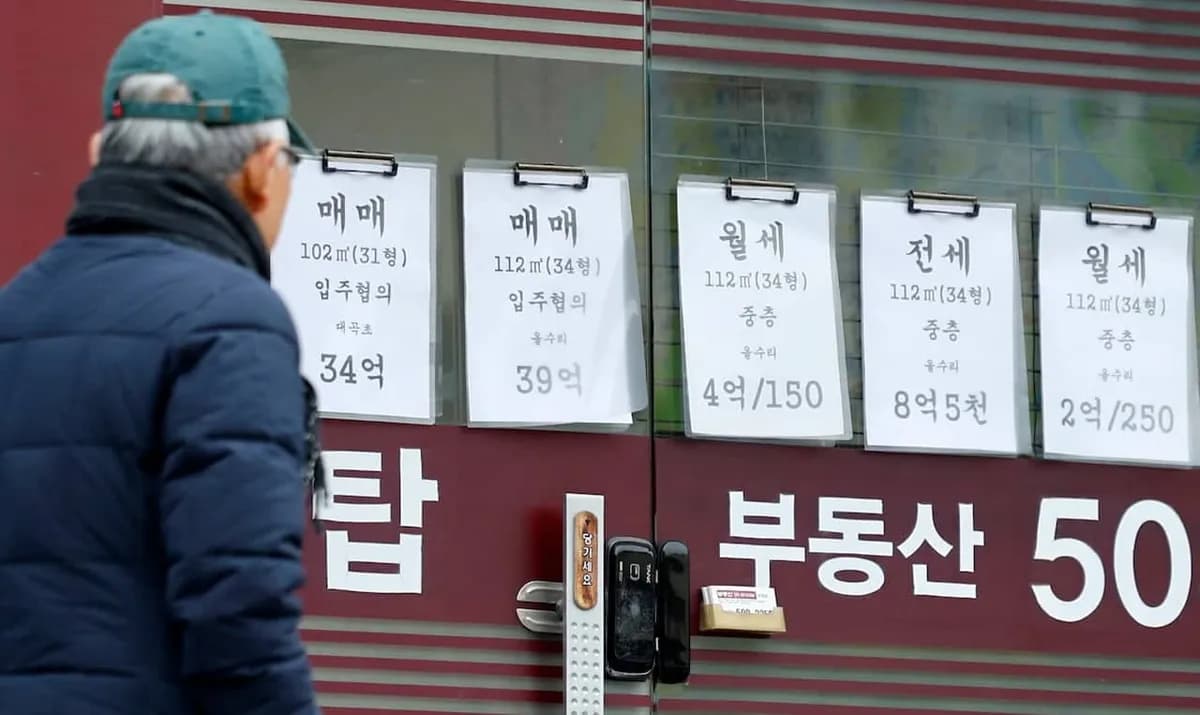
Seoul's Average Monthly Rent Surpasses 1.51 Million Won as Soaring Official Property Prices Trigger 'Housing Cost Bomb'

Rihanna Tops Spotify Without New Album for 10 Years, Proving Power of Catalog
Latest News
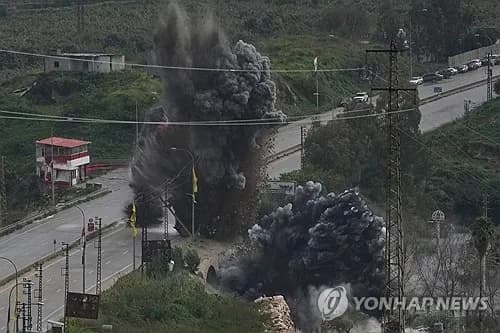
이스라엘, 헤즈볼라 무기 통로 레바논 다리 공습
이스라엘군, 헤즈볼라 무기 통로 레바논 다리 공습
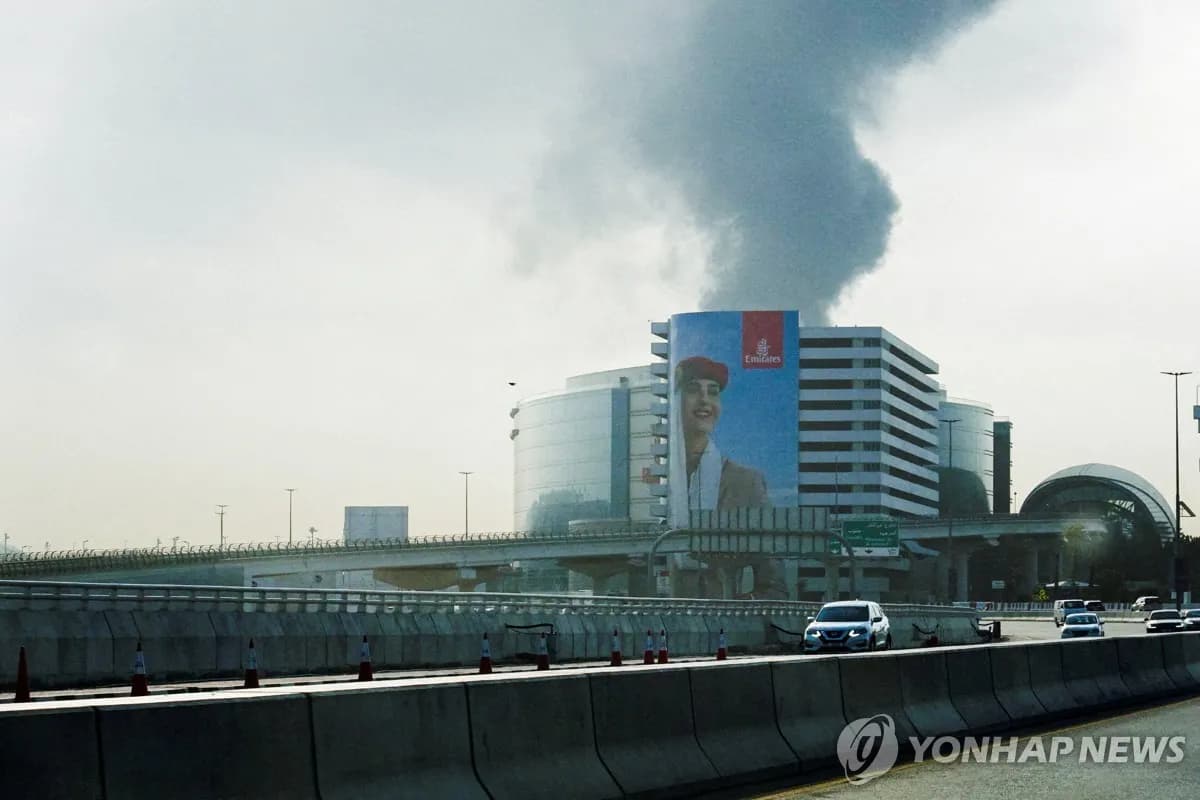
중동행 전세기 전쟁보험료 최고 7천500만원
중동행 전세기 전쟁보험료가 최고 5만달러(7천500만원)로 상승
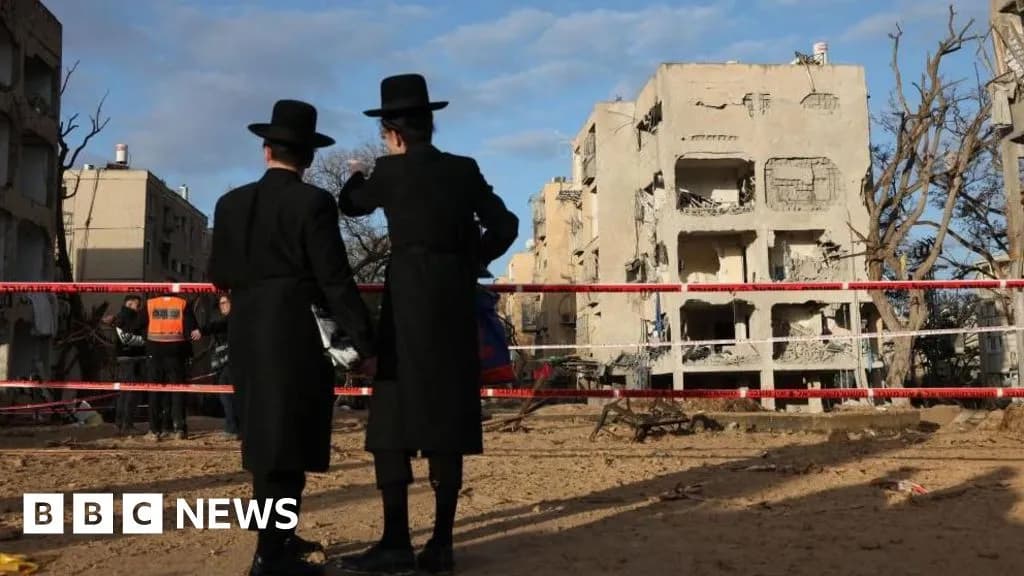
이란 탄도미사일, 이스라엘 방어망 뚫고 160명 부상
이란 탄도미사일이 이스라엘 방공망을 통과해 160명 부상
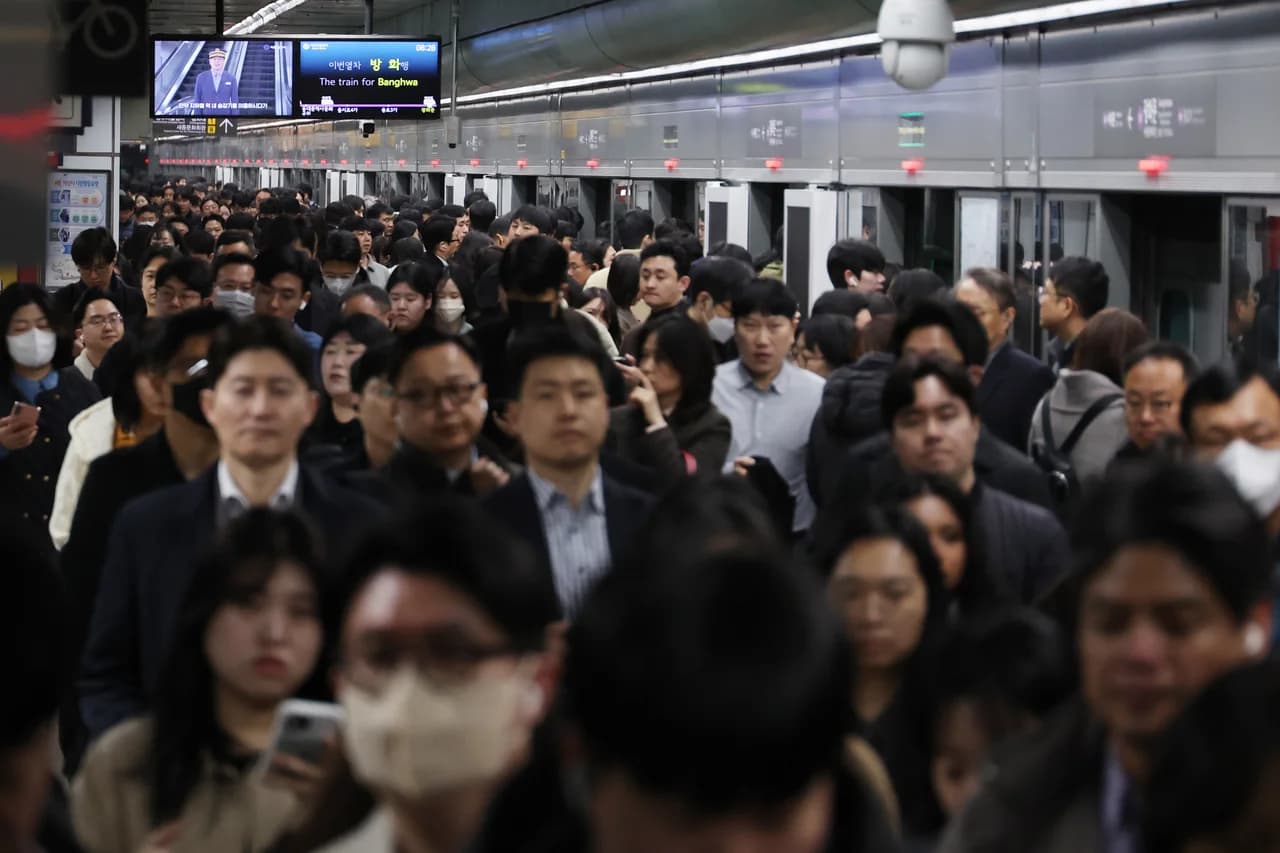
Middle East Conflict Drives Manufacturing Outlook to 10-Month Low
The Korea Institute for Industrial Economics & Trade survey shows April manufacturing outlook PSI plummeted to 88, falling below baseline for the first time in 10 months.

Lee Jae-myung Administration Excludes Multi-Home Officials from Real Estate Policymaking
President Lee Jae-myung has ordered the exclusion of multi-home owning public officials from all real estate policy processes.

Southeast Asia Growth Forecasts Cut Amid Oil Price Surge, Threatening Korean Exports
Maybank Research has downgraded ASEAN-6's 2026 growth forecast from 4.8% to 4.5%.

Volkswagen CEO Says Germany Should Learn from China's Industrial Strategy
Volkswagen CEO stated that Germany should learn from China's systematic industrial planning approach.

Reddit Considers Face ID to Block Bots While Maintaining Anonymity
Reddit is considering implementing biometric authentication systems such as Face ID and Touch ID to block AI bots while maintaining anonymity.