Bogotá Approves $11 Billion Budget for 2026 Infrastructure Expansion
4.5% increase from previous year, debt servicing burden also grows
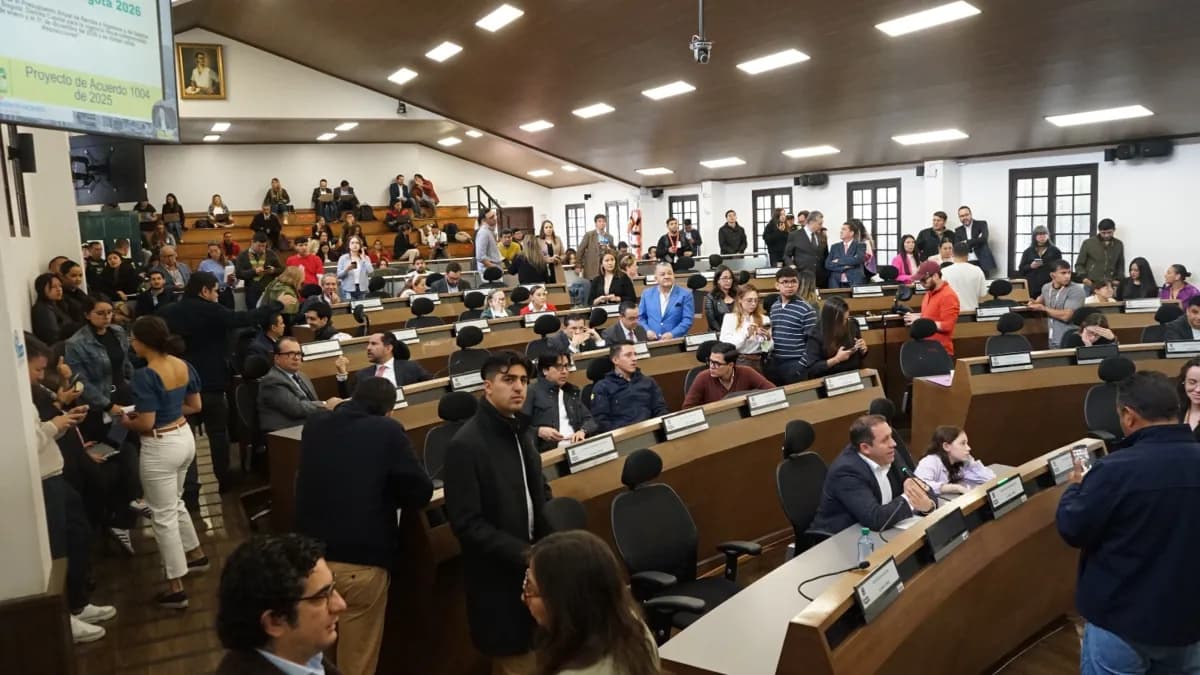
- •Bogotá City Council approved a 40.4 trillion peso budget for 2026.
- •80.6% of the total budget has been allocated to infrastructure investment.
- •Debt servicing costs increased to 6.4%, raising fiscal burden concerns.
Ambitious Fiscal Plan for Colombia's Capital
The Bogotá City Council has granted final approval for a 40.4 trillion peso (approximately $11 billion USD) budget for 2026. This budget, which represents a 4.5% increase from the previous year, will focus investment on infrastructure construction while implementing austerity measures in certain sectors.
The budget passed through both the Finance Committee's primary review and the plenary session's secondary review, representing an increase of 1.82 trillion pesos over the previous year. City authorities plan to use these funds to advance key projects in their urban development plan.
Light and Shadow in Budget Allocation
80.6% of the total budget, amounting to 32.5 trillion pesos, has been allocated to investment sectors. This represents a 3.1% increase from the previous year, demonstrating that Bogotá has made infrastructure development its top priority.
Meanwhile, operating expenses account for 5.2 trillion pesos, representing 13% of the total. Particularly noteworthy is that debt servicing costs have been set at 2.5 trillion pesos (6.4%). This suggests that aggressive borrowing policies for urban development are creating a fiscal burden.
City authorities plan to secure funding through increased tax revenue, but budget cuts in some sectors appear inevitable. The challenge lies in finding balance between infrastructure investment expansion and fiscal soundness.
Infrastructure-Centered Development Strategy
Bogotá has concentrated budget allocation on transportation, public facilities, and urban regeneration projects. This is part of a long-term strategy to address infrastructure shortages, a challenge commonly faced by major Latin American cities.
However, with the growing debt servicing burden, concerns have been raised about potential constraints on future fiscal flexibility. Some members of the city council have voiced concerns about excessive borrowing.
댓글 (3)
기사 잘 봤습니다. 다른 시각의 분석도 읽어보고 싶네요.
Approves 관련 기사 잘 읽었습니다. 유익한 정보네요.
공감합니다. 참고하겠습니다.
More in Life

Beyond Vaccines: Refusal of Newborn Vitamin K Shots Spreads

NASA Restores Historic 80-Year-Old 'Hangar One' at Ames Research Center

NASA X-59 Supersonic Experimental Aircraft Completes Second Test Flight Successfully

Australian Researchers Develop World's First Quantum Battery Prototype

The Ocean Was the True Driver of 3 Million Years of Climate Change

Heat Waves to Cause 700,000 Premature Deaths by 2050… Climate Crisis Undermines Exercise Habits
Latest News

이스라엘, 헤즈볼라 무기 통로 레바논 다리 공습
이스라엘군, 헤즈볼라 무기 통로 레바논 다리 공습

중동행 전세기 전쟁보험료 최고 7천500만원
중동행 전세기 전쟁보험료가 최고 5만달러(7천500만원)로 상승

이란 탄도미사일, 이스라엘 방어망 뚫고 160명 부상
이란 탄도미사일이 이스라엘 방공망을 통과해 160명 부상

Middle East Conflict Drives Manufacturing Outlook to 10-Month Low
The Korea Institute for Industrial Economics & Trade survey shows April manufacturing outlook PSI plummeted to 88, falling below baseline for the first time in 10 months.

Lee Jae-myung Administration Excludes Multi-Home Officials from Real Estate Policymaking
President Lee Jae-myung has ordered the exclusion of multi-home owning public officials from all real estate policy processes.

Southeast Asia Growth Forecasts Cut Amid Oil Price Surge, Threatening Korean Exports
Maybank Research has downgraded ASEAN-6's 2026 growth forecast from 4.8% to 4.5%.

Volkswagen CEO Says Germany Should Learn from China's Industrial Strategy
Volkswagen CEO stated that Germany should learn from China's systematic industrial planning approach.

Reddit Considers Face ID to Block Bots While Maintaining Anonymity
Reddit is considering implementing biometric authentication systems such as Face ID and Touch ID to block AI bots while maintaining anonymity.