Brazilian Supreme Court Considers Transferring Master Bank Investigation
Chief Justice Fachin Expresses Skepticism About Internal Handling
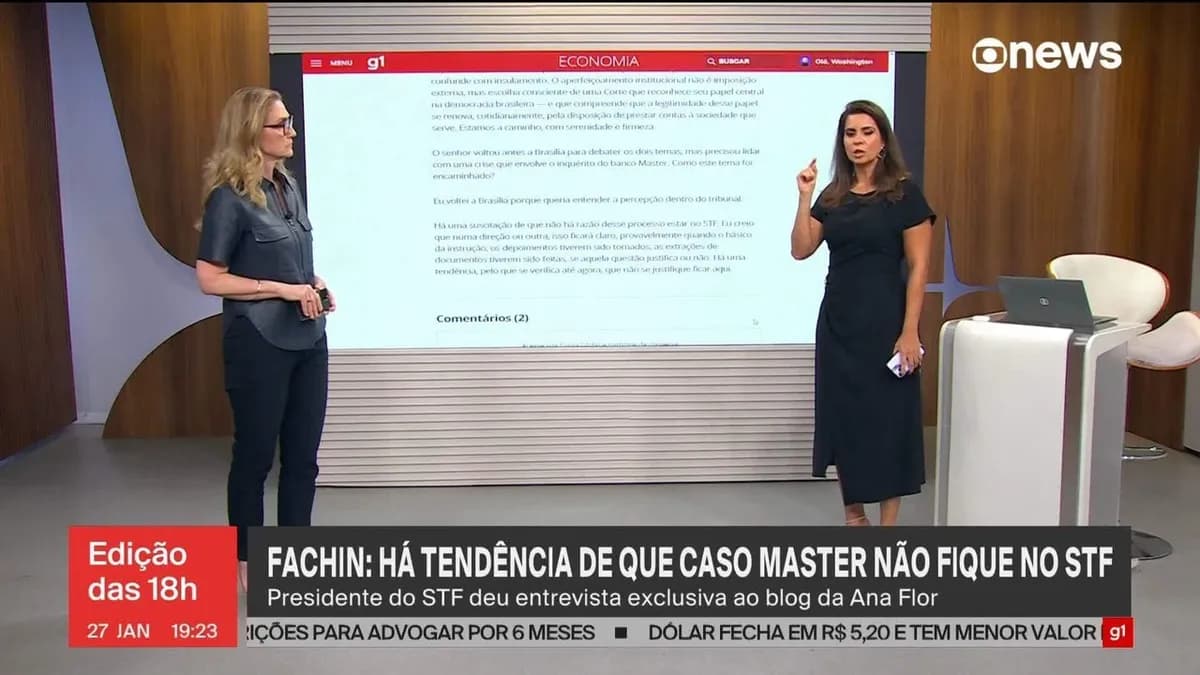
- •Brazil's Supreme Court is considering transferring the Master Bank investigation outside the court.
- •Chief Justice Fachin is pushing to establish a code of conduct before the October general election.
- •Unusual procedures by the investigating justice have led to a loss of confidence in the judiciary.
Center of Judicial Self-Regulation Controversy
Brazil's Federal Supreme Court (STF) is reconsidering the internal handling of the Master Bank investigation. Chief Justice Edson Fachin stated in an exclusive interview on the 27th that "the Master Bank investigation currently being handled by Justice Dias Toffoli is unlikely to remain within the Supreme Court."
Chief Justice Fachin has been conducting intensive consultations with fellow justices in recent days as controversy surrounding the Master Bank investigation has escalated. He acknowledged the severity of the situation, stating that he is "discussing measures to address the damage to the Supreme Court's image."
Questions Raised About Investigation Procedures
The investigative methods employed by Justice Toffoli, who is handling the Master Bank case, are at the heart of the controversy. Legal circles have assessed his actions as "pouco usuais" (unusual), leading to doubts about the fairness of the Supreme Court's case handling.
Alongside the possibility of transferring the case, Chief Justice Fachin is also pushing for the establishment of a code of conduct for the Supreme Court. He expressed his commitment to institutional improvement, stating that "it would be desirable to finalize deliberations on the code of conduct before the October general election."
Discussion on Strengthening Judicial Transparency
Chief Justice Fachin explained that establishing a Supreme Court code of conduct is "a natural step in institutional development." He emphasized that "given the Supreme Court's central position in Brazil's constitutional system, it is essential to establish clear standards for transparency, integrity, and restraint."
There is some opposition to establishing the code of conduct. The main counterarguments fall into two categories:
Political Timing Concerns Some argue that discussing a code of conduct ahead of the general election is politically sensitive.
Existing Regulations Sufficient Others contend that current laws and regulations are adequate.
Chief Justice Fachin countered these arguments, stating that "there is no 'ideal time' to discuss institutional restraint" and that "when specific problems arise, the need for clear standards becomes even more apparent."
The Journey of Institutional Reform Through Precedent
Establishing a Supreme Court code of conduct is a complex process internationally as well. Chief Justice Fachin referenced the case of Germany's Federal Constitutional Court. According to former President Andreas Voßkuhle, similar discussions in Germany took approximately a year and a half to reach final approval.
Chief Justice Fachin stated that "profound institutional change does not happen overnight" and that "resistance and skepticism are natural elements of this deliberative process, not insurmountable obstacles."
The Challenge of Restoring Judicial Trust [AI Analysis]
The consideration of transferring the Master Bank investigation and the discussion of establishing a code of conduct can be seen as the Brazilian judiciary's attempt to simultaneously address two challenges: self-regulatory capacity and enhanced transparency.
Chief Justice Fachin's desire to establish the code of conduct before the general election can be interpreted as a strategic decision to prevent controversies over political neutrality. However, considering differences of opinion among justices and conservative positions on institutional change, difficulties in reaching a swift consensus are anticipated.
Internationally, judicial codes of conduct are recognized as essential for ensuring the appearance of impartiality. As Chief Justice Fachin emphasized, "the appearance of fairness is as important as fairness itself." It remains to be seen whether the Brazilian Supreme Court can achieve institutional improvements through this controversy.
댓글 (4)
기사 잘 봤습니다. 다른 시각의 분석도 읽어보고 싶네요.
간결하면서도 핵심을 잘 정리한 기사네요.
좋은 의견이십니다.
Court에 대해 더 알고 싶어졌습니다. 후속 기사 부탁드립니다.
More in Special

The Corsican Mafia Exposed: Breaking a Century of Silence

AI-Generated Fake Person Used to Sell Dubai Flight Seats

Facebook Groups Traded Endangered Species Using Code Language — Indonesian Broker Network Exposed

G6 Alliance Declares Support for Hormuz Strait Security... Reverses Stance Under Trump Pressure
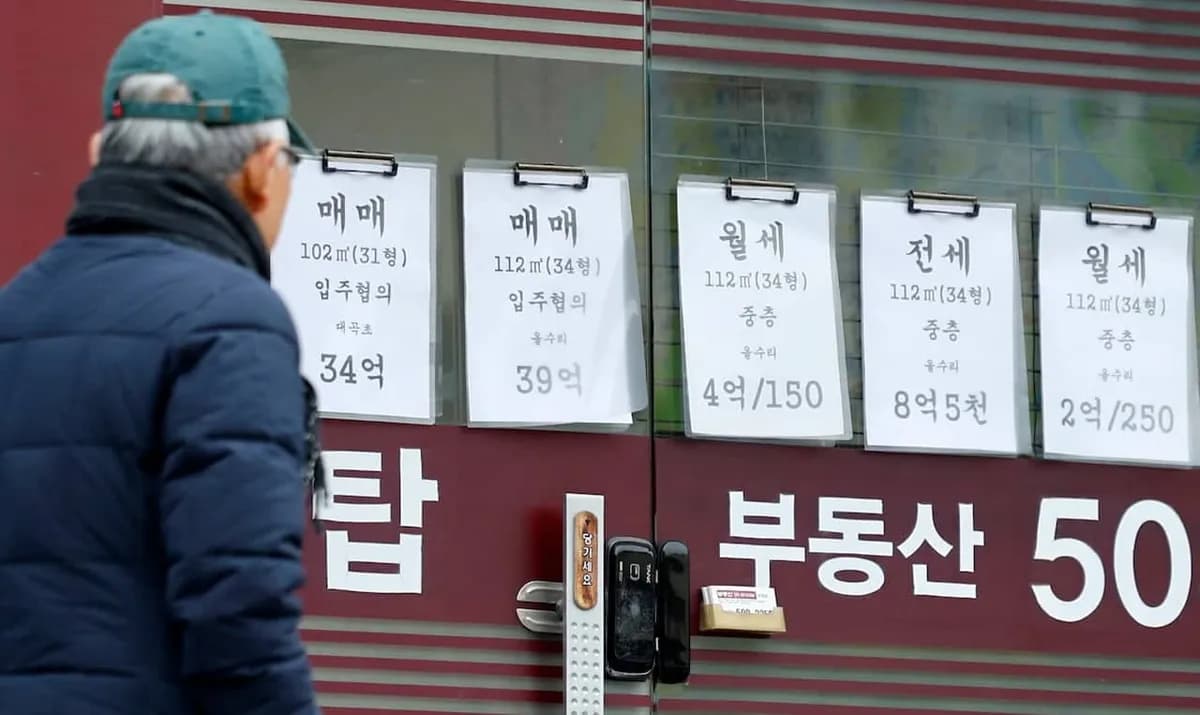
Seoul's Average Monthly Rent Surpasses 1.51 Million Won as Soaring Official Property Prices Trigger 'Housing Cost Bomb'

Rihanna Tops Spotify Without New Album for 10 Years, Proving Power of Catalog
Latest News

이스라엘, 헤즈볼라 무기 통로 레바논 다리 공습
이스라엘군, 헤즈볼라 무기 통로 레바논 다리 공습
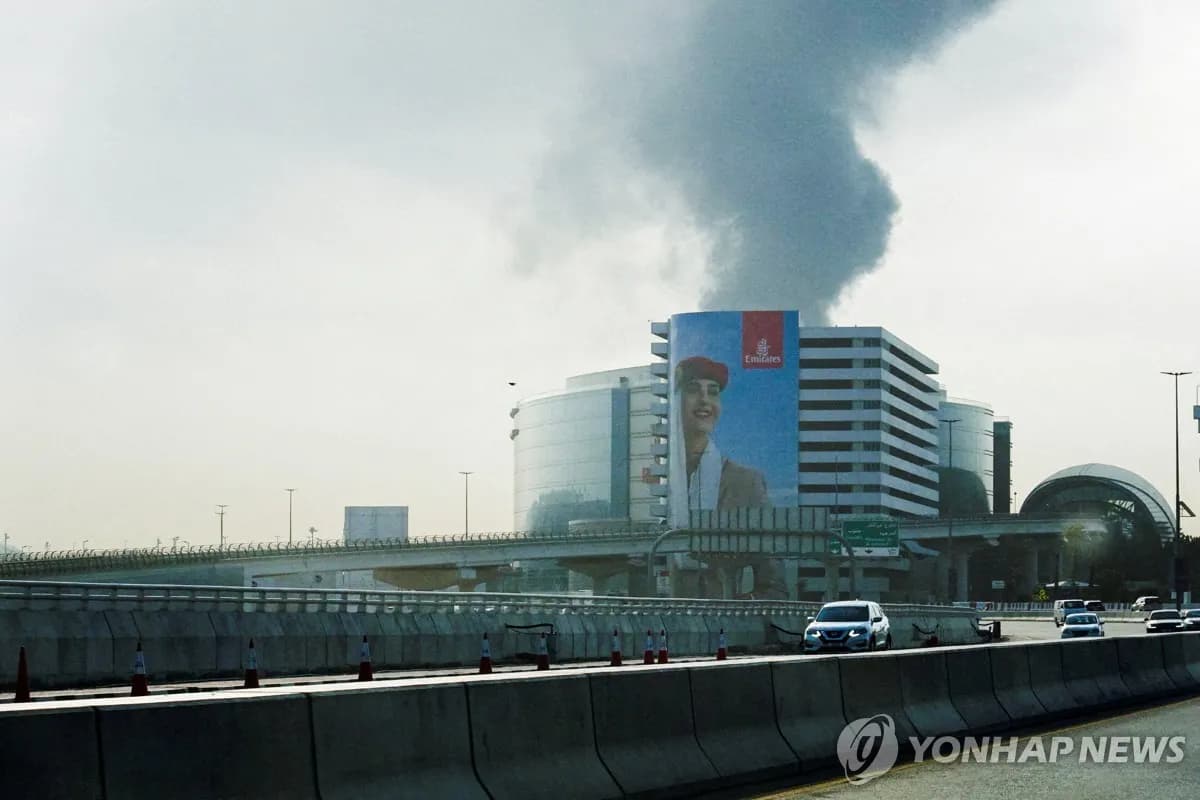
중동행 전세기 전쟁보험료 최고 7천500만원
중동행 전세기 전쟁보험료가 최고 5만달러(7천500만원)로 상승

이란 탄도미사일, 이스라엘 방어망 뚫고 160명 부상
이란 탄도미사일이 이스라엘 방공망을 통과해 160명 부상
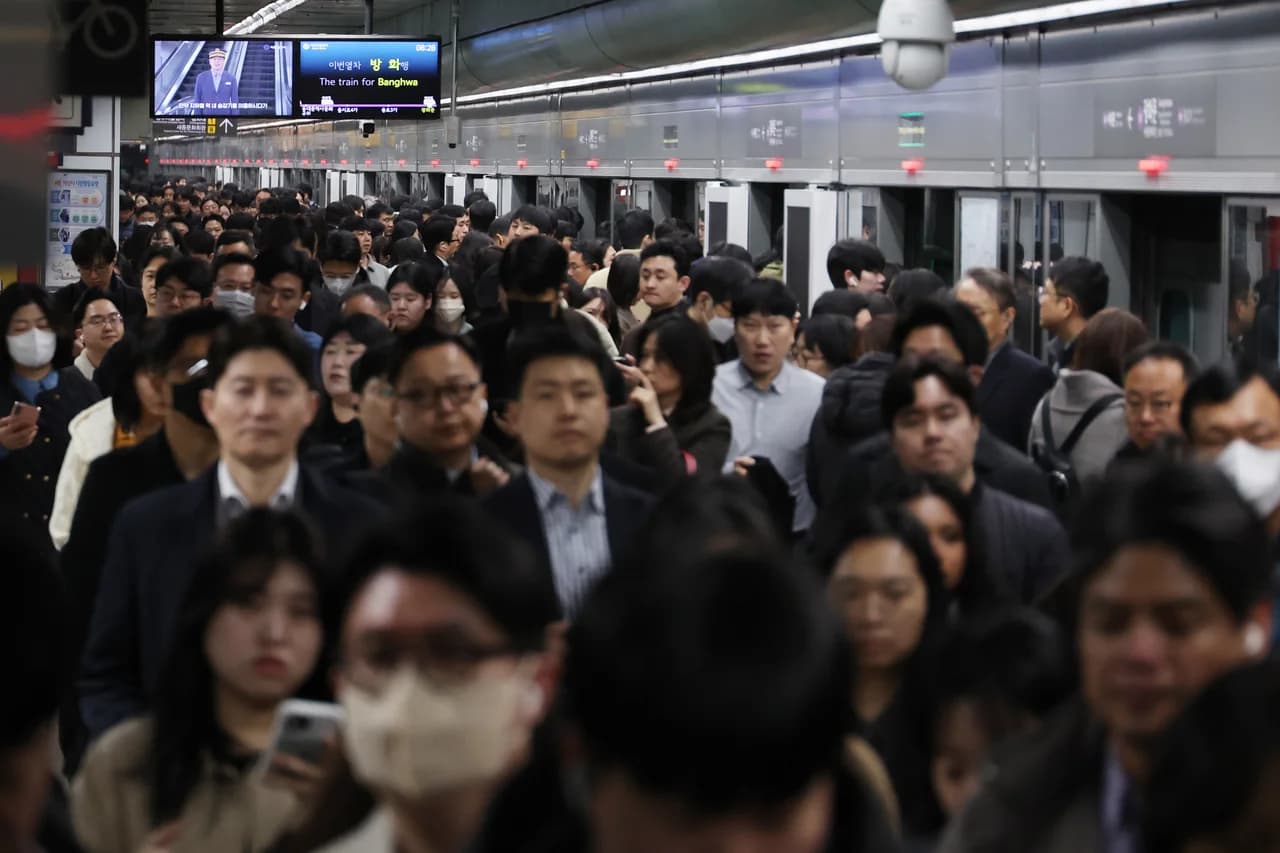
Middle East Conflict Drives Manufacturing Outlook to 10-Month Low
The Korea Institute for Industrial Economics & Trade survey shows April manufacturing outlook PSI plummeted to 88, falling below baseline for the first time in 10 months.

Lee Jae-myung Administration Excludes Multi-Home Officials from Real Estate Policymaking
President Lee Jae-myung has ordered the exclusion of multi-home owning public officials from all real estate policy processes.

Southeast Asia Growth Forecasts Cut Amid Oil Price Surge, Threatening Korean Exports
Maybank Research has downgraded ASEAN-6's 2026 growth forecast from 4.8% to 4.5%.

Volkswagen CEO Says Germany Should Learn from China's Industrial Strategy
Volkswagen CEO stated that Germany should learn from China's systematic industrial planning approach.

Reddit Considers Face ID to Block Bots While Maintaining Anonymity
Reddit is considering implementing biometric authentication systems such as Face ID and Touch ID to block AI bots while maintaining anonymity.